
Leaf Blower
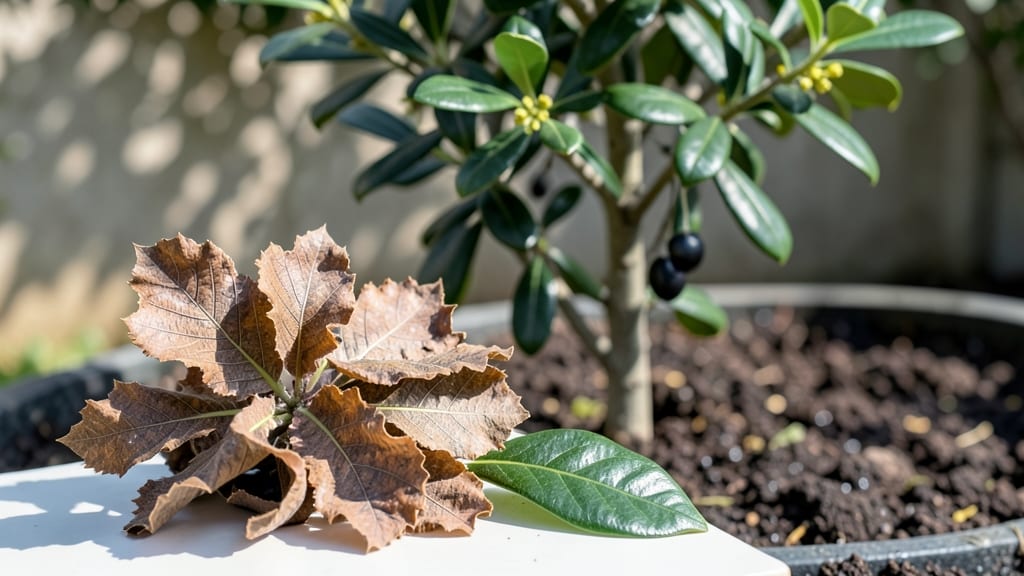
Brown leaves on your bay leaf tree scream one thing: something’s off with its care. 🌿 I’ve nursed back more than a few of these stubborn trees, and the fix usually starts with checking three simple things—water, light, and pests—before reaching for fertilizers or pruners.
Overwatering is the most common culprit, turning roots soggy and leaves crispy brown at the edges. But underwatering causes stress too, with leaves curling and browning from the center outward.
Stick your finger in the soil—if it’s dry past 1 inch, it’s time to water deeply, not just a quick sprinkle.
Once you’ve ruled out water issues, inspect the undersides of leaves for pests like spider mites or scale. A strong spray of water or neem oil can work wonders, and pruning off severely damaged leaves keeps the tree focused on recovery. Within weeks, you’ll see fresh green growth pushing out.
For long-term health, mulch around the base to retain moisture and fertilize lightly in spring with a balanced 10-10-10 mix. Bay trees thrive on neglect but reward consistent care with glossy, fragrant foliage that lasts for years.
Root Causes Of Leaf Discoloration
Bay leaf trees (often Laurus nobilis) are prized for their aromatic foliage, but brown leaves can signal stress or disease. Understanding the underlying causes helps you address the issue effectively.
Below, we break down the most common reasons your bay leaf tree’s leaves are turning brown—and what’s happening at a biological level.
Bay leaf trees thrive in consistent moisture, but their roots are sensitive to extremes. Here’s the science behind water-related browning:
- Underwatering (🌵💧)
- When soil dries out, roots struggle to absorb water, causing plasmolysis—where plant cells lose turgor pressure and wilt. Leaves curl, yellow, then brown at the edges as chlorophyll breaks down.
- Actionable fix: Stick your finger 2 inches into the soil. If it’s dry, water deeply until it drains from the bottom. Use a moisture meter for accuracy.
- Overwatering (💦🚨)
- Soggy soil cuts off oxygen to roots, leading to root rot (often from Phytophthora fungi). Brown, mushy leaves with yellowing between veins are classic signs.
- Actionable fix: Let the top 1–2 inches of soil dry between waterings. Ensure pots have drainage holes and avoid saucers trapping excess water.
- Poor Drainage (🏗️💩)
- Compacted or clay-heavy soil holds water against roots, mimicking overwatering. Bay trees hate "wet feet."
- Actionable fix: Amend soil with perlite or sand (50/50 mix) and elevate pots on feet to improve airflow.
Bay leaf trees are evergreen, meaning they retain leaves year-round—but they’re not frost-hardy. Sudden temperature swings or harsh conditions can scorch foliage.
- Cold Damage (❄️🔥)
- Temperatures below 25°F (-4°C) cause cell membranes to rupture, leading to brown, crispy patches. Young leaves are most vulnerable.
- Actionable fix: Move potted trees indoors or cover outdoor plants with frost cloth. Mulch the base with straw to insulate roots.
- Heat Stress (☀️🔥)
- Intense sun (especially after rain) acts like a magnifying glass, causing sunscald. Leaves turn brown and papery, often on the upper surface.
- Actionable fix: Provide afternoon shade (use sheer curtains or shade cloth). Gradually acclimate trees to full sun over weeks.
- Wind Burn (💨⚡)
- Fast-moving air dries leaf edges, creating "scorch" patterns. Common in exposed outdoor trees or near HVAC vents.
- Actionable fix: Relocate trees to a sheltered spot or use a windbreak (like a lattice screen). Prune to improve airflow.
Pathogens thrive in damp, stressed conditions, turning bay leaves brown in distinct patterns. Here’s how to spot them:
| Disease | Symptoms | Cause | Fix |
|---|---|---|---|
| Leaf Spot (Alternaria/Cercospora) | Brown spots with yellow halos, often with black centers. Spots may drop out, creating "shot holes." | Fungal spores spread in wet weather. Overhead watering worsens it. | Prune infected leaves and dispose of them. Apply copper fungicide every 2 weeks during damp spells. |
| Root Rot (Phytophthora) | Yellowing leaves, wilting, and brown, mushy stems at the base. Soil smells sour. | Waterlogged soil + fungal pathogens. Common in heavy clay. | Repot in fresh, sterile soil with perlite. Avoid watering until soil dries completely. |
| Bacterial Leaf Blight | Dark brown, water-soaked patches that ooze when squeezed. Leaves may drop prematurely. | Bacteria (Xanthomonas) spread via splashing water or tools. | Remove infected leaves immediately. Sterilize pruners with rubbing alcohol. Reduce overhead watering. |
Pro Tip: 💡 Always water at the base (not leaves) to prevent fungal spores from splashing onto foliage.
Bay trees are light feeders, but deficiencies show up as brown leaves in specific patterns:
- Iron Deficiency (🟡🍂)
- Young leaves turn yellow between veins (a condition called chlorosis) before browning. Iron is immobile in plants, so new growth suffers first.
- Fix: Apply chelated iron (like Ironite) to soil or spray foliage. Test soil pH—iron locks up in alkaline soil (pH >7.0).
- Magnesium Deficiency (🟠🌿)
- Older leaves develop interveinal browning (brown patches between veins) as magnesium (a mobile nutrient) gets "stolen" by new growth.
- Fix: Sprinkle Epsom salt (magnesium sulfate) around the base (1 tbsp per gallon of water) every 4–6 weeks.
- Potassium Deficiency (🔴🍅)
- Leaf edges and tips turn brown and crinkly (like "scorch"). Weak stems may also appear.
- Fix: Use a balanced fertilizer (10-10-10) or wood ash (high in potassium) in spring.
Warning: Over-fertilizing can burn roots, worsening browning! Always follow package rates.
Reviving Your Bay Leaf Tree
Brown leaves on your bay leaf tree can feel like a heartbreak—especially when you’ve nurtured it with care! But don’t worry: with the right approach, you can coax it back to vibrant health.
Below are targeted solutions for the most common causes of browning leaves, along with preventive tips to keep your tree thriving.
If your bay leaf tree’s leaves are yellowing, wilting, or turning brown, root rot from excess moisture could be the culprit. Bay trees prefer well-draining soil but can’t tolerate soggy roots.
How to Fix It: 🔥 Step 1: Check the Soil – Stick your finger 2 inches deep into the soil. If it feels damp, hold off on watering. 🍳 Step 2: Improve Drainage – If your pot lacks drainage holes, transfer your tree to a container with holes. For in-ground plants, amend the soil with sand or perlite to enhance aeration. 👨🍳 Step 3: Repot if Necessary – If root rot is severe, trim away mushy, black roots with sterilized scissors, then repot in fresh, fast-draining potting mix. 🥘 Step 4: Adjust Watering – Water only when the top inch of soil is dry. Bay trees prefer moderate moisture, not soggy conditions.
💡 Prevention Tips: ✔ Use terracotta pots (they dry out faster than plastic). ✔ Avoid saucers that trap water—empty excess after watering. ✔ In rainy climates, cover the pot temporarily to shield from over-saturation.
Brown, crispy leaves often signal thirsty roots. Bay trees are drought-tolerant but still need consistent moisture, especially in hot weather.
How to Fix It: 🔥 Step 1: Water Deeply – Soak the soil until water drains from the bottom. Repeat every 5–7 days (adjust based on climate). 🍳 Step 2: Mulch the Base – Spread 2–3 inches of organic mulch (like bark or straw) to retain moisture and regulate soil temperature. 👨🍳 Step 3: Mist the Leaves – Lightly mist foliage in dry, hot conditions to prevent leaf burn (but avoid overdoing it—bay trees dislike soggy leaves). 🥘 Step 4: Move to Partial Shade – If your tree is in direct, scorching sun, relocate it to morning sun + afternoon shade for a few weeks to recover.
💡 Prevention Tips: ✔ Group plants together to create a microclimate that retains humidity. ✔ Use a moisture meter to track soil dryness accurately. ✔ In summer, water in the early morning to reduce evaporation.
Bay trees thrive in USDA Zones 7–11 and can’t handle frost, extreme heat, or sudden temperature swings. Brown patches or scorch marks often mean sunburn or cold stress.
How to Fix It: 🔥 Step 1: Acclimate Gradually – If moving indoors/outdoors, harden off your tree by exposing it to 1–2 extra hours of sunlight daily over a week. 🍳 Step 2: Shield from Harsh Conditions –
- Cold snaps? Cover with frost cloth or move indoors near a sunny window.
- Intense sun? Use a light shade cloth (30–50%) for a few weeks.
👨🍳 Step 3: Trim Damaged Leaves – Snip off brown, crispy leaves with clean pruners to redirect energy to healthy growth. 🥘 Step 4: Adjust Placement – Keep bay trees out of drafts, AC vents, or freezing windows in winter.
💡 Prevention Tips: ✔ Never expose bay trees to sudden temperature drops (e.g., moving from a greenhouse to a cold garage). ✔ In winter, keep potted bay trees indoors if temps drop below 20°F (-6°C). ✔ Avoid plastic pots in freezing temps—they conduct cold better than ceramic.
Spider mites, aphids, or fungal diseases (like bay leaf blight) can cause browning, spotted, or curled leaves.
How to Fix It: 🔥 Step 1: Identify the Problem –
- Tiny webs? → Spider mites.
- Sticky residue? → Aphids or scale.
- Yellow spots? → Fungal infection.
🍳 Step 2: Treat Pests Naturally –
- Spider mites: Spray with neem oil (1 tsp per quart of water) or hose off gently to dislodge them.
- Aphids/scale: Wipe leaves with soapy water (1 tsp mild soap + 1 quart water) or use insecticidal soap.
👨🍳 Step 3: Combat Fungus –
- Remove infected leaves immediately.
- Apply copper fungicide or a baking soda spray (1 tsp baking soda + 1 quart water + a drop of soap).
🥘 Step 4: Improve Airflow – Prune dense foliage to reduce humidity buildup, which fuels fungal growth.
💡 Prevention Tips: ✔ Inspect new plants before bringing them near your bay tree. ✔ Avoid overhead watering—water at the base to prevent fungal spores from splashing onto leaves. ✔ Use reflective mulch (like white gravel) to deter pests.
Yellowing between veins (chlorosis) or burnt leaf tips often mean iron, magnesium, or nitrogen deficiencies—or too much fertilizer.
How to Fix It: 🔥 Step 1: Test Your Soil – Use a DIY soil test kit or send a sample to a local extension office. 🍳 Step 2: Adjust Fertilizer Use –
- Over-fertilized? Flush the soil with water to leach excess salts.
- Under-fertilized? Use a balanced, slow-release fertilizer (10-10-10) in spring and early summer.
👨🍳 Step 3: Boost Micronutrients –
- For iron deficiency: Apply chelated iron or use Epsom salt (1 tbsp per gallon of water) for magnesium.
- For nitrogen: Use fish emulsion or compost tea.
🥘 Step 4: Feed Lightly – Bay trees prefer less fertilizer than most herbs. Once every 6–8 weeks in growing season is enough.
💡 Prevention Tips: ✔ Follow the fertilizer label—more isn’t better! ✔ Use organic matter (like worm castings) for a gentle nutrient boost. ✔ Avoid synthetic fertilizers in winter—bay trees are dormant and don’t need feeding.
No matter the issue, these quick fixes can help your bay tree bounce back:
- Prune strategically – Trim 1/3 of the brownest leaves to encourage new growth.
- Boost humidity – Place the pot on a pebble tray with water (but keep roots dry).
- Repot if needed – If roots are circling or soil is depleted, refresh the potting mix.
- Be patient – Bay trees are slow growers; recovery may take 4–8 weeks.
Final Thought: 🌿 With the right care, your bay leaf tree can shed its brown leaves and return to lush, aromatic greenery. Start with the most likely cause, adjust one thing at a time, and watch your tree thrive!
Frequently asked questions about brown leaves on bay leaf trees
Why are my bay leaf tree's leaves turning brown only at the edges?
This classic symptom usually means underwatering or low humidity. Bay trees need consistent moisture—check if the top 1-2 inches of soil are dry. Brown edges also appear when leaves lose moisture too quickly from dry air or wind. Try misting leaves lightly or moving the tree to a more sheltered spot.
Can I save my bay leaf tree if most leaves are already brown?
Yes! Start by pruning 1/3 of the most damaged leaves to reduce stress. Focus on fixing the root cause (water, light, or pests) and give it 4-6 weeks to recover. Healthy new growth should emerge from the stems. For severe cases, consider repotting with fresh, well-draining soil.
How do I tell if my bay tree has root rot or just needs more water?
Root rot causes yellowing between veins (not just brown edges) and mushy stems at the base. Lift the pot—healthy roots are firm and white, while rotten roots smell sour and turn black. If you suspect rot, stop watering immediately and repot in fresh soil with perlite. Overwatering is the #1 cause of both issues!
Will Epsom salt fix my bay tree's brown leaves?
Only if the problem is magnesium deficiency—look for brown patches between veins on older leaves. Mix 1 tablespoon Epsom salt per gallon of water and apply monthly. However, if leaves are crispy or curling, the issue is likely water-related, not nutrient-based. Test soil first to confirm deficiencies.
Can I use the same care tips for bay leaf trees indoors vs. outdoors?
Indoor bay trees need more humidity (try a pebble tray) and less intense sunlight than outdoor plants. Outdoors, they tolerate more direct sun but need protection from wind and frost. Indoor trees also benefit from occasional outdoor time to prevent legginess. Adjust watering—indoor pots dry out faster than ground soil.