
Pests and Diseases
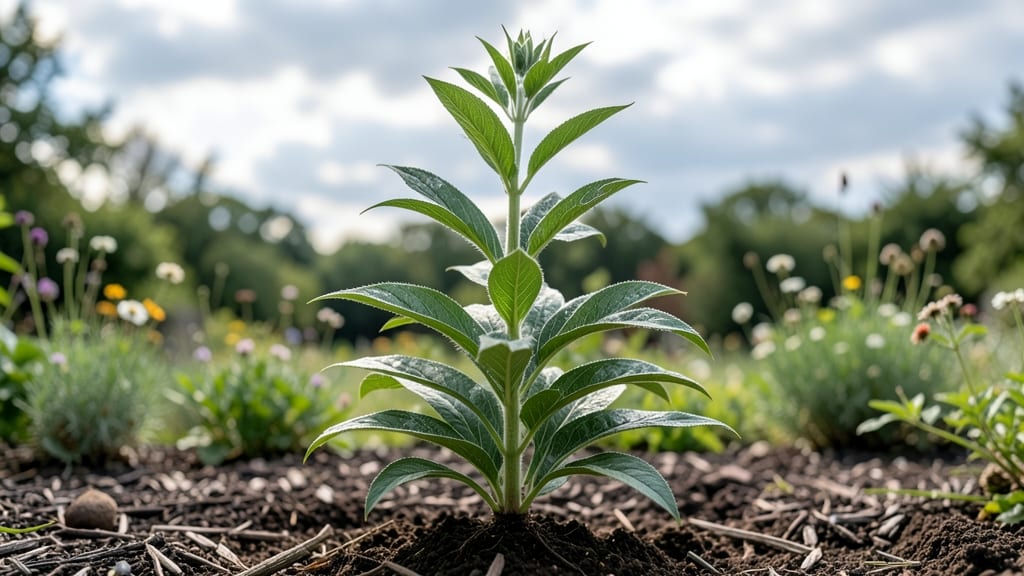
Accurate delphinium leaf identification could save your garden—and your health. 🌿 These striking blue spikes have toxic lookalikes like monkshood (Aconitum) that can be deadly if ingested, so knowing the key differences matters more than you’d think.
The first step is spotting the deep, jagged lobes on true delphinium leaves versus the rounded, palmate shape of monkshood.
Healthy delphinium leaves are deep green, glossy, and deeply lobed, almost like a fern’s fingers. But watch for yellowing edges (nutrient deficiency), white powder (powdery mildew), or chewed ragged holes (slugs or deer).
Aphids leave sticky residue, while leaf spot shows up as dark brown spots with yellow halos—both mean it’s time to act fast.
Once you’ve ruled out toxic lookalikes, focus on leaf shape, vein pattern, and growth habit. Delphinium leaves grow in a basal rosette and have hairy stems, while monkshood leaves are smoother and grow along the stem.
Misidentifying them could mean poisoning pets or people—so double-check before pruning or harvesting.
For troubleshooting, snip a sample leaf and compare it side by side with trusted images. If you’re unsure, share a photo with a local gardening group—they’ll spot the clues you might miss. The goal? Confident identification so you can protect your garden and your family.**
Root Causes Behind Leaf Confusion
Delphinium leaves can be mistaken for other plants—or even misdiagnosed when diseased—due to a mix of biological, environmental, and human factors. Understanding these causes helps gardeners and foragers avoid dangerous lookalikes and properly care for their plants.
Below, we break down the most common reasons why delphinium leaf identification goes wrong.
Delphiniums (especially Delphinium ajacis and Delphinium elatum) share striking similarities with other plants, some of which are highly toxic. Here’s why their leaves are often confused:
- Lobed, fern-like foliage: Delphinium leaves have deeply cut, palmate lobes that resemble larkspur (also a Delphinium genus relative) or monkshood (Aconitum). Both are toxic, but monkshood’s leaves are often darker and more deeply divided, while larkspur’s are slightly less jagged. ⚠️ Actionable tip: Check the flower shape—delphiniums have spurred petals, while monkshood has a helmet-like hood.
- Similar growth habits: Many toxic plants, like wolfsbane or hemlock, grow in similar shaded, moist environments as delphiniums. Their leaves may appear similar at a glance, especially when young or damaged. ✨ Pro tip: Press the leaf between fingers—delphinium leaves are slightly hairy, while hemlock leaves are smooth and hollow-stemmed.
- Color variations: Delphinium leaves can range from deep green to bluish-green, mimicking columbine (Aquilegia) or lungwort (Pulmonaria). However, these plants have different leaf venation: delphiniums have prominent, net-like veins, while columbine leaves are more finely textured.
When delphinium leaves are stressed by pests or diseases, their appearance can drastically change, making identification harder. Here’s how:
| Cause | Leaf Changes | Why It’s Confusing |
|---|---|---|
| Slug/Snail Damage | Irregular, jagged holes; silvery slime trails | Damaged leaves may resemble hemlock or fool’s parsley, which also have chewed edges. 🔍 Key clue: Look for trails or tiny eggs near the soil. |
| Powdery Mildew | White, powdery coating; yellowing between veins | Infected leaves can look like toadflax or groundsel, which also develop fungal spots. 💡 Test: Gently brush the leaf—powdery mildew leaves a white residue. |
| Aphid Infestation | Curled, sticky leaves; black sooty mold | Heavy infestations can make leaves appear shriveled, similar to water hemlock in early stages. 👨🍳 Check: Flip leaves—aphids cluster on undersides. |
| Bacterial Leaf Spot | Dark, water-soaked spots with yellow halos | Spots can resemble deadly nightshade leaf damage, but nightshade has purple stems and berries. ⚠️ Warning: Bacterial spots often ooze when pressed. |
🌡️ Environmental factor: Overwatered or nutrient-deficient delphiniums may develop pale, limp leaves that resemble buttercup (Ranunculus)—another toxic lookalike. Always check soil moisture and pH (delphiniums prefer 6.0–7.0).
Even experienced gardeners can misidentify delphinium leaves due to common mistakes. Here’s how:
- Focusing only on leaves: Delphinium identification relies on flowers, stems, and growth patterns. Leaves alone can be deceiving—always examine the entire plant and its habitat. 🎯 Rule of thumb: Delphiniums grow in clusters with blue, purple, or white flowers on tall spikes.
- Seasonal changes: Young delphinium leaves are less lobed and may resemble borage or comfrey. As they mature, the lobes become more pronounced. ⏰ Timing tip: Compare leaves to reference photos from the same growth stage.
- Hybrid confusion: Some delphinium hybrids (like Delphinium × hybridum) have broader, less divided leaves than wild types. Cross-referencing with a plant database or local gardening group can help.
- Lighting conditions: Shade can make delphinium leaves appear darker and more compact, mimicking foxglove (Digitalis). 💡 Light test: Observe leaves in bright sunlight—their true lobed shape becomes clearer.
🚨 Critical note: Never consume any plant based solely on leaf shape. Always verify with multiple sources (flowers, stems, and a reliable field guide) before assuming a plant is safe.
Quick fixes for leaf confusion
When you’re staring at a garden full of delphiniums and wondering, "Is this leaf safe or toxic?"—or worse, "Why is it turning into a science experiment?"—don’t panic.
Here’s your step-by-step guide to diagnosing and fixing leaf issues, whether they’re caused by pests, diseases, or just a case of mistaken identity. Let’s tackle this leaf by leaf.
---
Before jumping into solutions, identify the exact issue with your delphinium leaves.
Grab a magnifying glass (or your phone’s camera) and check for: - Holes or chew marks (pests like slugs, aphids, or caterpillars). - Yellowing, browning, or black spots (fungal infections like powdery mildew or bacterial leaf spot). - Wilting or drooping (overwatering, root rot, or nutrient deficiency). - Unusual growths or discoloration (toxic lookalikes like Delphinium ajacis vs. safe Delphinium elatum).
💡 Pro Tip: Snap a photo and compare it to online databases like the [University of Minnesota’s Pest Guide](https://extension.umn.edu/) or plant ID apps like PlantNet. If in doubt, consult a local nursery expert—they’ve seen it all!
---
If your delphinium leaves are under siege by critters, act fast with these targeted fixes:
#### 🐜 Slugs and Snails Signs: Large, slimy trails on leaves; irregular holes. Fix: - Manual removal 👨🍳: Handpick them at night (they’re most active then) and drop them in soapy water. - Barriers 🛡️: Create a copper tape ring around pots or plant beds—slugs hate the electric-like shock. - Beer traps 🍺: Bury a shallow dish filled with beer near plants.
Slugs crawl in and drown (yes, really).
Prevention: - Water in the morning (slugs hide during the day). - Crushed eggshells or diatomaceous earth around the base (acts like tiny razor blades to them).
#### 🐜 Aphids or Spider Mites Signs: Sticky residue (honeydew), tiny webs, or leaves curling. Fix: - Spray with soapy water 🧼: Mix 1 tsp mild dish soap + 1 quart water.
Spray directly on pests (test on a small leaf first). - Neem oil 🌿: Apply a 2% neem oil solution every 5–7 days to suffocate mites and deter new infestations. - Introduce predators 🐞: Ladybugs and lacewings love aphids—buy them online or attract them with diverse garden plants.
Prevention: - Encourage beneficial insects by planting marigolds or dill nearby. - Prune heavily infested leaves and dispose of them in sealed bags.
#### 🐛 Caterpillars or Sawfly Larvae Signs: Ragged leaf edges, frass (poop), or skeletonized leaves. Fix: - Handpick larvae 🪰: Drop them into a bucket of soapy water. - Bacillus thuringiensis (Bt) 💊: A natural bacterial spray safe for humans but deadly to caterpillars.
Reapply after rain. - Row covers 🛡️: Lightweight fabric to block adult moths from laying eggs.
Prevention: - Remove garden debris where caterpillars pupate. - Plant trap crops like nasturtiums to distract pests away from delphiniums.
---
If your leaves are sporting spots, mold, or weird textures, fungal or bacterial diseases might be to blame. Here’s how to stop the spread:
#### 🍄 Powdery Mildew Signs: White, powdery coating on leaves (like dust). Fix: - Prune infected leaves ⏰: Remove and dispose of them immediately (don’t compost!). - Baking soda spray 🧂: Mix 1 tbsp baking soda + 1 tsp soap + 1 gallon water.
Spray every 7–10 days. - Improve airflow 🌬️: Space plants farther apart and avoid overhead watering.
Prevention: - Water at the base (not leaves) in the morning for quick drying. - Resistant varieties like Delphinium ‘Blue Bird’ tolerate mildew better.
#### 🍄 Bacterial Leaf Spot Signs: Dark, water-soaked spots with yellow halos. Fix: - Remove infected foliage 🔪: Snip off spots with sterilized scissors. - Copper fungicide 🛡️: Apply a preventative spray like copper hydroxide. - Rotate crops 🌱: Avoid planting delphiniums in the same spot next year.
Prevention: - Sterilize tools with rubbing alcohol after pruning. - Avoid overhead irrigation to keep leaves dry.
--- Signs: Yellowing leaves, mushy stems, or leaves falling off. Fix: - Check the soil 🌱: Stick your finger 1–2 inches deep—if it’s soggy, it’s overwatered. - Repot or improve drainage 🏗️: Use a pot with drainage holes or amend soil with perlite/sand. - Let the soil dry out ⏳: Water only when the top inch is dry.
Delphiniums prefer moderate moisture, not soggy roots.
Prevention: - Use well-draining soil (mix in compost or coconut coir). - Mulch lightly (1–2 inches) to retain moisture without suffocating roots.
--- If you’ve accidentally planted a toxic delphinium (like Delphinium ajacis), don’t fret—removal is the fix: - Wear gloves 🧤: Some delphiniums contain toxic alkaloids (like delphinine). - Dig up and dispose 🗑️: Place in sealed bags (not compost) and wash hands thoroughly. - Test soil 🧪: If you’re unsure, send a leaf sample to a local extension office for ID.
Prevention: - Buy from reputable nurseries that label plants clearly. - Learn key differences: - Safe delphiniums (e.g., Delphinium elatum) have deeply lobed, blue/purple flowers and hairy stems. - Toxic lookalikes (e.g., Aconitum napellus, monkshood) have hooded flowers and glossy leaves.
--- Signs: Pale leaves (nitrogen), purple stems (phosphorus), or weak growth (potassium). Fix: - Soil test first 📊: Grab a kit from a garden center to identify deficiencies. - Balanced fertilizer 💪: Use a 10-10-10 or 5-10-5 formula in spring. - Epsom salt 🧂: For magnesium deficiency (yellowing between veins), dissolve 1 tbsp in a gallon of water and spray leaves.
Prevention: - Add compost annually to enrich soil. - Avoid over-fertilizing—delphiniums prefer lean soil!
--- 1. Prune regularly 💥: Remove dead or diseased leaves to improve airflow. 2. Deadhead spent blooms 🌸: Encourages more flowers and prevents seed-related pests. 3. Rotate planting spots 🌱: Prevents soil-borne diseases (move delphiniums every 2–3 years). 4. Monitor daily 👀: Catch issues early before they spread.
--- Final Thought: Most delphinium leaf problems are preventable with good habits—like proper watering, pest vigilance, and knowing your plants. Once you’ve got the basics down, your delphiniums will reward you with stunning blooms and lush foliage all season long. 🌿✨
Now go forth and save those leaves! 🚀
Frequently asked questions
How can I tell if a delphinium leaf is healthy or diseased?
Healthy delphinium leaves are deep green, glossy, and deeply lobed like fern fingers. Watch for red flags: white powder (powdery mildew), dark spots with yellow halos (bacterial leaf spot), or chewed edges (slugs/deer). Always check the undersides for pests like aphids or spider mites.
Why do my delphinium leaves look like monkshood or larkspur?
Delphinium leaves can resemble toxic lookalikes like monkshood (Aconitum) due to their deeply lobed shapes. The key difference: delphinium flowers have spurred petals, while monkshood has hooded blooms. Check stems too—delphiniums are slightly hairy, while monkshood leaves are smooth.
What should I do if I find a toxic delphinium in my garden?
Remove it immediately with gloves—some delphiniums contain toxic alkaloids. Dig up the plant, place it in sealed bags (not compost), and wash hands thoroughly. For confirmation, send a leaf sample to your local extension office or compare with trusted plant databases.
Can I use delphinium leaves in cooking or teas?
Never consume delphinium leaves unless you’ve 100% confirmed they’re non-toxic varieties like Delphinium elatum. Even safe types can cause stomach upset if eaten raw. When in doubt, admire them in your garden—delphiniums are stunning ornamental plants!
How do I prevent powdery mildew on delphinium leaves?
Improve airflow by spacing plants 12–18 inches apart and avoid overhead watering. For prevention, spray leaves with a baking soda solution (1 tbsp baking soda + 1 tsp soap per gallon of water) every 2 weeks. Choose mildew-resistant varieties like Delphinium ‘Blue Bird’.