
Leaf Blower
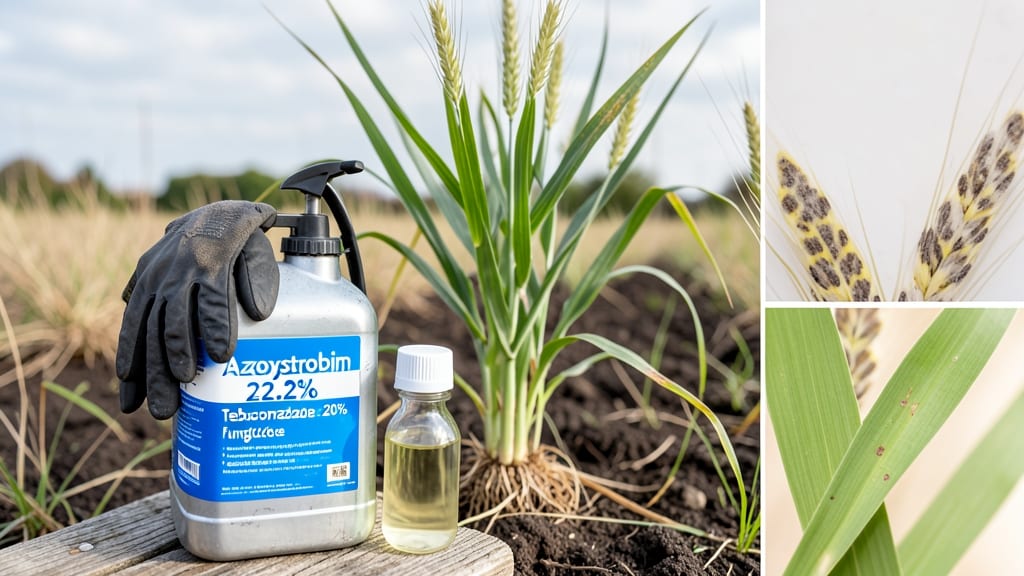
When those dark brown spots with yellow halos appear on your tomato leaves, a septoria leaf spot fungicide is your fastest defense against this fungus. 🌿 I’ve seen this disease turn lush plants into skeleton leaves within weeks—until I learned the right copper spray timing and mix.
The key isn’t just spraying; it’s catching it early and keeping plants dry.
Septoria thrives in wet conditions, so prevention starts with spacing plants for airflow and watering at the base—not overhead.
Copper fungicides work by disrupting fungal spores, but they’re most effective when applied at first signs of spots (tiny dark specks) or as a preventive spray every 10-14 days during humid seasons. My tomatoes stayed spot-free all summer after switching to this schedule.
You’ll notice new growth staying clean and vibrant within days of proper treatment. The copper spray also prevents secondary infections, so your plants focus on producing fruit instead of fighting disease. For organic gardens, liquid copper formulations are the gold standard—just avoid spraying when rain’s forecasted.
Persistent infections? Check your watering habits and plant density first. If spots keep spreading, it might be time for a second copper application or a closer look at resistant varieties like ‘Mountain Merit’ tomatoes. The right mix of prevention and treatment turns this fungal nightmare into a manageable annoyance.
Why it happens
H2: The Hidden Triggers Behind Leaf Spots
Septoria leaf spot isn’t just a random fungal nuisance—it’s the result of a perfect storm of environmental and cultural factors. Understanding why it happens is the first step to stopping it in its tracks.
Below, we break down the key culprits behind this stubborn disease, so you can identify and address them before they wreck your crops.
🌧️ Excessive Moisture & Poor Drainage
The #1 trigger for Septoria leaf spot is prolonged leaf wetness. This fungus thrives in humid, damp conditions, especially when leaves stay wet for more than 6–12 hours. Here’s how it plays out:
- Rainfall or overhead irrigation: Splashing water from rain or sprinklers spreads fungal spores directly onto leaves, creating ideal infection zones.
- High humidity (80%+): Warm, muggy nights slow leaf drying, giving the fungus time to germinate and penetrate leaf tissue.
- Poor air circulation: Dense plant canopies trap moisture, while stagnant air prevents leaves from drying quickly.
Actionable fix: Space plants for airflow, water at soil level (never overhead), and avoid late-day irrigation to allow leaves to dry overnight.
🌱 Weakened Plant Defenses
Healthy plants resist Septoria, but stress opens the door. Common stressors include:
- Nutrient deficiencies: Low nitrogen or potassium weakens cell walls, making leaves more susceptible to fungal invasion.
- Physical damage: Hail, wind, or mechanical injury creates entry points for spores.
- Overcrowding: Competitive stress from dense planting reduces vigor, leaving plants vulnerable.
Actionable fix: Conduct a soil test to address deficiencies, prune for airflow, and thin plants to reduce competition.
🍄 Fungal Spores & Contaminated Tools
Septoria spreads via asexual spores that survive in plant debris, soil, or even on tools. Here’s how:
- Infected plant residue: Old leaves or stems left in the soil harbor spores for years, reinfecting new growth.
- Contaminated pruners or mowers: Moving from infected to healthy plants transfers spores instantly.
- Wind or water dispersal: Spores hitchhike on raindrops or breeze to nearby plants.
Actionable fix: Sanitize tools with 70% alcohol between uses, remove and destroy infected debris, and practice crop rotation to break the spore cycle.
🌡️ Ideal Temperature Ranges
While Septoria can strike in cool weather, it explodes when temperatures hover between 60–75°F (15–24°C). Here’s why:
- Cool, wet springs: Perfect for spore germination and early infections.
- Warm, humid summers: Speeds up fungal growth and spreads lesions rapidly.
Actionable fix: Monitor weather forecasts and apply preventative fungicides (like copper-based sprays) before symptoms appear during these windows.
Stop Fungal Spread Fast
Septoria leaf spot doesn’t have to ruin your garden or crops—with the right approach, you can halt its spread quickly and prevent future outbreaks. Below, we break down the most effective solutions by cause, from immediate fixes to long-term prevention.
Think of this as your battle plan to reclaim healthy, vibrant foliage.
If you’ve already spotted the telltale tan or grayish lesions with dark borders, don’t wait. These steps will slow the fungus and protect nearby plants. #### 🍳 Apply a Copper-Based Fungicide (Best Defense) Copper is the gold standard for treating septoria leaf spot because it disrupts fungal spores on contact. Here’s how to use it right:- Choose the right product: Look for copper hydroxide or copper sulfate sprays (e.g., Bordeaux mixture or copper fungicides labeled for septoria). Avoid homemade solutions unless you’re experienced—improper mixing can damage plants.
- Timing is critical: Spray at the first sign of spots and repeat every 7–14 days during wet conditions. Early morning or late evening applications reduce plant stress from sun exposure.
- Cover all surfaces: Focus on undersides of leaves (where spores hide) and stems. Use a high-volume sprayer or backpack sprayer for thorough coverage.
- Use sterilized pruners (wipe with rubbing alcohol between cuts) to avoid transferring spores.
- Dispose of clippings in the trash (not compost)—septoria spores can survive in compost piles.
- Prioritize lower leaves and overlapping foliage, where humidity fuels fungal growth.
- Space plants properly: Follow seed packet guidelines for spacing—crowded plants trap moisture.
- Thin out dense foliage: Remove inner leaves in shrubs or vines to let air circulate.
- Use fans (for greenhouses): A gentle breeze mimics natural airflow and speeds up drying.
- Biological fungicides (e.g., bacillus subtilis or trichoderma strains).
- Contact fungicides like sulfur or potassium bicarbonate (for organic gardens).
- Systemic fungicides (e.g., chlorothalonil) for severe cases—follow label instructions.
- Water at the base: Avoid overhead sprinkling, which splashes spores onto leaves.
- Water early in the day: Leaves dry faster, reducing humidity hotspots.
- Use drip irrigation: Delivers water directly to roots, minimizing leaf wetness.
- Clean tools: Scrub pruners, shears, and shovels with a 10% bleach solution (1 part bleach to 9 parts water) or rubbing alcohol after each use.
- Solarize soil (for severe cases): Cover infested soil with clear plastic for 4–6 weeks in hot sun to kill spores.
- Plant resistant varieties: Some crops (e.g., wheat varieties like ‘Roblin’ or tomato ‘Defiant PhR’) are bred to tolerate septoria better.
Frequently asked questions about fungal leaf spot control
How soon should I apply fungicide after seeing the first spots?
Apply copper-based fungicide immediately when you spot tiny dark specks (early lesions). The fungus spreads rapidly in 6-12 hours of leaf wetness, so don't wait for full spots to develop. For prevention, spray every 10-14 days during humid seasons, even without visible symptoms.
Can I use copper fungicide on edible plants like tomatoes?
Yes, copper fungicides are safe for edible plants when used as directed. Always follow label instructions for reapplication intervals (typically 3-7 days between sprays). Harvest fruit only after the minimum waiting period specified on the product label to ensure safety.
What's the difference between copper hydroxide and copper sulfate?
Both work against septoria, but copper hydroxide is less phytotoxic (safer for plants) and works at higher pH levels (better for alkaline soils). Copper sulfate requires acidic conditions to activate and can burn leaves if overapplied. For organic gardens, copper hydroxide is the preferred choice.
Will removing infected leaves stop the spread completely?
Removing infected leaves slows spread significantly but won't eliminate spores already in soil or air. Combine pruning with copper sprays and sanitize tools between cuts. For complete control, also address overhead watering and poor airflow—the fungus's main triggers.
How do I know if my plants have septoria or another leaf spot?
Septoria spots are tan or gray with dark borders and often appear on lower leaves first. Unlike powdery mildew (white), they don't spread in a powdery layer. For confirmation, check for tiny black specks (fungal fruiting bodies) in spots under magnification. A soil test can also rule out nutrient deficiencies.