
Vegetables
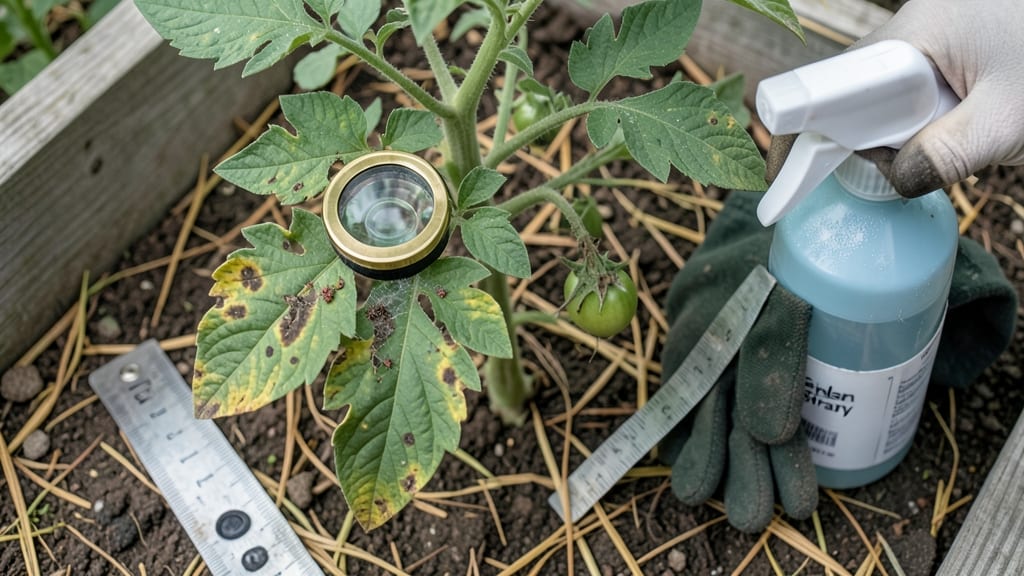
Your tomato plants are sending distress signals through the tomato leaf problems photos—and ignoring them costs you the harvest. 🌱 I’ve spent years diagnosing leaf problems in my garden, and these seven issues show up more often than you’d think, each with its own telltale pattern.
The good news? Most can be fixed before they ruin your plants.
From the brown, crusty patches of early blight to the yellow, curled leaves of spider mites, every problem has a visual fingerprint. I’ll walk you through how to spot them early—before they spread—and what to do next, whether it’s pruning, spraying, or adjusting your watering routine.
No guesswork, just actionable fixes.
By the end, you’ll recognize these issues faster than you can say “lost crop.” The key is catching them early, and I’ve included the most common red flags so you can act before your plants throw in the towel. Let’s get those leaves healthy again.
This works for backyard gardens, containers, or even balcony setups—just match the solution to the problem. Ready to save your tomatoes?
Root Causes Behind Leaf Troubles
Tomato plants are resilient, but their leaves often send distress signals when something’s off. Understanding the why behind these issues is the first step to saving your harvest. Below, we break down the most common culprits—from microscopic invaders to environmental missteps—and explain the science behind the damage.
---
Fungal pathogens thrive in warm, humid conditions and can turn your tomato leaves into a buffet. Here’s how they strike:
- Early Blight (Alternaria solani) - Why it happens: This fungus spreads via infected plant debris or contaminated soil.
Spores splash onto leaves during watering or rain, germinating when temperatures hover between 60–85°F (15–29°C) and humidity stays high. - Science behind the spots: The fungus produces dark, concentric rings (like a bullseye) because it secretes toxins that kill plant cells in waves.
The center dies first, while the edges remain alive—until the fungus expands. - Actionable clue: Look for tan or brown spots with darker borders on lower leaves. If ignored, stems may darken and crack.
- Late Blight (Phytophthora infestans) - Why it happens: A water-loving fungus that spreads rapidly in cool (50–77°F / 10–25°C), wet conditions.
Unlike early blight, it can infect both leaves and fruit overnight. - Science behind the rot: This pathogen produces zoospores—tiny, swimming spores that infect through stomata (leaf pores) or wounds.
It thrives in stagnant water, making overhead watering a recipe for disaster. - Actionable clue: Oily, greasy-looking spots that turn brown and necrotic. Leaves may develop a "halo" effect where the edges curl upward.
- Powdery Mildew (Oidium spp.) - Why it happens: A fungal spore that loves dry heat (75–85°F / 24–29°C) with poor airflow.
It doesn’t need water to spread—just dusty leaves and crowded plants. - Science behind the white dust: The fungus forms a mycelial mat (a network of threads) that smothers leaves, blocking sunlight and photosynthesis.
It’s not just unsightly; it reduces yield by up to 50%. - Actionable clue: White, powdery patches (like sprinkled flour) on upper leaves. Leaves may yellow and crisp if severe.
---
Bacteria move quickly and can turn a healthy plant into a mushy mess in days. Here’s how they exploit weaknesses:
- Bacterial Spot (Xanthomonas perforans) - Why it happens: Spreads via water, tools, or infected seeds.
Thrives in warm (75–90°F / 24–32°C), rainy conditions, especially when leaves stay wet for 4+ hours. - Science behind the lesions: Bacteria inject enzymes that break down cell walls, creating water-soaked spots that turn brown and develop a greasy texture.
Over time, spots develop tiny black centers (like tiny craters). - Actionable clue: Small, circular spots (1/16–1/4 inch) with watery edges. Fruit may develop scars or cracks.
- Bacterial Speck (Pseudomonas syringae pv. tomato) - Why it happens: Survives in plant debris and soil, then hitches rides on wind or splashing water. Loves cool (60–75°F / 15–24°C) nights. - Science behind the specks: Bacteria clog stomata, causing tiny (1–3mm) dark spots with yellow halos.
Unlike fungal spots, these don’t have concentric rings. - Actionable clue: Pimple-like bumps that ooze bacterial fluid when crushed. Leaves may develop yellow veins before dropping.
---
Not all leaf problems come from pathogens—some are caused by voracious pests that chew, suck, or pierce tissue.
- Aphids & Spider Mites - Why it happens: These sap-suckers multiply exponentially in hot, dry weather (80°F+ / 27°C+).
Aphids excrete honeydew (a sticky sugar waste), which attracts sooty mold—a secondary fungal issue. - Science behind the damage: Aphids inject toxins while feeding, causing leaves to curl, yellow, and distort.
Spider mites, meanwhile, weave fine webs and cause stippling (tiny white dots) as they pierce cells. - Actionable clue: Sticky leaves, curled edges, or fine webbing on undersides. Check for tiny green/black bugs or bronze-colored stippling.
- Tomato Hornworms - Why it happens: These green caterpillars (up to 4 inches long) are nighttime munchers that can devour a whole leaf overnight.
They thrive in warm, humid climates. - Science behind the holes: Hornworms secrete saliva with enzymes that dissolve plant tissue, leaving irregular, jagged holes with frass (black droppings) nearby. - Actionable clue: Large, ragged holes with no chewed edges (they swallow leaves whole).
Look for green caterpillars with white stripes or black horn-like protrusions.
---
Sometimes, the problem isn’t an invader—it’s your growing conditions. Here’s how tomatoes react to environmental missteps:
- Overwatering & Poor Drainage - Why it happens: Tomatoes hate soggy feet.
Overwatering leads to root rot (Phytophthora or Pythium), which cuts off nutrient flow, causing yellowing leaves (chlorosis). - Science behind the wilting: Roots suffocate in waterlogged soil, triggering ethylene production (a stress hormone that causes leaf drop).
Leaves may also develop brown, mushy edges. - Actionable clue: Bottom leaves yellow first, then wilt. Tap the soil—if it’s muddy for 2+ inches down, you’re overwatering.
- Nutrient Deficiencies The Silent Starvers - Why it happens: Tomatoes are heavy feeders and need a balanced diet.
Deficiencies show up as specific leaf symptoms: - Nitrogen (N) deficiency: Yellowing lower leaves (oldest first) with green veins. Why? Nitrogen fuels leaf growth—without it, the plant cannibalizes older leaves. - Potassium (K) deficiency: Brown, crispy leaf edges (like "scorched" tips). Why? Potassium regulates water balance; without it, cells lose turgor pressure and die. - Magnesium (Mg) deficiency: Interveinal chlorosis (yellowing between veins). Why? Magnesium is central to chlorophyll production—leaves turn yellow because they can’t photosynthesize. - Actionable clue: Check leaf patterns—is yellowing even or patchy? Is it oldest or youngest leaves first?
- Sun Scorch & Heat Stress - Why it happens: Tomatoes wilt in direct sun during heatwaves (90°F+ / 32°C+). Leaves lose water faster than roots can replace it, leading to oxidative stress. - Science behind the burn: High temperatures denature enzymes in leaves, disrupting photosynthesis.
Cells burst from dehydration, causing brown, papery patches. - Actionable clue: Leaves develop bronze or white patches on sun-exposed sides. Wilting is worse in afternoon heat.
---
💡 Pro Tip: Keep a plant symptom journal—note leaf patterns, weather, and watering habits. Many issues (like nutrient deficiencies) mimic diseases, so eliminate environmental causes first** before reaching for fungicides.
Quick Fixes for Tomato Leaf Troubles
Got a tomato plant looking worse for wear? Don’t panic—most leaf problems have simple, effective solutions.
Below, we’ll match your plant’s symptoms to the right treatment, so you can get it back to producing juicy, healthy tomatoes in no time. 🍅💪 Plus, we’ll share pro tips to keep your plants thriving long-term.
---
Signs: Dark spots with yellow halos, white powdery coatings, or crispy brown edges.
How to Fix It: - 🔥 Remove infected leaves immediately – Snip off damaged foliage with clean scissors and dispose of it in the trash (not your compost!). This stops the spread. - 🍳 Spray with a fungicide – Use a copper-based spray (like Cupric Hydroxide) or a baking soda solution (1 tbsp baking soda + 1 quart water + a few drops of dish soap). Reapply every 7–10 days. - 👨🍳 Improve airflow – Space plants 18–24 inches apart and prune lower leaves to reduce humidity near the soil. - ⏰ Water in the morning – Wet leaves at night invite fungi. Use drip irrigation or water at the base instead.
Prevention Tips: ✨ Rotate crops – Don’t plant tomatoes in the same spot yearly. 🌡️ Avoid overhead watering – Keep foliage dry. 🎯 Choose resistant varieties – Look for tomatoes labeled "VFN" (resistant to verticillium, fusarium, and nematodes).
---
Signs: Tiny bugs, webbing, chewed leaves, or black frass (poop) on leaves.
How to Fix It: - 🔪 Handpick hornworms – These green caterpillars can devour a plant overnight. Drop them in soapy water. - 🍳 Blast pests off with water – A strong spray from the hose dislodges aphids and mites. - 👨🍳 Introduce natural predators – Ladybugs and lacewings eat aphids; buy them online or attract them with neem oil sprays (1 tbsp neem oil + 1 tsp mild soap per quart of water). - 🥘 Use row covers – Lightweight fabric keeps pests out while letting sunlight and water through.
Prevention Tips: 💡 Inspect plants weekly – Catch infestations early. 🔥 Interplant with basil or marigolds – These repel pests naturally. ✨ Avoid broad-spectrum pesticides – They kill beneficial insects too.
---
Signs: Drooping leaves, roots poking out of the soil, or a sour smell.
How to Fix It: - ⏰ Adjust your watering schedule – Tomatoes need 1–1.5 inches of water per week. Water deeply but less frequently. - 🍳 Check the soil – Stick your finger 1–2 inches down; if it’s soggy, hold off on watering. - 👨🍳 Improve drainage – Mix compost or perlite into heavy clay soil, or repot in a container with drainage holes. - 🥘 Prune lower leaves – This helps air circulate and reduces rot risk.
Prevention Tips: 📊 Use a moisture meter – Avoid guessing. 💪 Mulch around plants – Keeps soil moist but prevents waterlogging. 🌱 Choose well-draining soil – A mix of potting soil, compost, and sand works well.
---
Signs: White or brown patches on leaves, especially in hot afternoons.
How to Fix It: - 🍳 Provide afternoon shade – Use a shade cloth (30–50%) or move potted tomatoes to a spot with morning sun only. - 👨🍳 Water deeply in heatwaves – Mulch helps retain moisture and protects roots. - 🥘 Harvest early – Pick tomatoes when they’re slightly green to ripen indoors.
Prevention Tips: 🎯 Plant in late spring – Avoid peak summer heat if possible. 🌡️ Use reflective mulch – White plastic or gravel bounces light away from leaves. ✨ Choose heat-tolerant varieties – ‘Solar Fire’ or ‘Heatmaster’ tomatoes handle the heat better.
---
Signs: Pale yellow leaves (nitrogen), purple stems (phosphorus), or weak stems (potassium).
How to Fix It: - 🍳 Feed with balanced fertilizer – Use a 10-10-10 or 5-5-5 formula every 2–3 weeks during growing season. - 👨🍳 Add compost or worm castings – For a slow-release organic boost. - 🥘 Fix specific deficiencies: - Yellow leaves? Try Epsom salt (1 tbsp per gallon of water) for magnesium. - Purple stems? Use bone meal for phosphorus.
Prevention Tips: 💡 Test your soil – A simple kit ensures you’re not over- or under-fertilizing. 🔥 Don’t overdo nitrogen – Too much leads to leafy growth but few tomatoes. 🌱 Rotate crops – Tomatoes deplete soil nutrients; replenish with compost.
--- Pro Tip: 🌟 When in doubt, start with the basics—good airflow, proper watering, and regular checks. Most tomato problems fix themselves with a little TLC!
Frequently asked questions
How can I tell if my tomato leaf spots are fungal or bacterial?
Check the spot patterns: fungal spots (like early blight) often have concentric rings and appear dry, while bacterial spots (like bacterial spot) look water-soaked with greasy edges. Fungal spots usually start on lower leaves, while bacterial spots can appear anywhere. Crush a spot—if it oozes yellow fluid, it’s bacterial.
What’s the fastest way to stop powdery mildew from spreading?
Remove all infected leaves immediately, then spray with a baking soda solution (1 tbsp baking soda + 1 quart water + dish soap). Improve airflow by spacing plants 18–24 inches apart and watering at the base in the morning. Repeat every 7–10 days until new growth appears.
Why are my tomato leaves curling, but there are no visible pests?
Curling can signal heat stress, nutrient deficiency (like potassium), or viral infection. Check for bronze patches (heat stress) or crispy edges (potassium deficiency). If no other symptoms appear, try shading the plant or adding Epsom salt (1 tbsp/gallon) for magnesium.
Can I save a tomato plant with late blight?
Late blight spreads aggressively—remove infected plants immediately and dispose of them in the trash (not compost). Spray nearby plants with copper fungicide and avoid overhead watering. If caught early, healthy plants may recover, but severe cases require complete removal to prevent spread.
How do I know if my tomato plant needs more nitrogen or potassium?
Nitrogen deficiency shows as yellowing lower leaves with green veins, while potassium deficiency causes brown, crispy edges on older leaves. Test soil first—if pH is balanced, add compost for nitrogen or wood ash for potassium. Over-fertilizing can harm roots!