
Vegetables
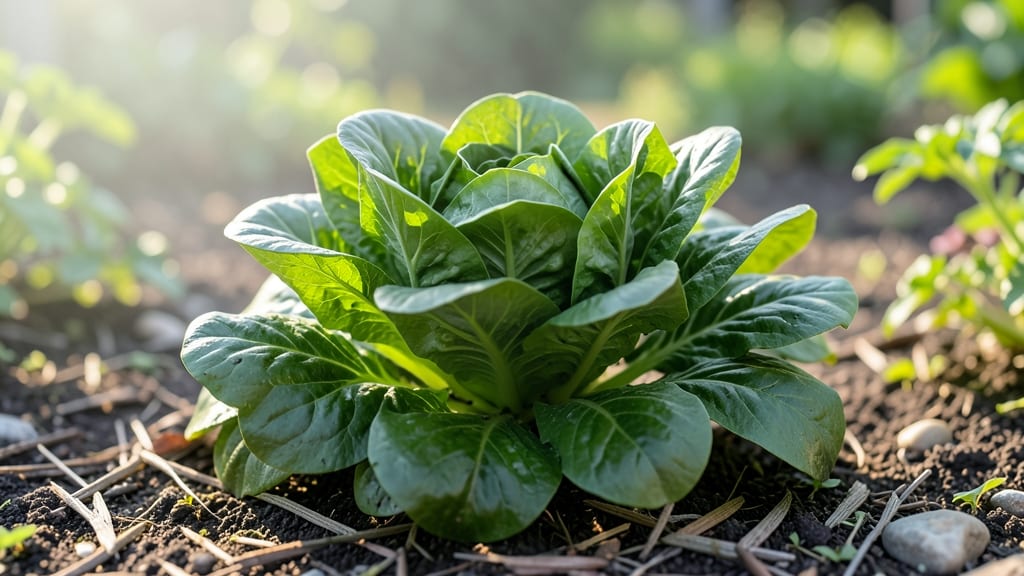
Growing dark green leaf lettuce in containers lets you enjoy crisp, homegrown greens year-round—no matter how small your space. 🌱 I’ve grown this variety for years, and the secret to its success isn’t complicated: it’s all about the right balance of light, water, and soil.
Even if you’ve struggled with bolting or bitter leaves before, this method keeps your lettuce tender and productive from spring through fall (and even winter, with a little help).
The beauty of dark green leaf lettuce is its adaptability—it thrives in containers as small as 6 inches wide, making it perfect for balconies, windowsills, or even kitchen counters. You’ll need well-draining soil, consistent moisture, and 4-6 hours of sunlight daily (more in winter).
Most people overwater, leading to limp leaves, but with the right routine, you’ll harvest crisp, flavorful greens every 3-4 weeks without the hassle of bolting.
What makes this variety special is its resilience: it handles cooler temperatures better than most lettuces, and with a simple shade cloth in summer, you can avoid the bitterness that ruins store-bought greens.
The first harvest will feel like a victory—bright green, crunchy leaves that taste fresher than anything you’ve bought. Plus, once you master the basics, you can experiment with succession planting for a never-ending supply.
Whether you’re a beginner or a seasoned gardener, this method works—even in apartments or small yards. The key is consistency, not perfection. Let’s get those containers planted and enjoy the harvest!
📚 In This Guide
- What you need
- Instructions
- Tips and common mistakes
- Wrapping up and next steps
What you need
- ● Seeds: Dark green leaf lettuce seeds (e.g., 'Black Seeded Simpson,' 'Oakleaf,' or 'Winter Density'). Aim for 20–30 seeds per container.
- ● Growing Containers: 5–10 inch deep containers (e.g., plastic pots, fabric grow bags, or window boxes) with drainage holes.
- ● 1–2 containers per 1–2 square feet of harvestable space (for spacing).
- ● Potting Mix: Lightweight, well-draining mix (e.g., 60% peat/coir + 30% perlite + 10% compost). 1–2 gallons per container.
- ● Slow-Release Fertilizer: Balanced (10-10-10 or 5-5-5) granules, 1–2 tbsp per container.
- ● Watering Can or Spray Bottle: Fine-mist nozzle for gentle watering.
- ● Seedling Trays (for pre-sprouting, if starting indoors).
- ● Garden Gloves (to protect hands from soil).
- ● pH Test Kit (ideal soil pH: 6.0–7.0).
- ● Shade Cloth (30–50% coverage for hot climates).
- ● Grow Lights (if extending the growing season indoors).
- ● Sunlight: 4–6 hours of direct sun (partial shade in hot climates).
- ● Temperature: Cool season crop—ideal temps: 45–75°F (avoid frost if possible).
- ● Consistency: Daily watering (keep soil moist but not soggy).
How to grow dark green leaf lettuce in containers
Here's the foolproof method I use to grow crisp, flavorful dark green leaf lettuce year-round—no garden required.
🪴 Step 1: Choose the Right Containers and Soil
Start with 4 containers that are at least 6 inches deep and have drainage holes—lettuce roots need room to spread but hate soggy feet. I prefer 8-inch wide pots for each plant since they allow for proper air circulation and prevent overcrowding. Fill each container with 2-3 inches of high-quality potting mix (avoid garden soil—it compacts and suffocates roots).
Tap the container gently to settle the soil without compacting it. The mix should feel light and fluffy, like a damp sponge. Add a slow-release fertilizer (like a 10-10-10 blend) mixed into the top inch of soil—this gives your lettuce a steady nutrient supply without burning tender roots. Water the soil lightly until it’s evenly moist but not saturated.
🌱 Step 2: Plant Seeds at the Correct Depth and Spacing
Sow 3-4 seeds per container, spacing them about 1 inch apart in a loose circle. Press each seed just ¼ inch deep into the soil—any deeper and they’ll struggle to break through. Cover lightly with a thin layer of additional soil or vermiculite to protect the seeds from drying out.
Mist the surface gently with a spray bottle until the soil looks uniformly damp. Avoid overwatering now—too much moisture can cause seeds to rot before they sprout. Place the containers in a warm, shaded spot (around 65-70°F) until germination. You’ll see tiny sprouts in 5-10 days, but don’t be surprised if it takes up to 2 weeks in cooler conditions.
☀️ Step 3: Provide the Right Light and Water Consistently
Once seedlings emerge, move them to a location with 4-6 hours of indirect sunlight daily. A south-facing window works well, but avoid harsh midday sun, which can scorch tender leaves. If natural light is insufficient, supplement with a grow light positioned 6-12 inches above the plants for 12-14 hours per day.
Water lightly every 2-3 days, keeping the soil evenly moist but never soggy. Stick your finger ½ inch deep into the soil—if it feels dry, it’s time to water. Use room-temperature water and avoid wetting the leaves directly to prevent fungal diseases like downy mildew. You’ll know you’re doing it right when the soil surface looks slightly damp but not glistening.
✂️ Step 4: Thin and Maintain for Maximum Crispness
When seedlings reach 2 inches tall, thin them to 1-2 per container by snipping the weakest stems at the base with clean scissors. This prevents overcrowding and ensures the remaining plants have space to develop strong, crisp leaves. After thinning, give the soil a light watering to help the remaining plants recover.
To keep lettuce crisp and flavorful, harvest outer leaves as needed rather than waiting for the whole head to mature. Use clean scissors to snip leaves ½ inch above a leaf junction—this encourages regrowth. If the center bolts (sends up a tall flower stalk), trim it back to the base and the plant may produce a second harvest. Keep containers in partial shade during hot summer months to prevent bolting.
🌿 Step 5: Rotate and Extend the Harvest Season
Every 2-3 weeks, rotate containers a quarter turn to ensure even light exposure and prevent leggy growth. This simple step keeps plants growing upright and compact. If growing in cooler months, protect containers from frost with a lightweight row cover or move them to a sheltered spot. Lettuce thrives in 50-75°F temperatures, so avoid planting during heatwaves.
With this method, you’ll enjoy continuous harvests for 6-8 weeks per planting. Once leaves start to yellow or taste bitter, it’s time to replant—lettuce is one of the easiest greens to succession plant! Store harvested leaves in a sealed container in the fridge for up to 5 days to maintain crispness.
Tips & tricks for perfect dark green leaf lettuce
These simple strategies will help you grow the crispest, most flavorful leaf lettuce possible in containers.
Container Selection: While the instructions call for 6-inch deep containers, I've found that adding a shallow tray beneath each pot catches nutrient runoff and prevents messes. This is especially helpful if you're using a 10-10-10 fertilizer blend—those nutrients can leach out quickly. For maximum air circulation, choose containers with vertical ribs or slatted sides if available, which helps prevent fungal issues in humid conditions.
Germination Boost: The 5-10 day germination window can feel like forever! To speed things up, place your containers in a sealed plastic bag with a damp paper towel for 24 hours after planting—this creates a mini greenhouse effect. After the 24 hours, remove the bag and maintain normal care. I've seen germination happen in just 3-5 days using this method, especially when keeping the soil at that ideal 65-70°F range mentioned in Step 2.
Light Optimization: When supplementing with grow lights for the required 12-14 hours, position them just 6 inches above the seedlings initially. As your lettuce grows toward the 2-inch height for thinning, gradually raise the lights to maintain that 6-12 inch distance. I use a simple timer on my grow lights to automate this—lettuce thrives on consistency, and this prevents the leggy growth that comes from uneven light exposure.
Harvesting Technique: For continuous crispness, harvest leaves in the morning when they're most hydrated. Use sharp scissors to make clean cuts at the ½ inch mark above leaf junctions—this minimizes damage to the plant and encourages bushier regrowth. I've found that harvesting every 7-10 days rather than waiting for the full 6-8 weeks actually produces more tender, flavorful leaves overall.
Pro Tips for Dark Green Leaf Lettuce
- These simple strategies will help you grow the crispest, most flavorful leaf lettuce possible in containers.
- Container Selection: While the instructions call for 6-inch deep containers, I've found that adding a shallow tray beneath each pot catches nutrient runoff and prevents messes.
- Germination Boost: The 5-10 day germination window can feel like forever!
Frequently asked questions
Got questions about growing dark green leaf lettuce? You’re not alone! Whether you’re a beginner or a seasoned gardener, these answers will help you cultivate crisp, flavorful leaves—even in containers. Let’s dive in!
How long does it take for dark green leaf lettuce to grow?
Dark green leaf lettuce is one of the fastest-growing greens! From seed, you’ll see baby leaves in about 3–4 weeks, and a full harvest-ready head in 4–6 weeks. For continuous harvests, sow new seeds every 2–3 weeks—this ensures a steady supply without gaps.
Why is my dark green leaf lettuce turning bitter or tough?
Bitter or tough lettuce is usually a sign of heat stress or overmaturity. To prevent this:
- Harvest leaves before bolting (when the center stem elongates).
- Grow in partial shade during hot summer months.
- Use shade cloth (30–50%) if temperatures exceed 75°F (24°C).
Can I grow dark green leaf lettuce indoors or in small containers?
Dark green leaf lettuce thrives in containers as small as 6–8 inches deep. Just ensure:
- Your pot has drainage holes to prevent root rot.
- You use a light, well-draining potting mix (avoid garden soil).
- It gets 4–6 hours of sunlight daily (a sunny windowsill or grow light works).
What’s the best companion plant for dark green leaf lettuce?
Dark green leaf lettuce loves companion planting to deter pests and improve growth. Pair it with:
- Carrots (repel aphids).
- Radishes (act as trap crops for flea beetles).
- Strawberries (shade the soil to keep lettuce cool).
- Avoid planting near parsley or celery, as they can stunt growth.
Can I grow dark green leaf lettuce in winter?
Yes! Dark green leaf lettuce is cold-hardy and can tolerate light frosts down to 20°F (-7°C). For winter success:
- Use row covers or cold frames to protect from harsh winds.
- Plant in late summer or early fall for a winter harvest.
- Choose winter-hardy varieties like ‘Winter Density’ or ‘Arctic King’.
Wrapping up and next steps
Growing dark green leaf lettuce in containers is a rewarding journey that brings fresh, crisp greens straight to your kitchen—no matter the season! 🌱 With the right setup, patience, and a little care, you’ll enjoy a steady harvest of vibrant, nutrient-packed leaves.
Whether you’re a beginner or a seasoned gardener, this guide proves that even small spaces can yield big results.
Ready to dive in? Start by gathering your supplies, then pick a sunny spot and get planting! Your first batch of homegrown lettuce is just a few weeks away—happy growing! 🌿