
Planting
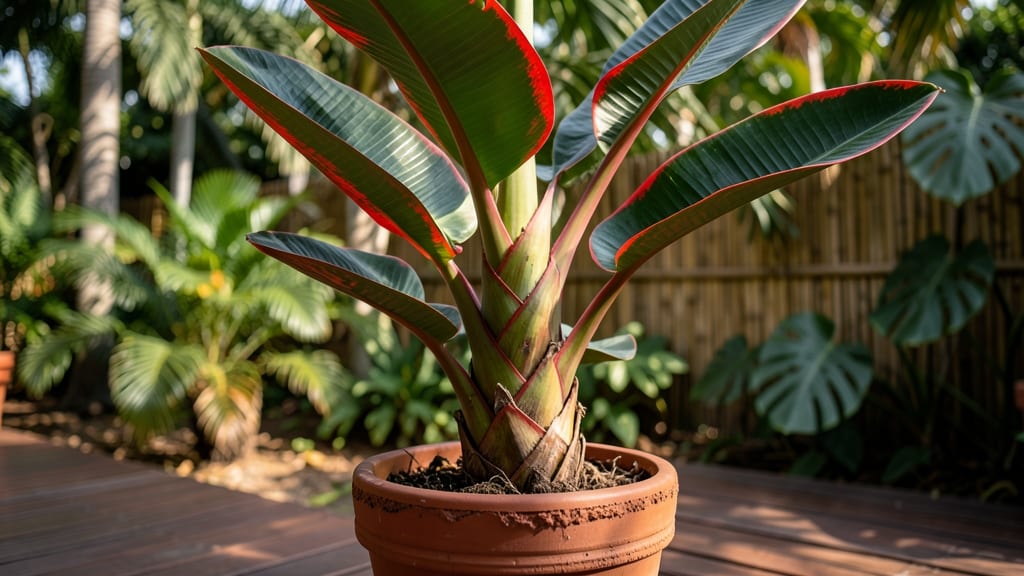
The red banana leaf plant turns any space into a lush tropical escape—even in winter. 🌿 I’ve grown mine in containers for years, and the bold burgundy foliage never fails to impress.
This plant thrives in partial shade, making it perfect for patios, balconies, or even indoor spots near bright windows.
It’s surprisingly low-maintenance once you get the basics right: well-draining soil, regular watering (but not soggy roots), and occasional fertilizer during growing seasons. The leaves can grow up to 3 feet long, creating a dramatic focal point without needing full sun.
Propagation is easy too—just divide the rhizomes in spring or start from seeds if you’re patient.
Beyond its stunning appearance, the leaves are edible (tastes like a milder banana) and make gorgeous garnishes or wraps. My plants produce new growth every 4-6 weeks, and the vibrant color stays intense all year.
The only real challenge? Watching for yellowing leaves (usually a sign of overwatering) or pests like spider mites in dry conditions.
Whether you’re a beginner or a seasoned container gardener, this plant delivers tropical drama with minimal fuss. Start with a 12-inch pot, and you’ll have a statement piece in no time. Ready to bring the jungle indoors?
📚 In This Guide
- What you need
- Instructions
- Tips and common mistakes
- Wrapping up and next steps
What you need
- ● Red banana leaf plant (Musa velutina) – 1 healthy plant (check for firm stems and vibrant leaves).
- ● Large container or pot – Minimum 12-inch diameter with drainage holes (terracotta or ceramic works best).
- ● Well-draining potting mix – 2-3 gallons of a blend for tropical plants (e.g., 60% peat moss, 30% perlite, 10% compost).
- ● Gravel or pebbles – 1-2 inches (for drainage layer at the pot’s bottom).
- ● Watering can with a narrow spout – For targeted hydration without oversaturating soil.
- ○ Fertilizer (optional but recommended) – Balanced liquid fertilizer (e.g., 10-10-10) or organic options like banana peel tea.
- ● Humidity tray or pebble tray – To mimic tropical conditions (especially in dry climates).
- ● Support stake or trellis – If your plant grows tall (red banana leaves can reach 6+ feet!).
- ● Mulch (e.g., pine bark) – Helps retain moisture and regulate soil temperature.
- ● Grow lights – If natural light is limited (LED full-spectrum bulbs work great).
Step-by-Step instructions for growing red banana leaf plants in containers
Here's my foolproof method for coaxing those stunning red banana leaves to thrive indoors.
🪴 Step 1: Select the Right Container and Drainage
Choose a container at least 12-14 inches wide with drainage holes—red banana plants hate soggy roots. I use terracotta pots because they breathe and help prevent root rot. If your container lacks holes, drill 2-3 additional ones near the bottom to ensure proper drainage.
Add a layer of 1-2 inch of gravel or broken pottery shards at the bottom before filling with potting mix. This creates space for excess water to collect and drain away from the roots. The wider the container, the more stable the plant will be as those dramatic leaves grow.
🌱 Step 2: Use the Right Soil Mix for Tropical Growth
Fill the container with a well-draining potting mix that mimics the plant's natural forest floor environment. I blend equal parts of pearlite, orchid bark, and regular potting mix for perfect aeration. This prevents compaction and allows roots to breathe.
Moisten the mix thoroughly until it feels like a damp sponge—not dripping, but holding moisture. Press down gently to settle the soil around the container's edges. The mix should be loose enough that you can easily push your finger 2 inches deep without resistance.
☀️ Step 3: Plant and Position for Optimal Light
Remove the plant from its nursery pot and gently loosen the roots if they're circling. Place it in the center of your container and fill around the sides with additional soil mix, pressing lightly to eliminate air pockets. Water immediately after planting to help settle everything.
Position your red banana plant where it gets bright, indirect light for at least 6 hours daily. A north or east-facing window works best—direct sun will scorch those beautiful leaves. If your space only has south or west light, place the plant 6 feet back from the window to diffuse the intensity.
💧 Step 4: Water and Maintain Humidity Like Its Rainforest Home
Water when the top 2 inches of soil feel dry to the touch. Stick your finger in—if it comes out clean, it's time to water. I use room-temperature water and pour until it drains freely from the bottom holes. Empty the saucer after 10 minutes to prevent root rot.
Mist the leaves 2-3 times weekly or place the pot on a tray of pebbles with water to maintain humidity. You'll know it's working when new leaves emerge with that signature deep red color. Watch for crispy leaf edges—that's your sign the air is too dry.
✂️ Step 5: Prune and Fertilize for Continuous Growth
Trim any yellow or brown leaves at the base with clean scissors. This redirects the plant's energy to new growth. I also cut back any leggy stems by one-third in early spring to encourage bushier growth. Never remove more than 25% of the foliage at once.
Feed with a balanced liquid fertilizer every 4-6 weeks during spring and summer. I use half-strength solution to avoid burning those sensitive roots. Reduce feeding in fall and winter when growth naturally slows. The key is consistency—never let the soil get bone dry between feedings.
Tips & tricks for perfect red banana leaf plant care
Between us, the difference between a thriving red banana leaf plant and one that struggles often comes down to these small but critical details. Let me share what I've learned from watching these plants transform my space.
Container Stability: In Step 1, when selecting your 12-14 inch container, consider adding a saucer underneath to catch drainage while also providing extra stability for those large leaves. I've found that wider containers (up to 16 inches) give the plant better balance, especially as the leaves grow heavier. The gravel layer you add isn't just for drainage—it also helps anchor the plant more securely in the container.
Soil Moisture Test: The 2-inch soil moisture check in Step 4 is crucial, but here's what nobody tells you—press your finger in gently rather than poking aggressively. The soil should resist slightly when you remove your finger, like a well-wrung sponge. If it crumbles apart, you're overwatering; if it feels completely dry, it's time to hydrate. This test becomes especially important during winter when growth slows and water needs change.
Light Adjustment: For that critical 6 hours of bright indirect light, I've found that rotating your plant quarter-turn every week ensures even growth. The north or east window recommendation is perfect, but if you notice leaves leaning toward one side, it's getting more light from that direction. This simple rotation prevents lopsided growth and helps those dramatic leaves develop symmetrically.
Fertilizer Timing: The 4-6 week feeding schedule in Step 5 works wonders, but here's my pro move: I always fertilize right after watering. This prevents fertilizer burn from concentrated salts in dry soil. Also, I switch to a half-strength solution during the hottest summer months when evaporation increases—this prevents salt buildup that can damage those sensitive roots over time.
Pro Tips for Red Banana Leaf Plant
- Between us, the difference between a thriving red banana leaf plant and one that struggles often comes down to these small but critical details.
- Container Stability: In Step 1, when selecting your 12-14 inch container, consider adding a saucer underneath to catch drainage while also providing extra stability for those large leaves.
- Soil Moisture Test: The 2-inch soil moisture check in Step 4 is crucial, but here's what nobody tells you—press your finger in gently rather than poking aggressively.
Frequently asked questions
Got questions about growing your own red banana leaf plant? You’re not alone! Here are answers to the most common queries—from care tips to troubleshooting—to help you nurture lush, tropical foliage year-round.
How fast does a red banana leaf plant grow?
A healthy Musa velutina (red banana leaf plant) can grow 1-2 feet per year under ideal conditions—warmth, humidity, and bright indirect light. With consistent care, you’ll see dramatic growth in just a few months! Young plants may take longer to establish, but mature specimens thrive quickly.
Can red banana leaf plants survive winter indoors?
Yes! While they’re tropical, these plants adapt well to indoor life in winter. Keep them near a sunny window (east or south-facing) and maintain 60–75°F temperatures. Avoid drafts or cold spots—drop below 50°F, and growth slows dramatically. A humidifier or pebble tray helps mimic their natural habitat.
Why are my red banana leaves turning yellow or brown?
Yellowing leaves often signal overwatering or poor drainage, while brown edges or crispy tips usually mean low humidity or underwatering. Check soil moisture—it should stay slightly damp but never soggy. Mist leaves regularly or place the pot on a tray of water with pebbles to boost humidity. Yellow spots could also indicate fungal issues; prune affected leaves and improve airflow.
What’s the best alternative if I can’t grow red banana leaves?
If your climate or space limits red banana leaf plants, try these low-maintenance tropical alternatives:
- Calathea – Bold, patterned leaves and similar humidity needs.
- Bird-of-Paradise (Strelitzia) – Striking foliage and drought-tolerant once established.
- Alocasia – Dramatic, elephant-ear-shaped leaves for a lush look.
- Monstera deliciosa – Hardy, fast-growing, and great for beginners.
Are red banana leaves edible like regular bananas?
Nope! While the leaves of red banana plants (Musa velutina) are ornamental and non-edible, they’re not toxic to pets or humans. The plant’s fruit is tiny and inedible compared to dessert bananas. Focus on their stunning foliage—perfect for wrapping food, decor, or simply admiring their vibrant red hue!
Wrapping up and next steps
The red banana leaf plant brings a burst of tropical beauty to your space with minimal fuss—perfect for container growing! 🌿 Whether you're drawn to its striking foliage, air-purifying benefits, or low-maintenance care, this plant thrives with just the right balance of sunlight, humidity, and occasional pruning.
Now that you’re armed with everything from soil prep to troubleshooting, it’s time to roll up your sleeves and give it a try.
Start small: pot your first plant today and watch it flourish. Need inspiration? Snap a photo of your progress and tag us—we’d love to see your tropical oasis grow! 📸✨