
Flowers
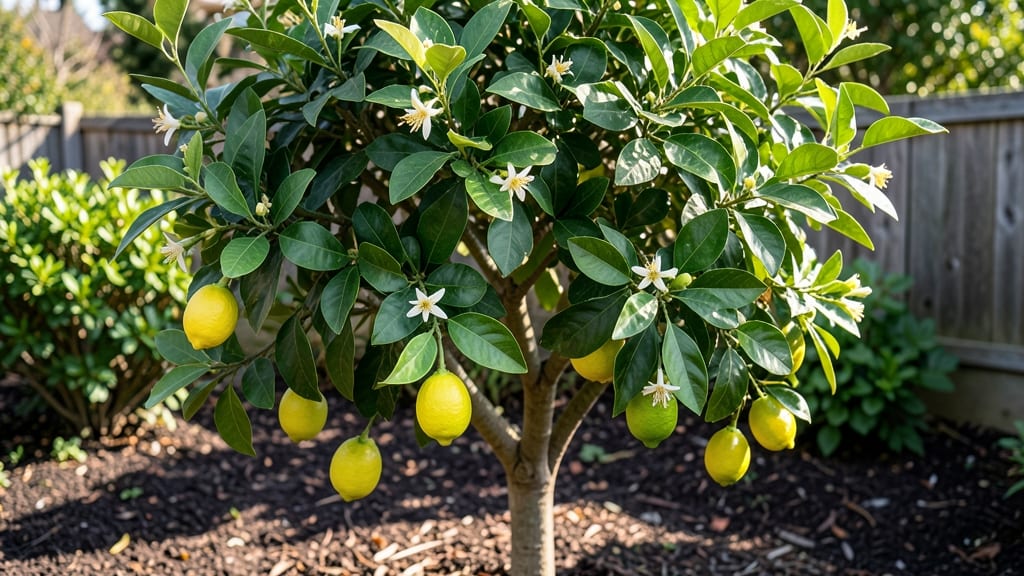
Growing lemon leaf flowers (Murraya paniculata) means fragrant white blooms and glossy citrus leaves year-round—even on your patio or balcony. 🌿 The secret is treating it like a tropical houseplant: bright light, well-draining soil, and just enough water to keep roots happy without soggy pots.
My first lemon leaf flower struggled until I moved it into morning sun and cut back on watering—now it blooms nonstop from spring through fall. This plant thrives in containers, making it perfect for small spaces or renters.
You’ll need a pot with drainage, a mix of potting soil and perlite, and a spot that gets at least 6 hours of sunlight daily. The fragrance alone—like a cross between lemon and jasmine—makes it worth the effort, and the glossy foliage adds texture to any setting.
Pruning after blooms encourages bushier growth and more flowers next season. I snip leggy stems in early spring, and by summer, it’s a compact, flowering powerhouse. The best part? It’s frost-sensitive, so bring it indoors before temperatures drop below 35°F—or grow it as an annual in colder climates.
Whether you want fragrant cuttings for bouquets or a low-maintenance container star, this guide covers everything from soil prep to winter care. Let’s get those blooms going!
📚 In This Guide
- What you need
- Instructions
- Tips and common mistakes
- Wrapping up and next steps
What you need
- ● Lemon leaf flower plant: 1 healthy nursery-grown plant (3–6 inches tall) or
- ● Seeds (fresh or dried) or
- ● 6–8-inch cuttings with 2–3 leaf nodes (from a mature plant)
- ● Container: 1–2 ceramic, terracotta, or fabric pots (12–16 inches in diameter) with drainage holes
- ○ Optional: Self-watering pot for low-maintenance care
- ● Potting mix: 1 bag (5–10 quarts) of well-draining cactus/succulent mix or regular potting soil amended with:
- ● 20% perlite or pumice (for aeration)
- ● 10% coarse sand (to prevent compaction)
- ● Tools: Pruning shears (sterilized with rubbing alcohol)
- ● Small hand trowel
- ○ Glove (optional, for handling thorns)
- ● Slow-release fertilizer (balanced 10-10-10 or citrus-specific)
- ● Rooting hormone (for cuttings)
- ● Mulch (orchid bark or pine needles for humidity retention)
- ● Support stake or trellis (if training as a small tree)
- ● pH test kit (ideal soil pH: 6.0–7.0)
Step-by-Step instructions for growing lemon leaf flowers in containers
Here's how to coax those fragrant, citrus-scented blooms year-round with minimal fuss.
🪴 Step 1: Choose the Right Container and Soil Mix
Select a pot with drainage holes that's at least 6 inches deep—lemon leaf flowers need room for roots but hate soggy feet. I use 8-inch terracotta pots for my plants because they breathe better than plastic. Fill the bottom with 2 inches of small gravel to create a drainage layer that prevents root rot.
Mix 2 parts potting soil with 1 part perlite for extra aeration. Lemon leaf flowers thrive in slightly acidic soil, so add ½ teaspoon of sulfur per pot if your soil tests neutral. Fill the pot to 1 inch below the rim—this leaves room for watering without overflow. Press the mix down gently so it's firm but not compacted.
☀️ Step 2: Plant and Position for Bright, Indirect Light
Dig a hole in the center of the pot twice as wide as the root ball of your lemon leaf flower. Gently remove the plant from its nursery pot and loosen the roots if they're circling. Place it in the hole so the top of the root ball sits ½ inch below the soil line—this ensures stability and encourages new root growth.
Backfill with your soil mix, pressing lightly around the edges to remove air pockets. Water thoroughly until moisture runs out the drainage holes. Position the pot in bright, indirect light—think east-facing window or 3 feet from a south window. Direct sun will scorch the delicate leaves, while too little light stunts blooms. You'll know it's right when new leaves emerge bright green and glossy within a week.
💧 Step 3: Water and Feed for Continuous Blooms
Water when the top inch of soil feels dry—stick your finger in to check. Lemon leaf flowers prefer consistent moisture but won't tolerate soggy soil. I water mine every 5-7 days in spring/summer, reducing to every 10-14 days in winter when growth slows. Always water at the base to avoid fungal issues on the leaves.
Feed every 4-6 weeks with a balanced liquid fertilizer (10-10-10) diluted to half strength. The key is consistency over quantity—overfeeding leads to salty soil and leaf burn. You'll see the difference in vibrant new growth and frequent blooms within a month of regular feeding. Deadhead spent flowers by pinching them off at the base—this redirects energy to new blooms instead of seed production.
✂️ Step 4: Prune and Rotate for Bushier Growth
Trim back leggy stems by ⅓ their length in early spring to encourage bushier growth. Use clean pruners to cut just above a leaf node—this is where new branches will sprout. I prune mine after the last frost when new growth is already starting. Avoid heavy pruning in fall, as the plant needs energy to prepare for dormancy.
Rotate the pot a quarter turn weekly so the plant grows evenly toward the light. You'll notice one side leaning? That's your cue to move it. Prune again in midsummer if growth gets too dense—aim for an open, airy shape that lets light and air circulate. This prevents fungal issues and keeps blooms coming.
⏰ Step 5: Adjust Care for Year-Round Blooms
In winter, reduce watering to every 10-14 days and stop fertilizing entirely. Lemon leaf flowers go semi-dormant but stay evergreen. Keep them in the brightest spot you have—even a north window works if supplemented with a grow light for 6 hours daily. You'll see slower growth but no leaf drop if conditions are right.
Bring pots outside in spring or fall for fresh air, but avoid temperatures below 50°F. I move mine to a shaded patio in summer, bringing them back inside before the first frost. The transition should be gradual—1 hour outside daily for the first week, then increase. Watch for new leaves emerging as a sign the plant's adjusting well to its new environment.
Tips & tricks for perfect lemon leaf flower care
Between us, these little details make all the difference for keeping your lemon leaf flowers thriving year-round.
Container Breathing: Terracotta pots are my go-to because they wick moisture away from roots, but if you use plastic, drill extra drainage holes—lemon leaf flowers will reward you with better blooms when they don't sit in soggy soil. The 2-inch gravel layer in Step 1 isn't just for looks; it's what prevents that dreaded root rot that kills so many container plants.
Light Positioning: That east-facing window recommendation in Step 2 is perfect, but here's what nobody tells you—rotate your pot quarter turn weekly (as mentioned in Step 4) to prevent lopsided growth. I've seen plants grow all leaves on one side when left stationary, and it's not pretty. Also, if your south window gets too intense, use a sheer curtain to diffuse the light before the leaves start looking sunburned.
Watering Wisdom: The finger-in-soil test from Step 3 works, but I've found that lemon leaf flowers actually prefer slightly drier conditions than most tropical plants. Let the top inch dry out completely before watering again—this prevents the fungal issues that can creep in when soil stays too damp. In winter, when you're reducing to every 10-14 days, check the moisture deeper—stick your finger down to the second knuckle to ensure it's not staying wet.
Fertilizer Timing: That 4-6 week feeding schedule in Step 3 is spot-on, but here's my secret: I always fertilize right after watering. This prevents the fertilizer from burning the roots when the soil is dry. And when you see those first bright green leaves after feeding, that's your plant saying "thank you!"—don't miss that visual cue that you're doing it right.
Pro Tips for Lemon Leaf Flower
- Between us, these little details make all the difference for keeping your lemon leaf flowers thriving year-round.
- Container Breathing: Terracotta pots are my go-to because they wick moisture away from roots, but if you use plastic,...
- Light Positioning: That east-facing window recommendation in Step 2 is perfect, but here's what nobody tells you—rota...
Frequently asked questions
How long does it take for a lemon leaf flower to bloom after planting?
A healthy lemon leaf flower plant typically takes 1–3 years to produce its signature white, fragrant blooms, depending on growing conditions. Young plants may take longer, but proper sunlight (6+ hours/day), well-draining soil, and regular pruning can speed up the process. Patience pays off—once established, they bloom year-round in warm climates!
Why aren’t my lemon leaf flowers blooming?
No blooms? Check these common culprits:
- Lack of sunlight: These plants crave full sun—move them to a sunnier spot.
- Over-fertilizing: Too much nitrogen = leafy growth, not flowers. Use a balanced 10-10-10 fertilizer lightly in spring.
- Stress: Sudden temperature drops or underwatering can halt blooming. Keep soil consistently moist (not soggy).
Can I grow lemon leaf flowers indoors year-round?
With the right setup:
- Place near a south-facing window or use grow lights (12+ hours/day).
- Use a well-draining potting mix (add perlite or sand to prevent root rot).
- Mimic outdoor temps: Keep indoors at 60–80°F and avoid drafts.
What’s a good alternative if lemon leaf flowers are hard to find?
If you love fragrant, low-maintenance bloomers, try these container-friendly substitutes:
- Jasmine (Jasminum): Sweet-scented white flowers, thrives in pots.
- Gardenia (Gardenia jasminoides): Creamy blooms and glossy leaves (needs slightly acidic soil).
- Plumeria (Frangipani): Tropical, fragrant, and drought-tolerant.
- Sweet Alyssum (Lobularia maritima): Tiny white flowers with a honey-like scent (great for borders).
Are lemon leaf flowers toxic to pets?
Yes, they’re toxic to cats and dogs if ingested. The leaves and flowers contain coumarin and other compounds that can cause:
- Drooling
- Vomiting
- Lethargy
Wrapping up and next steps
Growing lemon leaf flowers in containers is a rewarding journey that brings vibrant blooms and fragrant beauty to your space—no matter the season! 🌸 With the right mix of sunlight, soil, and care, you’ll enjoy their cheerful faces year-round.
Whether you’re a beginner or a seasoned gardener, this plant is forgiving and full of surprises.
Ready to dive in? Start small—pick a sunny spot, gather your supplies, and give it a try! If you loved these tips, explore expanding your container garden or experimenting with companion plants to create a thriving mini ecosystem. Happy gardening! 🌱