
Pests and Diseases
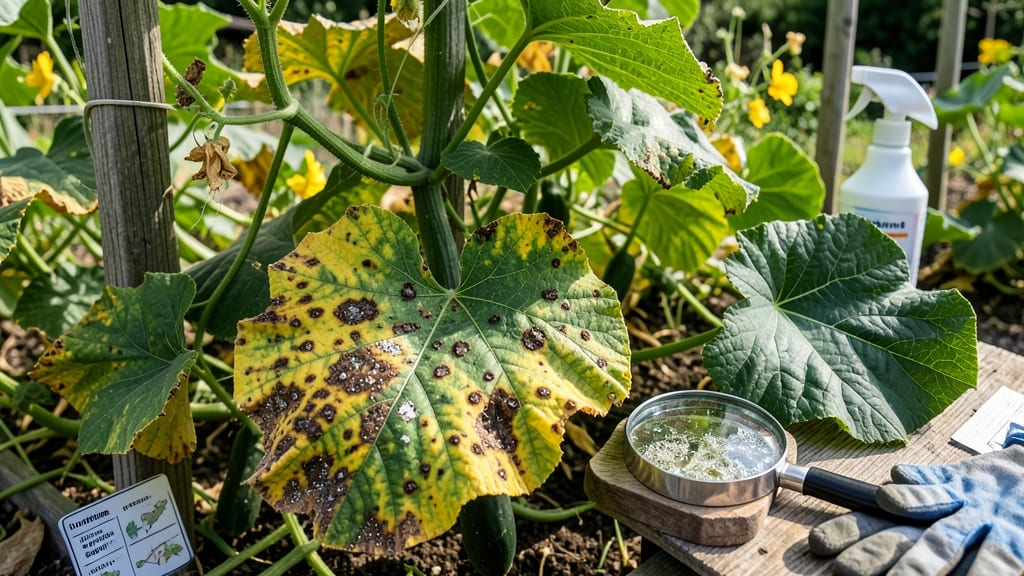
Cucumber leaf disease can turn your thriving vines into a sad, spotted mess in days. 🌿 I’ve seen powdery mildew turn crispy leaves white overnight, and downy mildew leave yellow patches that spread like wildfire.
The good news? You can spot it early, stop it fast, and keep your harvest safe.
Most leaf diseases start with poor airflow or wet foliage—too much shade, crowded plants, or watering from above. I learned the hard way when my cucumbers got bacterial spot after a rainy week.
The key is catching it early: check undersides of leaves for fuzzy growth (powdery mildew) or yellow spots (downy mildew).
Once you spot it, act fast: prune infected leaves, space plants wider, and water at the base. Neem oil or copper spray works for fungal issues, while a baking soda mix tackles bacterial spots. With these steps, you’ll keep your vines strong and your harvests crisp.
Prevention is easier than cure—choose disease-resistant varieties, rotate crops, and keep your garden tidy. A little effort now means no more wilting vines later. Let’s get your cucumbers back to thriving!
Root Causes Of Leaf Fungus
Cucumber leaf diseases—especially those caused by fungal pathogens—don’t strike randomly. They thrive when specific conditions align, turning your garden into a fungal buffet. Understanding these triggers is the first step to stopping the spread in its tracks.
Below, we break down the primary culprits behind leaf discoloration, spots, and rot, along with the science behind their success.
Fungi like Pseudoperonospora cubensis (downy mildew) and Colletotrichum orbiculare (anthracnose) are water-loving opportunists. Here’s why excess moisture is their secret weapon:
- Spores need water to germinate: Fungal spores land on leaves but remain dormant until humidity or free water triggers germination. Even morning dew or overhead irrigation can activate them.
- Poor air circulation = fungal paradise: Dense foliage traps moisture, creating a microclimate where spores thrive. Botrytis cinerea (gray mold) exploits this by spreading via water droplets on leaf surfaces.
- Wet leaves stay wet longer: Fungi like Alternaria (early blight) produce toxins that weaken plant tissue, making leaves more susceptible to prolonged moisture—think of it as a fungal "softening" process before infection.
Actionable fix: Aim for 60-70% humidity during the day and avoid watering leaves (use drip irrigation or soaker hoses). Space plants for airflow and harvest promptly to reduce leaf wetness.
A stressed cucumber plant is like an open invitation for fungi. Weakened defenses make it easier for pathogens to colonize leaves. Common stress factors include:
| Stress Type | How It Helps Fungi |
|---|---|
| Nutrient deficiencies (especially nitrogen or potassium) | Thin, yellowing leaves lack the energy to fight off infections. Fusarium wilt exploits this by invading vascular tissues. |
| Overcrowding | Competition for light and nutrients weakens plants, while poor airflow traps spores. Powdery mildew thrives in these shaded, damp conditions. |
| Physical damage (e.g., hail, pests, or rough handling) | Open wounds provide entry points for Didymella bryoniae (gummy stem blight), which causes oozing lesions. |
| Temperature extremes (too hot or too cold) | Sudden temperature swings (e.g., nighttime chills) shock plants, reducing their ability to resist Cercospora (target spot). |
Actionable fix: Maintain balanced soil fertility (test pH: 6.0-6.8 for cucumbers), thin plants for sunlight, and use row covers to protect from hail or pests. Avoid sudden water or temperature changes.
Fungal spores are persistent. They can survive in soil for years or hitchhike on garden tools, waiting for the right moment to strike. Key sources of contamination:
- Old crop residues: Infected leaves left in the soil release spores into the air or water. Sclerotinia sclerotiorum (white mold) produces long-lived sclerotia (hard, resting structures) that reinfect new plants.
- Reused or shared tools: Pruners, trellises, or stakes contaminated with Cladosporium (leaf spot) can transfer spores to healthy plants.
- Compost or manure not fully decomposed: Fresh organic matter can harbor Phytophthora spores, which cause root rot and leaf blight.
Actionable fix: Rotate crops annually (avoid planting cucumbers in the same spot for 3+ years). Sterilize tools with 70% isopropyl alcohol or a 10% bleach solution. Remove and destroy infected plant debris immediately.
Some pests don’t just damage leaves—they spread fungal diseases like a taxi service. For example:
- Aphids: Their honeydew (sugary excretions) feeds powdery mildew and sooty mold, creating a sticky surface where spores land and thrive.
- Cucumber beetles: They transmit bacterial wilt and Fusarium while feeding, but their frass (droppings) also creates a moist environment for Alternaria spores.
- Spider mites: Their feeding weakens leaves, making them prime targets for Botrytis (gray mold).
Actionable fix: Monitor for pests regularly and use neem oil or insecticidal soap to control populations. Introduce beneficial insects like ladybugs or lacewings to keep pests in check naturally.
Fungi are weather-dependent. Certain conditions create the perfect storm for outbreaks:
- Cool, wet springs: Downy mildew spreads rapidly in temperatures between 60-75°F (15-24°C), especially with overnight dew.
- Hot, humid summers: Powdery mildew thrives in temperatures above 75°F (24°C) with high humidity, forming white, powdery colonies on leaves.
- Frequent rain or overhead irrigation: Each raindrop can splash spores from the soil onto leaves, increasing infection rates.
Actionable fix: Choose disease-resistant cucumber varieties (e.g., 'Straight Eight' for downy mildew resistance). Use mulch to reduce soil splashing and water early in the morning to allow foliage to dry quickly.
Quick Fixes for Fungal Foliage Fails
When your cucumber plants start showing signs of leaf disease—yellowing, spots, or wilting—acting fast is key to saving your harvest. Below, we’ve mapped out practical solutions for the most common causes, from fungal infections to environmental stressors. Follow these steps to revive your plants and prevent future outbreaks.
Fungi like Alternaria, Powdery Mildew, or Downy Mildew thrive in damp conditions. Here’s how to tackle them:
🔥 Remove Infected Leaves (The First Line of Defense)
- How: Snip off yellowed, spotted, or moldy leaves with clean pruning shears. Dispose of them in the trash (not compost)—fungi can survive in compost piles.
- Why: Removing infected foliage reduces spores and prevents the disease from spreading to healthy leaves.
- Pro Tip: 💡 Sterilize your shears with rubbing alcohol (70% or higher) between cuts to avoid cross-contamination.
🌡️ Boost Airflow and Light
- How: Space plants 12–18 inches apart to improve air circulation. If growing in containers, thin out crowded vines. Prune excess foliage to let sunlight reach lower leaves.
- Why: Fungi love humidity and shade. Good airflow dries leaves faster, making it harder for spores to germinate.
🍳 Apply Fungicidal Sprays (Organic or Chemical)
Choose a spray based on your preference and the severity of the infection:
| Option | How to Use | Best For |
|---|---|---|
| Neem Oil | Mix 1 tbsp neem oil + 1 tsp mild soap + 1 quart water. Spray leaves (top and bottom) every 7–10 days. | Early-stage fungal infections. |
| Baking Soda Spray | Dissolve 1 tbsp baking soda + 1 tbsp oil (like vegetable or mineral oil) in 1 gallon water. Spray weekly. | Powdery mildew prevention. |
| Copper Fungicide | Follow label instructions for concentration. Spray in the evening to avoid leaf burn. | Severe or persistent fungal outbreaks. |
- Pro Tip: ✨ For best results, spray in the early morning or late evening when humidity is lower and UV exposure is minimal.
🌱 Strengthen Plant Immunity
- How: Feed your cucumbers with a balanced fertilizer (like 10-10-10) or compost tea to boost their natural defenses. Avoid over-fertilizing with nitrogen, which weakens plants.
- Why: Healthy plants resist diseases better. Aim for slow, steady growth rather than rapid, weak shoots.
Waterlogged soil invites fungal growth and root rot. Here’s how to fix it:
👨🍳 Check Your Watering Routine
- How: Water cucumbers deeply once or twice a week (depending on climate) rather than daily shallow waterings. Aim for 1–1.5 inches of water per week.
- Why: Overwatering keeps leaves damp for too long, creating the perfect fungal buffet.
- Pro Tip: 🎯 Use a moisture meter or the "finger test" (stick your finger 1–2 inches into the soil) to check if it’s time to water.
🔪 Improve Soil Drainage
- How: Amend heavy or clay soil with compost or perlite to create air pockets. If planting in containers, use pots with drainage holes and a mix of potting soil and sand (20% sand).
- Why: Well-draining soil prevents water from pooling around roots, reducing the risk of rot and fungal growth.
⏰ Adjust Your Schedule
- How: Water in the morning so leaves dry quickly. Avoid evening watering, especially in humid climates.
- Why: Evening moisture lingers overnight, increasing fungal risk.
Heat stress, cold snaps, or sudden changes can weaken cucumbers, making them susceptible to disease.
🌡️ Regulate Temperature and Humidity
- How:
- Keep cucumbers in temperatures between 60–90°F (15–32°C). Use shade cloth (30–50% coverage) if temps exceed 90°F.
- Reduce humidity with a fan (set to low) or by spacing plants further apart.
- Why: Extreme conditions stress plants, lowering their resistance to diseases.
🌱 Mulch to Protect Roots
- How: Apply 2–3 inches of organic mulch (straw, grass clippings, or wood chips) around the base of plants. Keep mulch away from stems to prevent rot.
- Why: Mulch retains moisture in the soil (reducing the need for frequent watering) and keeps roots cool, reducing stress.
Once you’ve treated the problem, take these steps to stop it from returning:
- 🌱 Rotate Crops: Avoid planting cucumbers (or other cucurbits like squash and melons) in the same spot next year. Fungal spores linger in the soil.
- 🧼 Clean Tools and Beds: Sterilize pruners, trellises, and containers with a 10% bleach solution (1 part bleach to 9 parts water) between uses.
- 🌿 Choose Resistant Varieties: Opt for disease-resistant cucumber seeds (look for labels like "Powdery Mildew Resistant" or "Downy Mildew Resistant").
- 🍃 Monitor Regularly: Inspect leaves weekly for early signs of disease. Catch it early, and treatment is easier!
With these targeted fixes, your cucumber plants should bounce back in no time. Remember: prevention is the best cure—stay vigilant, and your garden will thrive!
Frequently asked questions
What’s the difference between powdery mildew and downy mildew on cucumber leaves?
Powdery mildew appears as a white, powdery coating on both sides of leaves, while downy mildew shows up as yellow spots on top and fuzzy gray growth on the undersides. Powdery mildew thrives in hot, dry conditions, while downy mildew loves cool, wet weather. Both spread quickly if left untreated.
Can I still harvest cucumbers if the leaves have spots or mold?
Yes, but focus on harvesting healthy fruit first. Diseased leaves can’t photosynthesize well, so the plant’s energy goes to producing cucumbers. Remove infected leaves to stop the spread, but don’t worry—cucumbers themselves rarely get infected through the leaves.
How often should I spray neem oil to prevent fungal diseases?
Spray neem oil every 7–10 days as a preventive measure, especially during humid weather. For active infections, apply it twice a week (morning or evening) until the problem clears. Always mix it with a drop of soap to help it stick to leaves.
Will copper fungicide harm beneficial insects like bees?
Copper fungicides are generally safe for bees when used correctly, but avoid spraying when flowers are open (especially during peak bee activity). Apply in the evening when pollinators are less active, and always follow label instructions for dilution and timing.
Can I save a cucumber plant if the disease has already spread to the stems?
If the disease (like gummy stem blight) has reached the stems, the plant is likely beyond saving. Remove it immediately to prevent further spread. Focus on treating nearby healthy plants and improving airflow to stop the infection from spreading to others.