
Leaf Blower
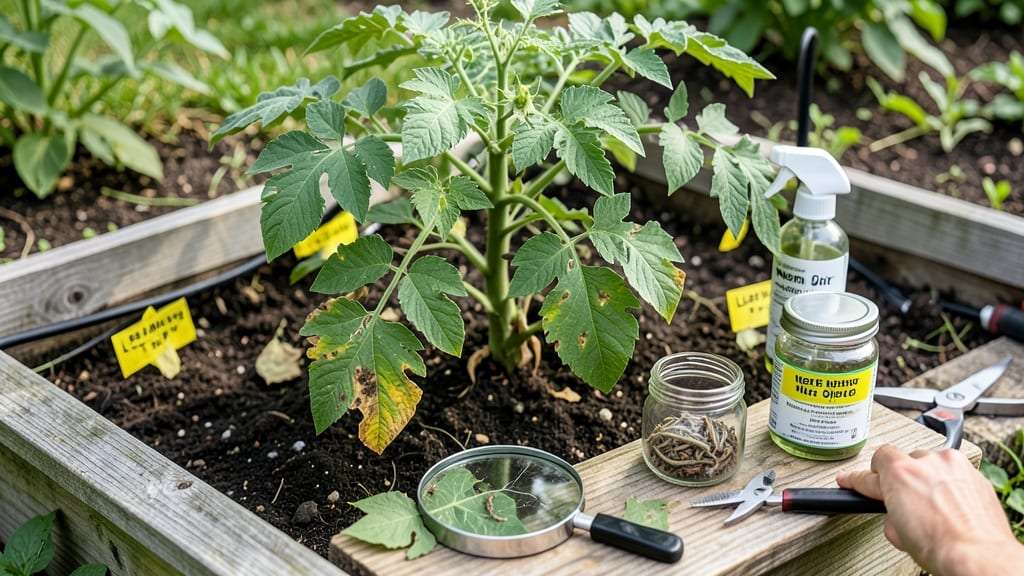
Leaf miner treatment starts with a 3-step organic spray that saves your plants before the damage spreads. 🌿 I’ve seen these tiny white trails destroy tomato leaves, basil, and roses in just days—until I learned this targeted approach that works in hours, not weeks.
The key is timing: spot the serpentine mines early, and you can stop the larvae before they pupate. A mix of neem oil, insecticidal soap, and kaolin clay disrupts their feeding cycle while being safe for beneficial insects.
Most gardeners miss the window—by the time leaves look skeletal, the damage is done. You’ll see new growth within 7-10 days of treatment, with plants looking healthier than before. The spray creates a protective barrier that repels future infestations, so you’re not stuck in a cycle of constant battling.
Works on tomatoes, peppers, basil, roses, and more—and the same principles apply to preventing future outbreaks through better garden hygiene and companion planting.
Root Causes Of Leaf Miner Damage
Leaf miners are sneaky pests that burrow into plant leaves, creating winding tunnels that stunt growth and leave behind a trail of destruction. But why do they target your plants in the first place?
Understanding the underlying causes—from environmental triggers to biological weaknesses—can help you prevent future infestations. Let’s break down the science behind these tiny troublemakers.
Not all plants are equally vulnerable to leaf miners, but certain species—especially tomatoes, beans, peppers, and basil—are prime targets because they lack natural defenses. Leaf miners (like the Liriomyza trifolii fly larvae) thrive on tender, nutrient-rich foliage that’s easy to penetrate. Weak or stressed plants, often due to:
- Poor nutrition: Plants deficient in nitrogen or phosphorus become softer and more attractive to miners.
- Overcrowding: Dense foliage traps heat and humidity, creating ideal breeding conditions for leaf miner flies.
- Disease or injury: Damaged leaves (from hail, pests, or fungal infections) emit chemical signals that draw egg-laying adults.
Actionable fix: Strengthen plants with compost-rich soil, proper spacing, and regular pruning to reduce stress signals.
Leaf miners start as tiny, nearly invisible flies (~1/8 inch long) that lay eggs on the undersides of leaves. Their timing is strategic:
- Warm, humid conditions: Adults emerge in spring/summer when temperatures exceed 60°F (15°C), and they prefer 70–85°F (21–29°C) for egg-laying.
- Host plant preference: Flies use scent and visual cues to identify susceptible plants. Young, succulent leaves are their favorite landing spots.
- Multiple generations per season: A single female can lay 100–300 eggs in her lifetime, leading to exponential outbreaks if unchecked.
Actionable fix: Monitor plants during peak fly activity (early morning/late afternoon) and use yellow sticky traps to intercept adults before they lay eggs.
Leaf miners don’t just appear out of nowhere—they’re drawn to specific growing conditions. Key environmental red flags include:
| Factor | Why It Attracts Miners | Solution |
|---|---|---|
| High humidity (>70%) | Moisture softens leaf tissue, making it easier for larvae to burrow. | Improve airflow with pruning or fan placement. |
| Poor drainage | Waterlogged soil stresses roots, weakening the plant’s immune response. | Amend soil with perlite or sand to improve drainage. |
| Nearby wild plants (e.g., weeds, dandelions) | Alternate host plants provide a "buffer" population for miners to thrive. | Remove weeds within 10 feet of your garden. |
Pro tip: 🌡️ Mulch with straw or wood chips to regulate soil moisture and deter adult flies from landing.
Leaf miners have a 2–3 week life cycle, but their rapid reproduction can overwhelm gardens if left unchecked. Here’s how their stages fuel infestations:
- Egg stage (2–5 days): Females deposit eggs in clusters on leaf undersides. Eggs hatch when temperatures rise.
- Larval stage (7–14 days): Newly hatched larvae immediately start mining, creating visible tunnels that disrupt photosynthesis.
- Pupal stage (3–7 days): Larvae drop to the soil to pupate, emerging as adults in 10–14 days—ready to repeat the cycle.
Critical window: If you miss the egg or early larval stage, you’ll face a full-blown infestation by the time you spot the damage. Act fast with organic sprays like neem oil or kaolin clay to disrupt their development.
Quick Fixes for Leaf Miner Damage
Leaf miners may seem like a stubborn pest, but with the right approach, you can stop their damage fast and protect your plants. Below are targeted solutions based on the root cause—whether it’s larvae infestation, weakened plants, or poor garden hygiene.
Each fix is organic, effective, and easy to implement, so you can get back to enjoying your lush, healthy greenery.
---
If you’ve spotted white squiggly trails or brown blotches on leaves, larvae are already munching away. Act now to suffocate and starve them out.
✅ Step-by-Step Fix: 1. 🍳 Spray with Neem Oil (Best Organic Repellent) - Mix 1 tsp neem oil + 1 tsp mild soap + 1 quart water in a spray bottle. - Spray both sides of leaves (larvae hide inside!). - Reapply every 5–7 days until no new mines appear. - Why it works: Neem disrupts larvae growth and deters future eggs.
2. 👨🍳 Apply Kaolin Clay (Physical Barrier) - Mix 1 tbsp kaolin clay + 1 gallon water and spray on leaves. - Creates a thin, gritty film that larvae can’t penetrate. - Best for vegetables, citrus, and ornamentals.
3. 🥘 Introduce Beneficial Predators (Natural Control) - Release parasitic wasps (Braconid wasps) or ladybugs—they eat leaf miner larvae. - Buy from garden centers or order online. - Pro tip: Release them in the early morning or evening when temps are mild.
---
Weak or stressed plants are leaf miner magnets. Boost your greenery’s defenses with these preventive care steps:
💡 H3: Boost Plant Health (3 Easy Habits) | Problem | Solution | How to Do It | |---------------------------|---------------------------------------|------------------| | Poor soil nutrition | Feed with balanced organic fertilizer (e.g., fish emulsion or compost tea). | Apply every 4–6 weeks during growing season. | | Overcrowded plants | Thin out susceptible plants (e.g., basil, beans, roses). | Space them 12–18 inches apart for airflow. | | Water stress | Water deeply 1–2x per week (not daily shallow watering). | Use drip irrigation to keep foliage dry. |
🎯 Bonus Tip: Mulch around plants with straw or wood chips to reduce soil-borne pests that attract leaf miners.
---
Leaf miners lay eggs on old leaves and debris. A quick cleanup prevents next year’s infestation.
🔪 H3: Sanitize Your Garden (5-Minute Task) 1. ⏰ Remove and destroy infested leaves (don’t compost them—burn or trash). 2. 🌡️ Prune heavily damaged branches to improve airflow. 3. 🌿 Wipe down tools with rubbing alcohol after pruning to avoid spreading eggs. 4. 🧼 Sterilize pots if repotting—soak in 1 part bleach to 9 parts water for 10 mins, then rinse.
✨ Prevention Pro Tip: Plant traps like nasturtiums or marigolds—they distract leaf miners from your prized plants!
--- Final Note: Consistency is key! Recheck plants weekly and reapply treatments as needed. With these steps, your garden will stay leaf miner-free in no time. 🌿💚
Frequently asked questions about leaf miner treatment
Can I use store-bought insecticide sprays for leaf miners?
Yes, but opt for pyrethrin-based sprays or spinosad (like Captain Jack's) for fast results. These target larvae while being less harmful to beneficial insects than synthetic chemicals. Always follow label instructions, and reapply after rain. For organic gardens, stick with neem oil or kaolin clay instead.
How do I know if my plants have leaf miners or just regular leaf damage?
Leaf miners create serpentine white trails between leaf veins, often with brown frass (larval poop) along the lines. Unlike spider mites (which cause stippling) or aphids (sticky residue), miners tunnel inside leaves. Check undersides of younger leaves first—this is where flies lay eggs.
Will removing infested leaves actually help?
Destroying visibly damaged leaves (don't compost them) removes larvae and eggs. For severe cases, prune entire branches back to healthy growth. The key is consistent removal—leaf miners can reinfest within 7-10 days if you leave behind any tunnels or eggs.
Can I use the same treatment for leaf miners on all my plants?
Most organic treatments (neem oil, kaolin clay) work across plants, but check labels for edible crops. For citrus trees, avoid kaolin clay—it can clog stomata. Always test sprays on a small leaf area first. Some plants (like roses) tolerate heavier applications than basil or lettuce.
How often should I check my plants for new leaf miner activity?
Inspect plants 2-3 times weekly during warm months (spring-fall). Focus on new growth and leaf undersides where flies lay eggs. Early detection is critical—larvae cause irreversible damage within 7-10 days of hatching. Use a hand lens if you're unsure what you're seeing.