
Vegetables
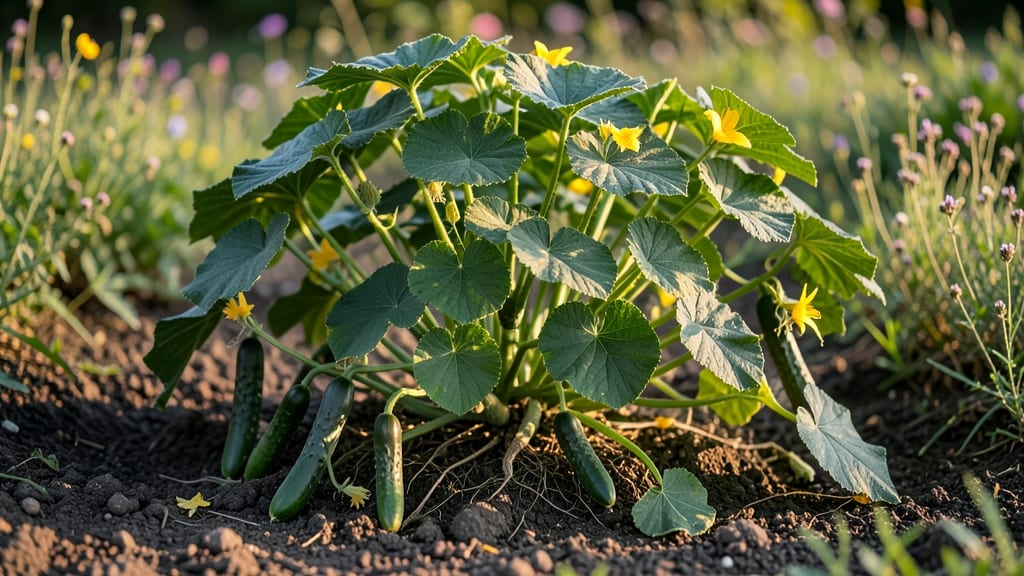
When you plant Arkansas Little Leaf cucumbers, you unlock a compact, high-yielding variety that thrives in small spaces—even containers on patios. 🌱 These little powerhouses produce tender, 3-inch cucumbers perfect for snacking straight off the vine, and they keep producing from spring through fall (or even winter in warm climates).
My first batch last summer gave me 50+ cucumbers from just two plants in a 5-gallon pot, proving you don’t need a big garden for big harvests.
Start with well-draining soil rich in compost—these cucumbers hate soggy roots—and plant seeds ½-inch deep, 2–3 inches apart. They love full sun (6+ hours daily) but tolerate partial shade in hot climates, making them ideal for containers or small plots.
Space plants 18–24 inches apart if growing in the ground, or use trellises to save space (they’re vining but stay manageable). Water consistently—1–2 inches per week—keeping soil moist but not waterlogged.
By midseason, you’ll see vibrant green vines climbing or sprawling, with cucumbers ripening in 50–60 days. The key to success? Prune regularly to encourage airflow (reduces disease) and harvest often—leaving cucumbers on the vine slows production.
My plants stayed productive for three months straight, and I barely had to fight pests or diseases. Even in Arkansas’ heat and humidity, they performed like champs.
For year-round harvests, extend the season with row covers in cool months or grow in containers you can move indoors during frost. Troubleshoot slow growth by checking soil moisture (they wilt fast when thirsty) and ensuring they get enough sun.
With the right care, these cucumbers are foolproof—even for beginners. Ready to try them in your smallest garden spot?
📚 In This Guide
- What you need
- Instructions
- Tips and common mistakes
- Wrapping up and next steps
What you need
- ● Seeds: 5–10 Arkansas Little Leaf Cucumber seeds (or 2–3 seedlings if transplanting).
- ● Containers or Garden Bed: Containers: 5–10 gallon pots (one per plant) with drainage holes.
- ● Garden Bed: Well-draining soil, 12–18 inches deep, in full sun (6+ hours/day).
- ● Potting Mix: 2–3 bags of high-quality, organic vegetable garden mix (or DIY: 60% compost, 30% coconut coir, 10% perlite).
- ● Fertilizer: Balanced organic fertilizer (e.g., 5-5-5 or compost tea) or slow-release granules.
- ○ Trellis or Cage: 3–4 ft tall tomato cages or stakes + twine to support vines (optional but recommended).
- ● Watering Can or Hose: With a gentle spray nozzle for consistent moisture.
- ● Pruning Shears: Small, sharp pair for harvesting and trimming.
- ● Mulch: Straw or shredded leaves to retain moisture and suppress weeds.
- ● Drip Irrigation Kit: For automated, efficient watering.
- ● Row Cover: Lightweight fabric to protect from pests or early frost.
- ● pH Test Kit: To ensure soil pH is between 6.0–6.8 (ideal for cucumbers).
- ● Compost: Aged, nutrient-rich compost for extra soil enrichment.
Step-by-step instructions for growing Arkansas Little Leaf cucumbers
Here’s how to cultivate these prolific, compact vines—perfect for containers, trellises, or small gardens.
🌱 Step 1: Choose the Right Location and Prepare Soil
Arkansas Little Leaf cucumbers thrive in full sun—at least 6-8 hours daily—so pick a spot with southern or western exposure. If growing in containers, ensure pots are at least 12 inches deep with drainage holes to prevent root rot. These vines are compact but still need room to sprawl, so space plants 18-24 inches apart in the ground or 1 plant per 5-gallon container.
Amend the soil with 2-3 inches of compost before planting to improve drainage and fertility. Arkansas Little Leafs are less picky about soil pH than other varieties but perform best in slightly acidic to neutral soil (pH 6.0-7.0). Work the compost into the top 6 inches of soil—this ensures strong root development right from the start.
🌱 Step 2: Plant Seeds or Transplants at the Right Time
Start seeds indoors 4-6 weeks before your last frost date if your growing season is short, or sow directly outdoors after soil warms to 60°F. Arkansas Little Leafs germinate best in warm soil, so avoid planting too early—cool temperatures slow germination and invite fungal diseases. If using transplants, harden them off for 7-10 days before moving outside to prevent shock.
Plant seeds ½ inch deep and 1 inch apart in rows spaced 2-3 feet apart. For containers, sow 2-3 seeds per pot and thin to the strongest seedling once true leaves appear. Mulch with 2-3 inches of straw or shredded leaves to retain moisture and suppress weeds—this is especially important in hot climates where soil dries out quickly.
☀️ Step 3: Provide Support and Consistent Care
Arkansas Little Leafs are bushier than traditional cucumbers but still benefit from light trellising or small cages to keep vines off the ground. Use 4-5 foot tall stakes or a wire trellis to encourage upward growth and improve air circulation, which reduces disease risk. Prune side shoots sparingly—these vines produce well without heavy pruning, but removing a few suckers can direct energy to fruit production.
Water deeply 1-2 times per week, aiming for 1 inch of water per week. Let the top 1-2 inches of soil dry out between waterings to prevent blossom-end rot, but avoid letting plants wilt. These cucumbers are drought-tolerant once established, but consistent moisture yields sweeter, crisper fruit. Fertilize lightly with a balanced 10-10-10 formula at planting and again when flowers appear.
✂️ Step 4: Harvest Regularly for Continuous Production
Arkansas Little Leaf cucumbers mature quickly—harvest when fruit reaches 3-4 inches long for the best flavor and to encourage more production. Use clean pruners or scissors to cut stems, leaving a small portion attached to the vine. Check plants every 2-3 days during peak season; missed cucumbers turn bitter and attract pests.
These vines produce year-round in warm climates and can be grown as annuals in cooler zones. In fall, protect plants with row covers or a cold frame to extend the harvest into early winter. If frost threatens, harvest remaining fruit and let the vines die back—you’ll likely get a second flush of growth in spring if you replant early.
Tips & tricks for growing compact cucumber vines
These little-known strategies will help you maximize your Arkansas Little Leaf harvest—even in tight spaces.
Sunlight Strategy: While the instructions call for 6-8 hours of daily sun, I’ve found that positioning your containers on a rolling cart lets you rotate them toward the sun’s path throughout the day. This is especially helpful if your garden has partial shade—just move them every few hours for even exposure. These compact vines are forgiving, but they’ll reward you with more consistent production when they get that full sun exposure.
Container Hack: For urban gardeners or balconies, use fabric grow bags instead of traditional pots—they’re lighter, allow better root aeration, and prevent the dreaded "root circling" that can stunt growth. Just make sure they’re at least 12 inches deep (the instructions minimum) and have drainage holes. I’ve seen these vines produce just as well in 5-gallon fabric bags as in larger containers, making them perfect for small spaces.
Watering Wisdom: The instructions recommend letting the top 1-2 inches of soil dry between waterings, but I’ve noticed these compact vines actually prefer slightly more consistent moisture. In hot climates, I water every other day rather than weekly to prevent stress—just check the soil moisture daily. The key is avoiding both soggy soil (which invites rot) and bone-dry conditions (which causes bitter fruit). A drip irrigation system works beautifully for containers.
Harvest Timing: Those 3-4 inch cucumbers are sweetest when harvested in the morning after the dew has dried. I’ve found that picking every 2-3 days (as the instructions suggest) prevents overcrowding on the vine, but if you’re away for a few days, harvesting the largest ones first can actually stimulate more fruit production. Just be prepared for a harvest every 2-3 days once they really take off—these vines don’t disappoint!
Pro Tips for Arkansas Little Leaf Cucumber
- These little-known strategies will help you maximize your Arkansas Little Leaf harvest—even in tight spaces.
- Sunlight Strategy: While the instructions call for 6-8 hours of daily sun, I’ve found that positioning your containers on a rolling cart lets you rotate them toward the sun’s path throughout the day.
- Container Hack: For urban gardeners or balconies, use fabric grow bags instead of traditional pots—they’re lighter, allow better root aeration, and prevent the dreaded "root circling" that can stunt growth.
Frequently asked questions
Got questions about growing Arkansas Little Leaf cucumbers? You’re not alone! Here are answers to the most common queries—from planting to harvest—so you can grow these compact, prolific vines with confidence.
When is the best time to plant Arkansas Little Leaf cucumbers?
These cucumbers thrive in warm weather, so plant them after the last frost when soil temps hit at least 60°F (15°C). For year-round harvests in mild climates, start seeds indoors 3–4 weeks before the last frost or use row covers to extend the season. Pro tip: They’re heat-tolerant, making them ideal for summer gardens or even containers!
How long does it take for Arkansas Little Leaf cucumbers to produce?
Expect 50–60 days from seed to harvest, though vines may start producing smaller fruits even sooner. With consistent care (water, fertilizer, and pruning), you’ll enjoy a continuous harvest for weeks. Fun fact: These cucumbers are parthenocarpic, meaning they set fruit without pollination—great for small spaces or indoor growing!
Can I grow Arkansas Little Leaf cucumbers in containers?
Their compact vines (3–5 feet tall) make them perfect for containers, raised beds, or even hanging baskets. Use a 5-gallon pot or larger with well-draining soil and support them with a trellis or cage. Just ensure they get 6+ hours of sunlight daily and water consistently to avoid stress.
What pests or diseases should I watch for with Arkansas Little Leaf cucumbers?
Common issues include aphids, cucumber beetles, and powdery mildew. Prevent pests with neem oil or row covers, and improve airflow to reduce mildew. If leaves yellow, check for overwatering or nutrient deficiencies (like nitrogen). Quick fix: Prune affected leaves and adjust watering to keep plants healthy!
How do I know when Arkansas Little Leaf cucumbers are ripe?
Harvest when cucumbers are 3–4 inches long, firm, and deep green. For slicing, pick them smaller (2–3 inches); for pickling, let them grow slightly larger. Pro tip: Harvest frequently to encourage more production—these vines are prolific when kept trimmed and fed!
Wrapping up and next steps
Growing Arkansas Little Leaf cucumbers is a fantastic way to enjoy fresh, homegrown produce—even in small spaces! Their compact vines and quick harvests make them perfect for containers, balconies, or tiny gardens. Whether you're a seasoned gardener or just starting out, these cucumbers offer low-maintenance, high-reward results.
Ready to dive in? Start by gathering your supplies, choosing the right spot, and planting your seeds or seedlings this season. Happy gardening—and enjoy those crisp, delicious slices straight from your vine! 🌱🍉