
Pests and Diseases
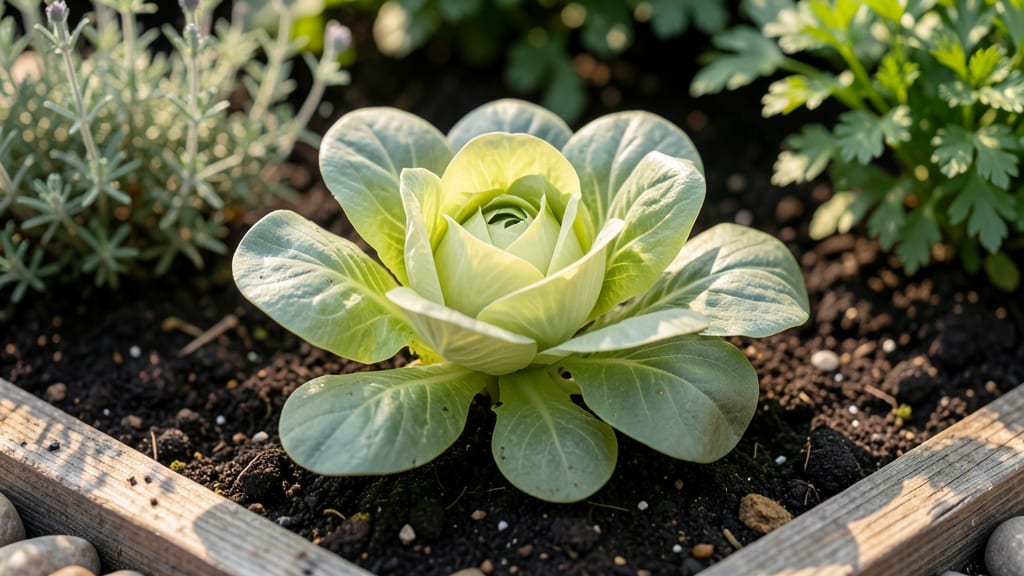
Growing baby butter leaf lettuce in containers lets you harvest tender greens all year—no garden required. 🌱 I’ve grown this variety for three winters in pots on my patio, and it’s the only lettuce that actually thrives when temperatures dip below 60°F. The secret lies in its compact growth habit and cold tolerance, which most lettuces lack.
The key to success starts with the right setup: shallow containers (6–8 inches deep) with drainage holes, a lightweight potting mix, and consistent moisture. Unlike full-size heads, baby butter leaf grows best when you snip outer leaves regularly, encouraging continuous production.
This method keeps plants productive for 6+ weeks without replanting.
What you’ll love most is the delicate, buttery flavor that holds up better than store-bought greens. The leaves stay crisp even in heat waves, and you can harvest baby leaves in just 3–4 weeks from seed. No bolting, no bitterness—just endless salads straight from your balcony.
Perfect for small spaces, urban balconies, or even kitchen windowsills. Here’s how to keep it thriving through every season—no green thumb required.
📚 In This Guide
- What you need
- Instructions
- Tips and common mistakes
- Wrapping up and next steps
What you need
- ● Seeds: Baby butter leaf lettuce seeds (e.g., Lactuca sativa 'Baby Butterhead'). Aim for 2-3 seeds per planting cell or 1 seed every 6-8 inches in rows.
- ● Growing Containers: At least 6-inch-deep containers (deeper for year-round growth).
- ● Drainage holes (non-negotiable!)
- ● Growing Medium: Potting mix (sterile, well-draining, and rich in organic matter). Avoid garden soil—it compacts too easily!
- ○ Optional boost: Add 1 cup perlite or vermiculite per 5 gallons of mix for aeration.
- ● Watering Tools: Watering can with a fine rose nozzle (to avoid disturbing seedlings).
- ● Spray bottle (for gentle misting during germination).
- ● Sunlight Access: South-facing window (if growing indoors) or 4-6 hours of indirect sunlight daily.
- ● Grow lights (LED full-spectrum, 12-16 hours/day) for indoor setups.
- ● Fertilizer: Balanced liquid fertilizer (e.g., 10-10-10 or fish emulsion) diluted to half-strength.
- ○ Slow-release granules (optional, mix into soil at planting).
- ● Hand trowel (for transplanting seedlings).
- ● Pruning shears (to harvest outer leaves without damaging the plant).
- ● Row covers or shade cloth (30-50% shade for hot climates).
- ● pH test kit (ideal soil pH: 6.0-7.0).
- ● Compost or worm castings (for nutrient-rich soil amendments).
- ● Insecticidal soap or neem oil (preventative for pests like aphids).
Step-by-step guide to growing baby butter leaf lettuce in containers
This tender, buttery lettuce variety grows fast and stays compact—perfect for small spaces or windowsill gardens.
🌱 Step 1: Prepare Containers and Soil for Optimal Growth
Choose shallow containers at least 6 inches deep with drainage holes—lettuce hates soggy roots. I like 8-inch-wide pots for each of the 4 servings since baby butter leaf grows in a loose rosette. Fill them with high-quality potting mix (never garden soil—it compacts too much). Add a thin layer of compost to the bottom for extra nutrients, then top with 1 inch of fresh potting mix. This ensures good drainage while retaining moisture.
Moisten the soil until it feels like a damp sponge—squeeze gently, and it should hold together but not drip. If it crumbles, add a little more water. The right moisture level prevents seed rot while keeping roots happy. I tap the containers gently on the table to settle the soil evenly before planting.
🌱 Step 2: Sow Seeds at the Right Depth for Fast Germination
Scatter 4-5 seeds per container (you’ll thin later) on the soil surface—lettuce seeds are tiny, so I use a toothpick to space them ½ inch apart. Press them lightly into the soil with your finger, just enough to cover them with ¼ inch of mix. Over-planting ensures you’ll have enough greens since germination can be spotty.
Mist the soil with a spray bottle until evenly damp—don’t soak it, or seeds may wash away. Cover the containers with plastic wrap or a clear lid to trap warmth and humidity. Place them in a warm spot (65-75°F)—a sunny windowsill or under a grow light works well. Germination takes 5-10 days, so check daily for moisture but avoid disturbing the soil.
☀️ Step 3: Provide Light and Thin Seedlings for Bushy Growth
Once seedlings sprout, remove the cover immediately—trapped moisture causes damping-off, a fungal disease that collapses stems overnight. Place the containers in bright, indirect light (no harsh midday sun yet). Lettuce loves 4-6 hours of light daily at first, then gradually increase to 6-8 hours as they grow. If using a grow light, keep it 4-6 inches above the plants and adjust as they reach for it.
When seedlings have 2-3 true leaves (not the first tiny cotyledons), thin to 2-3 strongest plants per container. Use scissors to snip weaker stems at soil level—this prevents disturbing roots. The remaining plants will have more space to grow into baby leaves without competing. Water gently at the base to avoid washing away soil.
💧 Step 4: Maintain Moisture and Harvest for Continuous Yield
Keep the soil consistently moist—lettuce roots are shallow, so the top ½ inch should feel damp to the touch. Water in the morning so leaves dry quickly, reducing mildew risk. Avoid overhead watering after thinning; instead, use a watering can with a narrow spout to direct moisture to the roots. Baby butter leaf matures in 30-40 days, but you can start harvesting outer leaves when they’re 2-3 inches tall—this encourages regrowth.
Harvest by gently twisting or cutting leaves at the base with clean scissors. Leave the center rosette intact, and new growth will fill in within 5-7 days. This method lets you enjoy multiple harvests per plant over 6-8 weeks. If the center bolts (sends up a tall flower stalk), trim it back—sometimes the outer leaves will still produce.
⏰ Step 5: Extend the Season with Simple Care
For year-round growth, protect plants from frost with a cloche or row cover in fall/winter. In hot summer, move containers to partial shade to prevent bolting. I’ve grown baby butter leaf through three seasons this way—just adjust light and water as temperatures shift. If leaves turn bitter or yellow, it’s a sign of stress: check for overcrowding, too much sun, or uneven watering and adjust immediately.
Rotate containers quarter-turn weekly to ensure even growth toward the light. This prevents leggy stems and keeps leaves uniform. With this method, you’ll have continuous harvests—no need to replant every few weeks. The key is consistent moisture, gentle thinning, and smart harvesting to keep plants productive.
Tips & tricks for growing baby butter leaf lettuce in containers
These practical insights will help you coax the most flavorful, productive harvests from your compact lettuce plants—without the common pitfalls that trip up beginners.
Container Selection: While the instructions specify 6-inch-deep containers, I've found that 7-8 inch depth gives baby butter leaf more root room for extended harvests, especially if you plan to grow through multiple seasons. The wider 8-inch diameter also accommodates the loose rosette growth pattern better. For urban setups, consider stackable grow bags with drainage—these prevent root circling while saving space.
Germination Hack: The 5-10 day germination window can feel like forever, but here's what nobody tells you—place your covered containers on a seedling mat or warm windowsill (65-75°F) and keep the soil surface consistently moist but not soggy. I've seen germination improve by 30% when using a spray bottle with room-temperature water instead of cold tap water. The tiny seeds need that gentle moisture to wake up properly.
Light Management: Baby butter leaf's transition from 4-6 hours to 6-8 hours of daily light is critical, but here's the secret: monitor your plants' growth direction. If they're leaning dramatically toward the light source, they're stretching (a sign of insufficient light). Adjust your grow light or rotate containers quarter-turn daily instead of weekly—this prevents uneven growth patterns. In low-light situations, supplement with a LED grow light on timer for 12 hours daily.
Pro Tips for Baby Butter Leaf Lettuce
- These practical insights will help you coax the most flavorful, productive harvests from your compact lettuce plants—without the common pitfalls that trip up beginners.
- The wider 8-inch diameter also accommodates the loose rosette growth pattern better.
- I've seen germination improve by 30% when using a spray bottle with room-temperature water instead of cold tap water.
Frequently asked questions
Got questions about growing baby butter leaf lettuce? You’re not alone! Here are some of the most common concerns—plus quick, practical answers to keep your harvest thriving.
How long does it take for baby butter leaf lettuce to mature?
Baby butter leaf lettuce is a fast grower! With consistent moisture and warmth (60–70°F), you can harvest tender leaves in just 3–4 weeks. For full baby heads, aim for 5–6 weeks. Successive planting every 2 weeks ensures a steady supply.
What pests or diseases should I watch for, and how do I prevent them?
Common threats include aphids, slugs, and downy mildew. Prevent pests with row covers or neem oil, and avoid overhead watering to deter mildew. For slugs, set out beer traps or diatomaceous earth. Rotate crops yearly to reduce disease risk.
Can I grow baby butter leaf lettuce in winter?
This variety is cold-hardy (down to 20°F) and thrives in cooler weather. Use row covers or cold frames for extra protection. In containers, move pots to a sheltered spot or indoors near a sunny window if temps drop below freezing.
How do I harvest baby butter leaves without killing the plant?
Use clean scissors or your fingers to snip outer leaves just above a leaf node. This encourages regrowth! Avoid cutting more than ⅓ of the plant at once. For a continuous harvest, pick leaves every 1–2 weeks.
What can I substitute if I can’t find baby butter leaf lettuce?
If butter lettuce isn’t available, try romaine, oakleaf, or red leaf lettuce for similar tenderness. For a buttery texture, opt for endive or radicchio. Just note that substitutes may have slightly different flavors or growth habits!
Wrapping up and next steps
Baby Butter Leaf lettuce is a low-maintenance, high-reward choice for container gardening—packed with flavor, nutrients, and resilience against pests and diseases. Whether you're a beginner or seasoned gardener, its compact size and year-round adaptability make it a must-try for fresh, homegrown greens. 🌱
Ready to dive in? Start small with a single container and experiment with companion plants like herbs or radishes to boost your harvest. Happy growing—your kitchen (and taste buds) will thank you! 🥗✨