
Pests and Diseases
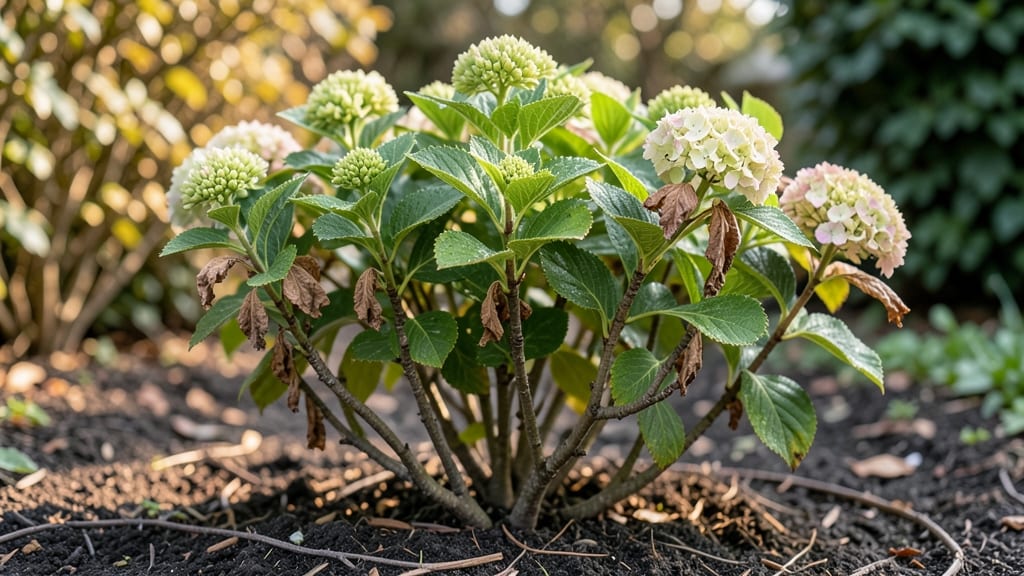
Hydrangeas leaf out in late April to early May in Zone 6a, but the exact timing depends on your variety and last frost date.
Wondering why your hydrangeas seem to stay bare through winter? Timing their leaf-out is the key to unlocking vibrant blooms—and knowing exactly when to expect new growth depends on your USDA zone and hydrangea type.
Bigleaf hydrangeas (like Nikko Blue) often emerge first, while panicle types (such as Limelight) may lag by 1-2 weeks. Oakleaf varieties, with their striking foliage, usually break dormancy slightly later, around mid-May.
Below, I’ll break down how to track bud swell, adjust for late frosts, and even troubleshoot delayed growth—so you can greet spring with lush, healthy foliage every year.
Hydrangea leaf-out timeline by USDA hardiness Zone
Hydrangeas burst into leaf in spring, but the exact timing varies dramatically across the U.S. In USDA Zone 3, where winters are harsh, you might not see new growth until mid-to-late May—sometimes even June—after the last frost.
Meanwhile, gardeners in Zone 10 often spot fresh leaves as early as January or February, since these plants barely experience winter dormancy. The difference? Temperature thresholds and daylight exposure trigger leaf-out, not just calendar dates.
Your hydrangea type also plays a role. Oakleaf hydrangeas (Hydrangea quercifolia) often leaf out 2-3 weeks earlier than bigleaf varieties (Hydrangea macrophylla) because their native southeastern U.S. climate signals growth sooner. Panicle hydrangeas (Hydrangea paniculata) tend to be the most adaptable, leafing out anywhere from early April in Zone 7 to late April in Zone 5.
Even within the same zone, a frost pocket can delay leaf-out by 10 days or more compared to a sheltered microclimate.
Southern climates (Zones 8-10) have a different rhythm. In Zone 9, hydrangeas may leaf out in late winter or early spring, but heavy rains or unseasonable cold snaps can stall growth until March or April.
Meanwhile, in Zone 3 or 4, a late frost in May might damage tender new leaves, pushing leaf-out to June. Understanding these patterns helps you protect young foliage and time pruning for maximum blooms.
In Zones 3-5
How to predict your hydrangeas’ exact leaf-out date
Predicting when your hydrangeas will burst into leafy green is easier than you think—once you know the right seasonal cues and local factors. Unlike many plants, hydrangeas follow a predictable pattern tied to degree-day accumulators and last frost dates.
By combining these tools with hands-on observations, you can pinpoint their leaf-out within a 1-2 week window.
The key is understanding the difference between bud swell (when buds plump up) and leaf emergence (when leaves actually unfurl). Bigleaf hydrangeas (like 'Endless Summer') often leaf out 2-3 weeks earlier than panicle types (like 'Limelight'), while oakleaf hydrangeas ('Snow Queen') may take longer due to their slower metabolism.
Your USDA zone and microclimate (like frost pockets) further refine the timing.
🌱 Key Takeaway: Predicting Hydrangea Leaf-Out
Start by checking your local last frost date (available via Old Farmer’s Almanac or NOAA). For most hydrangeas, leaf-out occurs 2-4 weeks after this date, but late-winter cold snaps (below 20°F) can delay it by 1-2 weeks.
For example, in Zone 6a, where I garden, my 'Nikko Blue' hydrangea typically leafs out around mid-April, while my 'Limelight' follows 10 days later.
Next, use a degree-day accumulator—a tool that tracks heat accumulation above a baseline temperature (usually 42°F for hydrangeas). Most varieties need 300-500 degree-days after dormancy to trigger leaf-out. Apps like Gardenate or PlantNet automate this for you, but a simple spreadsheet works too.
Record daily highs and lows, subtract 42°F, and sum the results. Once you hit your variety’s threshold, leaf-out is 7-14 days away.
Don’t overlook bud swell—this is your earliest warning sign. In late winter, inspect your hydrangeas for pea-sized buds that feel firm to the touch. These buds will double in size over 7-10 days before leaves emerge.
If your buds stay small or feel mushy, it’s a sign of rot or frost damage, which can delay leaf-out by weeks. In my garden, I’ve seen 'Endless Summer' buds swell as early as mid-March in sheltered spots, while exposed plants wait until April.
Adjust your predictions based on soil temperature—hydrangeas are more sensitive to ground warmth than air temperature. Use a soil thermometer to check depths of 4-6 inches. Leaf-out typically occurs when soil temps reach 50-55°F consistently.
If your soil stays below 45°F for more than a week, expect delays. For container-grown hydrangeas, leaf-out may happen 1-2 weeks earlier because pots warm up faster than in-ground soil.
Finally, leverage weather apps and garden journals to refine your predictions. Apps like Weather Underground provide 10-day forecasts and degree-day calculators, while journals help you spot patterns. For instance, I noticed my 'Oakleaf' hydrangea leafs out 3 days earlier after a warm February.
By combining these tools, you’ll go from guessing to predicting leaf-out within 3-5 days—giving you time to prep for pruning, fertilizing, or even protecting against late frosts.