
Pruning
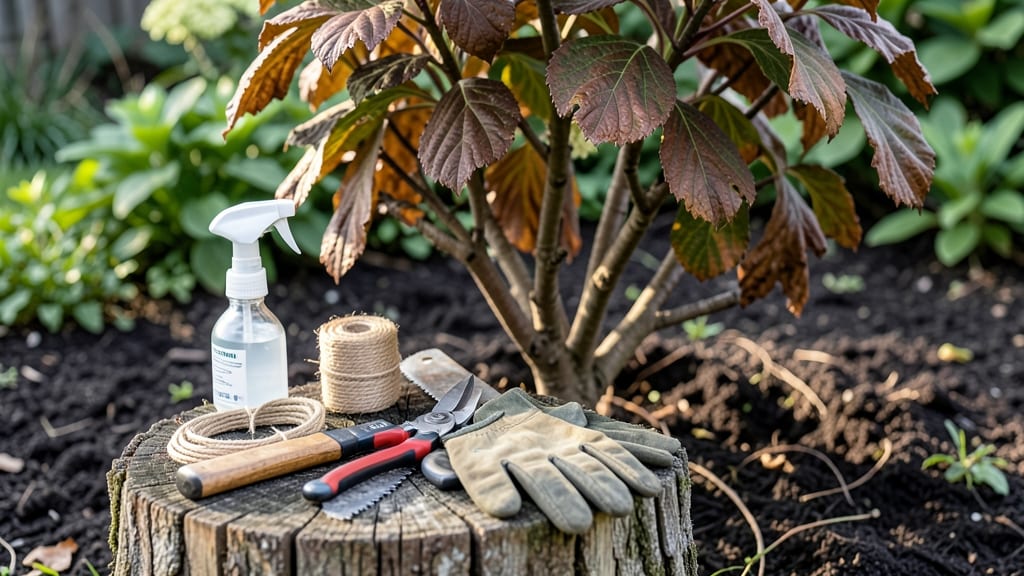
Pruning bigleaf hydrangea in late fall or early winter is the secret to next summer's showstopping blooms. ✂️ I learned the hard way—skipping winter pruning means leggy stems and fewer flowers, but doing it wrong can kill next year's buds entirely.
The key is timing, technique, and knowing exactly where to cut.
You'll need sharp bypass pruners, a pair of gloves, and a clear day when temps are above freezing. Bigleaf hydrangeas bloom on old wood, so every cut matters—remove only dead, damaged, or crossing branches.
Never trim more than one-third of the plant, or you'll sacrifice next season's display. I've pruned mine for years, and this method keeps them thriving through harsh winters.
After pruning, rake up debris to prevent disease, and apply a 2-3 inch layer of mulch around the base. This protects the roots from freezing and thawing cycles. By spring, you'll see fresh green growth emerging from the base, ready to burst into color.
The results? A bush that looks like it just came from a nursery, not one that survived winter.
Works perfectly for zones 5-9, but adjust timing for milder climates—prune after the first frost if you're in zone 7 or warmer. The same rules apply whether you're shaping a small patio plant or a large border specimen. Here's how to do it right the first time.
📚 In This Guide
- What you need
- Instructions
- Tips and common mistakes
- Wrapping up and next steps
What you need
- ● Pruning shears or loppers – Choose bypass pruners (sharp, clean blades) for clean cuts. For thicker stems (over ½ inch), opt for loppers with a 6- to 8-inch handle for leverage.
- ● Garden gloves – A pair of cut-resistant, breathable gloves (e.g., nitrile-coated) to protect your hands from thorns and sap.
- ● Disinfectant (rubbing alcohol or 10% bleach solution) – 1 part bleach to 9 parts water to sterilize tools between cuts and prevent disease spread.
- ○ Sharpie or permanent marker – For marking stems you plan to cut (optional but helpful for clarity).
- ● Heavy-duty trash bags or compost bin – To collect pruned branches and debris.
- ● Ladder or step stool – If your hydrangea is taller than 6 feet, use a stable, extendable ladder (never a wobbly stool!).
- ○ Pruning saw (optional but handy) – For thick, woody stems over 2 inches in diameter (e.g., older hydrangea wood).
- ● Hand pruners with ratcheting mechanism – Makes cutting thicker branches easier without strain.
- ● Knee pads or cushion – For comfort if you’re kneeling near the base of the bush.
- ● Mulch (shredded bark or pine straw) – 2-3 inches to protect the base after pruning (apply post-prune!).
- ● Plant food or fertilizer – A balanced, slow-release fertilizer (10-10-10) to nourish the hydrangea post-prune (apply in early spring).
- ● Camera or phone – Snap before/after photos to track progress and celebrate your work!
Step-by-step instructions for pruning bigleaf hydrangea for winter
Here's the method I rely on to keep my bigleaf hydrangeas thriving through winter and blooming bigger than ever next spring.
✂️ Step 1: Time Your Pruning Perfectly
Prune your bigleaf hydrangea after the first hard frost but before the ground freezes. This is usually late fall, around November or early December, depending on your climate zone. The goal is to remove dead or weak stems while leaving next year's flower buds intact—those little swellings at the stem tips that will burst into blooms come spring.
I always wait until the plant has gone completely dormant—no new growth, no fresh leaves—and the stems feel brittle when I bend them. This ensures I won't accidentally cut off next year's blooms. If you prune too early, you risk encouraging new growth that won't survive winter.
✂️ Step 2: Remove Dead, Damaged, or Weak Stems
Start by cutting out any stems that are dead, broken, or diseased. These are easy to spot—they're brown, hollow, or mushy inside. Use clean, sharp pruners to make a clean cut just above a bud or lateral branch. This prevents tearing and encourages healthy regrowth.
Next, look for stems that are thin, weak, or crossing. Thin stems won't produce strong blooms, and crossing stems create rub points that can lead to disease. Cut these back to the base of the plant. You'll know you're on the right track when you're left with 3-5 of the thickest, healthiest stems per bush.
✂️ Step 3: Thin Out for Better Airflow and Light
Bigleaf hydrangeas bloom on old wood, so you don't need to cut back the entire plant. Instead, focus on thinning out the center of the bush to improve airflow and light penetration. This prevents fungal diseases and encourages stronger growth.
Start at the center and work your way out. Remove any stems that are growing inward or crowding the center. You'll see a noticeable difference in the plant's shape—it should open up and look more balanced. Aim to leave 15-20 stems total, depending on the size of your bush. This gives your hydrangea room to breathe and grow.
🪴 Step 4: Clean Up and Protect for Winter
After pruning, rake up and dispose of all the debris from your hydrangea. This removes any potential hiding spots for pests or diseases that could overwinter and attack your plant next year. I like to compost the healthy-looking debris, but I always double-bag and throw away anything that looks diseased.
Once the ground is clear, apply a 2-3 inch layer of mulch around the base of the plant, keeping it 6 inches away from the stem. This helps insulate the roots and protect them from freezing temperatures. Water the base of the plant thoroughly before applying the mulch to ensure the roots are hydrated for the winter.
⏰ Step 5: Monitor and Prepare for Spring
Check your hydrangea throughout the winter for any signs of damage or pests. If you notice any issues, address them as soon as the ground thaws in the spring. In early spring, before new growth appears, you can do a final check to remove any stems that didn't survive the winter.
Here's the thing—bigleaf hydrangeas are tough, and with this pruning method, they'll come back stronger than ever. You'll see new growth emerging from the base of the plant, and those little buds will swell into beautiful blooms by next summer. Just remember, patience is key—don't rush the process, and your hydrangea will reward you with stunning color and fullness.
Tips & tricks for perfect bigleaf hydrangea pruning
These little adjustments will help you prune like a pro and set your hydrangeas up for a spectacular spring bloom.
Timing is Everything: The window between hard frost and frozen ground is usually narrow—just a few weeks in November or early December. I check my local weather forecast for the first hard frost date, then mark my calendar for 2-3 weeks later. That gives me time to prepare my tools and schedule the pruning. If you're in a warmer climate zone, you might have a bit more flexibility, but always wait until the plant is completely dormant to avoid stimulating new growth.
Tool Prep Matters: Before you even touch the plant, clean your pruners with rubbing alcohol to prevent spreading disease. I also sharpen my blades with a file—dull tools crush stems instead of making clean cuts, which stresses the plant. For thicker stems, I use loppers with a bypass blade for cleaner cuts that heal faster. Keep a small bucket nearby to collect debris as you work.
Bud Identification: Those little swellings at the stem tips are next year's flower buds, and they're easy to spot if you know what to look for. They'll feel slightly firmer than the stem and have a tiny bump where the bloom will emerge. When pruning, always cut just above a bud or lateral branch—this ensures new growth will emerge from the right spot. If you're unsure, make your cut at a 45-degree angle to create more surface area for healing.
Mulch Application Technique: When you apply that 2-3 inch layer of mulch, resist the urge to pile it directly against the stem. Keep it 6 inches away to prevent rot and pest issues. I use shredded bark mulch because it breaks down slowly and improves soil structure over time. After applying, give the base of the plant a thorough watering to help the mulch settle and insulate the roots properly. This step makes all the difference in protecting your hydrangea through freezing temperatures.
Pro Tips for Prune Bigleaf Hydrangea For Winter
- These little adjustments will help you prune like a pro and set your hydrangeas up for a spectacular spring bloom.
- Timing is Everything: The window between hard frost and frozen ground is usually narrow—just a few weeks in November or early December.
- Tool Prep Matters: Before you even touch the plant, clean your pruners with rubbing alcohol to prevent spreading disease.
Frequently asked questions
about pruning bigleaf hydrangeas for winter—because even pros have doubts! Here are the answers to the most common queries to help you tackle this task with confidence.When is the exact best time to prune my bigleaf hydrangea?
Late winter or early spring (just before new growth starts) is ideal—typically February to March in most U.S. zones. Avoid pruning in fall, as it can stimulate tender new growth that won’t survive frost. If you missed the window, wait until after the plant blooms in spring (though you’ll sacrifice some flowers that season).
Do I need to cut back old wood if my bigleaf hydrangea blooms on new wood?
Yes! Bigleaf hydrangeas (Hydrangea macrophylla) bloom on new wood, so you can prune up to 1/3 of the oldest stems each year to encourage fresh growth. Focus on dead, diseased, or weak stems first, then trim back the rest to 6–12 inches from the ground for a tidy shape. Think of it as a rejuvenation haircut for your plant!
What if I prune too much—will my hydrangea die?
Don’t panic! Bigleaf hydrangeas are hardy and can bounce back from aggressive pruning, though heavy cuts may reduce blooms that season. If you’ve trimmed more than half the plant, monitor for new growth in spring. Over time, your hydrangea will recover, but avoid cutting into old, woody stems—they won’t regrow. When in doubt, less is more!
Should I protect my hydrangea after pruning in cold climates?
In zones 5–7, wrap the base of your hydrangea with burlap or mulch (4–6 inches deep) to insulate roots from freezing. For young plants or severe winters, consider a lightweight frost blanket over the canopy. Avoid heavy mulch piles, which can suffocate roots. Never prune in freezing temps—wait until the ground thaws!
Can I prune bigleaf hydrangeas in summer instead?
Summer pruning is possible, but it’s not ideal for bigleaf varieties. If you must, deadhead spent blooms (cut just above the first set of leaves) to encourage new flowers. Avoid heavy pruning in summer, as it can stress the plant and reduce next year’s blooms. Save the big cuts for winter! For dramatic changes, plan a two-step approach: light summer trims + winter rejuvenation.
Pro Tip Table: Quick Pruning Cheat Sheet
| Question | Answer |
|---|---|
| How low can I cut? | 6–12 inches from the ground for mature plants; closer to 3–6 inches for rejuvenation. |
| Do I sterilize my pruners? | Yes! Use rubbing alcohol or bleach water to prevent spreading disease. |
| What if my hydrangea doesn’t bloom after pruning? | Check for sunlight (6+ hours/day), moisture, and fertile soil. New wood bloomers may take a year to recover. |
Wrapping up and next steps
Pruning your bigleaf hydrangea in winter isn’t just about tidying up—it’s your secret weapon for showstopping blooms next season! 🌸 By following the right steps (deadheading, shaping, and timing), you’ll encourage healthier growth and vibrant flowers. Remember: patience and precision pay off in lush, full bushes come spring.
Ready to level up your gardening game? Grab your pruners, roll up your sleeves, and give your hydrangea the care it deserves. Next up: Check out our guide on fertilizing tips for spring to supercharge those blooms even more!