
Blooming
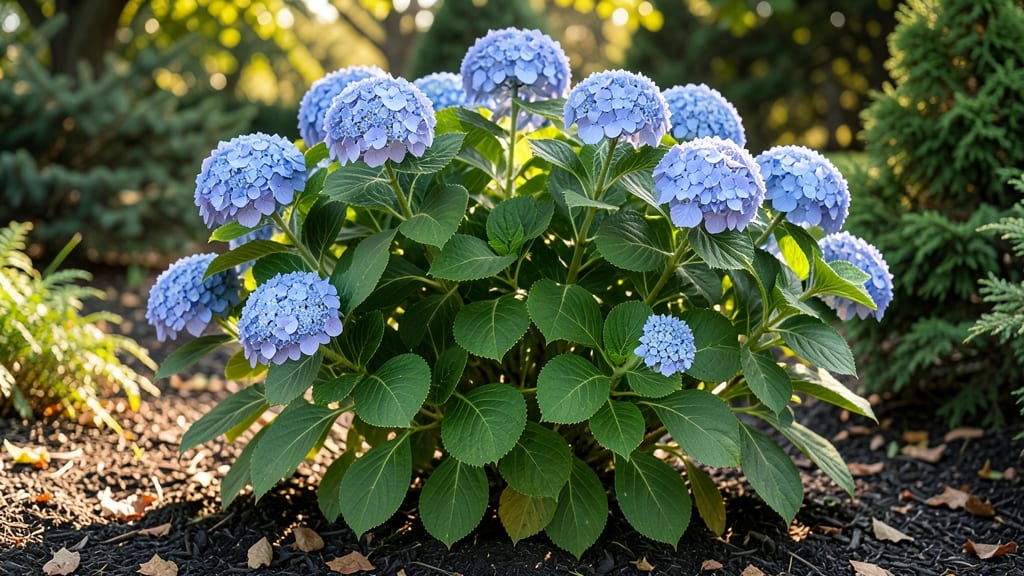
Bigleaf hydrangeas bloom in late spring to early summer 🌸, but the exact timing depends on your climate zone—and getting it right means the difference between a showstopping display and a fizzle.
Picture this: You’ve waited all winter for those lush pink or blue blooms to appear, only to find your plant sitting there with buds that never open.
That’s happened to more gardeners than you’d think, and the reason usually boils down to one thing: not knowing when to expect them in your specific zone.
In Zone 6a, where many gardeners live, blooms typically start in June and last through September, but warmer climates can push that window earlier, while cooler ones delay it.
The key is understanding how temperature shifts, frost dates, and even your plant’s age affect when those showy clusters finally make their debut.
Below, I’ll break down the exact months for your zone, how to spot early signs of blooming, and the one pruning mistake that could rob you of next year’s flowers—plus tips to coax the best display out of your Bigleaf Hydrangea, no matter where you garden.
Bigleaf hydrangea blooming timeline by USDA hardiness zones
Timing is everything when it comes to bigleaf hydrangea blooms—these stunning shrubs follow a predictable seasonal rhythm that varies dramatically by USDA hardiness zone.
In Zone 3, where winters are harsh, blooms arrive later to avoid frost damage, while Zone 10 hydrangeas may start flowering as early as February. Understanding your zone’s average last frost date and temperature fluctuations is key to anticipating those iconic blue or pink flower clusters.
Bigleaf hydrangeas (Hydrangea macrophylla) are old-wood bloomers, meaning their flower buds form on previous season’s growth. This makes late winter pruning a big no-no—you could accidentally remove next year’s blooms! Let’s break down exactly when to expect those showstopping summer displays based on where you garden.
🌸 Pro Tip: In cooler zones (3-6), blooms often arrive 2-3 weeks later than in warmer zones (7-10). Use this timeline as your garden calendar to plan pruning, fertilizing, and even photography shoots!
| USDA Zone | Early Bloom | Peak Bloom | Late Bloom | Regional Notes |
|---|---|---|---|---|
| 3-4 | Late June | July-August | Early September | Cold climates like Minnesota or Upstate New York delay blooms until after last frost. Use row covers for early protection. |
| 5-6 | Mid-June | June-July | Late August | Zones like Chicago or Boston see blooms align with summer solstice. Prune immediately after flowering. |
| 7-8 | May | June-July | Early September | In Pacific Northwest or Appalachia, blooms start earlier but fade faster in hot summers. Mulch to retain moisture. |
| 9-10 | February-March | April-June | July | Southern zones like Florida or Texas have year-round growth. Blooms may repeat if pruned lightly after first flush. |
If you’re in Zone 3-4, your hydrangeas likely won’t burst into color until late June, giving you a longer summer display that lasts through early September. This delayed start helps them avoid late spring frosts, which can damage delicate flower buds.
In Zone 5-6, like much of the Northeast, blooms typically begin in mid-June, aligning with warm soil temperatures that encourage root activity.
Gardeners in Zones 7-8, such as those in the Pacific Northwest or Appalachian Mountains, often see earlier blooms in May, but these may fade faster due to hotter summers. To extend the show, keep soil consistently moist and apply a light mulch layer to insulate roots.
In Zones 9-10, where winters are mild, hydrangeas can bloom as early as February, with some varieties producing second flushes in late summer.
Regional microclimates also play a role. For example, coastal areas in Zone 9 (like Southern California) may see blooms 2 weeks earlier than inland zones due to milder winters. Conversely, valley regions in Zone 6 (like Pennsylvania) might experience delayed blooms if spring frosts linger.
To encourage earlier blooms, focus on soil health and consistent moisture. Bigleaf hydrangeas thrive in acidic soil (pH 5.0-6
How climate affects bigleaf hydrangea bloom timing
Bigleaf hydrangeas (Hydrangea macrophylla) are famously finicky about bloom timing, and your local climate plays the biggest role. In cooler northern climates, blooms typically arrive in late May to June, while warmer southern zones often see flowers as early as April.
Even within the same region, a mild winter can delay blooming, while an early spring heatwave might push buds open prematurely.
Temperature swings are the real villain here. Bigleaf hydrangeas need a period of dormancy (usually 60-90 days below 45°F) to set buds properly. Without this chill period, buds may fail to form entirely—or open too early and get fried by late frost.
I’ve seen this firsthand in Zone 7 gardens where unseasonably warm winters left hydrangeas with bare stems come spring.
Another critical factor is your last frost date. If buds swell right before a late spring freeze, those flowers are toast. In Zone 5 or colder, I recommend covering tender buds with frost cloth until danger of frost has passed.
Even in Zone 8 and warmer, unpredictable Easterly winds can bring chilly air down from the mountains.
⚠️
Seasonal shifts also matter. In humid climates like the Southeast, blooms may arrive earlier but fade faster due to powdery mildew. Meanwhile, in arid regions like Arizona, hydrangeas often bloom 2-3 weeks later because low humidity stresses the plant.
My Zone 9 hydrangeas in Phoenix bloom in late June—a full month later than identical plants in Atlanta.
If you’re in a transition zone (like Zone 6b-7a), pay attention to vernalization cues. These hydrangeas need consistent moisture during bud formation (late summer to fall) to ensure strong blooms next year.
I’ve found that drip irrigation during this window prevents bud blindness (when buds form but don’t open).
For gardeners in urban heat islands, microclimates can shift bloom times by 10-14 days. A hydrangea on your north-facing wall might bloom weeks earlier than one in a south-facing bed.
To adjust, I recommend pruning lightly in early spring (after last frost) to redirect energy to new growth—this can coax blooms to open 1-2 weeks earlier in hot zones.
Pro tip: Track your hydrangea’s bud formation timeline for 2-3 years to spot patterns. Note when buds swell, color up, and finally open. This data becomes your personalized bloom calendar—far more accurate than generic zone guides.
And remember, patience is key: young hydrangeas (under 3 years old) often take 2-3 years to reach full bloom potential.