
Leaf Blower
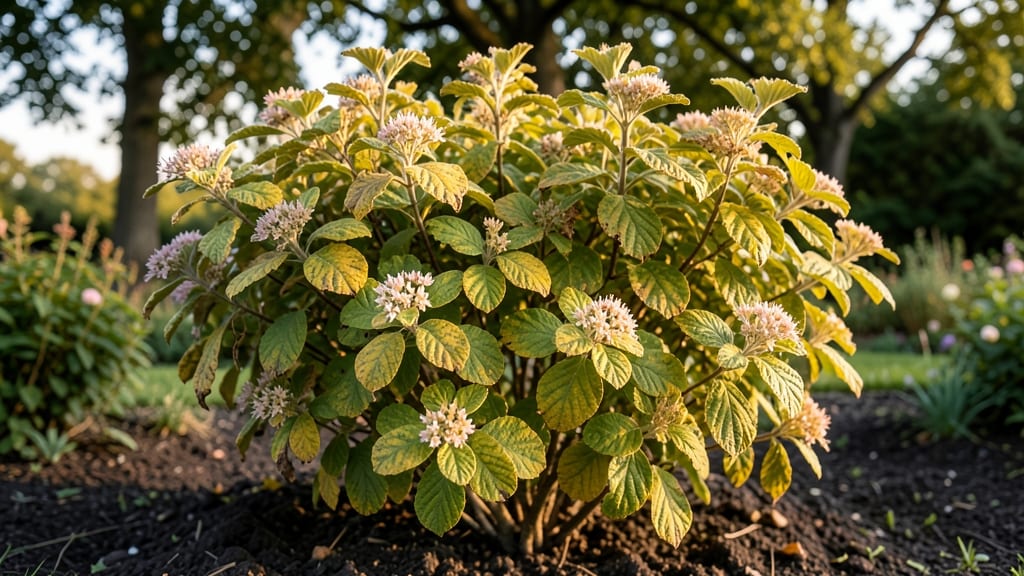
Your viburnum’s leaves curling at the edges like the viburnum leaf curl? That’s leaf curl—and it’s fixable. I’ve seen this fungal infection turn lush shrubs into sad, spotted messes, but with the right moves, you can revive those leaves in weeks. The key is acting fast before the spots spread.
This problem usually starts with fungal spores splashing onto leaves after rain, or from environmental stress like drought or too much shade. You’ll spot the classic wrinkled, puckered edges first, then brown spots that look like someone drew on them with a dry marker.
The good news? Viburnums are tough—they bounce back when you give them the right care.
Here’s the quick fix: prune out infected leaves immediately, then treat with a copper fungicide or neem oil spray every 7–10 days until new growth appears. For prevention, water at the base (not overhead), space plants for airflow, and mulch to keep roots happy.
Most shrubs recover fully within 4–6 weeks of consistent care.
If the spots keep spreading despite your efforts, it might be time to call in a pro—sometimes the fungus has deeper roots (literally) than DIY fixes can handle. But in most cases, you’ll have those leaves smooth and green again before you know it.
Root Causes Of Leaf Distortion
Viburnum leaf curl isn’t just an aesthetic issue—it’s often a plant’s way of signaling stress or infection. Understanding the why behind wrinkled edges, puckered spots, and distorted growth is the first step to restoring your shrub’s health.
Below, we break down the most common culprits, backed by science, so you can diagnose and act fast.
Fungal pathogens like Taphrina viburni (the primary cause of viburnum leaf curl) thrive in damp, humid conditions. Here’s how they hijack your plant’s biology:
- How it works: Fungi release spores that land on young leaves.
Once they germinate, they penetrate leaf tissue and disrupt cell division, causing abnormal growth patterns (think puckered, curled, or thickened leaves). - Key triggers: - Spring rains (ideal for spore dispersal). - Poor air circulation (dense foliage or overcrowded shrubs). - Wet foliage (water sitting on leaves for >12 hours). - Red flags: Leaves may appear leathery, yellowed, or covered in a white powdery residue (a sign of secondary mold growth).
💡 Pro Tip: Fungal infections spread faster in cool, wet springs (50–70°F). If your viburnum blooms early, it’s even more vulnerable—fungi target tender new growth.
While fungi get the spotlight, pests often weaken leaves enough to trigger curl as a secondary stress response. Here’s the breakdown:
| Pest | How It Causes Curl | Signs to Watch For |
|---|---|---|
| Spider Mites | Pierce cells to feed, causing stippling and curling as the leaf tries to "seal" damage. | Tiny webs on undersides, bronze/yellow speckling. |
| Aphids | Inject toxins while feeding, leading to rolled or cupped leaves. | Sticky residue (honeydew), black sooty mold. |
| Scale Insects | Sap-sucking weakens leaves, making them thin and brittle. | White/brown bumps on stems or leaves. |
| Japanese Beetles | Chew edges, forcing leaves to curl inward for protection. | Ragged holes, skeletonized foliage. |
🔥 Actionable Insight: Pests thrive in drought-stressed plants. If your viburnum is already struggling with dry soil, it’s prime real estate for infestations.
Your viburnum might be screaming for help through curled leaves—not from pathogens, but from its surroundings. Common offenders:
- Extreme Temperature Shifts:
- Cold snaps (below 20°F) can freeze leaf cells, causing them to pucker as they thaw.
- Heatwaves (above 90°F) lead to transpiration stress, where leaves curl to reduce water loss.
- Poor Drainage or Overwatering:
- Root rot (from soggy soil) starves leaves of oxygen, triggering curl as a survival mechanism.
- Compacted soil restricts root growth, limiting nutrient uptake.
- Sunburn or Wind Scorch:
- Sudden sun exposure (e.g., after pruning) burns leaf edges, causing them to curl upward to protect damaged tissue.
- Salt spray (near coastal areas) or de-icing salts (in urban gardens) can chemically stress leaves.
🌡️ Quick Check: Run your finger over the underside of curled leaves. If you feel rough, corky patches, it’s likely environmental (not fungal).
Leaves curl when they can’t perform photosynthesis efficiently—often due to missing key nutrients. The most critical deficiencies:
- Magnesium (Mg) Deficiency: - Symptoms: Yellowing between leaf veins (interveinal chlorosis) + curling. - Why it happens: Mg is central to chlorophyll production.
If soil is alkaline or low in organic matter, roots can’t absorb enough. - Nitrogen (N) Imbalance: - Too little: Leaves curl small and pale (stunted growth). - Too much: Leaves grow soft and weak, curling from overhydration. - Potassium (K) Shortage: - Symptoms: Brown, crispy edges + curling (especially in hot weather). - Why it matters: K regulates water and nutrient movement—without it, cells lose turgor pressure.
💡 Soil Test Hack: If your viburnum’s leaves curl more in summer, it’s likely a potassium or magnesium issue. Amend soil with Epsom salt (for Mg) or wood ash (for K).
Sometimes, curl is a direct response to trauma, not disease.
Common culprits: - Hail or Heavy Rain: Bruises cells, causing them to pucker and darken. - Mechanical Injury: Lawnmower blades or string trimmers can tear edges, prompting leaves to curl inward. - Animal Damage: Deer or rabbits may nibble edges, leading to ragged, curled growth.
🔪 Prevention Tip: Use protective netting during hail season or mulch heavily to deter wildlife.
Quick Fixes for Wrinkled Leaves
Leaf curl and discoloration on viburnum bushes can be frustrating, but the good news is that most causes have straightforward solutions. Whether your plant is battling fungal infections, pests, or environmental stress, these targeted fixes will help restore your viburnum’s health—and keep it looking lush all season.
If leaf curl is caused by anthracnose, powdery mildew, or leaf spot, act fast to stop the spread.
🔪 Step 1: Remove Affected Foliage
- Snip off curled, spotted, or yellowing leaves with sterilized pruners (wipe with rubbing alcohol between cuts).
- Dispose of infected leaves in the trash—not the compost—to prevent reinfection.
- Pro Tip: 💡 Prune in the morning when leaves are dry to reduce fungal spores spreading.
🛡️ Step 2: Apply Fungicide
- Copper-based fungicides (like copper sulfate) or neem oil are effective against fungal leaf curl.
- Spray undersides of leaves (where spores hide) and stems every 7–10 days until new growth appears.
- Prevention Tip: ✨ Improve air circulation by spacing plants 3–5 feet apart and avoiding overhead watering.
🌧️ Step 3: Adjust Watering Habits
- Water at the base (not overhead) to keep leaves dry.
- Water early in the day so foliage dries quickly—fungi thrive in damp conditions.
If mites, aphids, or scale insects are causing leaf curl, a few targeted steps will clear them out.
💦 Step 1: Blast Off Pests with Water
- Hose down the plant with a strong stream of water to dislodge mites and aphids.
- Repeat every 3–4 days for severe infestations.
🍊 Step 2: Use Natural Repellents
- Neem oil spray (1 tsp neem oil + 1 tsp mild soap + 1 quart water) smothers pests and disrupts their life cycle.
- Insecticidal soap (like Safer® Brand) works well for soft-bodied insects like aphids.
- Pro Tip: 🔥 Introduce beneficial insects—ladybugs and lacewings eat viburnum pests naturally!
🌿 Step 3: Prune Heavily Infested Branches
- Cut back severely curled or sticky (from honeydew) branches to reduce pest populations.
- Burn or bag pruned material to prevent reinfestation.
If leaf curl is due to heat, cold, or poor soil, tweaking your viburnum’s growing conditions will help.
☀️ Step 1: Shield from Extreme Heat
- Mulch around the base with 2–3 inches of organic mulch (like shredded bark) to retain moisture.
- Provide afternoon shade in hot climates (use light shade cloth if needed).
- Water deeply 1–2 times per week (more in extreme heat) to prevent drought stress.
❄️ Step 2: Protect from Cold Damage
- Mulch heavily in fall (4–6 inches) to insulate roots.
- Avoid pruning in late summer/fall—new growth is more vulnerable to winter cold.
- Pro Tip: 🌡️ Choose cold-hardy viburnum varieties (like Viburnum bodnantense or Viburnum plicatum) if you live in harsh climates.
🌱 Step 3: Improve Soil Drainage
- Test soil pH (ideal: 6.0–7.0 for most viburnums).
- Amend heavy clay soil with compost or sand to improve drainage.
- Avoid over-fertilizing—too much nitrogen can weaken plants, making them prone to stress.
Once your viburnum recovers, keep these habits to prevent future leaf curl:
✅ Sanitize pruners between cuts to avoid spreading disease. ✅ Monitor for pests weekly—catch infestations early! ✅ Avoid overhead watering—water at the base to keep leaves dry. ✅ Prune for airflow—thin out dense branches to reduce humidity. ✅ Choose disease-resistant varieties (like Viburnum dentatum or Viburnum trilobum).
With these fixes, your viburnum should bounce back with smooth, healthy leaves in no time. 🌿💚 Consistency is key—stick with treatments until you see new, unwrinkled growth!
Frequently asked questions
Why do viburnum leaves curl at the edges first?
Leaf edges curl first because they’re the most vulnerable to stress. Fungal spores like Taphrina viburni often land on tender new growth, while environmental factors (like drought or wind) attack exposed edges. This is your plant’s defense mechanism—it’s trying to minimize damage by reducing surface area.
Can I still use affected viburnum leaves for tea?
Only if the curl is from environmental stress (not fungal infection). If leaves show brown spots or powdery residue, avoid using them—fungal spores can be harmful when ingested. For mild cases, harvest leaves from healthy branches only, and use them immediately rather than storing.
How long does it take for viburnum leaves to recover?
With proper care, you’ll typically see improvement in 4–6 weeks. New growth should emerge smooth and green if you’ve removed infected leaves and adjusted watering habits. Severe cases may take up to 3 months—consistency with fungicides and pruning is key.
Will my viburnum die if leaves curl?
Not necessarily! While leaf curl is unsightly, most viburnums are hardy and can recover fully. The real risk comes from ignoring the problem—untreated fungal infections or pest infestations can weaken the plant over time. Act within 2 weeks of noticing symptoms for best results.
What’s the difference between fungal leaf curl and pest damage?
Fungal curl often appears as thickened, puckered leaves with brown spots, while pest damage shows stippling, webbing, or sticky honeydew. Check leaf undersides—fungi leave no visible pests, but mites or aphids will be present. A magnifying glass helps spot tiny insects.