
Leaf Blower

Tomato leaf worms can devastate your garden in days. These 10 organic sprays use natural ingredients to smother larvae before they skeletonize your plants, ensuring healthier tomatoes without toxic chemicals.
Neem Oil and Insecticidal Soap Blend
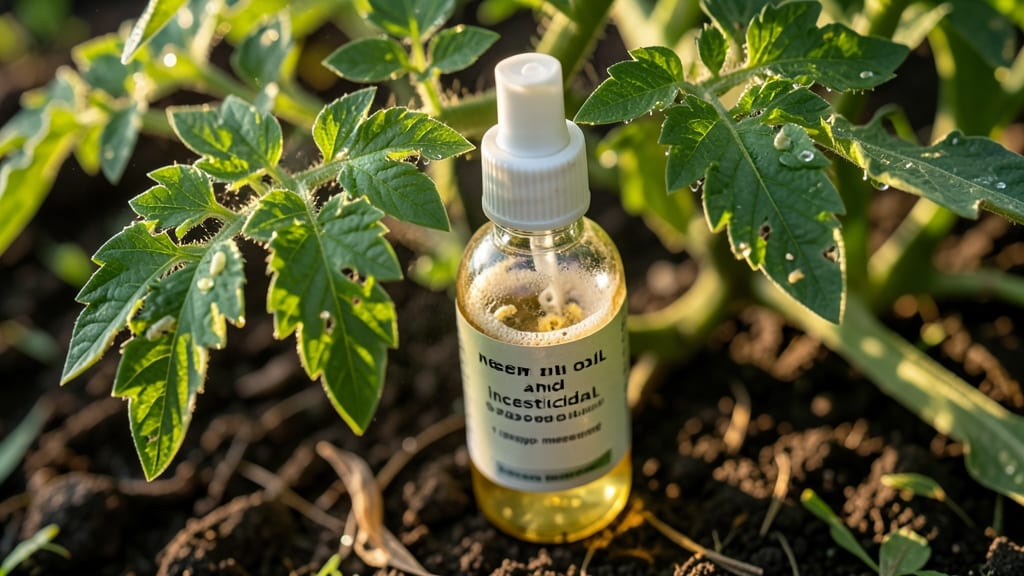
When you spot the first signs of tomato leaf worm larvae munching on your young tomato plants, a neem oil and insecticidal soap blend is your secret weapon. This dynamic duo doesn’t just repel pests—it disrupts their feeding habits and suffocates them before they cause real damage.
Mix 1 teaspoon of neem oil with 1 tablespoon of insecticidal soap in a quart of water, then spray directly on larvae and undersides of leaves. The neem oil interferes with their growth hormones, while the soap breaks down their protective waxy coating. Apply in the early morning or evening to avoid harming beneficial insects. Reapply every 5-7 days until larvae disappear.
This blend is perfect for young plants or early infestations, giving your tomatoes a fighting chance before the worms skeletonize the leaves. It’s gentle enough for organic gardens but tough enough to stop larvae in their tracks. 🌱
Garlic and Chili Pepper Spray

When tomato leaf worms strike, you need a pest-fighting punch—and nothing delivers like the garlic-chili combo. This homemade spray uses capsaicin (the compound that makes peppers hot) and sulfur compounds from garlic to create a natural repellent that larvae can’t stomach. Unlike chemical sprays, it’s safe for your plants, pets, and pollinators while packing a serious deterrent.
To make it, blend 2 cloves of garlic and 1-2 fresh chili peppers (like jalapeño or cayenne) with 1 quart of water, strain, and add a drop of dish soap for adhesion. Spray early morning or evening when larvae are most active, focusing on undersides of leaves where they hide. Reapply every 3-5 days or after rain—this spray works best as a preventive shield before infestations take hold.
Perfect for organic gardeners who want a zero-waste, kitchen-friendly solution, this spray also doubles as a broad-spectrum deterrent for other soft-bodied pests like aphids and spider mites. Just don’t spray on blooming plants—the capsaicin can harm pollinators. 🌻
Beauveria Bassiana Fungal Spray
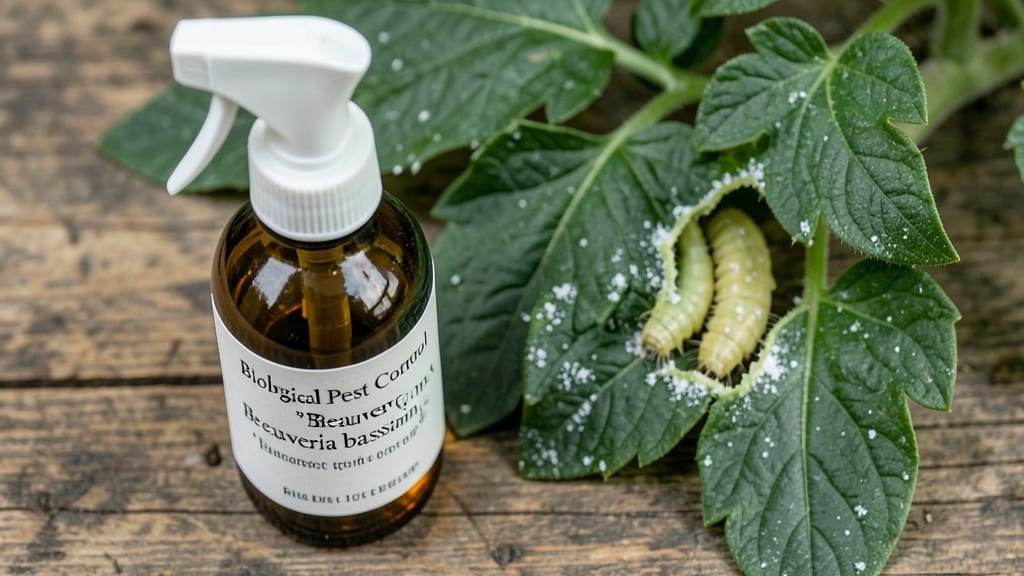
When chemical sprays stop working due to larvae resistance, Beauveria bassiana offers a biological alternative that attacks pests externally—no resistance buildup. This fungal spray is nature's precision weapon, targeting only caterpillars while leaving bees and other beneficial insects untouched.
Apply it during evening hours when humidity is high, ensuring spores adhere to larvae. Reapply every 7-10 days until infestations disappear. The best part? It works in large-scale gardens where synthetic pesticides fail, breaking the pest life cycle without harming your soil or plants.
Perfect for organic farmers and gardeners dealing with chemical-resistant pests, this spray turns your worst enemy into a fungal buffet. 🌟
Potassium Soap and Castile Soap Mix
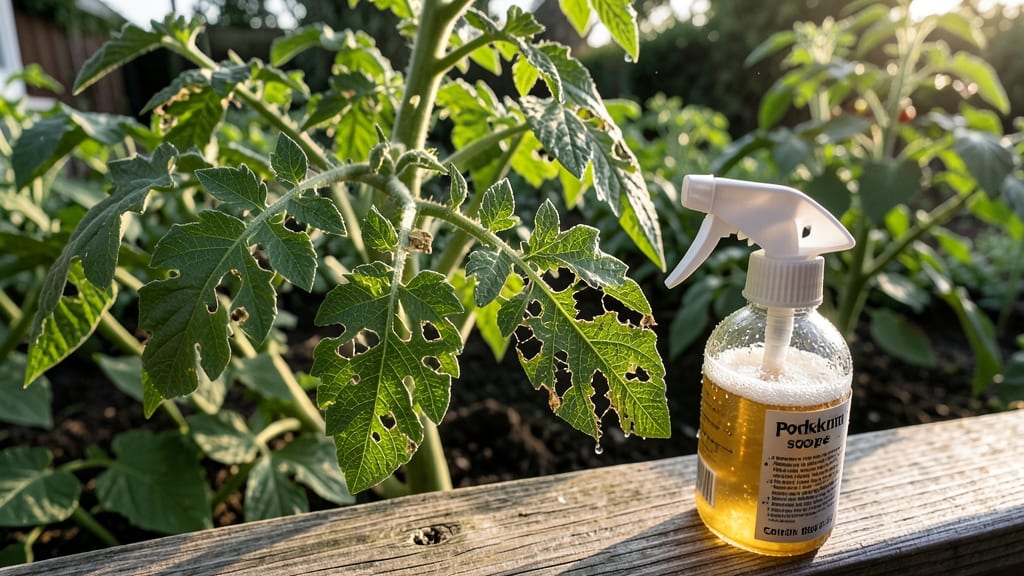
When your tomato plants look like lace from tomato leaf worm feeding, a potassium soap and Castile soap mix is your heavy-duty rescue. Unlike milder sprays, this combo doesn’t just repel—it chemically breaks down the larvae’s protective waxy coating, making them vulnerable to dehydration and suffocation.
Mix 1 tablespoon potassium soap (like Soft Scrub) with 1 tablespoon liquid Castile soap in a gallon of water, then apply directly to infested leaves. The alkaline potassium soap dissolves the larvae’s outer layer, while Castile soap’s saponins disrupt their cellular structure. Reapply every 3–4 days until new damage stops, focusing on the undersides of leaves where larvae hide.
This is the go-to solution for gardeners facing severe infestations—especially when leaves are already skeletonized. It’s tough enough for late-stage outbreaks but gentle enough for organic certification. 💪
Diatomaceous Earth and Water Spray
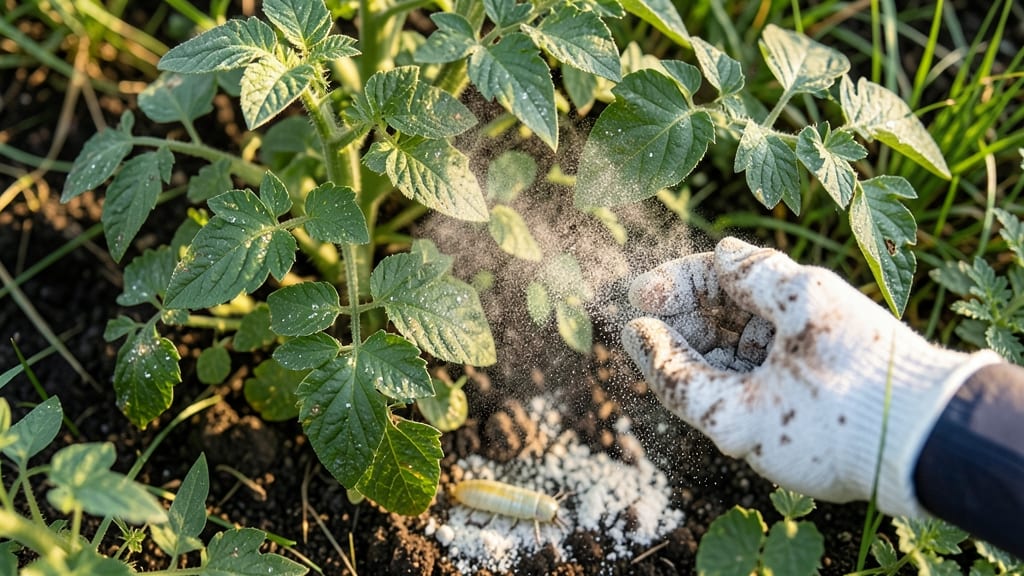
When your tomato plants are already mature and showing signs of tomato leaf worm damage, you need a solution that works fast and physically stops larvae in their tracks. Diatomaceous earth (DE) is a fine, powdery mineral that acts like microscopic glass shards—abrasively damaging the larvae's delicate exoskeleton while leaving your plants unharmed.
For best results, apply DE in dry conditions (rain or dew will wash it away). Lightly dust the powder on leaves, stems, and soil around your plants, focusing on areas where larvae are active. Reapply every 3-5 days or after rain, as the powder loses effectiveness when wet. This method is especially effective for gardeners who prefer non-toxic, chemical-free solutions that don’t harm beneficial insects like bees or ladybugs.
Perfect for mature plants already under siege, DE is a go-to for organic gardeners who want a mechanical approach to pest control. Just remember: patience and consistency are key to seeing those larvae retreat. 💪
Bt (Bacillus Thuringiensis) Kurstaki
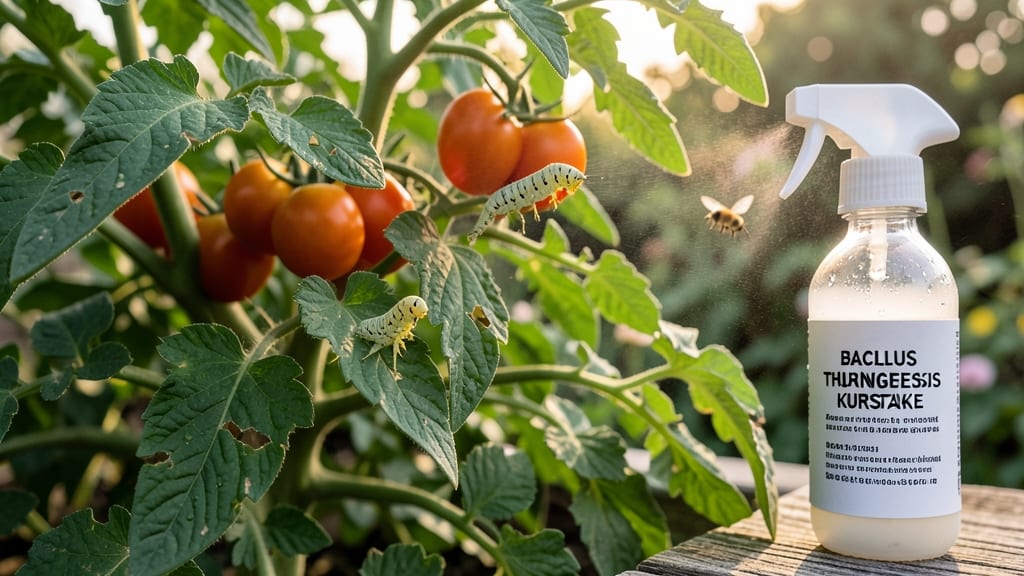
When you spot tomato leaf worms munching on your plants, you want a solution that stops them fast—but without harming bees, ladybugs, or other garden helpers. Bt (Bacillus thuringiensis) Kurstaki is that precision tool, a microbial spray designed to target only caterpillars while leaving beneficial insects untouched.
This spray works by producing proteins that disrupt the digestive systems of caterpillars like tomato leaf worms, causing them to stop feeding within hours. It’s especially effective when applied early in the evening to avoid harming bees and butterflies that might be active during the day. Reapply every 7–10 days or after rain, and always follow label instructions for concentration.
Perfect for organic gardeners, Bt Kurstaki is a go-to for those who prioritize pollinator safety and want a chemical-free way to protect their tomatoes. It’s also ideal for gardens with companion plants like herbs and flowers that attract beneficial insects. 🌿
Citrus Oil and Water Emulsion
Struggling with tomato leaf worms in your greenhouse? A citrus oil and water emulsion might be the secret weapon you need. Unlike other sprays that rely on physical contact or harsh chemicals, this solution works by confusing the larvae’s scent receptors—making your plants less appealing to them.
To make it, blend 2 tablespoons of cold-pressed citrus oil (like orange or lemon) with 1 quart of water and a few drops of dish soap to help it stick. Spray early in the morning when larvae are most active, focusing on the undersides of leaves where they hide. The limonene in citrus oil disrupts their ability to detect host plants, forcing them to search elsewhere.
This is especially useful in low-airflow greenhouses where other sprays might evaporate too quickly. It’s also safe for beneficial insects and won’t harm your tomatoes if used correctly. Perfect for organic growers who want a gentle yet effective solution! 💚
Milk Protein Spray (Casein-Based)
Want a preventive shield for your tomatoes that’s as gentle as it is effective? Milk protein spray creates an invisible barrier that tomato leaf worm larvae can’t chew through, giving you a chemical-free way to protect your plants before infestations take hold.
Made from casein (the protein in milk), this spray dries into a thin film on leaves that disrupts larvae’s ability to feed. Simply mix 1 part skim milk with 9 parts water, add a drop of dish soap to help it stick, and spray every 7–10 days or after rain. It’s especially useful for young plants or when you spot early signs of egg clusters.
This method is perfect for organic gardeners who prefer non-toxic solutions and want to avoid harming bees or other beneficial insects. Plus, it’s a great way to repurpose leftover milk—no waste, just healthier plants! 🌱
Pyrethrin-Infused Oil Spray
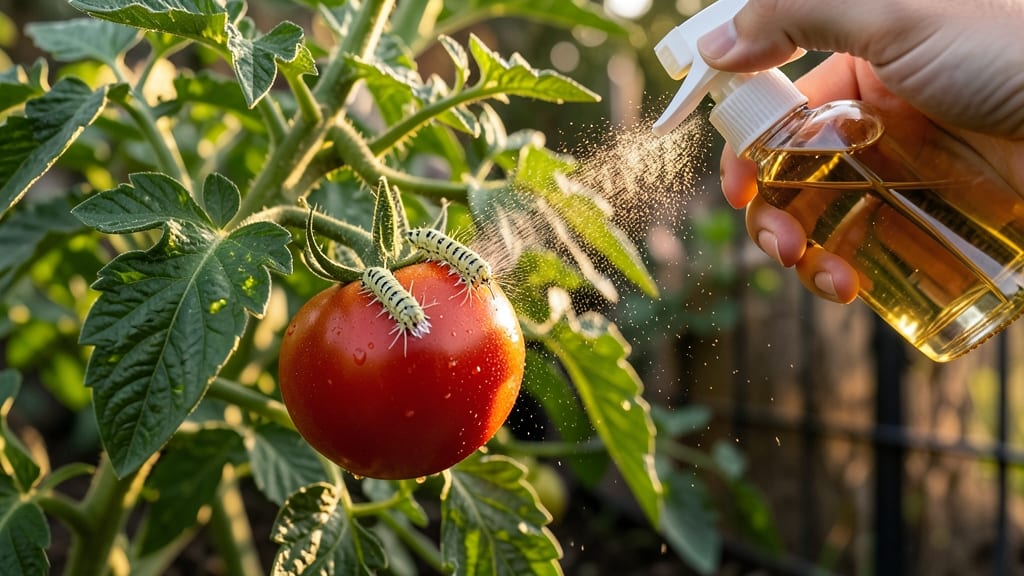
When tomato leaf worms are actively munching on your fruit, you need a fast-acting solution—enter pyrethrin-infused oil spray. Derived from chrysanthemum flowers, this spray disrupts the nervous system of larvae within minutes, making it perfect for emergency situations when damage is already visible.
Mix pyrethrin extract with a carrier oil (like sunflower or mineral oil) and water for a potent spray. Apply directly to larvae and affected foliage during the early morning or late evening to avoid harming pollinators. While it works quickly, its effects last only 24-48 hours, so reapply as needed during active feeding periods.
This spray is ideal for gardeners who need immediate results but want to avoid synthetic chemicals. Just be sure to store it in a cool, dark place and reapply after rain. 🌟
Compost Tea and Beneficial Microbes

While other sprays focus on killing pests after they appear, compost tea works like a preventative shield for your tomato plants. This nutrient-rich liquid, brewed from decomposed organic matter, introduces beneficial microbes that outcompete harmful pathogens and strengthen your plants' natural defenses against pests like tomato leaf worms.
To use it, steep finished compost in water for 24-48 hours, then strain and spray onto foliage and soil. The microbes in compost tea boost root growth, improve nutrient uptake, and even attract natural predators like ladybugs and nematodes that feed on leaf worm eggs. For best results, apply every 2-4 weeks during the growing season or whenever you notice stress in your plants.
This isn't just another quick-fix spray—it's an investment in your soil's long-term health. Gardeners using compost tea report fewer pest problems year after year, making it the ultimate proactive solution for sustainable tomato growing. 💚