
Leaf Blower
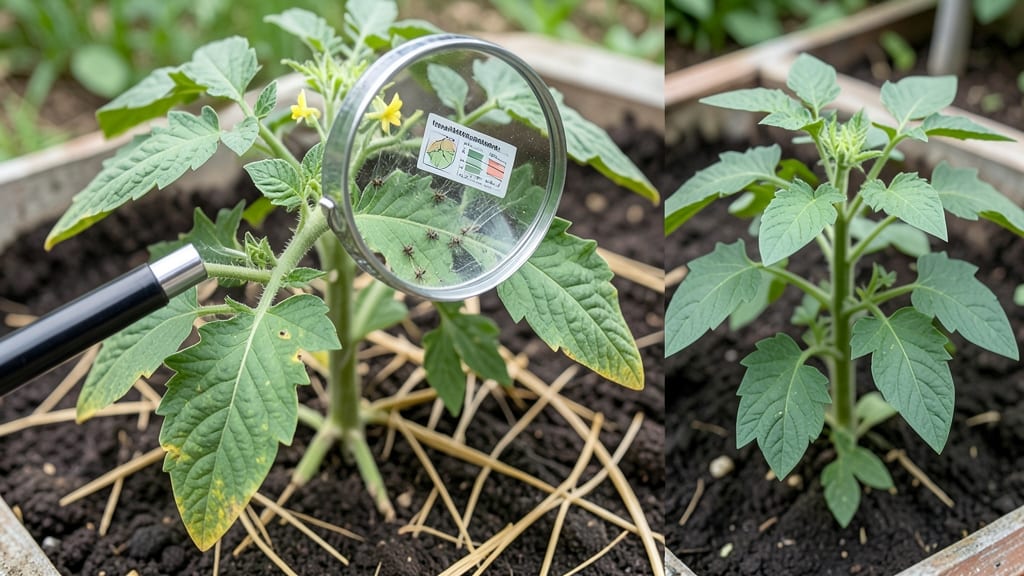
The leaf curl downward in tomato plants is the gardener's worst nightmare—until you know the 3 simple fixes that save your plants. 🌱 I've seen this happen after a single hot afternoon, a pest infestation, or even overzealous watering, and the good news is you can often reverse it before it spreads.
The first step is diagnosing the real cause: check leaf undersides for tiny bugs, inspect stems for wilting patterns, and feel the soil moisture. Most downward curls come from one of three culprits—aphids, environmental stress, or viral infections—and each needs a different approach.
My plants bounce back every time once I identify the root problem. You'll restore those leaves to their proper shape in 3-7 days with targeted care, and the best part? Prevention is easier than you think.
A few simple adjustments to your watering, shading, and pest control routines will keep your tomatoes thriving all season long. This works for both garden beds and container-grown tomatoes, no matter your growing setup. Let's get those leaves flat and your plants back on track!
Root Causes Behind Leaf Curling
When your tomato plants start showing signs of leaf curl downward, it’s often a cry for help from the roots—or even tiny invaders you can’t see. Understanding the why behind this problem is the first step to fixing it.
Below, we break down the most common culprits, from environmental stressors to sneaky pests, with clear explanations of how they trigger this frustrating symptom.
Tomatoes are resilient, but they have limits. Extreme conditions—whether heat, cold, or improper watering—can cause leaves to curl downward as a survival mechanism. Here’s how each factor plays a role:
- Temperature Swings:
Tomatoes thrive in warm but not scorching conditions (ideal range: 70–85°F during the day, 60–65°F at night). When temps soar above 90°F or drop below 55°F, leaves may curl to reduce water loss (a process called transpiration).
High heat also disrupts nutrient uptake, weakening the plant’s structure.
- Watering Woes:
Both underwatering and overwatering can trigger leaf curl. When soil dries out, roots struggle to supply water, causing leaves to curl inward to conserve moisture. Conversely, waterlogged soil cuts off oxygen to roots, leading to root rot and nutrient starvation—another stress signal that manifests as downward curling.
- Wind or Physical Damage:
Strong winds or rough handling (like brushing against leaves) can bruise or desiccate foliage. The plant responds by curling damaged edges downward to minimize exposure and focus energy on undamaged areas.
💡 Pro Tip: Check the soil moisture with your finger—top 1 inch should be dry between waterings. If leaves curl after watering, you may be overdoing it (especially in clay soil).
Some of the most damaging causes of leaf curl are invisible to the naked eye—like viruses, bacteria, or tiny pests hitching a ride on your plants. Here’s how they wreak havoc:
🦠 Viruses: The Ultimate Stealth Attack
The Tomato Leaf Curl Virus (ToLCV), spread by whiteflies, is a top culprit. This virus hijacks plant cells, disrupting hormone production (like cytokinins) that control leaf shape.
As a result, leaves curl downward, become thickened, and may develop a yellow mottling. Unlike environmental stress, viral infections spread rapidly and have no cure—only prevention.
🐜 Whiteflies & Spider Mites: Sap-Sucking Menaces
These tiny pests (often found on the undersides of leaves) pierce plant cells to feed on sap. Their saliva contains toxins that distort leaf growth, causing curling, yellowing, and stunted growth. Whiteflies also transmit viruses, making them doubly dangerous.
🍄 Fungal & Bacterial Infections: The Slow Burn
Pathogens like early blight or bacterial spot can cause leaf edges to curl and crisp as the plant tries to contain the infection. Fungal spores thrive in humid, stagnant air, while bacteria often enter through wounds (like from pruning or hail).
🔍 How to Tell the Difference:
Cause
Leaf Curl Pattern
Other Clues
Environmental Stress
Even curling, often all leaves on the plant
No spots, webbing, or pests visible
Virus (ToLCV)
Thickened, cup-shaped curling with yellow mottling
Whiteflies present; stunted growth
Pests (Whiteflies/Mites)
Curling with sticky residue or fine webbing
Tiny insects on leaf undersides
Fungal/Bacterial
Curling with spots, lesions, or edge browning
Moisture on leaves; possible leaf drop
Tomatoes are heavy feeders, and a lack of key nutrients can cause leaves to curl as the plant prioritizes survival over growth. Here’s what to watch for:
- Nitrogen (N) Deficiency:
Leaves may curl downward and inward, turning yellow (chlorotic) between veins. Nitrogen is crucial for leaf development, so a shortage signals the plant to conserve energy by reducing leaf surface area.
- Potassium (K) Deficiency:
Older leaves curl and develop brown, crispy edges (a classic sign of potassium burn). Potassium regulates water balance and cell stability—without it, leaves lose rigidity and curl.
- Magnesium (Mg) Deficiency:
Leaves curl upward (not downward) and show interveinal yellowing (between veins). Magnesium is central to chlorophyll production, and its lack forces leaves to curl to protect damaged cells.
💡 Pro Tip: Test your soil’s pH (ideal: 6.0–6.8)—nutrient uptake drops if it’s too acidic or alkaline. A balanced 5-10-10 fertilizer (or compost tea) can often reverse deficiencies quickly.
If the roots are unhealthy, the entire plant suffers. Downward leaf curl can be a last-resort signal that roots are struggling to support the foliage. Common root-related causes include:
- Root Rot:
Caused by overwatering or poor drainage, root rot (Phytophthora or Pythium) turns roots black and mushy. The plant can’t absorb water or nutrients, leading to wilting and downward curling—even when soil is wet.
- Compacted Soil:
Heavy or clay soil restricts root growth, limiting water and oxygen access. Roots become stunted, forcing the plant to curl leaves downward to reduce transpiration.
- Root-Bound Plants:
If your tomato is in a too-small container, roots circle the pot, strangling themselves. This chokes nutrient uptake, causing leaves to curl as the plant star
Quick Fixes for Curling Tomato Leaves
If your tomato plants are showing signs of leaf curl downward, don’t panic—there are practical ways to diagnose the issue and take action. The key is identifying the root cause (whether it’s viral, environmental, or pest-related) and applying targeted solutions.
Below are step-by-step fixes tailored to the most common triggers, along with prevention tips to keep your plants thriving.
Before jumping into fixes, rule out the likely culprit.
Leaf curl can stem from: - Tomato Leaf Curl Virus (ToLCV) – Spread by whiteflies or infected plants. - Environmental Stress – Heat, drought, or poor soil drainage. - Pests – Spider mites, aphids, or whiteflies feeding on leaves. - Fungal/Bacterial Issues – Overwatering or humidity can cause leaf distortion.
Quick Test: Inspect the undersides of leaves for tiny whiteflies or webbing (pests) or check for yellowing veins (viral). If the curl is sudden and accompanied by stunted growth, it’s likely viral.
If heat, drought, or poor soil is the issue, your tomatoes can bounce back with these adjustments:
👨🍳 Hydrate Properly
- Water deeply 1–2 times per week (depending on climate) to encourage strong roots.
- Avoid wetting leaves to prevent fungal spread—water at the base instead.
- Mulch with straw or grass clippings to retain moisture and regulate soil temperature.
🥘 Optimize Growing Conditions
- Provide shade cloth (30–50%) if temperatures exceed 90°F (32°C).
- Improve airflow by pruning crowded foliage or spacing plants 18–24 inches apart.
- Fertilize lightly with a balanced 10-10-10 or compost tea to boost recovery.
💡 Pro Tip: Morning watering reduces evaporation and fungal risks. If soil feels dry 1–2 inches deep, it’s time to water!
Pests weaken plants, making them susceptible to viral infections. Act fast with these organic and chemical-free methods:
🌿 Natural Pest Control
- Neem oil spray (1 tbsp neem oil + 1 tsp mild soap + 1 quart water).
Spray every 5–7 days until pests vanish. - Introduce beneficial insects: Ladybugs, lacewings, or predatory mites eat aphids and spider mites. - Blast off pests: Use a strong spray of water to dislodge mites from leaves.
🎯 Chemical-Free Barriers
- Sticky traps (yellow or blue) near plants to catch whiteflies.
- Diatomaceous earth (DE) – Sprinkle lightly on soil (avoid direct leaf contact) to deter crawling pests.
✨ Prevention Tip: Inspect new plants before bringing them home—quarantine them for 2 weeks to spot hitchhiking pests.
If your tomatoes have the Tomato Leaf Curl Virus (ToLCV), there’s no cure—but you can limit damage and prevent spread:
🚫 Remove Infected Plants Immediately
- Dig up and destroy curled or stunted plants (do not compost them—burn or trash them).
- Disinfect tools with 70% rubbing alcohol between uses to avoid cross-contamination.
🌱 Strengthen Healthy Plants
- Boost immunity with silica-rich compost or kelp meal (1 tbsp per plant).
- Rotate crops next season—avoid planting tomatoes, peppers, or eggplants in the same spot for 3–4 years.
- Use reflective mulch (aluminum foil or silver plastic) to deter whiteflies, the virus’s primary carrier.
🌡️ Prevention Tip: Whitefly-proof your garden by:
- Planting marigolds, basil, or nasturtiums nearby (they repel whiteflies).
- Yellow sticky traps placed 1 foot above plants to monitor and catch whiteflies early.
Stop future outbreaks with these low-effort habits:
| Action | How to Do It | Why It Works |
|---|---|---|
| Start with healthy seeds | Buy certified disease-free seeds or grow from virus-tested plants. | Cuts down on initial infection risk. |
| Control whiteflies year-round | Check greenhouse edges, nearby weeds, and stored plants. | Whiteflies spread ToLCV even when tomatoes aren’t growing. |
| Test soil annually | Use a pH test kit (aim for 6.0–6.8). | Poor soil health stresses plants, making them vulnerable. |
| Solarize soil in fall | Cover beds with clear plastic for 4–6 weeks to kill pathogens. | Reduces viral overwintering. |
Final Thought: While viral infections are tough to reverse, environmental fixes and pest control can save many plants. Act fast, stay vigilant, and your tomato harvest will thank you! 🍅🌿
Frequently asked questions about tomato leaf curl
Why do only the newer leaves curl downward while older leaves stay flat?
This is often a sign of nutrient deficiency or viral infection. Newer leaves show symptoms first because the plant prioritizes sending nutrients to mature leaves. Check for potassium deficiency (brown crispy edges) or Tomato Leaf Curl Virus (thickened, yellowed leaves). If only new growth curls, it's rarely environmental stress.
Can I save my tomato plants if they have the Tomato Leaf Curl Virus?
There's no cure for ToLCV, but you can limit damage. Remove infected plants immediately to prevent spread, and focus on strengthening healthy plants with kelp meal or compost tea. Use reflective mulch and yellow sticky traps to deter whiteflies—the virus's main carrier. For next season, practice 3-4 year crop rotation.
How do I tell if my tomato leaves are curling from heat stress vs. pests?
Heat stress causes even curling on all leaves with no visible pests or spots. Pest damage shows as sticky residue, fine webbing, or tiny insects on leaf undersides. Check for whiteflies or aphids—if present, they're likely the culprit. Heat-stressed leaves will improve with shade cloth, while pest damage requires neem oil or beneficial insects.
Will pruning help my tomato plants recover from leaf curl?
Pruning can help only if the curl is from environmental stress or pests. Remove severely curled leaves to redirect energy to healthy growth, but avoid heavy pruning if the plant is already weak. For viral infections, pruning won't help—focus on removing infected plants instead. Always sterilize pruners with rubbing alcohol between cuts.
Can I still harvest tomatoes from plants with curled leaves?
Yes, but only if the curl is from environmental factors (not viral). Harvesting reduces plant stress and may improve recovery. If leaves are curling from ToLCV, the fruit may still be safe to eat, but avoid using infected plants for seed saving. Always wash tomatoes thoroughly before eating, regardless of leaf health.