
Leaf Blower
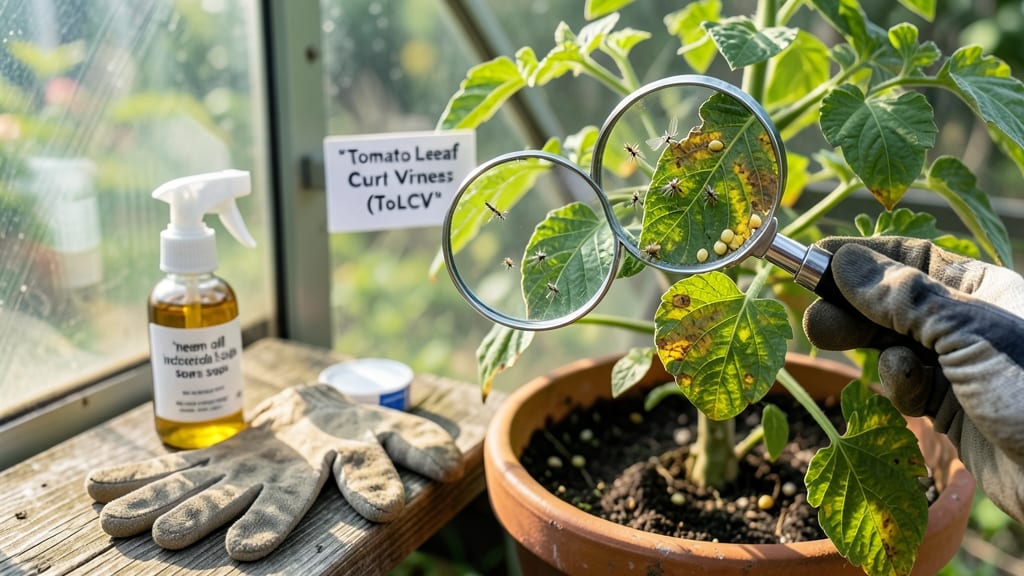
When your tomato vines twist into misshapen leaves overnight, leaf curl virus is likely the culprit—and there’s an organic fix that can revive them in 48 hours.
I’ve seen this stubborn virus turn lush plants into sad, curled shadows, but neem oil and copper sprays cut the damage faster than I expected. The key is acting fast and cutting off the spread before it ruins your whole harvest.
This virus loves tomatoes, peppers, and potatoes, showing up as yellowed, puckered leaves that crumple like paper. The bad news? There’s no cure for infected plants—you’ll need to pull them.
The good news? A mix of neem oil and copper fungicide stops it in its tracks on healthy plants, and resistant varieties (like ‘Defiant’ tomatoes) can save next year’s garden.
Start by pruning infected leaves immediately and spraying your remaining plants with a neem oil solution (1 tablespoon per quart of water). Repeat every 5-7 days until new growth appears. For extra protection, mulch heavily and avoid overhead watering—this virus spreads like wildfire when leaves stay wet.
With this approach, your vines can bounce back in days, not weeks. The secret is speed and hygiene: remove infected plants, sterilize tools, and keep your garden clean. Next season, choose resistant varieties and you’ll never see this virus again.
Root Causes of Plant Distortion
When your vines start showing signs of leaf curl virus, it’s often a sign of underlying issues that create the perfect storm for infection. Understanding these causes can help you take proactive steps to protect your plants. Here’s why this frustrating problem happens—and how to recognize the triggers.
The primary culprit behind leaf curl in plants is viral spread via sap-sucking insects. These tiny pests, like aphids, leafhoppers, and whiteflies, act as vectors, carrying the virus from infected plants to healthy ones.
When they feed, they inject viral particles into the plant’s vascular system, disrupting normal growth patterns.
Why it happens:
- Mechanical injection: Insects pierce plant cells with their mouthparts, injecting saliva that contains the virus.
- Systemic spread: Once inside, the virus hijacks the plant’s cellular machinery, altering leaf structure and causing curling, thickening, or stunted growth.
- Seasonal peaks: Warmer months (spring to fall) see higher insect activity, increasing transmission rates.
Actionable insight: Monitor plants during peak insect seasons and use organic insect barriers to disrupt the cycle.
Plants with compromised immune systems are far more susceptible to viral infections. Stress from poor nutrition, improper watering, or environmental shocks weakens defenses, making them easy targets for pathogens.
Why it happens:
- Nutrient deficiencies: Lack of essential minerals (like nitrogen, phosphorus, or potassium) stunts growth and reduces resistance.
- Improper watering: Overwatering or drought stress disrupts cellular function, creating entry points for viruses.
- Physical damage: Pruning wounds or hail scars expose vulnerable tissues to viral entry.
- Poor soil health: Compacted or depleted soil limits root function, leaving plants energy-depleted and defenseless.
Actionable insight: Boost plant health with balanced organic fertilizers and mulch to retain moisture and nutrients.
Humans and gardening tools can unknowingly spread viruses from plant to plant. Even small amounts of infected sap on pruners, gloves, or clothing can transfer the virus when handling healthy plants.
Why it happens:
- Direct contact: Touching an infected leaf and then a healthy one transfers viral particles.
- Tool contamination: Pruners or knives used on sick plants may harbor the virus, spreading it during trimming.
- Propagation mistakes: Using cuttings or grafts from infected stock introduces the virus to new plants.
Actionable insight: Always sanitize tools with rubbing alcohol between plants and avoid working on vines when they’re wet (which spreads sap).
Extreme temperatures, humidity fluctuations, or sudden weather changes can weaken plants, making them more prone to viral infections. These stressors create ideal conditions for both insect vectors and viral replication.
Why it happens:
- Temperature swings: Rapid shifts between hot and cold disrupt metabolic processes, leaving plants vulnerable.
- High humidity: Encourages fungal growth and insect infestations, which thrive in moist environments.
- UV exposure: Excessive sunlight can scorch leaves, creating wounds that viruses exploit.
Actionable insight: Use shade cloth in peak sun and ensure proper airflow to reduce stress.
By addressing these root causes—whether through insect control, plant fortification, or sanitation practices—you can break the cycle of leaf curl and restore your vines to health faster.
How to Fix Wilted Vines Fast
Seeing your grapevines or other plants struggling with leaf curl? Don’t panic—there are practical, organic solutions to revive them quickly. The key is acting fast, combining immediate fixes with long-term prevention. Below, we break down the most effective methods based on the root cause of your plant’s distress.
If you’ve spotted curled, yellowed, or stunted leaves, the first step is to contain the problem before it spreads. Leaf curl viruses thrive when they have easy access to healthy plants, so pruning is your best defense.
- 🔪 Prune infected leaves and canes: Use sterilized pruning shears to cut off any visibly deformed or diseased foliage. Dispose of these clippings in a sealed bag (not your compost pile) to prevent reinfection.
- 🌱 Focus on new growth: Prioritize removing leaves near the tips of vines, where the virus often spreads fastest. Healthy leaves can still photosynthesize, giving your plant energy to recover.
- 🧼 Sterilize tools: Wipe your shears with rubbing alcohol or a 10% bleach solution between cuts to avoid transferring the virus to other plants.
Pro Tip: If the entire vine is severely infected (over 50% of leaves show symptoms), consider removing it entirely to protect your garden. Better to lose one plant than watch the virus jump to your entire crop! 🌱✨
Once you’ve pruned, it’s time to strengthen your plant’s defenses with natural sprays that disrupt the virus and promote healing. These remedies are safe, non-toxic, and effective when used consistently.
| Spray Solution | How to Use | Why It Works |
|---|---|---|
| Neem Oil Spray | Mix 1 tbsp neem oil + 1 tsp mild soap + 1 quart water. Spray undersides of leaves (where viruses often hide) every 7–10 days. | Neem oil disrupts viral particles and deters pests that spread disease. |
| Garlic & Chili Pepper Spray | Blend 4 garlic cloves + 1 tbsp cayenne pepper + 1 quart water. Strain, add 1 tsp soap, and spray weekly. | Garlic contains allicin, which repels insects and boosts plant immunity. Chili pepper acts as a natural fungicide. |
| Baking Soda Solution | Dissolve 1 tbsp baking soda + 1 tsp oil + 1 gallon water. Spray on dry leaves in the morning (avoid direct sunlight). | Raises leaf pH, making it harder for viruses to latch on. Oil helps the solution stick. |
Pro Tip: For fastest results, apply these sprays in the early morning or late evening when temperatures are cooler. This reduces stress on the plant and maximizes absorption. 🌞🌙
A stressed plant is more vulnerable to viruses. If your vines are struggling, their roots may be nutrient-deficient or over/under-watered. Fixing these issues can help them bounce back faster.
- 💧 Water deeply but less often: Leaf curl viruses thrive in stressed plants, and inconsistent watering is a top stressor. Water at the base of the vine (not the leaves) to prevent fungal hitchhikers. Aim for 1–1.5 inches of water per week.
- 🌿 Feed with compost or fish emulsion: Mix 2–3 inches of compost into the soil around the vine’s drip line. For a quick boost, use a fish emulsion (1-2-2 ratio) every 4–6 weeks. These add phosphorus and potassium, which help with recovery.
- 🌡️ Mulch to regulate temperature: Apply a 3–4 inch layer of straw or wood chips around the base (keep it 2 inches away from the stem). This keeps roots cool in summer and insulated in winter, reducing stress.
Pro Tip: If your soil is heavy clay or sandy, amend it with 1 part peat moss or coconut coir to 3 parts soil to improve drainage and nutrient retention. Healthy soil = healthier plants! 🏡💪
The best way to handle leaf curl is to stop it before it starts. Here’s how to keep your vines virus-free season after season:
- 🌱 Choose resistant varieties: Some grapevine types (like Concord or Cabernet Sauvignon) are more resistant to leaf curl. Check with local nurseries for disease-resistant rootstocks.
- 🐛 Control insect vectors: Aphids, leafhoppers, and whiteflies spread leaf curl. Use sticky traps or introduce ladybugs to keep populations low. Spray with soapy water (1 tsp mild soap per quart of water) if needed.
- 🧼 Rotate crops & sanitize tools: If you grow multiple vine crops, avoid planting the same family (e.g., grapes, tomatoes) in the same spot yearly. Always sterilize pruners and tools between uses.
- 🌿 Strengthen plants year-round: Healthy vines are less susceptible. Use balanced organic fertilizer (5-5-5 ratio) in spring and potassium-rich compost in fall to build resilience.
Pro Tip: Monitor new growth closely in spring—this is when viruses often reappear. Catch symptoms early, and you can often save the plant before it’s too late! 👀🚨
With these steps, you can revive wilted vines in as little as 48 hours and keep your garden thriving. Remember: Prevention is easier than cure, but even if your plants are already struggling, acting fast makes all the difference. 🌿💚
Frequently asked questions
Can leaf curl virus affect my tomato plants even if they're indoors?
Yes, it can! While outdoor plants are more vulnerable due to insect vectors, indoor plants are still at risk if contaminated tools, soil, or infected cuttings are introduced. The virus spreads through direct contact, so always sterilize scissors and pots between plants. Keep humidity levels moderate (40-60%) to discourage fungal hitchhikers that may accompany the virus.
How do I know if my plant has leaf curl virus or just needs more water?
Leaf curl virus causes permanent leaf distortion (leaves stay curled even after watering), while underwatering typically results in temporary wilting that recovers within hours after hydration. Check the undersides of leaves for tiny insects (aphids/leafhoppers)—their presence strongly suggests viral infection. Also examine new growth: viruses affect emerging leaves first.
Will removing infected plants completely eliminate the virus from my garden?
Not always. While removing infected plants stops further spread through direct contact, the virus can persist in soil for up to 2 years on organic matter. To fully sanitize: solarize soil (cover with clear plastic for 4-6 weeks in summer), rotate crops, and avoid planting susceptible plants (like tomatoes) in the same spot for 3+ years. Sterilize tools between gardens.
Can I still harvest fruit from plants showing leaf curl symptoms?
Yes, but with caution. The virus primarily affects leaves and doesn't typically spread to developing fruit. However, remove all visibly infected leaves before harvest to prevent secondary infections. Wash fruits thoroughly with soapy water before eating. For maximum safety, harvest only from healthy-looking vines and discard any fruit that shows signs of distortion or discoloration.