
Planting
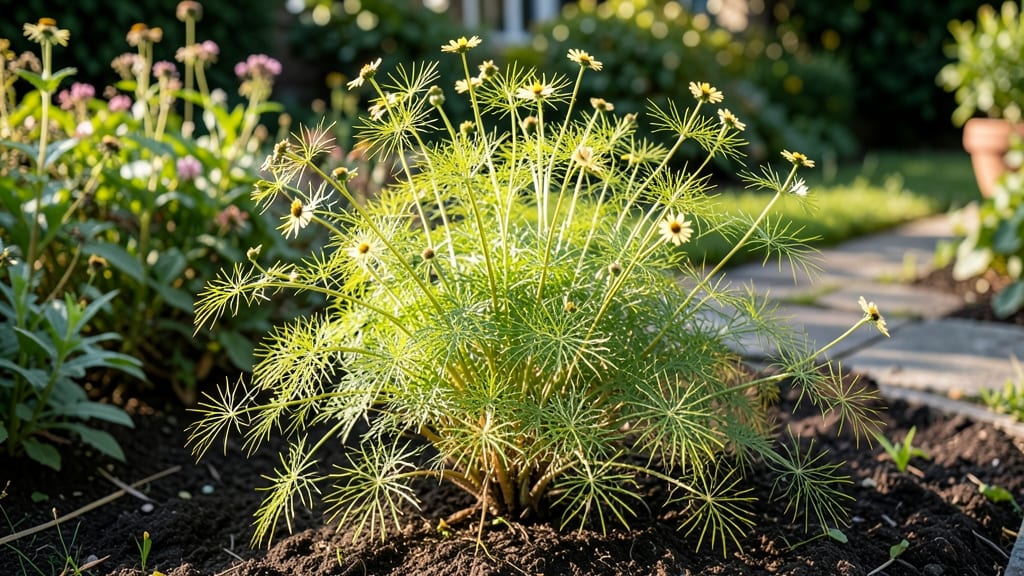
Growing spiked leaf plants like yucca or agave is the fastest way to add dramatic texture to your garden—some varieties sprout in just 7-10 days. 🌱 I’ve watched these architectural plants transform bare spots in containers and garden beds with almost no effort, and their sharp, sword-like foliage thrives year-round with minimal care.
The secret to their speed and resilience lies in well-draining soil and bright light—whether indoors near a south-facing window or outdoors in full sun. Most people overwater these plants, but they actually prefer dry conditions once established.
A 3-inch layer of gravel at the bottom of pots prevents root rot, and you’ll rarely need to water more than once a week, even in summer.
By late spring, your spiked plants will be 3-4 feet tall with bold, upright leaves that catch sunlight like glass shards. They handle heat, drought, and even urban pollution better than most foliage plants, making them perfect for low-maintenance gardeners.
Plus, their striking shapes add instant drama to any space—containers, borders, or even as standalone statement plants.
Whether you’re filling a patio pot or creating a desert-inspired garden bed, these plants adapt easily. Just avoid heavy, moisture-retentive soils, and you’ll have fast-growing, foolproof foliage that outlasts seasonal trends. Here’s how to get started with the right variety for your climate.
Why Leaves Develop Spikes
Understanding why your spiked leaf plant (often a Dracaena marginata, Sansevieria trifasciata, or similar variety) develops sharp, spiky foliage isn’t just about aesthetics—it’s tied to survival, genetics, and environmental cues. Here’s a breakdown of the key reasons behind those striking, pointed leaves:
Some plants are simply hardwired to grow spiky leaves as part of their species’ evolutionary design.
For example: - Dracaena marginata (Dragon Tree) has naturally serrated edges to reduce water loss and deter herbivores in its native arid habitats. - Sansevieria (Snake Plant) evolves sharp tips to minimize damage from grazing animals while conserving moisture. - Yucca or Agave varieties develop rigid, spiky foliage to protect their slow-growing crowns from predators.
Actionable takeaway: If your plant’s spikes are part of its natural form, embrace them! These traits often signal a healthy, mature specimen thriving in conditions similar to its wild origins.
Plants communicate distress through physical changes, and spikier growth can be a visible SOS. Common triggers include: - Light Stress - Too much direct sun can cause leaves to thicken and harden (a protective response to UV damage).
Variegated varieties may develop darker, spikier edges as chlorophyll concentrates. - Solution: Move to bright, indirect light (e.g., east-facing windows) and use sheer curtains to diffuse harsh rays.
- Water Imbalance - Underwatering prompts roots to signal the plant to reduce surface area (via spiky, narrow leaves) to conserve moisture. - Overwatering can lead to root rot, forcing the plant to grow thicker, waxy leaves as a barrier against fungal invasion. - Solution: Stick your finger 1–2 inches into soil—water only when dry.
Use a pot with drainage holes and well-draining soil (e.g., cactus mix + perlite).
- Temperature Shocks
- Sudden drops below 50°F (10°C) or drafts (e.g., near AC vents) can trigger stress spikes as the plant prioritizes defense over growth.
- Solution: Keep plants away from cold drafts and avoid temperature swings >10°F (5°C) daily.
Plants produce hormones like ethylene and auxin to regulate growth.
When disrupted, they can lead to: - Abnormal Spike Development - Ethylene gas (released by overripe fruit or poor air circulation) can stunt leaf growth, causing pointed, stunted spikes instead of broad foliage. - Solution: Remove overripe produce near your plants and ensure good airflow (e.g., space plants 6+ inches apart).
- Pruning or Damage Triggers
- Cutting leaves or stems releases auxin, which can redirect growth to harder, spikier regrowth near the wound.
- Solution: If pruning, use sterilized scissors and cut just above a node (leaf joint) to encourage balanced regrowth.
Lack of key nutrients can distort leaf shape, leading to spikes. Watch for these signs:
Deficiency
Leaf Symptom
Fix It With
Nitrogen (N)
Leaves turn yellow between veins and grow narrow, spiky to conserve resources.
Balanced houseplant fertilizer (e.g., 10-10-10) every 6–8 weeks.
Magnesium (Mg)
Yellow spikes along leaf edges (interveinal chlorosis).
Epsom salt soak (1 tbsp per gallon of water, monthly).
Potassium (K)
Brown, crispy tips and brittle, spiky new growth.
Banana peel tea or a potassium-rich fertilizer (e.g., 5-10-10).
Pro tip: Test your soil with a DIY kit (or send a sample to a lab) to pinpoint deficiencies before guessing!
Some pests physically alter leaf growth as they feed: - Spider Mites inject toxins that cause stunted, spiky growth and white webbing. - Scale Insects suck sap, leading to hardened, pointed leaves as the plant diverts energy to defense. - Solution: Wipe leaves with neem oil or spray with insecticidal soap.
Isolate infested plants to prevent spread.
Mature plants often develop more pronounced spikes as a natural part of aging. For example:
- Dragon Trees grow longer, sharper leaves with age, mimicking their wild counterparts.
- Snake Plants may produce taller, sword-like foliage in their later years.
Actionable tip: If your plant is years old and spikes appear gradual and uniform, it’s likely just thriving—not stressed! Focus on maintaining its care routine.
Quick Fixes for Common Spiky Foliage Issues
When your spiky-leaved plants start looking less sharp and more stressed, don’t panic! Most problems have simple, actionable solutions. Below, we’ve mapped common issues to their fixes—plus prevention tips to keep your plants thriving year-round. 🌿✨
Cause: Overwatering, poor drainage, or nutrient deficiency. Fix:
- Adjust watering: Let the top 1–2 inches of soil dry out between waterings. Stick your finger in the soil—if it’s soggy, hold off!
- Improve drainage: Repot into a container with drainage holes or mix in perlite/pumice to aerate the soil.
- Fertilize lightly: Use a balanced, water-soluble fertilizer (like 10-10-10) every 4–6 weeks during growing season.
Prevention Tip: 💡 Group plants with similar water needs together to avoid over/under-watering mix-ups.
Cause: Weak plants attract pests; dry air or crowded conditions worsen outbreaks. Fix:
- Isolate the plant immediately to prevent spread.
- Blast off pests: Spray leaves with a soapy water solution (1 tsp mild dish soap + 1 quart water) or neem oil spray (1 tbsp neem oil + 1 tsp soap + 1 quart water).
- Encourage beneficial insects: Ladybugs and lacewings love munching on pests—invite them with companion plants like marigolds.
Prevention Tip: 🌡️ Keep humidity moderate (40–60%) and avoid over-fertilizing, which attracts soft-bodied pests.
Cause: Low humidity, fluoride buildup (from tap water), or underwatering. Fix:
- Switch to distilled or rainwater to flush out minerals.
- Boost humidity: Place the pot on a tray of pebbles with water (ensure the pot isn’t sitting in water) or use a humidifier nearby.
- Trim damaged tips with clean scissors to encourage new growth.
Prevention Tip: ✨ Wipe leaves occasionally with a damp cloth to remove dust, which clogs pores and stresses the plant.
Cause: Lack of light, overcrowding, or root-bound conditions. Fix:
- Move to brighter light: Aim for 6+ hours of indirect sunlight daily. South- or west-facing windows are ideal.
- Rotate the pot weekly so all sides get even light exposure.
- Repot if root-bound: Gently remove the plant and prune tangled roots. Use a slightly larger container (only 1–2 inches wider).
Prevention Tip: 🎯 Prune leggy stems back by 1/3 to encourage bushier growth—just above a leaf node for best results.
Cause: Excess moisture, poor airflow, or contaminated soil. Fix:
- For powdery mildew: Spray with a baking soda solution (1 tsp baking soda + 1 quart water + a drop of soap) weekly until gone.
- For root rot: Remove the plant, trim black/mushy roots, and repot in fresh, sterile soil with perlite.
- Improve airflow: Space plants 2–3 inches apart and avoid overcrowding.
Prevention Tip: 🔥 Sterilize tools with rubbing alcohol between uses to prevent spreading spores.
Pro Tip: 🌟 When in doubt, mimic the plant’s natural habitat! Most spiky-leaved varieties thrive in well-draining soil and bright, indirect light—just like their wild counterparts.
Frequently asked questions
What are the most common types of spiked leaf plants?
Popular varieties include Dragon Trees (Dracaena marginata), Snake Plants (Sansevieria trifasciata), Yucca, and Agave. These architectural plants thrive indoors and outdoors, offering bold textures with minimal care. Each has unique leaf shapes—Dragon Trees have slender, arching leaves, while Snake Plants grow upright with pointed tips.
Can spiked leaf plants thrive indoors without sunlight?
Most spiked leaf plants need bright, indirect light to maintain their sharp foliage. Place them near east- or south-facing windows. If natural light is limited, use a grow light (12–14 hours/day) to prevent leggy, weak growth. Variegated types (like some Dracaenas) require even more light to keep their striking patterns.
How often should I water a spiked leaf plant?
Water only when the top 1–2 inches of soil are dry. These plants store water in their leaves, so they prefer drought over soggy conditions. In summer, water every 1–2 weeks; in winter, reduce to once a month. Overwatering causes root rot, which turns leaves yellow and mushy—always use pots with drainage holes.
Are spiked leaf plants toxic to pets?
Many popular spiked leaf plants, like Dragon Trees and Yucca, are mildly toxic to cats and dogs if ingested. Symptoms include drooling, vomiting, or lethargy. Keep them out of reach or opt for pet-safe alternatives like Haworthia (Zebra Plant) or Parlor Palm, which have similar textures but are non-toxic.
Can I propagate spiked leaf plants from cuttings?
Yes! Most spiked leaf plants propagate easily from stem or leaf cuttings. For Dragon Trees, cut a healthy stem below a leaf node, let it callus for 1–2 days, then place in moist soil. Snake Plants can be divided by separating offsets. Keep cuttings in bright, indirect light and mist occasionally until roots form (usually 4–6 weeks).