
Leaf Blower
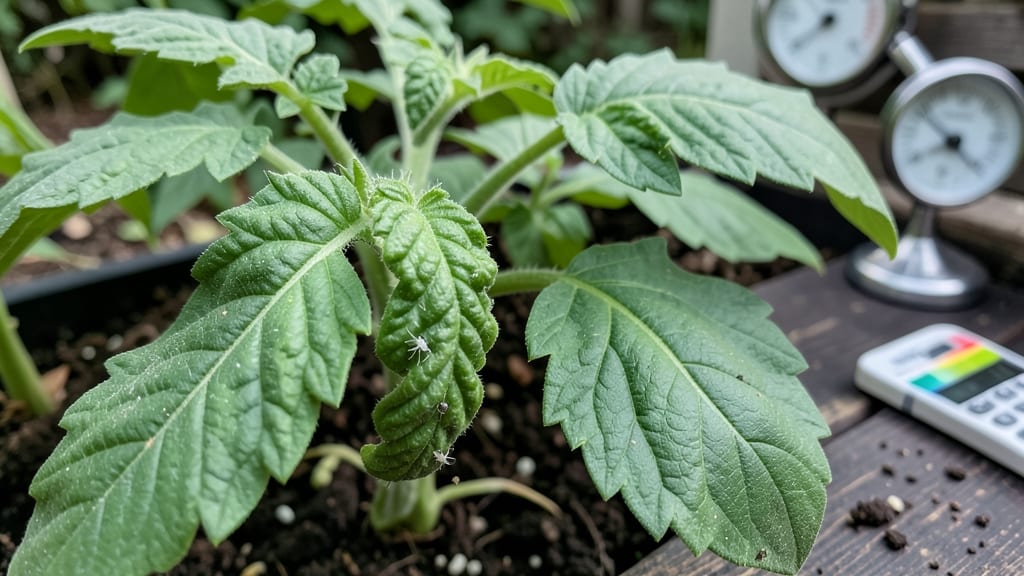
Seedling leaf curl can turn your promising starts into sad little shrubs overnight—unless you act fast. 🌱 The crinkled, distorted leaves aren’t just ugly; they’re a sign of stress, pests, or even viruses like cucumber mosaic.
I’ve saved dozens of seedlings by catching this early with neem oil, which creates a protective barrier while stopping further damage.
Most gardeners blame overwatering first, but leaf curl usually means spider mites, thrips, or a viral infection hiding in your soil or tools. The good news? You can often stop it before it spreads.
Start by inspecting seedlings under a bright light—look for tiny webs, speckled leaves, or stunted growth. If you spot these, quarantine the affected plants immediately to protect your healthy starts.
Neem oil works in 24-48 hours to smother pests and disrupt viral spread. Mix 1 tablespoon per quart of water with a drop of dish soap, then spray seedlings thoroughly—especially the undersides of leaves where mites hide.
Repeat every 3-5 days until new growth appears smooth and firm. For severe cases, toss the worst seedlings and sterilize your tools with rubbing alcohol.
Prevention is easier than treatment: keep seedlings in bright, indirect light, avoid overhead watering, and rotate crops yearly. If you’ve had this problem before, try resistant varieties like disease-tolerant tomatoes or peppers next season.
The key is speed—catch it early, and your seedlings will bounce back faster than you think.
Root Causes of Leaf Distortion
Understanding why seedlings develop curled leaves is the first step to fixing the problem. These issues often stem from environmental stressors, pest activity, or underlying plant health concerns. Below, we break down the most common culprits and why they trigger leaf curl in young plants.
Viral infections are a leading cause of leaf curl in seedlings, and they often spread through infected sap, contaminated tools, or pests like aphids.
The most notorious culprit is the Cucumber Mosaic Virus (CMV) or Tomato Yellow Leaf Curl Virus (TYLCV), which distort leaves by disrupting cell division and growth patterns.
- How it happens: Viruses hijack the plant’s genetic machinery, causing abnormal protein production that leads to stunted, curled, or yellowed leaves. - Key signs: Crinkled, mosaic-patterned leaves (light/dark green patches) and stunted growth. - Actionable tip: 💡 Remove infected seedlings immediately to prevent spread.
Sterilize tools with rubbing alcohol (70% or higher) and avoid overhead watering to deter aphids.
Sap-sucking insects like aphids, whiteflies, and spider mites inject toxins into leaves while feeding, triggering a defensive curl as the plant tries to limit damage. These pests also weaken seedlings, making them more susceptible to secondary infections.
- How it happens: Pests pierce plant cells, disrupting nutrient flow and causing leaves to pucker or twist.
Heavy infestations lead to silvery or yellowed undersides (a sign of mites) or sticky honeydew (aphids/whiteflies). - Key signs: Sticky residue, tiny webs (mites), or clusters of tiny insects on leaf undersides. - Actionable tip: 🔥 Spray seedlings with neem oil (1 tsp per quart of water) or introduce beneficial insects like ladybugs.
Repeat every 5–7 days until pests are gone.
Extreme or fluctuating conditions—like temperature swings, drought, or excessive humidity—can cause seedlings to curl their leaves as a survival mechanism. Unlike pests or disease, these issues are usually reversible with proper care.
- How it happens: - Heat stress: High temperatures (>90°F) cause leaf cells to lose turgor pressure, leading to wilting or curling. - Drought: Roots struggle to absorb water, forcing leaves to curl inward to reduce moisture loss. - Overwatering: Poor drainage leads to root rot, starving leaves of oxygen and nutrients, causing them to curl or yellow. - Key signs: Uniform curling (not just on one leaf), drooping, or soil that’s either bone-dry or waterlogged. - Actionable tip: ✨ Maintain consistent moisture (check soil 1 inch deep—it should feel like a damp sponge).
Use shade cloth in peak sun and ensure pots have drainage holes. For humidity control, use a humidifier or mist seedlings lightly in dry climates.
Imbalances in nitrogen, phosphorus, potassium, or micronutrients (like magnesium or calcium) can distort leaf growth. Over-fertilizing—especially with synthetic blends—can also burn roots, leading to curled or scorched leaves.
- How it happens: - Nitrogen deficiency: Leaves curl upward (cupping) and turn pale green/yellow. - Potassium deficiency: Leaf edges curl downward, and tips may brown. - Calcium deficiency: New leaves curl and develop "cupping" or "blistering." - Salt buildup (from over-fertilizing): Causes leaf edges to crisp and curl inward. - Key signs: Yellowing between veins (nitrogen), brown leaf edges (potassium), or distorted new growth (calcium). - Actionable tip: 💪 Test soil pH (ideal: 6.0–7.0 for most seedlings).
Use balanced organic fertilizer (like 5-5-5) and flush soil with water if you suspect salt buildup. For calcium, add crushed eggshells or lime to the soil.
Seedlings with delicate leaves can curl from rough handling, wind, or hail. Even minor abrasions disrupt the waxy cuticle layer, increasing water loss and stress.
- How it happens: Wind whips young leaves, causing them to curl protectively.
Physical trauma (like brushing against rough surfaces) can also trigger curling as the plant repairs damaged cells. - Key signs: Curling appears suddenly on exposed leaves, often with no other symptoms. - Actionable tip: 🌿 Provide windbreaks (like a small mesh screen) or move seedlings to a sheltered spot.
Handle plants gently, especially when transplanting—use a soft cloth to support leaves during transfers.
Quick Fixes for Wrinkled Seedling Leaves
Watching your seedlings develop twisted, curled leaves can be frustrating, but the good news is that most cases of seedling leaf curl respond well to targeted action. Below, we’ve mapped out practical solutions based on the most common causes—so you can diagnose, treat, and prevent future issues with ease.
Cause: Overwatering or uneven moisture stress. Solution:
- 💧 Step 1: Check Soil Moisture Stick your finger 1 inch into the soil. If it’s soggy, your seedlings are drowning. If it’s bone-dry, they’re thirsty. Aim for consistently moist but not waterlogged soil.
- 👨🍳 Step 2: Water at the Base Avoid wetting leaves—use a watering can with a narrow spout or a drip irrigation system to deliver water directly to the soil. Wet foliage invites fungal infections, which worsen curling.
- 🌡️ Step 3: Improve Drainage If your pots lack drainage holes, transfer seedlings to containers with holes or add a layer of perlite or coarse sand to the bottom of the pot to prevent root rot.
💡 Prevention Tip: Use a moisture meter (under $10) to track soil conditions. Most seedlings prefer soil that feels like a wrung-out sponge.
Cause: Sap-sucking insects (aphids, spider mites, whiteflies) or fungal pathogens. Solution:
- 🍳 Step 1: Isolate Infested Seedlings Move affected plants away from healthy ones to prevent spread. Inspect the undersides of leaves and stems for tiny pests.
- 🔥 Step 2: Spray Neem Oil Solution Mix 1 tsp neem oil + 1 tsp mild soap (like Castile) + 1 quart water.
Spray early in the morning or late evening (avoid direct sunlight, which can burn leaves). - Reapply every 5–7 days until pests disappear. - Bonus: Neem oil also acts as a fungicide, helping with powdery mildew.
- 🌿 Step 3: Introduce Beneficial Insects Release ladybugs or lacewings (available at garden centers) to eat aphids naturally. They’re especially effective in greenhouses or indoor setups.
💡 Prevention Tip: Preventative spray: Apply neem oil once a week during pest-prone seasons (spring/fall) to keep insects at bay.
Cause: Too much direct sun or inconsistent light. Solution:
- 🔍 Step 1: Assess Light Conditions Seedlings need 12–16 hours of light daily, but intense midday sun can scorch tender leaves. If leaves curl upward (like "sunburn"), they’re getting too much heat.
- 👨🍳 Step 2: Provide Gentle Light
- Outdoors: Use shade cloth (30–50%) to filter harsh rays.
- Indoors: Place seedlings 6–12 inches from grow lights (LED or fluorescent). Adjust height as they grow.
- 🌡️ Pro Tip: Rotate trays quarter-turn daily to ensure even growth.
- ⏰ Step 3: Extend Daylight Hours Supplement natural light with a grow bulb or LED panel if your seedlings aren’t getting enough sun (common in cloudy climates).
💡 Prevention Tip: Morning sun is gentler—position seedlings to receive soft morning light and afternoon shade if outdoors.
Cause: Extreme temperature swings or low humidity. Solution:
- 📊 Step 1: Monitor Conditions Ideal seedling temps: 65–75°F (18–24°C) during the day, 55–60°F (13–16°C) at night. Use a thermometer/hygrometer to track levels.
- 🌬️ Step 2: Increase Humidity
- DIY Humidity Dome: Cover seedlings with a clear plastic tent (like a repurposed salad container) to trap moisture.
- Peat Moss Trays: Place trays on a tray filled with water and pebbles to create a humid microclimate.
- Misting (Sparingly): Lightly mist leaves once daily (early morning) to prevent fungal issues.
- 🔥 Step 3: Avoid Drafts Keep seedlings away from AC vents, open windows, or heaters. Sudden cold snaps cause leaves to curl tightly.
💡 Prevention Tip: Group seedlings together—they create their own humidity bubble, reducing stress.
Cause: Over- or under-fertilization. Solution:
- 🚫 Step 1: Stop Fertilizing Immediately If leaves curl downward with yellowing, you’ve overfed. Flush the soil with plain water to leach excess salts.
- 🍽️ Step 2: Use a Gentle Feed Switch to a balanced, water-soluble fertilizer (like 5-5-5) diluted to half-strength. For seedlings, less is more—feed every 2–3 weeks max.
- 🥗 Step 3: Boost with Micronutrients If growth stalls, add a seaweed extract or fish emulsion (1 tsp/gallon) for a nutrient boost without burning roots.
💡 Prevention Tip: Test your water—if it’s hard (high in minerals), use rainwater or distilled water for fertilizing to avoid buildup.
If curling is severe (leaves are crispy, black, or falling off):
- Trim damaged leaves with sterilized scissors to redirect energy to healthy growth.
- Repot in fresh, sterile soil if root rot is suspected (smelly, mushy roots).
- Isolate the plant until it recovers to prevent spreading issues.
Final Thought: Most seedling leaf curl is reversible with quick adjustments. Start with water, light, and pests, then fine-tune fertilizer and environment. Neem oil is your best friend—it tackles insects, fungi, and even acts as a stress reliever for plants!
🌿 Pro Grower Hack: Keep a seedling care journal to track watering, light, and pest events. Patterns emerge fast, and you’ll spot problems before they spiral.
Frequently asked questions about seedling leaf curl
Why do my seedlings' leaves curl upward instead of downward?
Upward curling often signals heat stress or underwatering. When seedlings get too hot (especially above 85°F) or roots dry out, leaves curl upward to reduce water loss and protect delicate cells. Check soil moisture and provide afternoon shade if outdoors. For indoor seedlings, move them away from heat sources like vents or lamps.
Can neem oil fix viral infections like cucumber mosaic virus?
Neem oil won't cure viral infections, but it creates a protective barrier that can slow spread by killing pest vectors (like aphids) that transmit viruses. For confirmed viral cases, remove infected seedlings immediately and sterilize tools with rubbing alcohol. Focus on preventing spread to healthy plants by maintaining strict sanitation.
How do I tell if leaf curl is from pests or environmental stress?
Pest-related curling shows tiny webs (mites), sticky residue (aphids), or speckled damage on leaf undersides. Environmental stress causes uniform curling across all leaves with no visible pests. Hold a magnifying glass under leaves—if you see mites or insects, neem oil is your first line of defense. For environmental issues, adjust water, light, or humidity immediately.
Will my seedlings recover if I fix the problem early?
Yes! Seedlings are resilient when you act fast. If you catch curling in the first 3-5 days and address the root cause (water, pests, or light), new growth will emerge straight and healthy within 7-10 days. For severe cases, trim damaged leaves to redirect energy to healthy growth. The key is consistency—maintain stable conditions after treatment.
Can I use coffee grounds to treat seedling leaf curl?
Coffee grounds can help with nutrient deficiencies (they're high in nitrogen), but they won't fix curling caused by pests or viruses. For leaf curl, focus on neem oil for pests or adjusting environmental factors. If you suspect nitrogen deficiency (leaves curl upward with yellowing), mix 1 tablespoon of used coffee grounds per gallon of water and use as a soil drench—but don't overdo it, as too much nitrogen can burn tender seedlings.