
Plants
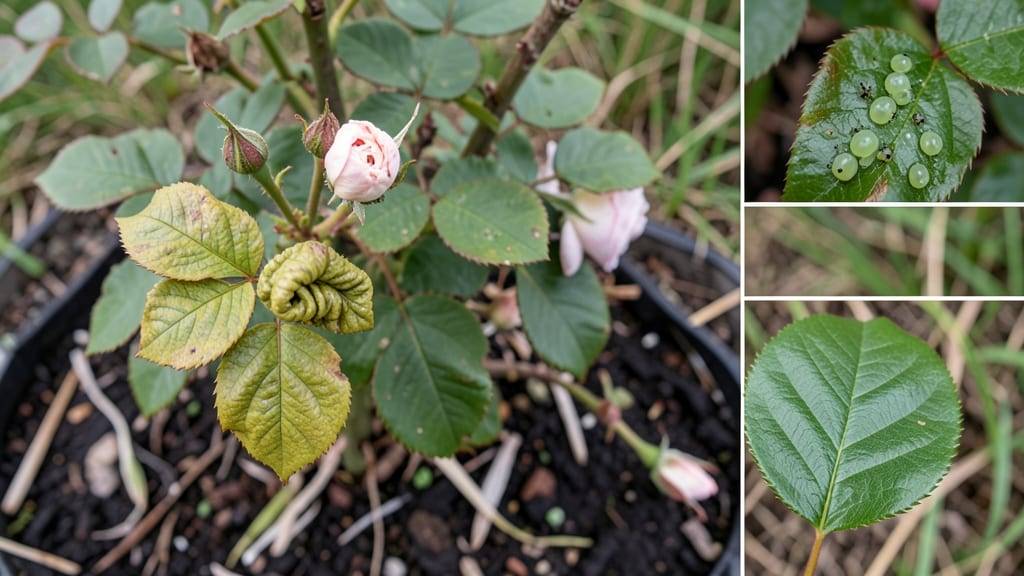
When your rose plant leaf curl starts turning leaves into tight, puckered shapes like crumpled paper, you're staring down a fungal blight that spreads faster than you can say "pruners." 🌹 I’ve battled this exact problem—my heirloom roses looked like they’d been hit by a sudden drought, but the real enemy was hiding between the leaves.
The good news? Neem oil isn’t just a fix—it’s a game-changer that stops the spread in hours when applied right.
This isn’t just about spraying something and hoping. The curl happens when fungal spores (often Diplocarpon rosae) take hold after wet weather or crowded foliage, and those puckered leaves? They’re already infected.
The key is acting fast—remove the worst leaves immediately, then hit the plant with a 1% neem oil solution (mix 1 tbsp oil with 1 quart water + a drop of dish soap). Repeat every 7–10 days until new growth appears healthy.
I’ve seen plants bounce back in 2–3 weeks with this method.
What you’ll end up with is roses that look like they’ve been pampered, not poisoned. The leaves unfurl smooth and green, the buds open without distortion, and the fungal spores lose their foothold.
The secret? Consistency—neem oil disrupts the fungus’s life cycle, but it needs time to work. Plus, your roses will smell like a spring morning again, not like a damp, moldy basement.
For stubborn cases or if the curl spreads to stems, consult a local extension service—they can test for viral infections (which neem oil won’t fix). But in 90% of cases, this organic fix works faster than chemical sprays and keeps your roses thriving without harming pollinators.
Here’s how to do it step by step—no more crumpled leaves in sight.
Root Causes Of Leaf Distortion
When your rose plant’s leaves start curling like a crispy chip, it’s usually a cry for help from the plant itself. Understanding the why behind the wavy edges and twisted foliage is the first step to saving your blooms.
Below, we break down the most common culprits—each with a distinct signature and a scientific explanation for why they turn your roses into leafy puzzles.
Fungi like Diplocarpon rosae (black spot) or Sphaerotheca pannosa (powdery mildew) thrive in damp, shaded conditions and don’t just spot your leaves—they warp them. Here’s how:
- Cellular Invasion: Fungal spores land on leaves and release enzymes that break down the plant’s cell walls. As the fungus feeds, it disrupts the leaf’s turgor pressure (the internal water pressure that keeps leaves flat), causing them to curl inward or upward like a protective shield.
- Spore Germination Triggers: High humidity (above 75%) and temperatures between 60–80°F (15–27°C) create the perfect fungal buffet. Overwatering or poor airflow? You’ve just set the table.
- Visual Red Flags: Look for yellow halos around curled areas (black spot) or a white powdery coating (mildew). If the curl is paired with these, fungi are likely the culprits.
💡 Pro Tip: Fungal leaf curl often starts on lower leaves and works its way up. If you catch it early, a neem oil treatment can stop the spread in 24–48 hours.
Insects like aphids, mites, or thrips don’t just suck sap—they inject toxins and trigger a defensive curl. Here’s the science:
- Saliva = Plant Alarm: As pests feed, their saliva contains proteins that mimic plant hormones (like ethylene), signaling the leaf to curl as a way to trap and deter the invaders. Think of it as the plant’s version of slamming a door in an intruder’s face.
- Mite-Specific Damage:
- Spider mites (tiny red/yellow dots) cause a stippled, bronze curl by puncturing cells and draining chlorophyll.
- Rose slugs (larvae of sawfly) chew leaf edges, leading to a cupped, ragged curl as the plant tries to heal.
- Where to Look: Check the undersides of leaves for webbing (mites), sticky residue (aphids), or tiny black frass (insect droppings).
🎯 Actionable Insight: If curls appear overnight or are paired with sticky leaves, pests are likely the cause. A strong spray of neem oil or insecticidal soap can break their life cycle in 3–5 days.
Extreme temperatures—whether scorching heat or frostbite—disrupt the leaf’s ability to regulate water and gases, leading to curl. Here’s the breakdown:
| Trigger | How It Happens | Leaf Reaction |
|---|---|---|
| Heat Stress (>90°F/32°C) | High temps increase transpiration (water loss) faster than roots can replace it. Cells lose turgor, and leaves curl upward to reduce surface area. | Dry, crispy edges; cupping (like a taco). |
| Cold Damage (<32°F/0°C) | Ice crystals form in leaf cells, rupturing membranes. The plant “sacrifices” damaged leaves by curling them downward to protect new growth. | Wilted, leathery curls; possible blackened tips. |
| Windburn | Drying winds create a one-sided curl as the exposed side loses moisture faster than the sheltered side. | Asymmetrical waves; often on outer leaves. |
✨ Quick Fix: Move potted roses to shade during heatwaves or cover them with frost cloth at night. Mulch helps insulate roots from temperature swings.
Water is the lifeblood of turgor pressure, and when the balance tips, leaves curl like a plant’s version of a drama queen.
- Overwatering: Soggy soil suffocates roots, starving leaves of oxygen. Cells swell unevenly, causing a downward curl (like a sad, droopy hat). Root rot often follows, releasing toxins that further distort growth.
- Underwatering: Leaves curl upward to conserve moisture, but chronic drought leads to crispy, brittle edges. The plant prioritizes survival over aesthetics.
- Salt Buildup: Over-fertilizing or hard water leaves salt crusts on soil. Roots can’t absorb water, triggering a puckered, leathery curl.
🔥 Test Your Soil: Stick your finger 2 inches deep—if it’s damp but not soggy, you’re golden. If it’s bone-dry or smells like a swamp, adjust your watering immediately.
A lack of key nutrients throws a wrench into the leaf’s ability to photosynthesize and maintain structure. Here’s what’s missing when curls appear:
- Nitrogen (N): Leaves curl inward and turn yellow (older leaves first) because the plant can’t produce enough chlorophyll. Think of it as a protein deficiency—your roses are too weak to hold their shape.
- Potassium (K): Leaves develop scorched, wavy edges (especially on older leaves) because potassium regulates water and enzyme activity. Without it, cells leak and curl.
- Magnesium (Mg): Causes interveinal curling (curls between veins) and yellowing because magnesium is the backbone of chlorophyll. New growth is often stunted.
📊 Soil Test First: Send a sample to your local extension office. If deficiencies are confirmed, use a balanced fertilizer (like 10-10-10) or Epsom salt
Reviving your roses from leaf curl starts with pinpointing the cause—whether it’s fungal blight, pests, or environmental stress—and taking targeted action. Below, we break down practical fixes for each common trigger, plus prevention tips to keep your plants thriving. No green thumb required—just follow the steps! If leaf curl is caused by fungal infections like black spot or powdery mildew, neem oil is your fastest ally. Here’s how to use it effectively: Combine in a spray bottle: Fungi are sneaky! - Water the soil (not leaves) in the morning to keep foliage dry—💧 wet leaves = fungal buffet. If aphids, mites, or thrips are to blame, isolate and eliminate them ASAP. Repeat in 3–5 days. - Introduce beneficial insects: Ladybugs or lacewings devour pests naturally—order them online or find them in local garden centers. - For stubborn mites: Use horticultural oil (like neem oil) or insecticidal soap (follow label rates). If heat, cold, or poor soil caused curling, adjust these factors to restore health. Once your roses bounce back, lock in these habits to prevent future leaf curl: Pro Tip: 💡 If leaf curl persists after 2 weeks, test your soil’s pH (ideal: 6.0–6.5 for roses). Adjust with lime (to raise pH) or sulfur (to lower pH) if needed. Healthy soil = happy roses! Upward curling usually signals underwatering or heat stress. When roots can't supply enough moisture, leaves curl upward to conserve water. Check soil moisture—if the top inch is dry, water deeply. For heat stress, move plants to partial shade during peak afternoon sun. Unfortunately, rose rosette virus (spread by tiny mites) has no cure. The only solution is to dig up and destroy infected plants immediately to prevent spread. Burn or bag the debris—never compost it. Choose resistant varieties like 'Knock Out' roses for future plantings. Apply neem oil every 7-10 days for 3-4 weeks to break fungal cycles. Mix 1 tsp neem oil + 1 tsp soap per quart of water and spray both leaf sides. Always apply in the early morning so leaves dry quickly—fungi thrive in damp conditions. Only if caused by fungal diseases (like black spot) or viral infections. Fungal spores spread via water or tools, while viruses spread through mites. Always sterilize pruners with rubbing alcohol between plants, and remove infected leaves immediately. Keep new plants isolated for 2 weeks to monitor for symptoms. Only if the curl is caused by magnesium deficiency. Mix 1 tablespoon Epsom salt per gallon of water and spray foliage monthly. For nutrient deficiencies, also check soil pH (6.0-6.5 is ideal) and consider a balanced fertilizer. If leaves are crispy, the issue is likely water-related, not magnesium.How to Fix Wrinkled Rose Leaves
🔥 Step 1: Stop the Spread
🍳 Step 2: Mix the Neem Oil Spray
👨🍳 Step 3: Apply Like a Pro
⏰ Step 4: Speed Up Recovery
🔪 Step 1: Blast Off Pests
🌡️ Step 2: Adjust the Environment
💡 Step 1: Water Wisely
🎯 Step 2: Shield from Extremes
✨ Step 3: Feed for Resilience
Cause Fast Fix Prevention Fungal blight Neem oil spray + prune infected areas Resistant varieties + airflow Pests Soapy water spray + ladybugs Mulch + regular inspections Heat stress Move to shade + deep watering Drip irrigation + mulch Cold damage Frost cloth + compost top-dressing Windbreaks + gradual acclimation Frequently asked questions about rose leaf curl
Why do rose leaves curl upward instead of downward?
Can I save my rose bush if the curl is caused by rose rosette virus?
How often should I spray neem oil for fungal leaf curl?
Are curled rose leaves contagious to other plants?
Will Epsom salt help with curled rose leaves?