
Planting
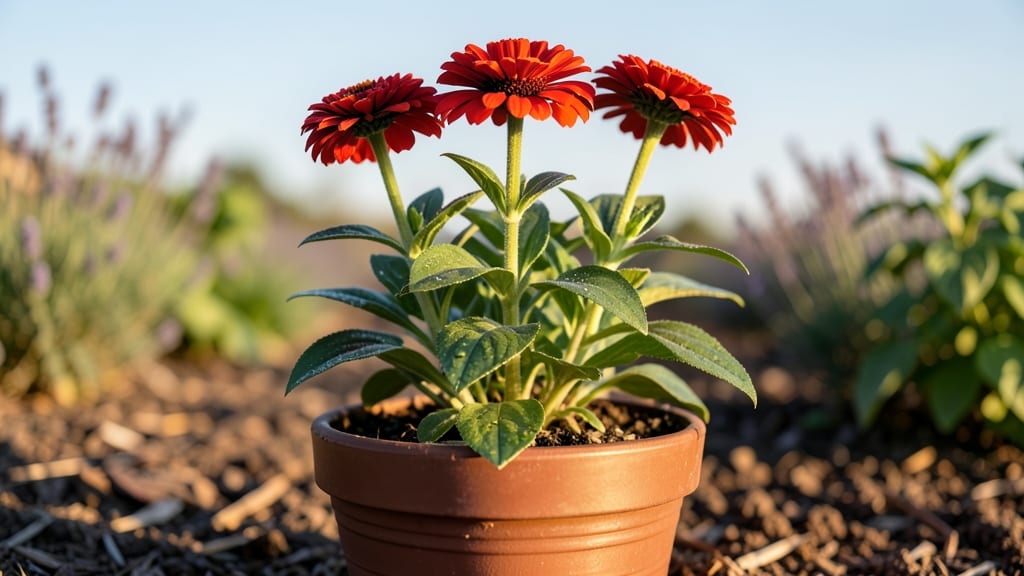
This zinnia plant leaf turns yellow when overwatered, lacking nutrients, infected by fungi, or stressed by pests. Address the issue quickly by adjusting watering habits, testing soil health, and applying targeted treatments.
The zinnia plant leaf yellowing is often your plant's SOS signal—whether it's drowning in soggy soil, starving for nutrients, or fighting off invisible fungal foes. 🌱 The key is acting fast: overwatering creates root rot, while nutrient deficiencies (especially nitrogen or iron) leave leaves pale and weak.
Even tiny pests like spider mites can drain vitality, causing yellow patches. I've found that checking the undersides of leaves for webbing or tiny bugs makes all the difference in diagnosis.
Start by letting the soil dry between waterings—zinnia roots prefer well-draining conditions. A simple soil test kit reveals if your plants need a boost of balanced fertilizer or organic matter like compost.
For fungal issues, a homemade spray of 1 part baking soda to 10 parts water works wonders when applied weekly. Prune affected leaves immediately to stop the spread and redirect energy to healthy growth.
💡 In This Article
- Common Causes of Yellow Zinnia Leaves
- Step-by-Step Zinnia Leaf Revitalization Guide
Common causes of yellow zinnia leaves
Yellowing zinnia leaves often start with root stress from overwatering, where excess moisture blocks oxygen and triggers anaerobic bacteria that rot roots. You'll notice yellowing beginning at the leaf edges and working inward—this classic sign of chlorosis occurs when roots can't absorb nutrients efficiently.
The soil around your zinnia should feel like a damp sponge, not a soggy washcloth, as zinnia roots prefer well-aerated conditions with 60-70% moisture during active growth.
Nutrient deficiencies create distinct yellowing patterns too. Nitrogen deficiency causes overall pale yellowing starting with older leaves, while iron deficiency produces interveinal chlorosis (yellowing between veins) on younger leaves. These deficiencies happen when soil pH exceeds 6.5, locking out iron and manganese.
Zinnias thrive in slightly acidic soil (pH 6.0-6.5), so testing your soil's pH with a simple kit can reveal if you need to amend with sulfur or peat moss to lower it.
Fungal infections like powdery mildew create a white, powdery coating on upper leaf surfaces while yellowing appears underneath. This disease thrives in humid conditions (75%+ humidity) and poor airflow between plants.
Spider mites, tiny pests invisible to the naked eye, cause stippled yellowing by sucking plant sap—check leaf undersides for fine webbing. Both issues spread faster in crowded gardens, so maintaining 12-18 inches of spacing between zinnias improves airflow and reduces fungal spores.
The science behind these problems involves chlorophyll breakdown. When roots can't absorb water or nutrients, chlorophyll production halts, causing leaves to yellow as they revert to their natural carotenoid pigments. For fungal issues, spores release enzymes that degrade cell walls, while pests physically damage cells through feeding.
The key is catching these early—yellowing leaves that drop completely indicate irreversible damage, so act when you see the first yellow patches.
Seasonal factors play a role too. Zinnias grown in hot, dry climates may yellow from heat stress, while those in cool spring/fall might suffer from slower nutrient uptake. The solution? Mulch with 2-3 inches of organic matter to retain moisture in summer and insulate roots in cooler months.
This creates a stable microclimate where roots can thrive without extreme temperature fluctuations.
What most gardeners overlook is how water quality affects yellowing. Hard water with high calcium or magnesium content can cause nutrient imbalances, while tap water containing chlorine may damage root tips over time. Always water zinnias with rainwater or filtered water at room temperature to avoid shocking the roots. 🌿