
Leaf Blower
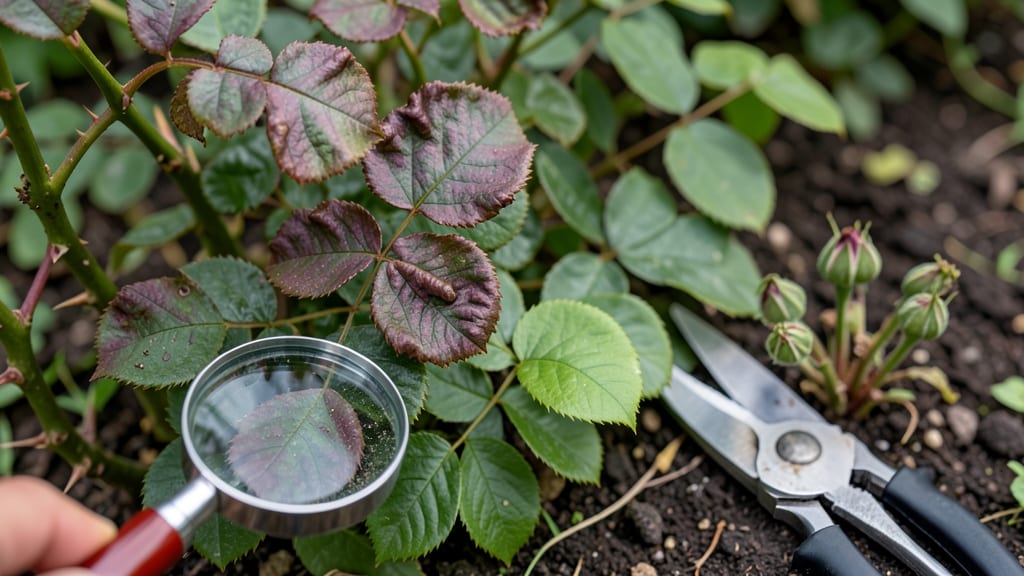
Your roses’ leaves curling into tight, puckered shapes isn’t just ugly—it’s a fungal infection called rose leaf curl that spreads fast if ignored. 🌿 I’ve seen this disease turn lush bushes into sad, yellowing shadows, but the right organic spray can bring them back to life.
The key is acting early, before the fungus moves to stems or canes.
This problem starts when fungal spores (often hidden in last year’s leaves or infected canes) get wet and warm, then latch onto new growth. Pruning too late in the season or crowding plants creates the perfect breeding ground.
The good news? A homemade spray with neem oil, baking soda, or copper fungicide can stop it in its tracks—if you catch it before the leaves turn brittle.
Within 7-10 days of consistent spraying, you’ll see new leaves unfurling smooth and green again. The secret is morning applications (so the spray dries before evening dew) and removing all infected leaves immediately. I’ve revived bushes that looked doomed by mid-June—just don’t wait until the curls turn yellow.
Works for hybrid teas, floribundas, and old garden roses alike. The spray recipe is simple, and prevention tips (like pruning in dry weather) keep it from coming back next year. Let’s get those roses fighting fit!
Root Causes Of Leaf Distortion
When your rose bushes start showing signs of leaf curling, puckering, or yellowing, it’s often a cry for help from the plant itself. Understanding the why behind these symptoms is the first step to restoring your roses to their vibrant best.
Here’s a breakdown of the most common culprits, explained in clear, actionable terms:
Rose leaf curl is most famously caused by the fungus Hyalonectria jecorina (formerly known as Nectria cinnabarina), which thrives in damp, humid conditions. This pathogen overwinters in infected plant debris or cankers on stems, then spreads via wind, water splashes, or even pruning tools.
- How it works: The fungus infects through wounds or natural openings in leaves, releasing toxins that disrupt cell growth. This causes leaves to thicken, curl, and develop red or purple margins—a classic sign of stress.
- Red flags:
- Leaves pucker upward like a wave 🌊
- Yellowing or browning between veins
- Cankers (sunken, discolored spots) on stems
- Why it spreads: Fungal spores love wet foliage (especially after rain or overhead watering) and poor air circulation. Roses grown too closely together or in shaded, humid areas are high-risk.
💡 Pro Tip: Fungal spores can linger in soil for years. Always sterilize pruners with rubbing alcohol (70% or higher) and avoid wounding plants when they’re wet.
Not all leaf curling is fungal—sometimes, your roses are reacting to environmental factors that throw their growth patterns off balance. These stressors don’t kill the plant outright but trigger defensive responses, like curling or yellowing.
| Stressor | How It Affects Leaves | Actionable Fix |
|---|---|---|
| Extreme Heat 🔥 | Leaves curl inward to reduce water loss via transpiration. Yellowing may follow if roots can’t keep up with demand. | Provide afternoon shade (use shade cloth) and mulch to retain soil moisture. |
| Cold Snaps ❄️ | New growth may curl or develop brown edges due to sudden temperature drops, especially if roots are still cold. | Mulch heavily in fall/winter and avoid pruning until spring. |
| Wind Burn 💨 | Leaves curl or crisp at the edges from desiccation (drying out too quickly). Common in exposed or newly planted roses. | Use windbreaks (like burlap screens) or plant roses in sheltered spots. |
| Nutrient Imbalance 🌱 |
|
Test soil and amend with chelated iron or Epsom salt (for magnesium). Avoid over-fertilizing. |
✨ Key Insight: Environmental stress often weakens roses, making them more susceptible to fungal infections. Addressing both issues simultaneously is critical.
While less common than fungi, certain pests can trigger leaf curling by feeding on sap or injecting toxins. Their damage stresses the plant, leading to distorted growth and yellowing.
- Rose Slugs (Sawfly Larvae) 🐛
- These caterpillar-like pests skeletonize leaves (eat tissue between veins), causing curling and stunted growth.
- Look for: Small, green, slug-like larvae and chewed leaves with frass (black droppings).
- Spider Mites 🕷️
- Tiny arachnids that pierce cells to suck sap, leading to silvering, curling, and webbing on undersides of leaves.
- Triggered by: Dry, hot conditions (they thrive in drought stress).
- Japanese Beetles 🐞
- Adult beetles skeletonize leaves while larvae (grubs) feed on roots, causing yellowing and curling from nutrient deprivation.
- Peak season: June–August.
🎯 Prevention Tip: Use neem oil or insecticidal soap as a preventive spray (especially after rain). For severe infestations, introduce beneficial nematodes or ladybugs.
By pinpointing the specific cause of your rose’s leaf curl—whether fungal, environmental, or pest-related—you can tailor your treatment for the fastest recovery. Stay tuned for our next section on organic sprays to reverse these symptoms!
Revive Your Roses Naturally
If your rose bushes are battling curling, yellowing, or distorted leaves, don’t panic—there are effective, organic solutions to restore their health. The key is identifying the root cause (whether fungal, environmental, or pest-related) and applying the right fix.
Below, we break down targeted remedies for each common trigger, along with preventive tips to keep your roses thriving.
Rose leaf curl is often triggered by black spot fungus or powdery mildew, which thrive in damp, shaded conditions. Here’s how to tackle it:
#### 🔥 Step 1: Prune Infected Leaves ImmediatelyRemove all curled, spotted, or yellowing leaves (including fallen debris) to stop the fungus from spreading. Use clean, sharp pruners and dispose of clippings in the trash—not the compost!
#### 🍳 Step 2: Apply a Homemade Fungicide SprayMix one of these organic sprays and apply in the early morning or late evening (avoid direct sunlight):
- Baking Soda Spray: 1 tbsp baking soda + 1 tbsp vegetable oil + 1 tsp mild soap + 1 gallon water. Reapply every 7–10 days.
- Neem Oil Solution: 2 tbsp neem oil + 1 tsp soap + 1 quart water. Shake well before spraying.
- Copper Fungicide: Use a store-bought organic copper spray (like Copper Soap) for severe cases.
Fungal spores love stagnant, moist air. To prevent recurrence:
- Space plants 3–4 feet apart for better airflow.
- Water at the base of the plant (not overhead) in the early morning so leaves dry quickly.
- Install a fan on low speed near shaded areas to circulate air.
Extreme temperatures—whether scorching summer heat or late frost—can cause leaves to curl as a protective response. Here’s how to help your roses recover:
#### 💡 Provide Temporary ReliefMove potted roses to a shadier spot during heatwaves or cover them with frost cloth if temperatures dip below 25°F. For garden roses, use mulch (2–3 inches) to regulate soil temperature.
#### 🍎 Hydrate ProperlyWater deeply 1–2 times per week (not daily shallow watering) to encourage strong root growth. Add mulch to retain moisture and protect roots from temperature swings.
#### ✨ Boost Nutrient IntakeStressed roses often lack magnesium or calcium. Apply an organic Epsom salt spray (1 tbsp per gallon of water) or a kelp meal fertilizer to rebuild resilience.
Sap-sucking pests like aphids or spider mites can distort leaves and trigger curling. Here’s how to evict them:
#### 🔪 Blast Off Pests with WaterSpray the undersides of leaves (where pests hide) with a strong stream of water to dislodge them. Repeat every 3–4 days for severe infestations.
#### 🍳 Use a Soap SprayMix 1 tsp mild liquid soap + 1 quart water and spray directly on pests. Test on a small leaf first to avoid burning the plant.
#### 🌿 Introduce Beneficial InsectsRelease ladybugs or lacewings (available at garden centers) to naturally control aphids. For spider mites, neem oil is highly effective.
Once your roses are back in shape, prevent future issues with these habits:
- ✅ Plant in full sun (6+ hours daily) to reduce fungal risks.
- ✅ Space roses properly to avoid overcrowding.
- ✅ Water at the base and avoid wetting foliage.
- ✅ Fertilize with compost or balanced organic fertilizer (like 5-5-5) in early spring.
- ✅ Prune regularly to improve airflow and remove weak growth.
- ✅ Monitor for pests weekly—catch problems early!
With consistent care, your roses will bounce back stronger than ever. 🌹 The key is acting fast and keeping conditions unfavorable for pests and fungi. Happy gardening!
Frequently asked questions
What does rose leaf curl look like on my plants?
Infected leaves develop tight, puckered curls that look like tiny waves , often with red or purple margins. New growth may appear thickened and distorted, while older leaves yellow between veins. Check stems for sunken cankers—these confirm fungal infection.
Can I still use my rose cuttings if they have leaf curl?
No, never propagate from infected plants. The fungus spreads through plant tissue, so even healthy-looking cuttings may carry spores. Start fresh with disease-free stock or use certified organic fungicides on parent plants for 30 days before taking cuttings.
How often should I spray for rose leaf curl prevention?
Apply organic fungicides every 2-3 weeks during growing season, especially after rain. For active infections, spray weekly until new growth appears healthy. Always apply in early morning so foliage dries before evening dew.
Will my rose bushes recover completely from leaf curl?
Yes, with prompt treatment! Remove all infected leaves immediately and apply fungicides consistently. Healthy new growth will emerge within 2-4 weeks if you catch it early. Severe cases may require pruning infected canes to prevent stem infection.
Are some rose varieties more resistant to leaf curl?
Yes, certain hybrids like 'Knock Out' roses and 'Dr. Huey' show better resistance. For susceptible varieties, practice strict sanitation (remove fallen leaves) and use copper-based sprays preventively. Resistant varieties still benefit from good airflow and proper pruning.