
Plants
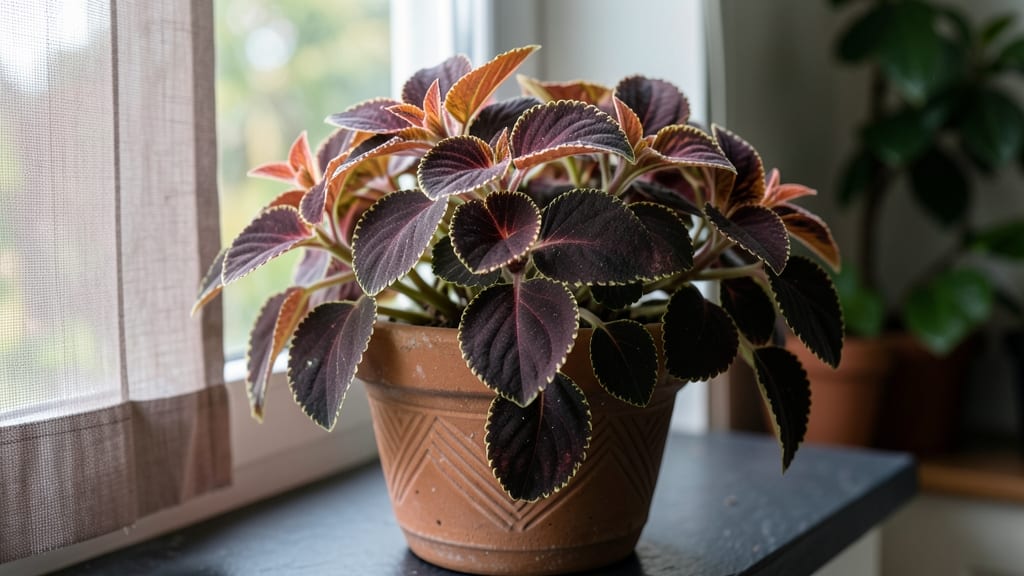
That red leaf plant identification caught your eye—and now you're wondering if it's a prized variety or a plant in distress. 🌿 I've spent years studying leaf colors, and the difference between natural red foliage and stress-induced hues comes down to subtle clues in shape, veins, and texture that most gardeners miss.
Start by examining the leaf edges: smooth, scalloped, or jagged edges often point to specific plants like coleus or begonia, while ruffled or lobed leaves suggest stress from too much sun or cold drafts.
The vein pattern also tells a story—prominent red veins might indicate a healthy plant like a red-veined caladium, while faint red speckling could signal anthocyanin buildup from nutrient imbalances.
What you'll discover is a simple way to tell at a glance whether that red leaf is part of the plant's natural charm or a cry for help. A quick check of leaf undersides (for pests) and growth patterns (new leaves staying green?) can confirm the diagnosis in minutes.
This method works for houseplants, garden beds, or patio containers—just bring a magnifying glass or your phone camera for close-ups. Let's decode those leaves together!
Understanding Red Leaf Causes
Red leaves on your plants can be a stunning natural phenomenon—or a sign of trouble. Before you panic, it’s important to recognize the why behind those fiery hues. Here’s a breakdown of the most common reasons your plant’s leaves are turning red, backed by science and actionable insights.
---
When temperatures drop too low (or spike too high), plants trigger anthocyanin production—the pigment responsible for red, purple, and blue shades. This isn’t just a cosmetic change; it’s a survival mechanism.
- Cold Stress (Chilling Injury): Many tropical and subtropical plants (like Coleus, Caladium, or Impatiens) struggle when nighttime temps dip below 50°F (10°C). The reddening is their way of protecting cell membranes from freezing damage.
Think of it as a built-in antifreeze. - Actionable Fix: Move potted plants indoors or to a sheltered spot. Use frost cloths for outdoor plants.
- Heat Stress (Sun Scorch): Too much direct sunlight—especially in hot climates—can cause oxidative stress, leading to red or brown patches. Plants like Rhododendrons or Azaleas are particularly sensitive. - Actionable Fix: Provide afternoon shade or gradually acclimate plants to full sun. Mulch helps insulate roots.
---
Water is the lifeblood of plants, and imbalances can trigger red leaves as a distress signal.
- Underwatering (Drought Stress): When soil dries out, roots struggle to absorb nutrients, and ethylene gas (a plant hormone) accumulates. This gas accelerates red pigment production as a last-ditch effort to slow water loss. - Actionable Fix: Check soil moisture 1 inch below the surface—if dry, water deeply.
Use moisture meters for accuracy.
- Overwatering (Root Rot Risk): Waterlogged roots can’t breathe, leading to anaerobic conditions and nutrient deficiencies (like iron or nitrogen). Some plants, like Peperomia or Fittonia, respond with red veins or leaves. - Actionable Fix: Ensure pots have drainage holes and use well-draining soil.
Let the top 1–2 inches of soil dry out between waterings.
---
Red leaves often scream, “Feed me!” Here’s how to decode the message:
| Symptom | Likely Deficiency | How to Fix It | |---------------------------|-----------------------|--------------------------------------------| | Deep red veins | Magnesium (Mg) | Apply Epsom salt (1 tbsp/gallon of water) every 2 weeks. | | Yellowing between veins| Iron (Fe) | Use chelated iron supplements or amend soil with compost. | | Purple-red stems/leaves| Phosphorus (P) | Fertilize with a high-phosphorus formula (e.g., 5-10-5). | | General weakness + red | Nitrogen (N) | Switch to a balanced fertilizer (e.g., 10-10-10). |
- Pro Tip: Test your soil with a DIY kit before guessing. Some plants (like Blueberries) naturally thrive in acidic, low-nitrogen soil—red leaves might just be normal!
---
Light is the energy source for photosynthesis, but too little or too much can turn leaves red.
- Low Light Stress: Plants like Calatheas or Philodendrons develop dull red or purple leaves when starved for light. This is their way of stretching (etiolation) to reach sunlight. - Actionable Fix: Move to bright, indirect light (e.g., near an east-facing window). Avoid deep shade.
- Sunburn (Photooxidation): Variegated plants (e.g., Snake Plants, Zebra Plants) can develop red patches when exposed to intense midday sun. Their chlorophyll breaks down, revealing red pigments underneath. - Actionable Fix: Gradually introduce sunlight or use sheer curtains to diffuse light.
---
Sometimes, red leaves are a secondary symptom of an underlying issue:
- Spider Mites or Aphids: These pests sap nutrients from leaves, causing reddish-brown spots or stunted growth. They thrive in dry conditions, so check the undersides of leaves. - Actionable Fix: Spray with neem oil or introduce beneficial insects (e.g., ladybugs).
- Fungal Infections (e.g., Powdery Mildew): Overhead watering or high humidity can lead to reddish-purple splotches (often on Tomatoes or Peppers). Fungi block sunlight, forcing plants to produce protective pigments. - Actionable Fix: Improve air circulation, avoid wetting leaves, and apply copper fungicide if needed.
--- Not all red leaves are bad news! Some plants naturally develop red hues as they mature or in response to their genetics.
- Seasonal Changes: Plants like Japanese Maple or Smoke Bush turn red in fall due to chlorophyll breakdown and anthocyanin production—a normal part of their life cycle.
- Variegated or Cultivar Traits: Some plants (e.g., Red Emerald Pepper, Purple Heart Plant) are bred or selected for red foliage. If the rest of the plant is healthy, it’s likely just genetic expression.
- Quick Check: Compare your plant to its species profile. If red leaves are listed as a trait, celebrate—you’ve got a stunning variety!
Quick fixes for red leaves
Red leaves can be a sign of stress, disease, or environmental issues—but the good news is most problems are reversible with the right care. Below, we’ve mapped common causes to practical solutions so you can restore your plant’s vibrant green in no time.
Plus, we’ll share prevention tips to keep those pesky red hues away for good!
---
Signs: Yellowish-red edges, mushy stems, or leaves that feel soggy. Why it happens: Too much water suffocates roots, leading to oxygen deprivation and stress.
How to Fix It: 🔥 Step 1: Check the Soil - Stick your finger 1-2 inches deep into the soil. If it’s damp, hold off on watering. - Pro tip: Use a moisture meter for accuracy—most plants prefer soil that’s 60% dry between waterings.
🍳 Step 2: Repot for Better Drainage - If your pot lacks drainage holes, repot immediately into one with holes. - Mix in perlite or orchid bark (20-30%) to improve aeration. - ⚠️ Warning: Never let a plant sit in saucers of standing water!
👨🍳 Step 3: Adjust Your Watering Routine - Water only when the top inch of soil is dry (varies by plant—succulents need less, ferns more). - Morning watering is best—it gives leaves time to dry before nightfall.
🌡️ Prevention Tips: - Use well-draining potting mixes (avoid heavy garden soil). - Group plants with similar water needs together to simplify care.
---
Signs: Crispy red-brown edges, wilting, or leaves curling inward. Why it happens: Dehydration causes cells to break down, turning leaves brittle and discolored.
How to Fix It: 💡 Step 1: Deep Watering Technique - Water slowly and thoroughly until it drains from the bottom. Repeat every 7-10 days (adjust for humidity/climate). - For container plants: Soak the pot in a tray of water for 15-20 minutes to encourage root hydration.
🔥 Step 2: Increase Humidity (For Tropical Plants) - Place a pebble tray with water under the pot or use a humidifier. - Mist leaves in the morning (avoid evenings to prevent fungal growth).
✨ Step 3: Trim Damaged Leaves - Snip off crispy or brown edges with clean scissors to redirect energy to healthy growth. - Pro tip: Wipe leaves with a damp cloth to remove dust, helping them absorb light better.
🎯 Prevention Tips: - Group plants together to create a microclimate. - Use self-watering pots for forgetful plant parents.
---
Signs: Red or purple veins, yellowing between veins (chlorosis), or slow growth. Why it happens: Poor soil quality or over-fertilizing with nitrogen-heavy feeds locks out micronutrients.
How to Fix It: 📊 Step 1: Test Your Soil - Use a DIY soil test kit (available at garden centers) or send a sample to a lab. - Quick fix: Amend soil with compost or worm castings for a nutrient boost.
💪 Step 2: Apply Targeted Fertilizers - For iron deficiency: Use an iron chelate (liquid or granular) every 4-6 weeks. - For magnesium: Sprinkle Epsom salt (1 tbsp per gallon of water) monthly. - ⚠️ Warning: Avoid over-fertilizing—stick to the recommended dose!
🥗 Step 3: Improve Soil Structure - Mix in coconut coir or peat moss to enhance nutrient availability. - For potted plants: Repot every 1-2 years to refresh the soil.
🍎 Prevention Tips: - Rotate fertilizers to avoid imbalances (e.g., switch between organic and synthetic). - Feed lightly in winter—most plants dormant and don’t need extra nutrients.
---
Signs: Reddish-brown patches, scorch marks, or leaves curling toward light. Why it happens: Too much direct sun (especially for shade-loving plants) causes cellular damage.
How to Fix It: 🔪 Step 1: Adjust Light Exposure - Move the plant to a spot with indirect light (e.g., near a north-facing window). - For sun-loving plants: Gradually acclimate them to morning sun only at first.
⏰ Step 2: Use Sheer Curtains - If you can’t relocate the plant, filter harsh light with a white or beige curtain. - Pro tip: Rotate the pot quarter-turn weekly for even growth.
🌡️ Step 3: Protect New Growth - Prune severely damaged leaves to prevent further stress. - Mist leaves on hot days to cool them down.
🎯 Prevention Tips: - Research your plant’s light needs before purchasing (e.g., snake plants tolerate bright light; ferns prefer shade). - Avoid placing plants near heat sources (radiators, ovens).
---
Signs: Stippled red spots, webbing, or sticky residue (honeydew). Why it happens: Pests suck sap, causing discoloration and stress.
How to Fix It: 💡 Step 1: Isolate the Plant - Move it away from other plants to prevent spreading.
🔥 Step 2: Blast Off Pests - Spray with soapy water (1 tsp mild soap + 1 quart water) or neem oil solution (1 tbsp neem oil + 1 quart water). - For severe infestations: Use insecticidal soap (follow label instructions).
🍳 Step 3: Encourage Beneficial Insects - Release ladybugs or lacewings (available at garden centers) to eat pests naturally.
✨ Prevention Tips: - Inspect new plants before bringing them home (quarantine for 2 weeks). - Keep your space clean—remove fallen leaves where pests hide.
--- Final Reminder: Most red-leaf issues are quick to fix—just identify the root cause and act fast! If problems persist after 2-3 weeks, consider whether your plant might be outgrowing its pot or needs a species-specific adjustment. Happy gardening! 🌿
Frequently asked questions
What are the most common plants with naturally red leaves?
Some stunning plants with naturally red foliage include Coleus varieties, Red Emerald Pepper, Purple Heart Plant, and Red Vein Caladium. These plants develop their vibrant colors as part of their natural growth process, especially when exposed to bright, indirect light. Always check the plant's care requirements to keep those red hues vibrant!
How can I tell if my plant's red leaves are from stress or natural coloring?
Look at the leaf pattern and growth habits: natural red leaves appear evenly distributed, while stress-induced red often shows up as uneven patches or only on newer growth. Check the leaf undersides for pests and examine the soil moisture—dry or waterlogged soil often triggers reddening as a distress signal.
Can I save a plant with severely red leaves caused by underwatering?
Yes! First, deep water the plant until water drains from the bottom, then place it in a humidity tray or group it with other plants to create a microclimate. Trim any crispy edges and avoid direct sunlight until new growth appears. Most plants recover within 2-4 weeks with proper care!
Why do some plants develop red leaves in fall but not in summer?
This is due to anthocyanin production, which increases when days get shorter and cooler. Many plants like Japanese Maple or Smoke Bush naturally produce these pigments in fall as a protective response to temperature changes and reduced sunlight. It's completely normal and often enhances their beauty!
What should I do if my plant's red leaves are caused by nutrient deficiencies?
First, test your soil using a DIY kit to identify specific deficiencies. For iron deficiency, use chelated iron supplements every 4-6 weeks. For magnesium, apply Epsom salt (1 tbsp/gallon of water) monthly. Always follow package instructions to avoid over-fertilizing, which can worsen the problem!