
Shrubs
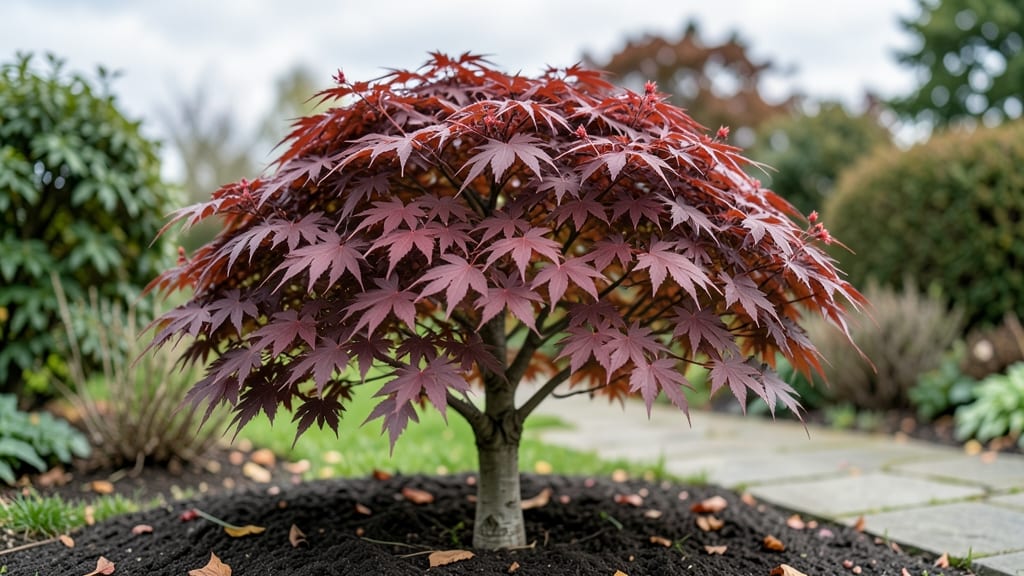
The Red Leaf Acer palmatum transforms your garden into a living painting with its fiery foliage that burns bright from spring through fall. 🌿 I've nurtured these maples for years, and their vibrant red leaves—even in winter—make them the showstopper of any landscape.
The secret lies in mimicking their natural woodland habitat, where rich, well-draining soil and gentle shade keep them thriving. This Japanese maple thrives in partial shade, especially in hotter climates, but younger trees need protection from harsh afternoon sun.
Amend your soil with organic matter to improve drainage, and water deeply once a week—more in summer, less in winter. Mulch helps retain moisture and protects shallow roots, which are prone to drying out.
Pruning is simple: remove dead or crossing branches in late winter, and shape lightly after new growth appears. Avoid heavy pruning, as these trees bloom on old wood. With proper care, your Red Leaf Acer will reward you with bold, glossy leaves that turn even more vibrant as temperatures drop.
Perfect for small gardens, containers, or as a focal point in larger landscapes. Once established, they're low-maintenance and resist pests—just watch for aphids and treat early. Your garden will thank you for this year-round masterpiece!
📚 In This Guide
- What you need
- Instructions
- Tips and common mistakes
- Wrapping up and next steps
What you need
- ● Red Leaf Acer palmatum sapling(s): 1–3 mature trees (5–10 ft tall, depending on desired size)
- ● Ensure they’re labeled as Red Leaf or Acer palmatum ‘Bloodgood’ for vibrant foliage
- ● Planting site: Well-draining, slightly acidic soil (pH 5.0–6.5)
- ● Partial shade to full sun (morning sun + afternoon shade ideal)
- ● Space: 15–20 ft between trees (or 10 ft for dwarf varieties)
- ● Tools: Shovel or digging spade
- ● Garden trowel (for root adjustments)
- ● Pruning shears (sterilized)
- ● Mulch (2–3 inches of wood chips or pine bark)
- ● Watering can or hose with a gentle spray nozzle
- ● Slow-release fertilizer (balanced 10-10-10 or acidic-loving plant food)
- ● Soil amendment: Peat moss or compost to improve drainage
- ● Tree stakes (if planting in windy areas)
- ● Fungicide (copper-based, for prevention of leaf spot)
- ● Decorative rocks or edging for a polished look
How to plant and maintain a thriving Red Leaf Acer Palmatum
This vibrant Japanese maple delivers four-season interest with minimal fuss—here's how to set it up for long-term beauty.
🪴 Step 1: Choose the Perfect Planting Spot
Select a location with partial shade—think 3-6 hours of morning sun and afternoon shade. The brilliant red foliage fades under full sun, while too much shade dulls the color. I always test the spot for a week first by placing a white sheet of paper on the ground at different times of day. If it gets more than 2-3 hours of direct sunlight after 10 AM, the spot is too hot.
Red Leaf Acer Palmatum thrives in well-draining soil with a slightly acidic pH (6.1-6.5). If your soil is heavy clay, amend it with 2-3 inches of compost mixed into the top 12 inches of soil. The roots hate soggy feet, so avoid low spots where water pools after rain. A gentle slope helps excess moisture drain away naturally.
🌱 Step 2: Plant with Care to Preserve the Canopy
Dig a hole twice as wide as the root ball but only as deep. The top of the root ball should sit 1 inch above ground level—this prevents the trunk from rotting if water pools around it. I always loosen the roots gently if they're circling the root ball, using my fingers to tease them outward. This encourages faster establishment.
Backfill with the native soil you removed, tamping lightly every 2-3 inches to eliminate air pockets. Water deeply right after planting to settle the soil and remove any gaps. Mulch with 2-3 inches of organic mulch (like shredded bark) around the base, but keep it 3 inches away from the trunk to prevent rot. This mulch ring helps regulate soil temperature and retain moisture.
☀️ Step 3: Water Deeply and Protect New Growth
Water 2-3 times per week for the first month, giving 1-2 gallons per watering to encourage deep root growth. You'll know you're doing it right when the soil feels damp 3 inches down—stick your finger in to check. Overwatering is the fastest way to kill these beauties, so always let the top inch of soil dry out between waterings.
For the first year, protect young trees from harsh winds and late frosts. I wrap the trunk with tree guard (available at nurseries) to prevent sunscald and rodent damage. In winter, a light layer of mulch (2-3 inches) insulates the roots from freezing temperatures. The red leaves will fade in winter, but don't worry—they'll return with vibrant color in spring.
✂️ Step 4: Prune Strategically for Health and Shape
Prune in late winter or early spring before new growth begins. Remove dead, diseased, or crossing branches first—these are easy to spot as they stand out against the healthy foliage. Use clean, sharp pruners and make cuts just outside the branch collar (the swollen area where the branch meets the trunk). This ensures faster healing and prevents unsightly stubs.
To encourage a fuller shape, I prune back one-third of the longest branches each year. Never prune more than 25% of the canopy at once, or you'll shock the tree. The goal is to maintain an open center that allows light and air to circulate. Red Leaf Acer Palmatum responds well to pruning, so you can shape it as a standard (single-trunk tree) or let it grow naturally as a multi-stemmed shrub.
🌿 Step 5: Feed and Monitor for Long-Term Vibrancy
Fertilize in early spring with a balanced, slow-release fertilizer (10-10-10). Apply it 6 inches away from the trunk and water it in immediately. Over-fertilizing causes weak growth and dulls the red color, so follow the package instructions precisely. I also add a handful of compost around the drip line (the edge of the tree's branches) every fall to boost soil health naturally.
Watch for aphids or spider mites, which love the tender new growth. I spray infested areas with a soapy water solution (1 tsp mild dish soap per gallon of water) and repeat every 3-4 days until pests disappear. Healthy Red Leaf Acer Palmatum rarely have issues, but stress from poor soil or drought makes them more susceptible to pests. Keep an eye on the leaves—if they start yellowing or dropping prematurely, it's a sign to adjust your watering or check for root rot.
Tips & tricks for perfect Red Leaf Acer Palmatum planting
Here's what I've learned after watching these trees thrive—and fail—in different conditions.
Lighting Secret: That 3-6 hours of morning sun is non-negotiable for vibrant foliage. I've seen trees in full afternoon sun burn out completely by midday, while those with morning light and afternoon shade maintain their stunning red hues all season. Test your spot with the white sheet trick—it's worth the week of preparation to avoid disappointment. The color intensity directly correlates with this light balance.
Root Ball Rescue: When planting, I can't stress enough how important it is to loosen those circling roots. I've seen too many trees struggle because they were planted with roots tightly bound. Use your fingers to gently separate them—this encourages the roots to spread outward instead of staying compacted. The goal is to mimic natural root growth patterns for faster establishment.
Mulching Strategy: The 2-3 inches of organic mulch around your tree isn't just decoration—it's a moisture regulator and insulator. I always create a donut shape with mulch, keeping it 3 inches away from the trunk to prevent rot. In winter, that extra layer helps protect roots from freezing temperatures, while in summer it keeps soil cool. Think of it as a natural blanket for your tree's roots.
Pruning Precision: When pruning in late winter, I always look for those three types of branches to remove first: dead, diseased, and crossing. The crossing branches are especially important—they compete for sunlight and nutrients, weakening the tree. Make clean cuts just outside the branch collar, and never take more than 25% of the canopy at once. This rule has saved me from accidentally shocking trees that were already stressed.
Pro Tips for Red Leaf Acer Palmatum
- Here's what I've learned after watching these trees thrive—and fail—in different conditions.
- Lighting Secret: That 3-6 hours of morning sun is non-negotiable for vibrant foliage.
- Root Ball Rescue: When planting, I can't stress enough how important it is to loosen those circling roots.
Frequently asked questions
Got questions about growing and caring for Red Leaf Acer Palmatum? You’re not alone! Here are some of the most common queries—and their answers—to help you keep your stunning foliage thriving.
How fast does a Red Leaf Acer Palmatum grow?
Acer Palmatum typically grows at a slow to moderate pace, adding about 12 inches (30 cm) in height per year under ideal conditions. With proper care, it can reach 10–25 feet (3–7.5 meters) over time, though dwarf varieties stay compact. Patience is key—its slow growth is part of its charm!
Can Red Leaf Acer Palmatum survive winter?
Yes! This hardy tree thrives in USDA Zones 5–8 and can handle cold winters as long as it’s well-established. Young trees may need mulch or burlap wraps in harsh climates. Avoid late spring frosts—young leaves are vulnerable. Pro tip: Plant in a sheltered spot to protect it from windburn.
Why are my Red Leaf Acer Palmatum leaves turning brown?
Brown leaves can signal overwatering, underwatering, or fungal issues (like powdery mildew). Check the soil—it should stay moist but not soggy. Prune affected branches, improve airflow, and avoid wetting foliage. If the problem persists, test for pests like spider mites or scale.
Does Red Leaf Acer Palmatum need full sun?
While it loves full sun (6+ hours/day), it also tolerates partial shade, especially in hot climates. In shadier spots, expect less vibrant foliage but still stunning colors. For the boldest reds, aim for morning sun + afternoon shade in areas with intense afternoon heat.
What’s a good alternative if I can’t grow Acer Palmatum?
If your climate is too hot, dry, or cold, try these low-maintenance alternatives with similar drama:
- Japanese Maple ‘Bloodgood’ – More cold-hardy, deep red leaves.
- Ninebark (Physocarpus) – Tough, colorful foliage, thrives in tough spots.
- Smoke Tree (Cotinus) – Purple foliage, drought-tolerant.
- Viburnum ‘Aurora’ – Compact, bright red leaves, shade-friendly.
Wrapping up and next steps
The Red Leaf Acer Palmatum is a true showstopper, offering year-round drama with its fiery foliage, graceful form, and adaptable nature. Whether you’re drawn to its vibrant reds, striking variegation, or low-maintenance charm, this shrub is a fantastic addition to gardens of all sizes.
Ready to bring its magic to your outdoor space?
🌿 Next step: Pick your perfect spot, gather your supplies, and let your creativity bloom—your Red Leaf Acer Palmatum awaits! 🌳