
Planting
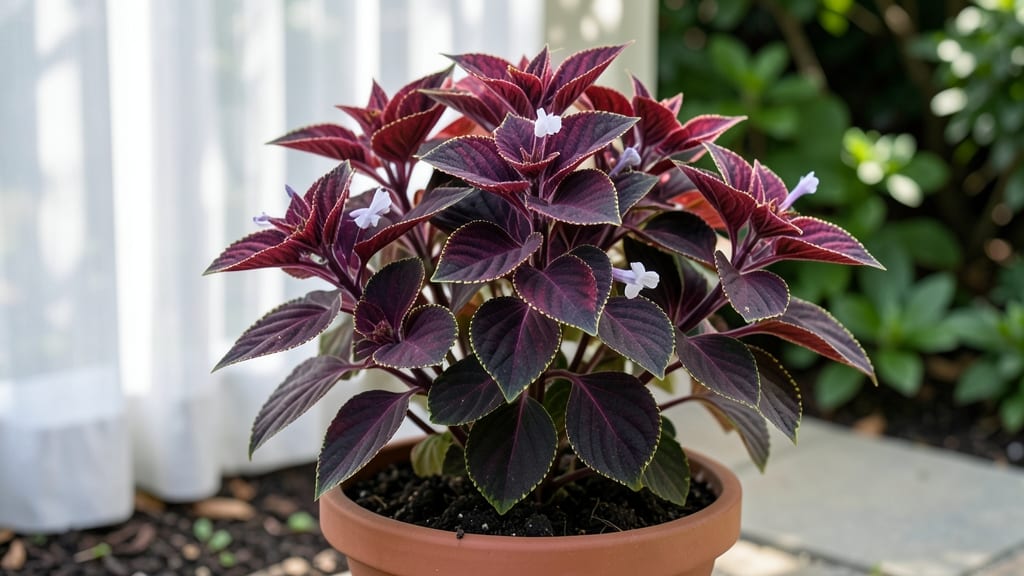
Purple-red leaf plants like Coleus and Purple Heart add stunning color to any garden, thriving even when summer scorches other foliage. 🌿 I’ve grown these bold beauties for years, and they never fail to turn heads—whether in containers or along garden borders.
The secret lies in their love for warmth and bright light, which brings out those deep, fiery hues. These plants aren’t fussy about soil as long as it drains well, but they do need consistent moisture—especially in containers where roots dry out faster.
Start with a mix of potting soil and perlite, and you’ll see those vibrant leaves stay lush all season. They’re also heat-resistant, making them perfect for sunny patios or tropical-themed gardens. Once established, they’ll grow fast, filling gaps and adding drama to any space.
Pinch back leggy stems to encourage bushier growth, and watch them bounce back with even more color. The best part? Many varieties are perennial in warm climates, so they’ll reward you year after year.
Whether you’re using them as a bold border, a container centerpiece, or a hanging basket, these plants deliver low-maintenance impact. Just remember: the brighter the light, the more intense the purple-red foliage will be. Let’s get growing!
📚 In This Guide
- What you need
- Instructions
- Tips and common mistakes
- Wrapping up and next steps
What you need
- ● Purple red leaf plant seeds or cuttings: Choose a heat-resistant variety (e.g., Coleus 'Black Dragon' or Amaranthus 'Love Lies Bleeding'). Start with 5–10 seeds or 3–5 cuttings for a small patch.
- ● Well-draining potting mix: 1–2 bags (10–15 lbs each) of a high-quality, peat-based or coco-coir mix (add perlite or vermiculite for aeration).
- ● Containers or garden bed: For containers: 5–6-inch pots (1 per plant) or hanging baskets (for trailing varieties).
- ● For in-ground planting: A sunny spot with loose, fertile soil (amend with compost if needed).
- ● Fertilizer: A balanced liquid fertilizer (10-10-10) or slow-release granules (follow package rates).
- ● Watering can or hose with a gentle spray nozzle: Avoid overwatering—aim for 1 inch of water per week.
- ○ Gloves (optional but recommended) to protect hands from soil or prickly stems (e.g., Amaranthus).
- ● Trowel or small shovel for transplanting or digging.
- ● Pruning shears (for trimming leggy growth or harvesting cuttings).
- ○ Mulch (optional): Straw or shredded leaves to retain moisture and suppress weeds.
- ○ Plant labels (optional): Mark varieties if growing multiple types.
- ● Sunlight: 6+ hours of direct sun (partial shade in extreme heat for some varieties).
- ● Temperature: Ideal range of 65–85°F (18–29°C); most purple red leaf plants thrive in heat-resistant zones (7–11).
- ● Patience: Germination takes 7–14 days; full color may develop in 4–6 weeks.
Step-by-step guide to growing purple red leaf plants
This vibrant, heat-loving variety thrives with minimal fuss—here’s how to coax its bold foliage to life.
🌱 Step 1: Choose the Right Location and Soil
Purple red leaf plants adore full sun—at least 6-8 hours daily—so pick a spot where they’ll bask in direct light. I always scout the area first: if nearby plants are scorched by afternoon sun, this isn’t the place. Instead, opt for a slightly shaded patio or garden edge where they’ll get morning sun and afternoon dappled light.
Amend the soil with 2-3 inches of compost before planting. These plants tolerate poor soil but reward you with richer color when nutrients are balanced. Work the compost into the top 6 inches of soil—just enough to loosen it without disturbing deeper layers. A quick soil test for pH (aim for 6.0-7.0) ensures they’ll thrive without struggle.
🪴 Step 2: Plant with Proper Spacing and Watering
Dig holes twice as wide as the root ball but no deeper—planting too deep suffocates roots. Space plants 12-18 inches apart (closer for bushier varieties, wider for sprawling types). I like to firm the soil gently around the roots with my fingers, tamping lightly to eliminate air pockets without compacting.
Water deeply right after planting—soak the soil until it’s 6 inches down, then let it drain completely. Purple red leaf plants hate soggy roots, so avoid watering again until the top 2 inches of soil feel dry. Overwatering now leads to yellowing leaves and stunted growth, and you’ll kick yourself later when the plant struggles.
☀️ Step 3: Maintain Heat Tolerance and Prune for Fullness
Once established, these plants are drought-tolerant but still need 1 inch of water weekly during dry spells. I water in the early morning to prevent fungal issues from evening moisture. Mulch with 2-3 inches of shredded bark to retain soil moisture and keep roots cool—this is especially critical in 90°F+ heat, where roots can overheat.
Pinch back the tips of new growth when plants reach 6 inches tall to encourage bushier, fuller foliage. I also remove any leggy stems that stretch toward the light—this keeps the plant compact and vibrant. Prune in early spring to shape and again after flowering to maintain energy for leaf production.
✂️ Step 4: Harvest and Propagate for Year-Round Color
Harvest leaves as needed for cooking or arrangements, but never take more than ⅓ of the plant at once. Cut stems just above a leaf node to encourage regrowth. I harvest in the morning after dew dries—leaves are crispest then, and the plant recovers faster. Regular harvesting actually makes the foliage grow thicker and more vibrant over time.
To propagate, take 4-6 inch cuttings from healthy stems in spring or early summer. Dip the cut end in rooting hormone (optional but helpful) and plant in moist potting mix. Keep the soil consistently damp and place in bright, indirect light until roots form—usually in 4-6 weeks. This is how I keep my purple red leaf plants going year-round, even in winter.
Tips & tricks for perfect purple red leaf plant growth
Here's what nobody tells you about growing these showstopping plants—tricks that'll keep your purple red leaf thriving all season long.
Sunlight Strategy: The 6-8 hours of daily sun is non-negotiable, but timing matters just as much. If you're in a hot climate, give your plants afternoon shade to prevent leaf scorch. I've seen plants in full afternoon sun turn crispy within days—don't make my mistake! Start with morning sun exposure and gradually increase to full sun over 2 weeks to avoid shocking the plants. This gradual acclimation makes all the difference in heat tolerance.
Soil Secrets: While these plants tolerate poor soil, don't skimp on the 2-3 inches of compost. I've found that mixing in a handful of worm castings with that compost gives an extra nutrient boost that shows in the leaf color. For container growing, use a high-quality potting mix with added perlite to improve drainage—this is especially critical when temperatures hit that 90°F+ threshold where roots can overheat.
Watering Wisdom: That first deep watering after planting is crucial—aim for 6 inches down to encourage deep root growth. But here's the trick: after that initial soak, let the top 2 inches dry out completely before watering again. I use a moisture meter to check, but you can also stick your finger in the soil—it should feel dry but not bone-dry. This prevents the very common problem of yellowing leaves that happens when roots sit in soggy soil.
Pruning Payoff: When you pinch back those tips at 6 inches tall, you're not just shaping the plant—you're triggering bushier growth. I like to do this in early spring when new growth starts, but you can also pinch throughout the season. The key is to always cut just above a leaf node where new growth will emerge. This simple technique transforms leggy plants into full, vibrant bushes that produce more leaves for harvesting.
Pro Tips for Purple Red Leaf Plant
- Here's what nobody tells you about growing these showstopping plants—tricks that'll keep your purple red leaf thriving all season long.
- Sunlight Strategy: The 6-8 hours of daily sun is non-negotiable, but timing matters just as much.
- Soil Secrets: While these plants tolerate poor soil, don't skimp on the 2-3 inches of compost.
Frequently asked questions
Got questions about growing purple red leaf plants? You’re not alone! Here are some of the most common concerns—and their answers—to help you cultivate this vibrant, heat-loving variety with confidence.
What’s the best way to start growing purple red leaf plants?
You can grow purple red leaf plants from seeds (direct-sow after the last frost) or transplants (buy young plants for a head start). For fastest results, opt for transplants—just ensure they’re hardened off if moving them outdoors. Pro tip: Space them 12–18 inches apart to allow airflow and prevent disease.
How long does it take for purple red leaf plants to mature?
From seed, expect 45–60 days to harvest, depending on your climate. Transplants may mature slightly faster (around 30–40 days). Watch for: Deep purple-red leaves and a bushy growth habit—these are your cues that they’re ready to harvest!
Can purple red leaf plants handle extreme heat or drought?
This variety is heat-tolerant and thrives in temperatures up to 90°F+. However, consistent moisture is key—water deeply 1–2 times per week (more in extreme heat). Mulch around the base to retain soil moisture and protect roots. Warning: Avoid soggy soil to prevent root rot.
What are some alternatives if I can’t grow purple red leaf plants?
If your climate isn’t ideal, try these similar heat-loving greens:
- Swiss chard (vibrant colors, cold-hardy)
- Malabar spinach (tropical, drought-resistant)
- New Zealand spinach (salty taste, thrives in heat)
Why are my purple red leaf plants turning yellow or wilted?
Yellowing leaves often signal overwatering or nutrient deficiency (like nitrogen). Wilting can mean underwatering or root stress (check for pests like aphids). Quick fixes:
Wrapping up and next steps
Transforming your garden—or even your kitchen windowsill—into a vibrant display with purple red leaf plants is easier than you think! 🌱 These heat-resistant beauties not only add stunning color but also reward you with year-round harvests.
Whether you're a seasoned gardener or a beginner, their adaptability and bold foliage make them a standout choice.
Ready to get growing? Start small—plant a few seeds or seedlings today and watch your space (and confidence!) flourish. What’s next? Experiment with companion plants, share your progress, or even gift a cutting to a fellow plant lover. The possibilities—and the purple—are endless!