
Planting
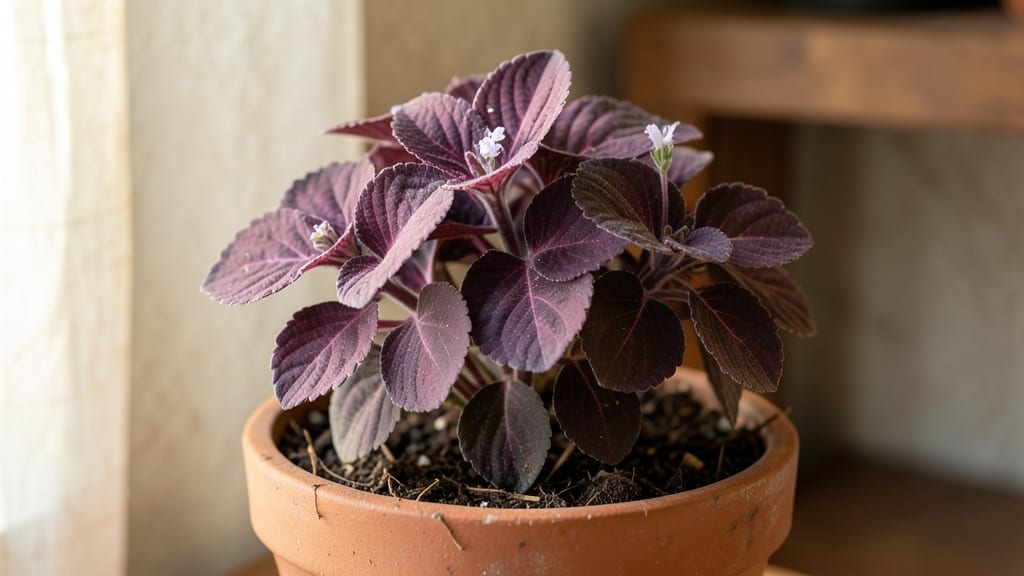
Purple round leaf plants are the secret weapon for adding bold contrast to any garden design. 🌿 I’ve used them to transform dull borders into eye-catching displays—whether planted in containers or tucked into shady spots where flowers struggle.
The deep burgundy, violet, or plum hues of their leaves create instant visual drama, especially when paired with silvery foliage or bright blooms.
These plants shine in low-maintenance settings—think Heuchera (hardy to zone 3) or Coleus (tropical but easy in pots)—because they thrive in partial shade and tolerate dry soil once established. Their rounded leaves add texture, too, making them perfect for layered garden beds or as focal points in containers.
The key? Grouping them with complementary plants like silver dusty miller or white flowers to make their color pop even more.
You’ll love how they hold up through seasons: Heuchera stays vibrant even in winter (in mild climates), while Coleus brings summer-long color until frost. A sprinkle of mulch keeps roots cool, and occasional pruning encourages bushier growth—no fuss, just stunning results.
These plants are the unsung heroes of garden design, turning ordinary spaces into showstoppers.
For extra drama, try planting them near pathways or under dappled shade trees where their leaves catch the light. In containers? Pair with trailing plants like sweet potato vine for a cascading effect.
The best part? They’re beginner-friendly—just water when the soil dries and watch them thrive. Now, let’s find the perfect spot for yours!
Common Causes Of Leaf Discoloration
Understanding why your round-leafed purple plant develops unexpected color shifts—like dulling, yellowing, or streaks—starts with identifying the root causes. These changes often signal stress, and pinpointing the trigger helps you take corrective action.
Below, we break down the most frequent culprits behind leaf color shifts, with clear explanations and actionable insights.
---
Why it happens: Purple round-leaf plants (like Heuchera, Coleus, or Plectranthus) thrive in well-draining soil, and excess moisture suffocates their roots. When soil stays soggy for too long, oxygen deprivation forces roots to struggle, leading to: - Yellowing leaves (chlorosis) from nutrient uptake failure. - Brown, mushy edges as cells collapse due to rot. - Purple-black streaks (in some species) from ethylene gas buildup—a stress hormone produced under waterlogged conditions.
The science: Roots rely on aerobic respiration (oxygen + water + nutrients) to function. Waterlogged soil creates anaerobic pockets, where harmful bacteria like Pythium or Phytophthora thrive. These pathogens block nutrient transport, causing the vibrant purple pigments (anthocyanins) to break down prematurely.
Actionable fix: - Test your soil: Stick a finger 2 inches deep—if it’s damp after 48 hours, you’re overwatering. - Upgrade containers: Use pots with drainage holes and add perlite or orchid bark (20-30%) to soil mixes. - Adjust watering: Wait until the top 1-2 inches of soil are dry before watering again. In humid climates, reduce frequency by 30-50%.
---
Why it happens: Purple foliage plants often develop bleached or faded leaves when exposed to harsh, direct sunlight (especially midday rays), while deep green or pale patches appear in low-light conditions. Here’s the breakdown:
| Symptom | Cause | Scientific Explanation | |---------------------------|------------------------------------|-------------------------------------------------------------------------------------------| | Sunburn (white/yellow patches) | Intense UV exposure | Chlorophyll degrades faster than protective pigments (anthocyanins) can shield cells. | | Stretched, pale leaves | Low light | Plants elongate (etiolation) to reach light, diluting purple pigments and reducing chlorophyll. | | Purple-blackening | Heat stress + dehydration | Anthocyanins overproduce as a sunscreen mechanism, but extreme heat disrupts photosynthesis. |
Actionable fix: - Gradual acclimation: Move plants to their final spot over 7–10 days to avoid shock. - Filter sunlight: Use sheer curtains or shade cloth (30-50% coverage) for 2–4 hours daily if in full sun. - Rotate pots: Every 2–3 weeks to ensure even light exposure (prevents one-sided bleaching).
---
Why it happens: Purple round-leaf plants (especially tropical varieties) are sensitive to temperature swings and low humidity. Stress triggers: - Purple-black spots (from cold drafts or frost). - Crispy, curled edges (due to rapid transpiration in dry air). - Slow growth + dull color (metabolic slowdown in heat or cold extremes).
The science: Anthocyanins act as antioxidants to protect cells under stress. However, when temperatures drop below 50°F (10°C) or rise above 90°F (32°C), enzyme activity in leaves falters, leading to pigment breakdown. Low humidity also causes stomatal closure (pores on leaves seal to retain moisture), starving cells of CO₂ and disrupting pigment synthesis.
Actionable fix: - Ideal range: Keep temps between 60–75°F (15–24°C). Avoid placing near AC vents, heaters, or drafty windows. - Humidity boost: Use a pebble tray with water or a humidifier (aim for 40–60% humidity). Group plants together to create a microclimate. - Mulch roots: Apply 2–3 inches of organic mulch (straw or shredded leaves) to insulate roots in cold snaps.
--- Why it happens: Purple foliage relies on a balance of magnesium, nitrogen, and phosphorus to maintain vibrant hues.
Deficiencies or imbalances cause: - Yellow veins with purple leaves → Magnesium deficiency (chlorophyll breakdown). - Pale, weak growth → Nitrogen deficiency (can’t produce enough anthocyanins). - Brown leaf tips → Over-fertilization (salt buildup burns roots, blocking nutrient uptake).
The science: Anthocyanins require phosphorus for synthesis, while magnesium stabilizes chlorophyll. A lack of these nutrients forces the plant to prioritize survival over pigment production. Conversely, excess salts (from fertilizers or tap water) disrupt the osmotic balance in root cells, preventing water and nutrient absorption.
Actionable fix: - Soil test: Use a DIY kit to check pH (ideal: 6.0–7.0) and nutrient levels. - Targeted feeding: - Magnesium: Sprinkle Epsom salt (1 tbsp/gallon of water) monthly. - Nitrogen: Use a balanced liquid fertilizer (10-10-10) diluted to half-strength every 4–6 weeks. - Flush soil: Water thoroughly with rainwater or distilled water every 2 months to leach excess salts.
--- Why it happens: Sap-sucking pests (like aphids, spider mites, or whiteflies) and fungal infections (powdery mildew, leaf spot) drain a plant’s energy, leading to: - Stunted growth + dull purple (resources diverted to defense). - White webbing or sticky residue (honeydew from pests). - Blackened veins or spots (fungal invasion blocking water transport).
The science: Pests inject toxins (e.g., salivary enzymes) that trigger oxidative stress, breaking down anthocyanins. Fungal pathogens like Alternaria clog xylem vessels, reducing water flow and causing leaf discoloration.
Actionable fix: - Inspect leaves: Use a magnifying glass to spot eggs, webbing, or fungal spores on undersides. - Mechanical removal: Blast pests off with water or wipe leaves with neem oil solution (1 tsp/quart of water). - Prevent recurrence: Apply insecticidal soap or copper fungicide as a preventive spray every 2 weeks during pest seasons.
How to solve it
H2: Quick Fixes for Common Issues
Reviving your purple round leaf plant (like the stunning Heuchera or Coleus) starts with identifying the root cause—then acting fast! Below, we’ve mapped out practical solutions for the most common problems, from wilted leaves to dull color, with step-by-step fixes and prevention tips to keep your plant thriving.
---
Fix it: - For soggy soil (overwatering): 1. 🔥 Stop watering immediately—let the top 1–2 inches of soil dry out completely before watering again. 2. 👨🍳 Repot if needed—if roots smell rotten or the soil stays waterlogged, transfer to a pot with drainage holes and fresh, well-draining potting mix (add perlite or sand for aeration). 3. ⏰ Monitor moisture—stick your finger in the soil; if it’s damp past 1 inch, wait longer before watering.
- For thirsty plants (underwatering): 1. 💦 Water deeply—soak the soil until water drains from the bottom, then empty the saucer to prevent sogginess. 2. 🌡️ Adjust frequency—purple leaf plants prefer consistently moist (not soggy) soil.
Water every 5–7 days in warm weather, less in winter. 3. 🎯 Use a moisture meter—if you’re unsure, invest in one to track soil moisture accurately.
Prevent it: - ✨ Use self-watering pots or place a moisture sensor in the soil for peace of mind. - 🌱 Group plants with similar water needs—this makes care routines easier.
---
Fix it: - For sun-damaged leaves (yellow or brown patches): 1. 🏠 Move to indirect light—place your plant near a east- or north-facing window, or use a sheer curtain to filter harsh afternoon sun. 2. 🌿 Rotate the pot weekly—this ensures even light exposure and prevents lopsided growth. 3. 🔄 Gradually acclimate—if moving from shade to sun, do it over 1–2 weeks to avoid shock.
- For leggy, pale leaves (light deficiency): 1. 💡 Supplement with grow lights—place a full-spectrum LED bulb 6–12 inches above the plant for 12–14 hours daily. 2. 🪴 Choose a brighter spot—south-facing windows or a well-lit indoor space (like a sunroom) work best.
3. 🍃 Prune leggy stems—trim back overgrown parts to encourage bushier, healthier growth.
Prevent it: - 📊 Know your plant’s light needs—most purple round leaf plants (like Heuchera) thrive in partial shade (4–6 hours of morning sun). - 🌡️ Watch for temperature shifts—hot, dry air can scorch leaves faster; use a humidifier nearby if indoors.
---
Fix it: - For aphids, spider mites, or whitefly (sticky residue or webbing): 1. 🔪 Isolate the plant—keep it away from others to prevent spreading. 2. 🚿 Blast off pests—spray leaves with a soapy water solution (1 tsp mild dish soap + 1 quart water) or neem oil spray (follow package instructions). 3. 🕷️ Introduce beneficial insects—ladybugs or lacewings eat aphids naturally.
- For fungal issues (black spots, powdery mildew): 1. 🌬️ Improve airflow—space plants apart and avoid overcrowding. 2. 💦 Water at the base—never wet leaves to reduce fungal spores.
3. 🍄 Treat with copper fungicide—apply according to label, or use a baking soda spray (1 tsp baking soda + 1 quart water + a drop of soap).
Prevent it: - 💡 Inspect new plants—quarantine them for 2 weeks before introducing to your collection. - 🌱 Keep tools clean—sterilize pruners with rubbing alcohol between uses.
---
Fix it: - For cold drafts (brown, crispy edges): 1. 🏠 Move away from windows/doors—avoid AC vents, heaters, or drafty spots. 2. 🔥 Use a heat mat—if indoors, place the pot on a self-regulating heat mat (ideal for winter). 3. 🌡️ Keep temps stable—purple leaf plants prefer 60–75°F; avoid sudden drops below 50°F.
- For dry air (curling leaves, dust): 1. 💦 Increase humidity—place the pot on a tray of pebbles with water, or use a humidifier nearby. 2. 🌿 Mist leaves lightly—do this in the morning to allow foliage to dry quickly.
3. 🍃 Group plants together—they create a microclimate that retains moisture.
Prevent it: - 🎯 Monitor with a hygrometer—aim for 40–60% humidity for optimal growth. - 🌱 Avoid plastic pots—they trap moisture; opt for terracotta or fabric pots for better airflow.
---
Remember: Purple round leaf plants are tough once you get their care basics right! With these fixes, your plant should bounce back in 2–4 weeks. For persistent issues, consider whether your plant’s needs align with your home’s conditions—sometimes a simple relocation is all it takes!
Frequently asked questions
What are the most popular purple round leaf plants for gardens?
Top choices include Heuchera (coral bells), known for their deep burgundy foliage and hardiness, and Coleus varieties with vibrant purple leaves that thrive in containers. Purple Leaf Eggplant (Solanum melongena) also offers striking round leaves, while Round-Leafed Geraniums add a pop of color to borders. Each brings unique textures and shades of purple to your garden!
Can these plants grow indoors year-round?
Many purple round leaf plants like Coleus and Plectranthus thrive indoors with bright, indirect light (east or north-facing windows). Heuchera can also adapt indoors but prefers cooler temps (60–75°F). Use grow lights if natural light is limited, and rotate pots weekly for even growth. Most need moderate humidity—a pebble tray helps mimic outdoor conditions.
How do I make purple leaves look even more vibrant?
Boost color by placing plants in partial shade (morning sun only) to prevent sunburn. Use a balanced fertilizer (10-10-10) every 4–6 weeks during growing season, and add Epsom salt (1 tbsp/gallon) monthly for magnesium. Mulch with organic material to retain moisture, and avoid overwatering—dull leaves often signal stress from soggy roots.
Are purple round leaf plants toxic to pets?
Most are non-toxic, but Heuchera and Coleus can cause mild stomach upset if ingested in large amounts. Purple Leaf Eggplant, however, is toxic to cats/dogs due to solanine—keep it out of reach. Always research before placing plants near pets, and opt for pet-safe varieties like Plectranthus if needed.
What’s the best way to propagate these plants?
For Coleus and Plectranthus, take 4-inch stem cuttings below a leaf node, remove lower leaves, and root in water or moist perlite mix. Heuchera divides easily in spring—lift the plant, separate crowns, and replant. Eggplants propagate from seeds or cuttings, but require warmth (70°F+). All thrive in well-draining soil with gentle watering until established.