
Planting
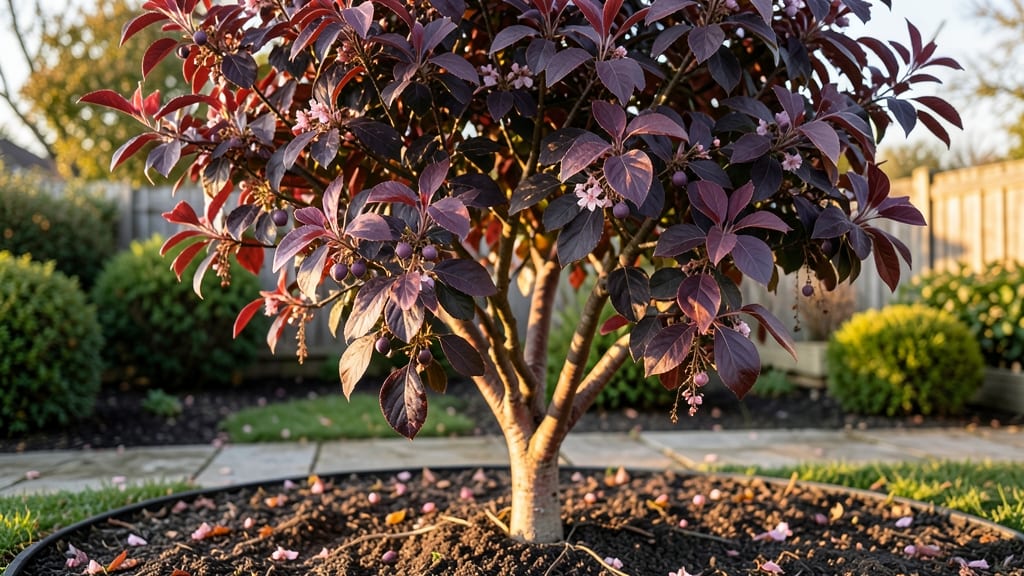
Your garden just got a bold, year-round statement with purple-leafed plants. 🌿 These aren’t just plants—they’re living art that turns ordinary beds into showstoppers, especially when paired with silvery foliage or white blooms for maximum contrast.
I’ve designed entire borders around just a few varieties, like the deep burgundy of purple smoke bush or the velvety plum tones of coleus. The secret to keeping that rich color? Most need 4-6 hours of sun daily and well-draining soil—no fancy tricks, just good basics.
You’ll end up with foliage that stays vibrant from spring through frost, catching sunlight in ways green plants never do. The purple hues even glow under moonlight, adding drama to evening garden strolls. Works in containers, borders, or as focal points—just match the right variety to your light conditions.
Let’s make your garden unforgettable.
📚 In This Guide
- What you need
- Instructions
- Tips and common mistakes
- Wrapping up and next steps
What you need
- ● Purple-leaved plants: Choose from varieties like Coleus, Purple Heart (Tradescantia), or Purple Smoke Bush (Cotinus). Opt for 3–5 mature plants (or seeds/cuttings if starting from scratch).
- ● Well-draining potting mix: 1–2 bags (18–24 qt each) of high-quality soil amended with 20% perlite or compost for aeration.
- ● Containers or garden bed: For containers: 3–5 pots (10–12" diameter) with drainage holes.
- ● For in-ground planting: A sunny to partially shaded spot with loose, fertile soil.
- ● Fertilizer: Balanced, slow-release granules (10-10-10) or liquid fertilizer (20-20-20) for vibrant growth.
- ● Basic gardening tools: Trowel or hand shovel
- ○ Gloves (optional but recommended)
- ● Watering can or hose with a gentle spray nozzle
- ○ Optional (but helpful!): Mulch (e.g., shredded bark or straw) to retain moisture.
- ● Pruning shears for shaping or propagation.
- ● pH test kit to ensure soil acidity (ideal: 6.0–7.0 for most purple-leaved plants).
How to select and care for stunning purple-leafed plants
Here’s how to choose and grow these eye-catching plants for bold color year after year.
🌿 Step 1: Choose the Right Purple-Leafed Varieties
Purple-leafed plants come in all shapes and sizes, from shrubs like Purple Smoke Bush to perennials like Heuchera (coral bells). I always pick varieties that match my garden’s light conditions—some thrive in full sun, while others prefer shade. For example, Purple Leaf Sand Cherry loves sun, while Purple Heart (Tradescantia) does best in partial shade.
Check the plant tag for mature size and spacing needs. Crowding leads to weak growth, and these plants deserve room to show off their vibrant foliage. If you’re unsure, start with a mix of sun and shade lovers to test what works best in your space.
☀️ Step 2: Plant in the Correct Light Conditions
Most purple-leafed plants need at least 4-6 hours of sunlight daily to maintain their deep color. Place sun-loving varieties like Purple Leaf Plumbago or Purple Leaf Verbena in a south or west-facing spot. For shade-tolerant picks like Purple Leaf Japanese Maple or Purple Leaf Hostas, choose a spot with dappled light or filtered shade.
Watch the leaves over a week—they’ll tell you if the light is right. If they fade to green, they need more sun; if they scorch, they’re getting too much. Adjust gradually to avoid shocking the plant.
💧 Step 3: Water Consistently Without Overdoing It
Purple-leafed plants generally prefer moderate moisture—keep the soil evenly damp but not soggy. I water deeply once a week in summer, letting the top 2 inches of soil dry out between waterings. Overwatering causes root rot, while underwatering dulls their vibrant color.
Mulch around the base with 2-3 inches of organic mulch to retain moisture and protect roots. This is especially important in hot climates where soil dries out fast. A good rule: If the leaves start wilting or curling, it’s time to water.
✂️ Step 4: Prune for Health and Vibrancy
Prune in early spring to shape the plant and encourage new growth. Remove any dead, damaged, or crossing branches first—this keeps air flowing and prevents disease. For shrubs like Purple Leaf Elderberry, I cut back one-third of the oldest stems to rejuvenate growth.
Don’t prune in fall unless you’re dealing with deadwood. Fall pruning can stimulate tender new growth that won’t survive winter. Always use clean, sharp pruners to avoid tearing leaves or spreading disease.
🌱 Step 5: Fertilize for Richer Color
Feed purple-leafed plants in early spring with a balanced, slow-release fertilizer (10-10-10 or similar). This boosts their natural pigmentation. I skip high-nitrogen fertilizers—they encourage leafy growth at the expense of color. Instead, a low-nitrogen, high-phosphorus fertilizer (like 5-10-10) enhances those deep purples and reds.
Apply fertilizer after watering to prevent root burn. Repeat in mid-summer if your soil is poor or if the leaves look pale. Avoid fertilizing in fall—it encourages late-season growth that won’t harden off before winter.
Tips & tricks for perfect purple-leafed plant care
Real talk: These plants are showstoppers, but they need the right care to keep their stunning color. Here’s how to avoid common pitfalls and get the most vibrant foliage possible.
Light Matters: The 4-6 hours of sunlight mentioned in Step 2 is non-negotiable for maintaining that deep purple hue. If your plants start fading to green, they’re not getting enough light—move them to a sunnier spot gradually over a week. For shade lovers like Purple Leaf Hostas, watch for yellowing edges, which means they’re getting too much direct sun. Morning sun is gentler than harsh afternoon rays.
Soil Secrets: Purple-leafed plants thrive in well-draining soil with a slightly acidic to neutral pH (6.0-7.0). If your soil is heavy clay, amend it with compost before planting—this improves drainage and nutrient availability. I’ve seen these plants struggle in compacted soil, so don’t skip the prep work. A simple soil test kit can tell you if you need to adjust pH before planting.
Color-Boosting Tricks: For even more intense purple foliage, add a handful of sulfur-based fertilizer (like iron sulfate) to your soil in early spring. This enhances the anthocyanins—the pigments responsible for those deep purples. Just follow package instructions to avoid overdoing it. Also, avoid high-nitrogen fertilizers (like those labeled for lawns)—they’ll make your plants grow fast but dull the color.
Pruning Pro Tip: When you’re cutting back one-third of the oldest stems in Step 4, make your cuts just above a leaf node or bud. This encourages new growth from the right spot. I always sterilize my pruners with rubbing alcohol between cuts to prevent spreading disease. And if you’re dealing with leggy growth, you can do a light prune in mid-summer to encourage bushier, fuller plants.
Pro Tips for Purple Leafed Plant
- Real talk: These plants are showstoppers, but they need the right care to keep their stunning color.
- Light Matters: The 4-6 hours of sunlight mentioned in Step 2 is non-negotiable for maintaining that deep purple hue.
- Soil Secrets: Purple-leafed plants thrive in well-draining soil with a slightly acidic to neutral pH (6.0-7.0).
Frequently asked questions
Got questions about purple-leaved plants? You’re not alone! Here are some of the most common queries—plus quick, practical answers to help you grow stunning foliage with confidence.
What are the easiest purple-leaved plants for beginners?
Start with Coleus, Purple Heart (Tradescantia), or Purple Leaf Plum (Prunus cerasifera). These thrive in partial shade, require minimal care, and add vibrant color with little effort. For containers, try Purple Basil—it’s hardy and drought-tolerant!
How long does it take for purple leaves to develop fully?
Most purple-leaved plants show color within 4–6 weeks of planting, but full vibrancy takes 2–3 months, especially in cooler weather. Purple Smoke Bush (Cotinus) may take up to a year to reach peak color intensity. Pro tip: Feed with a low-nitrogen fertilizer to enhance pigment!
Can purple-leaved plants handle full sun or do they need shade?
It depends! Sun-lovers: Purple Leaf Plum, Purple Smoke Bush, and Purple Coneflower thrive in full sun. Shade-tolerant picks: Coleus, Heuchera, and Purple Heart prefer partial shade (especially in hot climates). Watch for leaf scorch—yellowing edges mean too much sun!
Why are my purple leaves turning green or dull?
Dull or green-tinged leaves usually signal overwatering, nutrient deficiency, or too much shade. Try this:
- Water deeply but infrequently—purple plants often tolerate drought.
- Add iron or magnesium (common in clay soil).
- Move to brighter light (but avoid harsh afternoon sun).
If the issue persists, test your soil’s pH—purple foliage often loves slightly acidic to neutral soil (6.0–7.0).
Are there any purple-leaved plants that bloom?
Try these blooming beauties:
Plant
Bloom Color
Care Level
Purple Coneflower (Echinacea)
Pink/purple
Easy (full sun, drought-tolerant)
Purple Salvia (Salvia nemorosa)
Blue-purple
Moderate (well-draining soil)
Purple Basil (Ocimum basilicum 'Purple Ruffles')
White/purple
Low (herbaceous, great for containers)
Pro tip: Deadhead spent blooms to encourage more flowers and keep foliage vibrant!
Wrapping up and next steps
Purple-leafed plants are a game-changer for adding bold color, texture, and drama to any garden—whether you’re a seasoned gardener or just starting out! 🌿 From low-maintenance varieties like the Purple Smoke Bush to vibrant Coleus for containers, these plants prove that stunning foliage doesn’t require a green thumb.
With the right care (sunlight, soil, and a little patience), you’ll enjoy their eye-catching hues year after year.
Ready to transform your space? Start small—pick one purple-leafed plant that excites you, gather your supplies, and dive in! Before you know it, your garden will be a vibrant purple paradise. Happy planting! 🌸