
Blooming
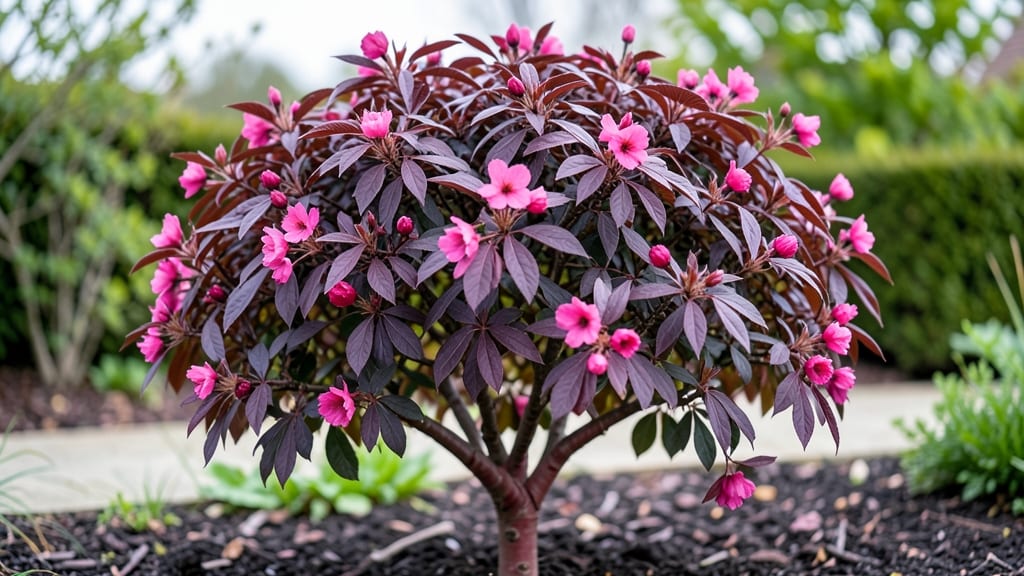
The purple leaf plum bloom transforms your yard into a springtime masterpiece—vibrant pink flowers against deep purple foliage that lasts all season. 🌸 I’ve watched mine go from bare branches to a riot of color in just three weeks, and the secret isn’t complicated: it’s all about sunlight, pruning timing, and a little winter care.
This tree thrives in full sun but handles partial shade too, making it perfect for small yards or urban gardens. The key to those showstopping blooms? Prune in late winter before buds swell—cut back 1/3 of last year’s growth to encourage fresh, flower-laden branches.
And don’t overlook the purple leaves: they stay stunning even after blooms fade, giving you year-round drama. By summer, you’ll have clusters of fragrant pink flowers and glossy purple foliage that turns heads. The best part?
These trees are disease-resistant and low-maintenance once established—just water deeply during droughts and mulch to keep roots happy. Whether you’re planting a new tree or reviving an old one, this care routine works for any climate zone (5-9). Let’s make your plum tree the star of the show!
📚 In This Guide
- What you need
- Instructions
- Tips and common mistakes
- Wrapping up and next steps
What you need
- ● Purple Leaf Plum Tree (Prunus cerasifera 'Atropurpurea') – Choose a healthy 1- to 3-gallon container-grown sapling or a bare-root option (check local nurseries for disease-resistant varieties).
- ● Well-draining soil mix – 60% topsoil, 30% compost, and 10% perlite or sand (for optimal aeration and drainage).
- ● Organic mulch – 2–3 inches of shredded bark, wood chips, or pine straw (to retain moisture and suppress weeds).
- ● Slow-release fertilizer – 10-10-10 or 8-3-9 blend (follow package instructions for application rates).
- ● Pruning shears – Sharp, bypass-style shears (sterilize with rubbing alcohol between cuts).
- ● Garden trowel or spade – For digging planting holes (1.5x wider than the root ball).
- ● Watering can or hose with nozzle – For deep, consistent watering (aim for 1–2 gallons per week during establishment).
- ● Gloves – Heavy-duty gardening gloves (to protect against thorns and rough bark).
- ○ Staking kit (optional) – 2–3 stakes + soft ties (for young trees in windy areas).
- ○ Tree collar protector (optional) – Plastic or metal guard (to prevent lawnmower damage).
- ● Sunlight – Full sun (6+ hours daily) for optimal blooms and foliage color.
- ● Hardiness zone – Plant in USDA Zones 5–9 (purple leaf plums thrive in temperate climates).
- ● Spacing – 15–20 feet apart for mature trees (or closer for hedges).
- ● Patience! – Trees take 3–5 years to reach full bloom potential but reward with stunning purple foliage year-round.
How to encourage stunning purple leaf plum bloom year after year
Here's the secret to keeping your purple leaf plum vibrant and blooming reliably—no fancy tricks, just smart care.
🌱 Step 1: Plant in the Perfect Spot for Sun and Drainage
Purple leaf plums need full sun—at least 6-8 hours daily—to develop their signature deep purple foliage and produce abundant blooms. I always plant mine where they get morning sun and afternoon shade in hotter climates, which prevents leaf scorch while still encouraging flowering. The soil must drain well; these trees hate soggy roots.
Dig a hole twice as wide as the root ball but only as deep. Amend heavy clay soil with 2-3 inches of compost mixed into the bottom of the hole. This improves drainage and gives roots a nutrient boost right from the start. Tap the tree gently to settle soil around roots before watering deeply to eliminate air pockets.
☀️ Step 2: Water Deeply but Infrequently After Establishment
Newly planted purple leaf plums need 1-2 inches of water weekly for the first year, but mature trees thrive on deep watering every 10-14 days. I check by sticking my finger 2 inches into the soil—if it feels dry, that's your watering cue. Overwatering causes yellow leaves and weak growth, so let the topsoil dry between waterings.
Mulch around the base with 2-3 inches of wood chips, keeping it 6 inches away from the trunk. This conserves moisture, regulates soil temperature, and prevents weeds. Replenish mulch annually as it breaks down—never let it pile against the trunk, which can cause rot.
✂️ Step 3: Prune for Shape and Airflow in Late Winter
The best time to prune is February or March, just as buds begin to swell but before new growth starts. Remove dead, crossing, or inward-growing branches first—they compete for energy and reduce airflow, which invites disease. Cut back to an outward-facing bud to encourage new growth in the right direction.
Thin out crowded branches to let light reach the center of the tree. Purple leaf plums respond well to pruning, so don't be afraid to shape them. After pruning, apply a balanced fertilizer (like 10-10-10) to support the tree's recovery and next year's blooms. Avoid heavy nitrogen fertilizers—they promote leafy growth at the expense of flowers.
🌿 Step 4: Feed for Vibrant Foliage and Blooms
In early spring, before buds open, apply a slow-release granular fertilizer around the drip line (the edge of the tree's canopy). Use ½ cup for young trees and 1 cup for mature trees, then water deeply to activate the fertilizer. This timing ensures the tree has energy for both foliage and flowers.
Mid-summer is another key feeding time. Switch to a low-nitrogen, high-phosphorus formula (like 5-10-5) to encourage root development and next year's blooms. Scratch the fertilizer into the top 2 inches of soil and water again. Avoid fertilizing in fall—it stimulates tender new growth that won't harden off before winter.
⏰ Step 5: Protect Against Common Pests and Diseases
Watch for aphids, scale, and spider mites, which love the tender new growth of purple leaf plums. I spray the undersides of leaves with neem oil in early spring and again after blooming to prevent infestations. For fungal issues like powdery mildew, prune for airflow and apply copper fungicide as a preventive measure.
If you notice black spots on leaves or oozing cankers, act fast. Remove infected branches immediately and sterilize pruners with rubbing alcohol between cuts. Healthy purple leaf plums are tough, but early intervention keeps them thriving. A 2-inch layer of mulch also deters soil-borne diseases by keeping the base dry and clean.
Tips & tricks for perfect purple leaf plum bloom
Here's what nobody tells you about keeping these showstopping trees looking their absolute best.
Sunlight Strategy: Those 6-8 hours of daily sun are non-negotiable for that signature purple foliage, but here's the trick: position your tree where it gets morning sun and afternoon shade in hotter climates. This prevents leaf scorch while still encouraging those vibrant blooms. If you notice leaves turning yellow in summer, it's your cue to move the tree to a slightly shadier spot or provide afternoon shade cloth.
Soil Secrets: The 2-3 inches of compost you mix into the planting hole isn't just about drainage—it's about creating the perfect microbial environment for root health. I like to add a handful of mycorrhizal fungi to the compost mix when planting new trees. This helps roots absorb nutrients more efficiently, which translates to better foliage color and more abundant blooms. Think of it as a superfood for your tree's roots!
Watering Wisdom: That 2-inch soil moisture check is your best friend. If you're unsure about your soil type, do this test: Fill a clear glass jar with water, then bury it next to your tree. When the water level drops 2 inches, that's your watering signal. This method works especially well for container-grown purple leaf plums where soil moisture can fluctuate quickly.
Pruning Payoff: When you're pruning in February or March, look for those outward-facing buds—they're your secret to maintaining that perfect rounded shape. I always make my cuts just above a bud that's facing the direction I want the branch to grow. This technique creates that natural, balanced silhouette that makes purple leaf plums so eye-catching. And remember, pruning in late winter gives your tree time to heal before summer's heat arrives.
Pro Tips for Purple Leaf Plum Bloom
- Here's what nobody tells you about keeping these showstopping trees looking their absolute best.
- Sunlight Strategy: Those 6-8 hours of daily sun are non-negotiable for that signature purple foliage, but here's the ...
- Soil Secrets: The 2-3 inches of compost you mix into the planting hole isn't just about drainage—it's about creating ...
Frequently asked questions
Got questions about purple leaf plum bloom? You’re not alone! Here are some of the most common queries—plus quick, practical answers to help you make the most of these stunning trees.
When is the best time to plant a purple leaf plum for optimal blooms?
The ideal time to plant is late fall or early spring (before buds swell). This gives roots time to establish before summer heat. Avoid planting in mid-summer, as stress can delay blooming. Choose a spot with full sun (6+ hours/day) and well-draining soil for vibrant foliage and flowers.
Why isn’t my purple leaf plum blooming like it should?
Several factors can affect blooms:
- Age: Young trees (under 3 years) may focus on foliage first.
- Pruning mistakes: Cutting back after blooming or removing too many branches can reduce flowers. Prune right after flowering for next year’s blooms.
- Nutrient deficiency: Lack of phosphorus (middle number on fertilizer labels) can stunt blooms. Use a balanced 10-10-10 fertilizer in early spring.
- Overcrowding: Poor airflow encourages pests/diseases, stressing the tree.
If issues persist, check for aphids or scale insects, which sap energy from blooms.
Can I grow a purple leaf plum in a container? Yes—but with limits!
While possible, containers limit root growth and may reduce blooms. If you must pot one:
- Use a large container (20+ gallons) with drainage holes.
- Choose a fast-draining mix (add perlite or sand).
- Repot every 2–3 years to refresh soil.
- Expect smaller blooms than in-ground trees.
Pro tip: Move containers to sunniest spots in winter to prevent leaf drop.
How cold can a purple leaf plum handle? Will it survive winter?
Most varieties tolerate USDA Zones 5–9 (down to -15°F/-26°C). However:
- Young trees need winter mulch (3–4 inches of shredded bark) to protect roots.
- Heavy snow can break branches—gently brush off accumulation.
- In Zone 4 or colder, plant near a south-facing wall for extra warmth.
If leaves turn brown in winter, it’s normal dormancy—new growth emerges in spring!
Are there purple leaf plum alternatives with similar color but fewer pests?
If pests (like borers or aphids) plague your plum, try these low-maintenance alternatives:
Tree
Color/Foliage
Bloom Time
Pest Resistance
Smokebush (Cotinus coggygria)
Deep purple-red foliage
Pinkish plumes (summer)
Very low pest issues
Ninebark (Physocarpus)
Purple or burgundy leaves
White/pink spring blooms
Drought-tolerant, few pests
Japanese Maple (Acer palmatum)
Purple or blood-red
Delicate spring flowers
Watch for aphids (spray with water)
Pro tip: For heat tolerance, Smokebush outperforms plums in Zones 5–9.
Wrapping up and next steps
The purple leaf plum bloom isn’t just a seasonal spectacle—it’s a year-round gift of vibrant color and effortless beauty that transforms any garden into a living masterpiece. 🌸 From stunning spring blossoms to fiery autumn foliage, this tree proves that nature’s artistry knows no limits.
Whether you’re a seasoned gardener or just starting your green thumb journey, adding one to your landscape is a decision you won’t regret.
Now that you’re inspired, take the next step—visit your local nursery, sketch a spot in your yard, or research varieties to find the perfect match for your climate. Your future self (and your neighbors!) will thank you for this burst of purple leaf plum magic.