
Pests and Diseases
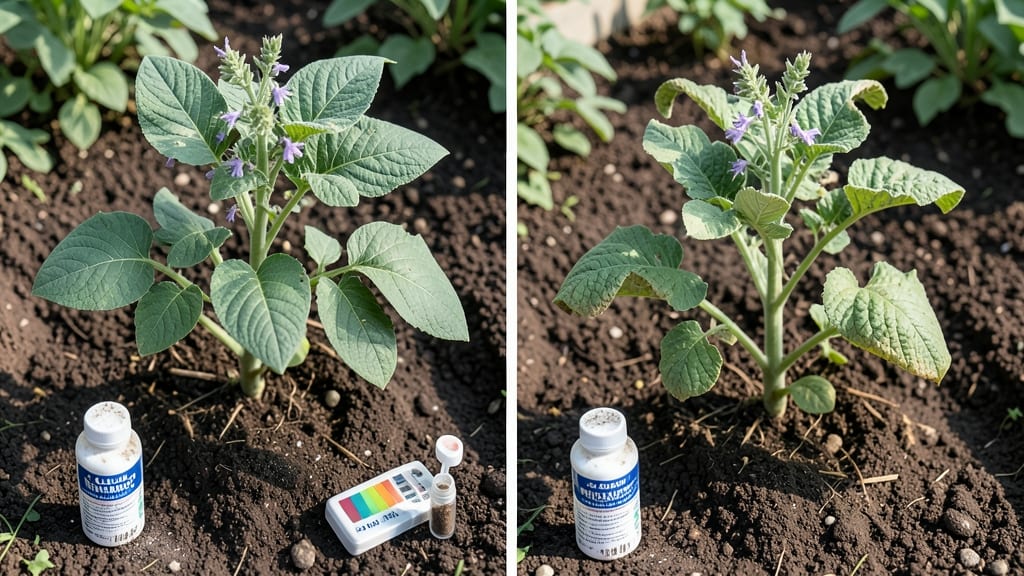
Your plants' leaves curling into tight little cups isn't always a pest problem—sometimes it's physiological leaf roll, and neem oil might be the last thing you think to try. 🌿 I've seen this frustrating issue turn tomatoes into sad little scrolls, peppers into crinkled paper, and even ornamental plants look like they've been rolled up by a tiny, invisible artist.
The good news? It's usually fixable without harsh chemicals.
This happens when plants get too much sun, too little water, or when roots can't keep up with what the leaves are demanding. Unlike pest damage, the edges stay clean—no holes, no webbing, just that unnatural rolling.
The yellowing often starts between the veins, and the whole plant looks like it's wilting from the inside out. My first clue was when my pepper plants started looking like someone had ironed them.
Neem oil isn't the first fix—adjusting watering and mulching usually works—but it's a game-changer for stubborn cases. A diluted neem oil spray every 7-10 days helps reduce stress while you fix the root causes.
Within two weeks, you'll see leaves unfurling and that sad, crinkled look disappearing. The key is consistency: water deeply but less often, keep mulch thick, and watch for those telltale signs of stress.
Prevention is easier than fixing: monitor soil moisture, protect plants from extreme heat, and choose varieties known for resilience. If you've got susceptible plants like tomatoes or peppers, this is your early-warning system. Trust me, catching it early makes all the difference between a sad season and a thriving garden.
📚 In This Guide
- What you need
- Instructions
- Tips and common mistakes
- Wrapping up and next steps
What you need
- ● Neem oil (100% cold-pressed, organic): 16–32 oz (1–2 bottles) (Look for brands like Bonide or Garden Safe for purity.)
- ○ Horticultural oil or liquid soap (optional but recommended): 4–8 oz (Helps emulsify neem oil for better adhesion.)
- ● Spray bottle (16–32 oz, pump or trigger-style): 1–2 (Choose one with a fine mist nozzle for even coverage.)
- ● Water (room temperature): 1 gallon (Distilled or filtered if possible to avoid mineral buildup.)
- ● Gloves (nitrile or rubber): 1 pair (Protects your skin from neem oil irritation.)
- ● Pruning shears (sterilized): 1 pair (For trimming severely affected leaves—sanitize with rubbing alcohol first!)
- ● Plastic sheeting or tarp: 1–2 sq. ft. (Lays under plants to catch drips and protect surfaces.)
- ● Sprayer backpack (for large gardens): 1 (Saves time if treating multiple plants.)
- ● pH test strips: 1 pack (Ensure your water is neutral (6.0–7.0) for optimal neem effectiveness.)
- ● Fan (small handheld): 1 (Helps dry leaves faster post-treatment to prevent mold.)
- ● Label maker or markers: 1 (Mark treated plants to avoid over-application.)
How to treat physiological leaf roll with neem oil
Here's the method I trust to revive plants struggling with leaf curl and yellowing—no harsh chemicals needed.
🌿 Step 1: Identify and Isolate Affected Plants
Start by examining your plants closely. Physiological leaf roll shows up as leaves curling downward along the edges while the center stays flat, often paired with yellowing between veins. This condition stems from stress—too much water, poor drainage, or sudden temperature swings. Gently check the soil moisture by sticking your finger in about 1 inch deep. If it feels soggy, the plant's roots are suffocating.
Isolate affected plants immediately. Leaf roll spreads through sap-sucking insects like aphids, which thrive on stressed plants. Place them in a shaded, protected area while you treat them. I always wear gloves during this step—some plants may have secondary fungal issues from prolonged stress.
💧 Step 2: Adjust Watering and Improve Drainage
Overwatering is the #1 cause of physiological leaf roll. Let the soil dry out completely between waterings—this means the top 2-3 inches should feel dry to the touch. If your pots lack drainage holes, drill them now. Poor drainage traps excess moisture, which triggers the curling response. I repot stressed plants into containers with fresh, well-draining mix to give roots a clean start.
For container plants, I add a layer of ½-inch gravel or perlite at the bottom before adding soil. This creates air pockets that prevent waterlogging. Water only when the soil feels dry, and always water deeply until it runs out the drainage holes. This ensures roots get the moisture they need without sitting in wet conditions.
☀️ Step 3: Apply Neem Oil for Stress Relief and Pest Control
Mix 1 teaspoon of neem oil with 1 quart of water and add a drop of dish soap to help it stick. Spray this solution evenly on both sides of all leaves until they glisten. Neem oil acts as a natural stress reliever and disrupts the life cycle of pests that worsen leaf roll. I apply it in the early morning or late afternoon to avoid burning leaves under direct sun.
Reapply the neem oil solution every 7-10 days for at least 4 weeks, or until new growth appears. Watch for improvement within 2-3 weeks—you'll notice leaves uncurling and regaining their normal shape. If you see aphids or other pests, repeat the spray more frequently. This step is critical because it addresses both the symptom and the underlying stress factors.
✂️ Step 4: Prune Damaged Leaves and Encourage New Growth
Use clean, sharp scissors to trim away severely curled or yellowed leaves. Cut just above a healthy leaf node to encourage regrowth. Don't remove more than ⅓ of the plant's foliage at once—this prevents additional stress. I always sterilize my pruners with rubbing alcohol between cuts to avoid spreading disease.
After pruning, fertilize lightly with a balanced, water-soluble fertilizer diluted to ½ strength. This gives the plant energy to produce new leaves without overwhelming it. Place the plant in a location with bright, indirect light for the next 2-3 weeks. You'll see new leaves emerging within 10-14 days—these will be your signal that the treatment is working.
🌱 Step 5: Monitor and Prevent Future Stress
Keep a log of your plant's progress, noting watering schedules, light exposure, and any new growth. Physiological leaf roll often returns if conditions don't improve. I check soil moisture daily during hot weather and adjust watering accordingly. Mulch around the base of the plant to retain even moisture and regulate soil temperature.
Rotate your plant every 2-3 weeks to ensure even light exposure. Uneven light can cause stress and trigger leaf curl. If you notice new leaves curling, revisit your watering habits or check for drafts. With consistent care, your plant should fully recover within 6-8 weeks, producing lush, healthy foliage.
Tips & tricks for reviving plants with leaf roll
These practical strategies will help you get the most out of your neem oil treatment and give your plants the best chance at recovery.
Diagnosis Tip: In Step 1, when examining leaves for physiological leaf roll, look for the distinctive "cupping" pattern where edges curl downward while the center remains flat. This visual cue helps distinguish it from other leaf curl diseases caused by viruses or pests. I've seen many gardeners confuse it with spider mite damage—those leaves typically show stippling or webbing, not just curling.
Watering Wisdom: The 2-3 inch soil dryness check in Step 2 works best when you use your finger to gauge moisture. For container plants, I recommend using a moisture meter for accuracy, especially in hot climates where evaporation happens quickly. Remember, the goal is to mimic natural rainfall patterns—deep watering that penetrates the entire root zone, followed by complete drying between waterings.
Neem Oil Application: When mixing your neem oil solution in Step 3, use a spray bottle with a fine mist setting to ensure even coverage. I've found that adding a drop of mild dish soap not only helps the solution adhere but also reduces surface tension, allowing it to spread more evenly across leaf surfaces. Always shake the mixture well before each application—neem oil naturally separates from water.
Pro Tips for Physiological Leaf Roll
- These practical strategies will help you get the most out of your neem oil treatment and give your plants the best ch...
- Diagnosis Tip: In Step 1, when examining leaves for physiological leaf roll, look for the distinctive "cupping" patte...
- Watering Wisdom: The 2-3 inch soil dryness check in Step 2 works best when you use your finger to gauge moisture. For...
Frequently asked questions
What causes physiological leaf roll in plants?
Physiological leaf roll is often triggered by abiotic stressors—like extreme heat, drought, or poor soil drainage—not pests or diseases. Overwatering, nutrient deficiencies (especially nitrogen or potassium), or sudden temperature swings can also force leaves to curl and yellow. Unlike viral infections, it’s reversible with proper care!
How long does it take for neem oil to work on leaf roll?
Neem oil acts as a stress reliever and fungicidal boost, but results vary. You may see improvements in 1–2 weeks if the issue is environmental (e.g., heat stress). For severe cases, combine neem oil with adjusting watering, mulching, or fertilizing. Patience is key—some plants recover faster than others!
Can I use neem oil if my plant is already wilting?
Neem oil won’t revive severely wilted plants, but it can prevent further damage by reducing stress. Focus first on hydration and shade. If roots are rotted (common with overwatering), neem oil may help after you’ve corrected drainage. Act fast!
Are there natural alternatives to neem oil for leaf roll?
Yes! Try these gentler options:
- Fish emulsion (for nitrogen deficiency)
- Compost tea (boosts microbial health)
- Hydrogen peroxide spray (1 tsp per cup of water, for fungal stress)
- Adjusting pH (test soil—leaf roll can signal alkaline soil)
My plant’s leaves are crispy and rolling—is it too late?
Not necessarily! If only new growth is affected, prune damaged leaves and optimize care. For old, crispy leaves, they’re likely dead—focus on saving younger foliage. Neem oil + humidity trays can help recover if roots are healthy. When in doubt, check for pests (like spider mites) first!
Wrapping up and next steps
Physiological leaf roll in plants can be frustrating, but with the right approach—like using neem oil—you can restore your greenery to its healthy glow! 🌿 This natural remedy tackles curling, yellowing, and stress symptoms while boosting plant resilience. The key is consistency, patience, and a proactive care routine.
Ready to see your plants thrive? Start by applying neem oil today, monitor progress, and adjust your care plan as needed. Your green thumb is closer than you think—just keep nurturing those leaves!