
Pests and Diseases
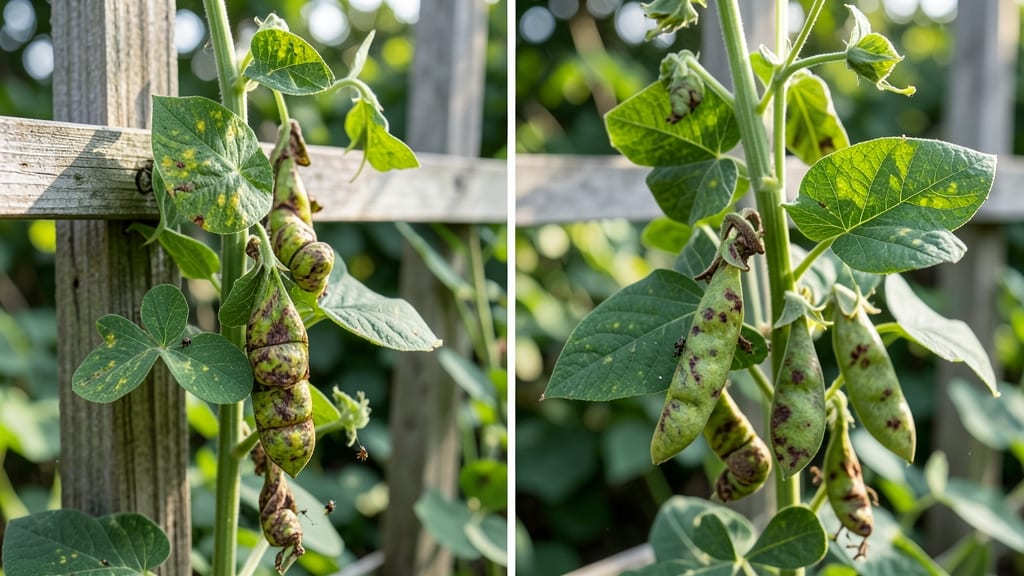
When your pea plants look like they’ve been rolled into a tight, stunted bundle, pea leaf roll virus might be the culprit. 🌱 I’ve seen this stubborn disease turn vibrant green vines into sad, yellowed messes—until I learned how to spot it early and stop its spread.
The key is acting fast, because once it takes hold, recovery is nearly impossible.
This virus spreads through aphids and infected seeds, so prevention starts with clean seeds and aphid control. I’ve tried everything from neem oil sprays to row covers, and while nothing guarantees 100% protection, these steps cut infection rates dramatically.
The goal isn’t just saving a few plants—it’s protecting your whole garden from this sneaky invader.
You’ll recognize infected plants by their cupped, upward-rolling leaves and stunted growth, often paired with yellowing. The bad news? There’s no cure. The good news? Removing infected plants immediately and monitoring aphid populations keeps the rest of your peas thriving. I’ve had entire rows survive just by staying vigilant.
Even if you’ve lost plants before, this method works—test seeds, scout for pests weekly, and act at the first sign of trouble. With these steps, you’ll keep your peas productive and your garden frustration-free. Let’s get your plants back on track.
How Viruses Spread in Pea Crops
Pea leaf roll virus (PLRV) doesn’t just appear out of nowhere—it thrives due to specific biological and environmental triggers. Understanding these causes is key to stopping outbreaks before they devastate your pea plants.
Below, we break down the primary pathways this stubborn virus takes to infect crops, along with the science behind each one.
The #1 culprit behind PLRV spread is the aphid—tiny, sap-sucking insects that act as living syringes for the virus. Here’s how it works:
- Mechanical Transmission: Aphids acquire the virus while feeding on infected plants. Their saliva contains viral particles, which they inject into healthy peas during feeding. Just 5 minutes of feeding can transmit PLRV.
- Persistent vs. Non-Persistent: PLRV is a persistent virus, meaning aphids must feed for 30+ minutes to pick it up. Once infected, they can spread it for weeks or even their entire lifetime.
- Species Matters: Not all aphids spread PLRV equally. Acyrthosiphon pisum (pea aphid) and Myzus persicae (green peach aphid) are the most efficient carriers. Pro tip: Monitor for these species during warm, humid seasons when aphid populations explode.
💡 Actionable Tip: Use yellow sticky traps or reflective mulch to deter aphids. If infestations occur, apply neem oil or insecticidal soap before PLRV symptoms appear.
Viruses can hitchhike on seeds, transplants, or even soil from infected plants. Here’s how:
- Systemic Infection: PLRV replicates in all parts of the host plant—roots, stems, and seeds. If you plant seeds from an infected pea, the virus is guaranteed to show up in the next crop.
- Survival in Residue: Infected plant debris can harbor the virus for 1–2 years in soil. Tilling or composting infected plants does not always kill the virus.
- Greenhouse Risk: PLRV can spread rapidly in controlled environments if infected stock is introduced. Always quarantine new plants for 2–4 weeks before mixing them with existing crops.
🔥 Prevention Hack: Purchase seeds from certified disease-free suppliers and conduct ELISA tests (a lab-based virus detection method) on suspect plants before planting.
PLRV doesn’t spread randomly—it exploits conditions that weaken pea plants or boost aphid activity. Key triggers include:
| Factor | How It Helps PLRV Spread |
|---|---|
| Warm Temperatures (60–80°F) | Aphid populations explode in heat. PLRV transmission rates peak when temps are ideal for both aphids and virus replication. |
| High Humidity | Moisture-stressed plants are more susceptible to aphid feeding. PLRV spreads 3x faster in drought-like conditions. |
| Poor Drainage | Waterlogged soil weakens roots, making plants easier targets for aphids. PLRV thrives in stressed hosts. |
| Late Planting | Peas planted after mid-summer have less time to mature before aphid seasons hit. Younger plants are more vulnerable. |
✨ Climate-Smart Strategy: Plant peas in early spring or fall to avoid peak aphid seasons. Use drip irrigation to keep soil moisture consistent and reduce stress.
Many growers assume rotating crops automatically prevents PLRV—but the virus can persist in alternative hosts like:
- Clover
- Alfalfa
- Vetch
- Other legumes
If these plants are nearby (even in adjacent fields), aphids can jump between them and your peas. Pro Tip: Avoid planting legumes within 500 feet of pea fields for at least 3 years to break the cycle.
How to Treat and Prevent Plant Damage
Once you’ve identified the symptoms of pea leaf roll virus (or similar rolling diseases in legumes), it’s time to act—both to manage the current infection and stop further spread.
Since this virus is transmitted by aphids and persists in infected seeds, your approach must combine immediate treatment and long-term prevention. Here’s how to tackle it step by step.
---
Cause: Infected plants act as a virus reservoir, spreading disease to healthy crops. Fix: - 🔪 Cut and destroy any plants showing symptoms (rolled leaves, stunted growth, yellowing). Do not compost them—burn or dispose of them in sealed bags to prevent aphids from feeding on them later. - 🌱 Monitor neighboring plants for 2–3 weeks. If new symptoms appear, repeat the removal process. - 💡 Pro Tip: If the infection is severe, consider roguing (removing infected plants) before they flower to minimize aphid attraction.
---
Cause: Aphids spread the virus while feeding, turning healthy plants into new hosts. Fix: - 🌿 Use natural predators like ladybugs, lacewings, or parasitic wasps. Introduce them to your garden or attract them with neighboring pollinator-friendly plants (e.g., dill, fennel, or marigolds). - 💦 Spray with soapy water (1 tsp mild dish soap + 1 quart water) to dislodge aphids. Reapply every 3–4 days during outbreaks. - 🛡️ Apply reflective mulch (aluminum foil or silver plastic) around plants to deter aphids with its shine. - ⏰ Time interventions for early morning or evening when aphids are least active.
---
Cause: The virus survives in infected plant debris and seeds, reinfecting future crops. Fix: - 📅 Practice 3–4 year crop rotation—avoid planting peas, beans, or other legumes in the same spot where infected plants grew. - 🌾 Choose resistant varieties if pea leaf roll virus is common in your area. Some cultivars (e.g., ‘Freezonia’ or ‘Processing’ peas) show better tolerance. - 🌱 Plant trap crops like mustard or radishes near pea patches to lure aphids away from your main crop.
---
Cause: Infected seeds or soil-borne vectors can reintroduce the virus. Fix: - 🔬 Purchase certified disease-free seeds from reputable suppliers. If saving seeds, test a sample for viruses before planting the next season. - 🌍 Solarize soil in late summer: Cover moist soil with clear plastic for 4–6 weeks to kill virus particles and pests. - 💡 Pro Tip: If your farm or garden has a history of this virus, consider soil fumigation (with organic-approved options like hydrogen peroxide) as a last resort.
---
Cause: Stressed or weakened plants are more susceptible to viral infections. Fix: - 💧 Water deeply and consistently—pea plants thrive with 1–1.5 inches of water per week. Avoid overhead irrigation to reduce aphid attraction. - 🌿 Fertilize with balanced nutrients (10-10-10 or compost tea) to boost plant vigor. Avoid excessive nitrogen, which attracts aphids. - 🌱 Interplant with herbs like basil or thyme—their strong scents repel pests naturally.
--- To keep pea leaf roll virus at bay, make these habits permanent: ✅ Inspect new plants before transplanting—quarantine suspicious ones for 2 weeks. ✅ Clean tools and hands between gardens to avoid mechanical spread. ✅ Monitor aphid populations weekly, especially in spring when they’re most active. ✅ Keep records of infected plants to track patterns and adjust rotations.
--- Final Note: While pea leaf roll virus can’t be cured once a plant is infected, early action + prevention can save your entire crop. Stay vigilant, and your peas will bounce back healthier than ever! 🌱💪
Frequently asked questions about pea leaf roll virus
What are the first signs of pea leaf roll virus in my garden?
Look for cupped or upward-rolling leaves that appear stiff and brittle, often paired with yellowing between veins. Infected plants also grow stunted and may develop smaller pods or no pods at all. These symptoms usually appear 3-4 weeks after infection, so act fast once you spot them!
Can pea leaf roll virus affect other plants besides peas?
Yes! While peas are the primary host, this virus can infect other legumes like beans, clover, and alfalfa. It also spreads to non-legumes through aphid vectors, though symptoms may be less severe. Always monitor nearby crops during outbreaks to prevent cross-contamination.
How do I know if my seeds are carrying the virus?
There’s no foolproof way to test seeds at home, but purchase certified disease-free seeds from reputable suppliers. If you save seeds, plant a small test batch first—if the plants show rolling leaves within 3 weeks, they’re likely infected. For commercial growers, ELISA testing is the gold standard for detection.
Will neem oil or insecticidal soap actually stop the virus spread?
These products won’t cure infected plants, but they reduce aphid populations—the main virus carriers. Apply neem oil (1 tsp per quart of water) or soapy water spray every 3-4 days during outbreaks. Combine with reflective mulch for best results, as this disrupts aphid feeding cycles and lowers transmission rates.
Can I still harvest peas from partially infected plants?
No—remove and destroy all infected plants immediately, including pods. The virus spreads systemically, meaning every part of the plant is contaminated. Even if pods look healthy, they may contain viral particles. Composting or leaving infected plants in the garden can reintroduce the virus through aphids or seed contamination.