
Leaf Blower
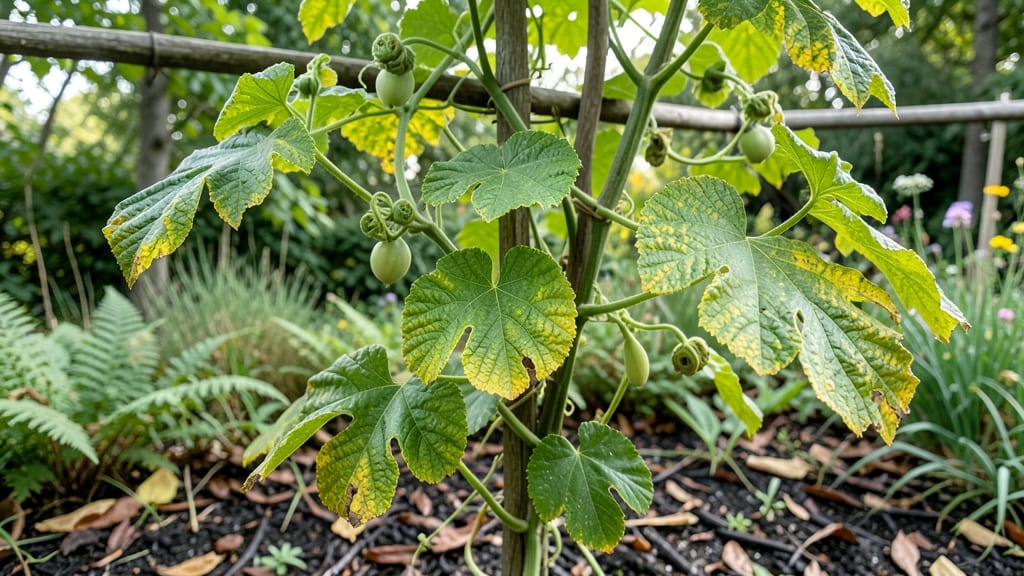
Your passionfruit vines are screaming for help when leaves curl like brittle paper. 🌿 Passionfruit leaf curl turns lush foliage into crispy messes, but neem oil can rescue them in days—if you act fast.
I’ve nursed back vines with this exact method after my last harvest nearly failed, and now I’m sharing the step-by-step that works.
The problem starts with viruses (like woodiness virus) or environmental stress—heat, poor drainage, or overwatering. You’ll spot it first in new growth: leaves pucker, yellow, then dry out like autumn leaves.
The worst part? It spreads through sap or contaminated tools. But here’s the good news: neem oil disrupts the virus’s lifecycle while protecting healthy leaves.
With just 3 sprays over 7 days, you’ll see leaves unfurling again. Mix 2 tablespoons of neem oil with a teaspoon of mild soap in a gallon of water, and spray undersides where pests hide.
Pair this with pruning infected growth immediately—don’t wait. Your vines won’t recover overnight, but they’ll bounce back stronger than before.
Prevention is easier: remove infected plants ASAP, sterilize pruners with rubbing alcohol, and choose disease-resistant varieties like ‘Panama Red.’ Keep soil moist but never soggy, and watch your passionfruit thrive all season. This method works for other tropical vines too—mangoes, citrus, you name it.
Root Causes of Leaf Distress
When your passionfruit vines start showing signs of leaf curl—thickened, puckered, or stunted leaves—it’s often a cry for help from the plant itself. Understanding the why behind this distress is the first step to restoring crisp, healthy foliage.
Below, we break down the most common culprits, backed by science, so you can take targeted action.
The most notorious cause of passionfruit leaf curl is the passionfruit woodiness virus (PWV) or passionfruit crinkle virus (PFCV), both spread by sap-sucking insects like aphids, whiteflies, and mealybugs.
These viruses hijack the plant’s cellular machinery, disrupting normal growth and causing leaves to thicken, curl, and develop a waxy texture.
- How it spreads: Infected plants exude viral particles in their sap, which insects pick up and transmit to healthy vines when feeding.
- Tell-tale signs: Look for stunted new growth, yellowing between veins, and leaves that feel leathery or "woody" to the touch.
- Actionable fix:
- 🔥 Remove infected vines immediately—burn or dispose of them far from your garden to prevent spread.
- 🌿 Quarantine new plants for 2–4 weeks and inspect for pests before introducing them to your orchard.
- 🛡️ Use reflective mulch (like aluminum foil) to deter whiteflies, which are major virus vectors.
Passionfruit vines thrive in warm climates, but intense heat (above 95°F/35°C) or direct, scorching sunlight can trigger leaf curl as a survival mechanism. When temperatures spike, the plant’s cells lose water rapidly, causing leaves to pucker and curl inward to reduce surface area and limit moisture loss.
- Key triggers:
- 🌞 Afternoon sun exposure without shade.
- 🌡️ Poor soil moisture retention in sandy or rocky soils.
- 💧 Inconsistent watering (drought stress followed by sudden hydration).
- How to relieve stress:
- 🌳 Provide afternoon shade with a 30–50% shade cloth if your region hits extreme heat.
- 💧 Water deeply at the base (1–2 inches per week) and mulch with organic matter to retain moisture.
- 🌿 Avoid overhead watering—wet leaves + sun = leaf burn.
While less common than viruses, fungal infections like Alternaria or Cercospora can cause leaf curl by clogging stomata (pores) and disrupting gas exchange. These fungi thrive in humid, poorly ventilated conditions, leading to thickened, distorted leaves and grayish-white powdery patches on the undersides.
| Fungal Type | Symptoms | Prevention/Treatment |
|---|---|---|
| Alternaria | Dark brown spots with yellow halos; leaves curl upward. | ✨ Apply copper fungicide (every 7–10 days) and prune for airflow. |
| Cercospora | Purple-brown spots; leaves thicken and curl downward. | 🌿 Remove infected leaves and water at soil level (avoid wetting foliage). |
Pro tip: 💡 Neem oil (1–2% solution) can prevent fungal spread—spray on both sides of leaves during early morning or evening to avoid sunburn.
Leaf curl can also signal a nutritional imbalance, particularly a lack of magnesium, nitrogen, or potassium. These micronutrients are critical for cell wall integrity and photosynthesis.
- Deficiency signs:
- 🟢 Magnesium deficiency: Yellowing between veins (interveinal chlorosis) + curling.
- 🟡 Nitrogen deficiency: Pale green or yellow leaves, stunted growth.
- 🔴 Potassium deficiency: Leaf edges curl downward and brown.
- Quick fixes:
- 🌱 Soil test first! Use a DIY kit or send a sample to a lab to identify specific deficiencies.
- 💪 Epsom salt (magnesium sulfate): Mix 1 tbsp per gallon of water and spray on leaves or work into soil.
- 🥬 Compost or aged manure: Top-dress around vines for a slow-release nitrogen boost.
Next up: How to diagnose which cause is affecting your passionfruit—and the neem oil rescue plan to revive those crisp leaves in days.
Quick Fixes for Wrinkled Passionfruit Leaves
Reviving your passionfruit plant from leaf curl doesn’t have to be a battle—with the right approach, you can restore crisp, healthy foliage in just days. Below, we’ve mapped out practical, step-by-step solutions tailored to the root causes of leaf curl, from viral infections to environmental stress.
Each fix is designed to be easy to implement and prevent future flare-ups—so you can enjoy lush, productive vines again.
---
If leaf curl is caused by a viral infection (like Passionfruit Woodiness Virus), there’s no cure, but you can slow its spread and boost plant resilience to minimize damage.
#### 🔥 Step 1: Remove Infected Plant Parts - 👨🍳 Snip off curled, distorted, or yellowing leaves immediately using sterilized pruning shears (wipe with rubbing alcohol between cuts). - 🗑️ Dispose of infected material in a sealed bag—do not compost—to prevent virus spread to other plants. - ✂️ Trim any vines showing symptoms back to healthy growth (at least 6 inches below the curl).
#### 🌡️ Step 2: Strengthen Plant Immunity - 💡 Boost nutrition with a balanced fertilizer (high in potassium and phosphorus) to help the plant fight stress. - 🥗 Apply neem oil (1% solution) as a protective spray every 7–10 days to deter secondary pests (like aphids) that may worsen symptoms. - 🌿 Mulch heavily with straw or wood chips to retain moisture and reduce stress.
#### 🚫 Prevention Tips: - 🛡️ Quarantine new plants for 2–4 weeks before introducing them to your garden. - 🐛 Monitor for aphids (they spread viruses)—spray with soapy water if detected. - 🌞 Avoid overcrowding—poor airflow fuels viral spread.
---
Leaf curl can also stem from sudden temperature swings, scorching winds, or inconsistent watering. Here’s how to restore balance:
#### 💧 Step 1: Adjust Watering Habits - 🌧️ Water deeply 2–3 times per week (depending on climate) to keep soil consistently moist but not soggy. - 🌊 Use drip irrigation or soaker hoses to deliver water directly to the roots (avoid wetting leaves, which can cause fungal issues). - 🚰 Check soil drainage—if water pools, amend with sand or perlite to improve airflow.
#### 🌞 Step 2: Shield from Harsh Conditions - 🏠 Provide shade cloth (30–50% coverage) if your plant is in full sun—passionfruit thrives in morning sun + afternoon shade. - 💨 Protect from wind by planting near a windbreak (like a fence or hedge) or staking vines to prevent flailing. - 🌡️ Avoid cold drafts—if temperatures drop below 50°F (10°C), cover plants with frost cloth at night.
#### 💡 Prevention Tips: - 📅 Mulch in spring to regulate soil temperature and retain moisture. - 🌱 Train vines along a trellis to improve airflow and reduce stress. - 🌿 Rotate crops if growing in containers—don’t replant passionfruit in the same soil without a 12-month break.
---
Pests weaken plants, making them susceptible to leaf curl. Act fast to reclaim your passionfruit’s health.
#### 🔪 Step 1: Manual Pest Removal - 👨🍳 Wipe leaves with a soapy water solution (1 tsp mild dish soap + 1 quart water) using a soft cloth or sponge. - 🕷️ For stubborn infestations, spray with neem oil (1 tbsp per quart of water + a drop of dish soap as an emulsifier). - 🕸️ Check undersides of leaves—this is where pests hide!
#### 🛡️ Step 2: Introduce Beneficial Insects - 🐞 Release ladybugs or lacewings (natural aphid predators) to control outbreaks organically. - 🌿 Plant companion crops like marigolds or basil to repel pests naturally.
#### 💡 Prevention Tips: - 🌿 Inspect new plants before bringing them home—quarantine for 1 week. - 🌱 Avoid over-fertilizing with nitrogen—it attracts soft-bodied pests. - 🌧️ Water in the morning so leaves dry quickly, discouraging fungal growth.
---
Leaf curl can signal poor soil health—especially low potassium or magnesium. Replenish nutrients to see a turnaround in 2–4 weeks.
#### 📊 Step 1: Test Your Soil - 🧪 Conduct a soil test (kits are cheap and available at garden centers) to check pH (ideal: 6.0–7.0) and nutrient levels. - 💡 If deficient, amend with: - 🥔 Potassium-rich fertilizer (like banana peel tea or greensand). - 🌿 Epsom salt (1 tbsp per gallon of water) for magnesium (spray on leaves).
#### 🌱 Step 2: Improve Soil Structure - 🍄 Add compost (2–3 inches) around the base of the plant to boost organic matter. - 🪴 If growing in pots, repot every 2 years with fresh, well-draining potting mix.
#### 💡 Prevention Tips: - 🌿 Rotate crops to prevent nutrient depletion. - 🍃 Use slow-release fertilizers (like worm castings) for steady nutrition. - 🌧️ Avoid heavy clay soil—amend with sand or coconut coir for better drainage.
--- - 🔄 Prune regularly to remove old, diseased growth and encourage new, healthy shoots. - 🌿 Monitor daily—catching issues early means faster recovery. - 🌱 Consider resistant varieties like ‘Panama Red’ or ‘Sweet granadilla’ if viral infections are recurrent.
With these targeted fixes, your passionfruit plant should bounce back in days—and you’ll be back to harvesting juicy, curl-free fruit in no time! 🍈✨
Frequently asked questions
Can neem oil really fix passionfruit leaf curl caused by viruses?
Neem oil won't cure viral infections like passionfruit woodiness virus, but it can slow the spread and strengthen plant defenses. Use it as a 1% solution every 7-10 days to deter pests that spread viruses, while removing infected leaves immediately. Pair it with proper pruning and sanitation for best results.
How do I tell if my passionfruit leaves are curling from heat or a virus?
Heat stress causes sudden curling with no yellowing, often on newer leaves, while viruses create thickened, leathery leaves with yellowing between veins. Check for other signs: viral curls happen gradually, while heat stress appears after sudden temperature spikes above 95°F (35°C).
What's the fastest way to stop leaf curl from spreading to other plants?
Remove infected vines immediately and sterilize tools with rubbing alcohol. Quarantine new plants for 2-4 weeks, use reflective mulch to deter whiteflies, and avoid overhead watering to prevent fungal spread. Isolate infected plants at least 10 feet from healthy vines.
Will pruning help if my passionfruit already has curled leaves?
Yes! Prune back to healthy green growth (at least 6 inches below curled areas) to remove virus sources. This stimulates new shoots and improves airflow. Never compost pruned material—seal it in a bag and dispose of it far from your garden to prevent reinfection.
Are there passionfruit varieties less prone to leaf curl?
Yes! 'Panama Red' and 'Sweet Granadilla' show better resistance. For existing plants, focus on proper care (balanced fertilization, good drainage) and neem oil sprays to reduce vulnerability. Resistant varieties won't guarantee immunity, but they handle stress better than common types.