
Pruning
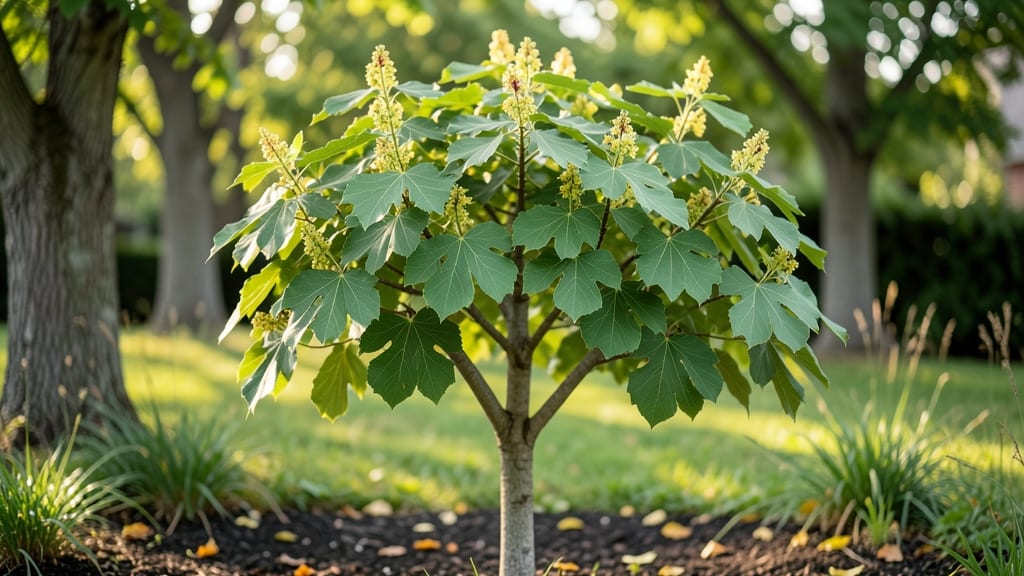
That hand-shaped Ohio buckeye tree leaf is what makes this tree so iconic—and pruning it right keeps it thriving year after year. 🌿 I've learned the hard way that cutting at the wrong time turns those glossy leaves into a sad, sparse mess, but the right approach turns your tree into a lush, shade-providing centerpiece.
The key is timing, technique, and knowing which branches to keep (or remove) for that classic buckeye silhouette.
Ohio buckeyes (Aesculus glabra) grow 10-30 feet tall with compound leaves that unfold in spring like delicate fans, turning golden in fall before dropping. They love full sun to partial shade and moist, well-drained soil—think riverbanks or rich woodland edges.
The real magic happens when you prune in late winter or early spring before new growth starts, when you can see the tree's natural shape without the distraction of leaves.
With proper pruning, you'll end up with a tree that stays healthy and productive for decades, its leaves rustling in every breeze. The branches will spread evenly, creating that perfect shade canopy while keeping the iconic hand-shaped foliage intact.
And the best part? You'll avoid the common mistake of over-pruning, which weakens the tree and leaves it vulnerable to pests.
Whether you're shaping a young sapling or rejuvenating a mature tree, this guide covers everything from tools to techniques. Ohio buckeyes are tough enough for home gardens but elegant enough for formal landscapes—once you master the pruning, you'll have a tree that's both functional and stunning.
📚 In This Guide
- What you need
- Instructions
- Tips and common mistakes
- Wrapping up and next steps
What you need
- ● Pruning shears: Bypass pruners (2-3 pairs, 6-8" blades) for clean cuts on small branches (1/4"–3/4" diameter). Warning: Avoid anvil pruners—they crush stems, which can harm the tree.
- ● Loppers: Bypass-style (1 pair, 18-24" handles) for branches 3/4"–2" in diameter. Look for ratcheting or bypass models for precision.
- ● Pruning saw: Curved-tooth or folding saw (1, 16-24" blade) for thick branches (2"+ diameter). Pro tip: 🔥 Use a sharp saw to avoid tearing bark.
- ● Gloves: Heavy-duty gardening gloves (1 pair) with cut-resistant palms to protect against thorns and rough bark.
- ● Disinfectant: 70% isopropyl alcohol or rubbing alcohol (1 small bottle) to sterilize tools between cuts and prevent disease spread.
- ○ Sealing wax: Pruning sealant (1 small jar) for large cuts (2"+) to protect against pests and rot. Optional: Tree paint for aesthetic touch-ups.
- ● Ladder: Sturdy aluminum or fiberglass extension ladder (1, 6-12' height, based on tree size). Safety first: Use a non-slip ladder and secure it on stable ground.
- ● Trash bags: Heavy-duty contractor bags (2-3, 30-gallon size) for collecting pruned branches and debris.
- ● Work clothes: Long sleeves, pants, and closed-toe shoes to protect against scratches and thorns.
- ● Handheld leaf blower: For quick cleanup of small debris from the ground.
- ● Pruning rope: Nylon or polyester rope (50-100') to lower heavy branches safely.
- ● Tree growth regulator: Hormonal rooting powder (e.g., Rootone) if you plan to propagate cuttings.
- ● Camera or phone: To document your pruning progress or take before/after photos!
- ● First-aid kit: Just in case of minor scratches or splinters.
Step-by-Step instructions for pruning an Ohio buckeye tree
Here's how to keep your Ohio buckeye thriving with strong, vibrant leaves year after year.
✂️ Step 1: Time Your Pruning for Maximum Growth
Prune your Ohio buckeye in late winter or early spring, just before new growth begins. This timing ensures you remove dead wood while allowing the tree to focus energy on fresh foliage. Avoid pruning in fall—wounds won’t heal properly before winter, inviting disease.
Look for dormant branches (no leaves, brown or brittle) and crossing branches (rubbing against each other). These are your first targets. Use sharp pruning shears to make clean cuts at a 45-degree angle, about ¼ inch above a bud or lateral branch. This prevents water from pooling and rotting the wound.
✂️ Step 2: Remove Dead, Diseased, or Crowded Branches
Start by eliminating dead or diseased branches—they drain nutrients and can spread problems. Snip them back to the trunk or a healthy lateral branch. Next, thin out the canopy by removing overlapping or crowded branches. Aim for an open center that allows sunlight to reach the inner leaves.
For larger branches thicker than ½ inch, use a pruning saw. Make your first cut 2-3 feet out from the branch collar (the swollen area where the branch meets the trunk). Then, cut downward from above to avoid tearing the bark. This method keeps the tree stable while you work.
✂️ Step 3: Shape for Airflow and Light Penetration
Step back and assess the tree’s shape. Ohio buckeyes benefit from an open, vase-like structure—this prevents dense shading and encourages strong leaf growth. Remove any branches growing inward or downward, as they block sunlight and trap moisture, leading to fungal issues.
Focus on sculpting the outer silhouette first. Trim back any branches that grow too close to the ground or rub against structures. Leave strong, outward-facing branches to maintain the tree’s natural form while improving airflow. You’ll notice healthier foliage within a season as light reaches all leaves.
🌿 Step 4: Clean Up and Monitor for Recovery
After pruning, sterilize your tools with rubbing alcohol to prevent spreading disease. Collect and dispose of all clippings—don’t leave them under the tree, as they can harbor pests or fungi. Water the base of the tree deeply to help it recover from the stress of pruning.
Watch for new growth in spring—this is your sign the tree is healing. If you see yellowing leaves or oozing sap at pruning cuts, the wounds may be too large. In that case, apply pruning sealant (optional) to protect the tree until it calluses over. With proper care, your Ohio buckeye will reward you with lush, vibrant leaves for years.
Tips & tricks for pruning an Ohio buckeye tree
Here's what I've learned after years of helping Ohio buckeyes thrive—these little details make all the difference for vibrant leaves.
Timing is Everything: Late winter or early spring is non-negotiable for Ohio buckeyes. I once pruned in fall and ended up with sap oozing from cuts all winter—don't make my mistake! The tree's energy should focus on new growth, not healing wounds. If you missed the window, wait until late winter when buds start swelling but before leaves appear.
Branch Selection Secrets: When identifying dormant branches in Step 1, look for the "thump test"—tap them with your gloved hand. Dead branches make a hollow sound, while live ones sound solid. For crossing branches, remember the "one out, one in" rule: remove the branch that's growing inward to create that open vase shape we want for airflow.
Cutting Technique Matters: That 45-degree angle in Step 1 isn't just for looks—it's about water runoff. Make your cut just above a bud or lateral branch to encourage new growth from the right spot. For larger branches, the two-cut method in Step 2 prevents bark tearing. I've seen too many trees with jagged wounds that never heal properly—take your time with this step.
Post-Pruning Care: After cleaning up in Step 4, don't just walk away! Water deeply right after pruning to help the tree recover. I've noticed trees pruned without this extra water often show slower spring growth. And if you see oozing sap, that's your tree's way of saying "help me!"—a little pruning sealant goes a long way for large wounds.
Pro Tips for Ohio Buckeye Tree Leaf
- Here's what I've learned after years of helping Ohio buckeyes thrive—these little details make all the difference for vibrant leaves.
- Timing is Everything: Late winter or early spring is non-negotiable for Ohio buckeyes.
- Branch Selection Secrets: When identifying dormant branches in Step 1, look for the "thump test"—tap them with your gloved hand.
Frequently asked questions
Got questions about growing and caring for Ohio Buckeye tree leaves?
You’re not alone! Here are some of the most common queries—plus quick, actionable answers to keep your tree thriving.
When is the best time to prune Ohio Buckeye trees for healthy leaves?
The ideal time to prune is late winter or early spring, before new growth begins (typically February–March in Ohio). This minimizes stress on the tree and encourages vibrant foliage. Avoid pruning in fall or winter, as it can leave wounds vulnerable to disease. Pro tip: Remove any dead or diseased branches year-round to prevent issues.
Why are my Ohio Buckeye leaves turning yellow or brown?
Yellowing or browning leaves often signal overwatering, underwatering, or nutrient deficiencies. Check the soil moisture—it should be damp but not soggy. Yellow edges may indicate low potassium or magnesium, while crispy leaves suggest drought stress. Adjust your watering routine and consider a balanced fertilizer in early spring.
Can I propagate Ohio Buckeye trees from cuttings or seeds?
Ohio Buckeye trees are difficult to propagate from cuttings—they root poorly. However, you can grow them from seeds! Collect seeds from mature buckeyes (the iconic nuts), scarify the hard shell, and plant them in well-draining soil. Germination can take months, so patience is key. For faster results, consider grafting or purchasing a young tree from a nursery.
How do I protect Ohio Buckeye leaves from winter damage?
Ohio Buckeyes are hardy to USDA Zone 4, but young trees or harsh winters may cause leaf scorch. Mulch the base with 2–3 inches of organic mulch (like wood chips) to insulate roots. Avoid heavy snow buildup on branches—gently shake it off if needed. Prune damaged branches in early spring to encourage new growth.
Are Ohio Buckeye leaves toxic to pets or humans?
Yes! All parts of the Ohio Buckeye tree—leaves, nuts, and bark—contain toxic compounds that can cause nausea, vomiting, or even neurological issues if ingested. Keep pets and children away from fallen leaves or nuts. If exposure occurs, contact a vet or poison control immediately. Safety first!
Wrapping up and next steps
The Ohio Buckeye tree’s vibrant leaf is a symbol of resilience and beauty—with the right pruning, you can keep it thriving year-round! 🌿 By following these steps, you’ll ensure strong growth, better air circulation, and stunning foliage that turns heads.
Whether you’re a seasoned gardener or just starting, your efforts will pay off in lush, healthy leaves that bring joy to your landscape.
Ready to take the next step? Mark your calendar for your next pruning session—spring or late winter are ideal! Grab your tools, put on your gloves, and give your Buckeye tree the care it deserves. Your green thumb is about to shine! 🌱