
Aphids
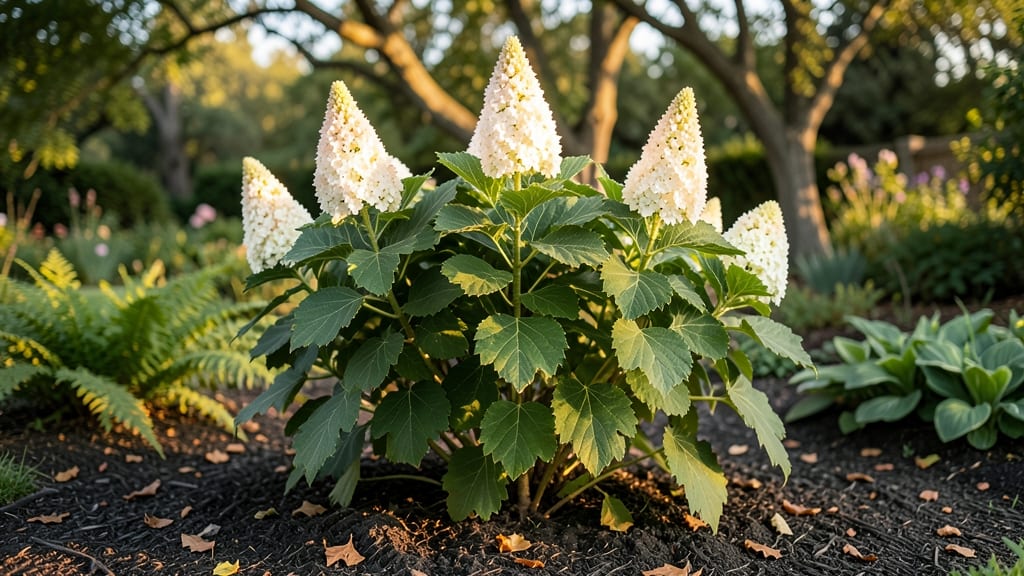
Planting a large oakleaf hydrangea means adding a year-round showstopper to your garden—its oak-shaped leaves turn fiery red in fall, and even the winter stems hold their own. ✨ I’ve grown these for years, and they’ve become the backbone of my shade garden, offering four seasons of interest with almost no fuss.
These hydrangeas thrive in partial shade, where their vibrant foliage shines brightest, and they’re surprisingly low-maintenance once established. The key is rich, moist soil and a spot where they can spread their dramatic branches—think 6-10 feet wide at maturity.
They’re also drought-tolerant once rooted, making them a great choice for gardeners who want beauty without constant care. You’ll love how the blooms appear in late spring, followed by exfoliating bark in winter that adds texture.
Prune lightly in late winter to encourage bushier growth, and watch as the leaves transform from deep green to burning orange by autumn. The best part? They handle humidity and heat better than many hydrangeas. Perfect for borders, woodland gardens, or as a focal point near patios.
Here’s how to get yours thriving from day one—no green thumb required!
📚 In This Guide
- What you need
- Instructions
- Tips and common mistakes
- Wrapping up and next steps
What you need
- ● Large oakleaf hydrangea plant: Choose a healthy 1- to 2-gallon container-grown specimen (or bare-root if planting in early spring).
- ● Well-draining soil: A mix of 50% native soil, 30% compost, and 20% perlite or coarse sand (for optimal aeration).
- ● Organic mulch: 2–3 inches of pine bark, wood chips, or shredded leaves (to retain moisture and regulate soil temp).
- ● Slow-release fertilizer: A balanced 10-10-10 or acid-loving plant fertilizer (apply in early spring).
- ● Watering can or hose with a gentle spray nozzle: For deep, consistent hydration (avoid overhead watering to prevent fungal issues).
- ● Garden trowel or spade: For digging holes (1.5x wider than the root ball).
- ● Pruning shears: Sterilized, sharp shears (for shaping in late winter/early spring).
- ● Gloves: Heavy-duty gardening gloves (to protect against thorns and rough foliage).
- ○ pH testing kit (optional): To ensure soil pH stays between 5.0–6.0 (hydrangeas love slightly acidic soil!).
- ○ Stakes & twine (optional): For young plants in windy areas (use 3–4 stakes, 6+ inches tall).
- ● A sunny to partially shaded spot (6+ hours of light for best blooms, but tolerates dappled shade).
- ● Protection from strong afternoon sun in hot climates (can scorch leaves).
- ● Access to water (hydrangeas need 1–1.5 inches weekly, more in drought).
How to plant and care for a large oakleaf hydrangea
This beauty thrives with the right placement and seasonal attention—here's how to set it up for years of stunning color.
🌱 Step 1: Choose the Perfect Planting Spot
Oakleaf hydrangeas love partial shade to full sun, but protect them from harsh afternoon rays in hot climates. I always look for a spot with morning sun and afternoon shade—this prevents leaf scorch while keeping the foliage vibrant. The plant needs at least 5 feet of space in all directions since mature specimens can reach 8-12 feet tall and wide.
Check the soil pH with a simple test kit—oakleaf hydrangeas prefer slightly acidic to neutral soil (pH 5.5-7.0). If your soil is too alkaline, the leaves will turn dull green instead of their signature rich colors. Amend clay soil with compost or peat moss to improve drainage while retaining moisture.
🪴 Step 2: Dig and Plant at the Right Depth
Dig a hole twice as wide as the root ball but only as deep as the container. Oakleaf hydrangeas hate being buried too deep, which can suffocate the roots. Gently remove the plant from its container and loosen any circling roots with your fingers—this encourages outward growth instead of a tangled mess.
Place the plant in the hole so the top of the root ball sits 1 inch above ground level. This prevents water from pooling around the stem and causing rot. Backfill with native soil mixed with compost, tamping lightly as you go to remove air pockets. Water deeply right after planting to settle the soil and eliminate gaps.
☀️ Step 3: Water and Mulch for Year-Round Health
Keep the soil evenly moist but not soggy for the first 2-3 weeks after planting. You'll know it's right when the top 2 inches of soil feel damp to touch. Overwatering is the fastest way to kill these beauties—yellowing leaves or wilting are your first warning signs.
Spread 3 inches of mulch around the base, keeping it 6 inches away from the stem to prevent rot. I use shredded bark or pine straw because they break down slowly and improve soil structure over time. Replenish mulch annually in early spring to protect roots from temperature swings.
✂️ Step 4: Prune for Shape and Seasonal Interest
Prune in late winter or early spring before new growth appears. Remove dead, damaged, or crossing branches first, then shape the plant by cutting back 1/3 of the previous year's growth. Oakleaf hydrangeas bloom on old and new wood, so avoid heavy pruning in fall—you'll sacrifice next year's flowers.
Watch for leaf spots or powdery mildew, common in humid climates. Prune out infected leaves immediately and apply a copper fungicide if needed. The goal is to keep the plant open enough for airflow while maintaining its natural, graceful shape.
🌿 Step 5: Feed and Prepare for Winter
Apply a balanced, slow-release fertilizer in early spring and again in midsummer. I use a 10-10-10 formula at half strength to avoid burning the roots. Stop fertilizing by mid-August to let the plant harden off for winter—new growth won't have time to mature before cold weather.
In fall, add an extra 2 inches of mulch around the base to insulate roots. Oakleaf hydrangeas are cold-hardy in USDA zones 5-9, but young plants may need winter protection. Wrap the base with burlap or frost cloth if temperatures dip below 10°F for extended periods.
Tips & tricks for perfect oakleaf hydrangea planting
These simple tricks will help you avoid common mistakes and keep your oakleaf hydrangea thriving for years.
Location is Everything: In Step 1, when choosing your planting spot, pay extra attention to the microclimate. Oakleaf hydrangeas can handle morning sun but need afternoon shade in hot climates. If you notice leaves curling or turning brown in summer, that's your sign to move it to a shadier location. I've seen dramatic improvements in leaf color just by relocating plants to better light conditions.
Root Care Matters: During Step 2, when planting, don't be tempted to bury the root ball too deeply. The top should always sit 1 inch above ground level. I learned this the hard way—once buried too deep, my hydrangea struggled for years with poor drainage. Also, take time to gently separate any circling roots with your fingers rather than cutting them. This encourages outward growth that supports the plant's size.
Watering Wisdom: Step 3's watering instructions are critical, especially during those first 2-3 weeks. I recommend using a moisture meter to check soil dampness at the 2-inch level rather than guessing. Overwatering causes more problems than underwatering—yellowing leaves are often a sign of too much water rather than too little. Mulch helps retain moisture while preventing soil compaction.
Pruning Precision: When pruning in Step 4, focus on removing only dead, damaged, or crossing branches first. Oakleaf hydrangeas bloom on both old and new wood, so avoid heavy pruning in fall. I like to prune in early spring when new growth is just starting—this gives you a clear view of what needs removal while preserving next year's flowers. Use sharp pruners to make clean cuts just above a leaf node.
Pro Tips for Large Oakleaf Hydrangea
- These simple tricks will help you avoid common mistakes and keep your oakleaf hydrangea thriving for years.
- Location is Everything: In Step 1, when choosing your planting spot, pay extra attention to the microclimate.
- Root Care Matters: During Step 2, when planting, don't be tempted to bury the root ball too deeply.
Frequently asked questions
Got questions about your large oakleaf hydrangea? You’re not alone!
Here are answers to the most common concerns—from planting to pests—so you can keep your plant thriving year-round.
When is the best time to plant a large oakleaf hydrangea?
Plant your hydrangea in early spring or fall when temperatures are mild (50–70°F). Avoid extreme heat or frost, which can stress the roots. Choose a spot with morning sun and afternoon shade—they love dappled light! If planting in summer, water deeply 2–3 times a week to help it establish.
Why are the leaves on my oakleaf hydrangea turning brown or yellow?
Brown or yellow leaves often signal stress. Check these fixes:
- Watering issues: Too much (root rot) or too little (drought stress). Aim for 1–1.5 inches of water weekly.
- Sunburn: If leaves scorch in hot afternoon sun, move it to partial shade.
- Nutrient deficiency: Feed with acidic fertilizer (like for azaleas) in spring.
- Pests/disease: Inspect for aphids, powdery mildew, or fungal spots. Prune affected areas and treat with neem oil if needed.
Do large oakleaf hydrangeas survive winter, and how do I protect them?
Yes! These hydrangeas are hardy to USDA Zones 5–9 and handle winter well, but young plants or harsh climates need help. Mulch heavily (3–4 inches) around the base in late fall, and wrap the crown in burlap or frost cloth if temps dip below 10°F. Prune dead blooms in late winter (not fall) to avoid shocking the plant.
Can I prune my oakleaf hydrangea in summer, and how?
Prune after flowering (late summer/early fall) to shape the plant or remove dead wood. Avoid heavy pruning in summer—it can stunt new blooms. For rejuvenation, trim back 1/3 of the oldest stems in late winter. Use sterilized shears to prevent disease, and never prune into old wood (look for brown centers).
How do I get rid of aphids on my large oakleaf hydrangea?
Aphids love hydrangeas! Blast them off with a strong spray of water first, then treat with:
- Insecticidal soap or neem oil (spray early morning/evening to avoid harming bees).
- Ladybugs or lacewings (natural predators—release them near the plant).
- Horticultural oil for severe infestations (follow label instructions).
Check undersides of leaves and new growth weekly, especially after rain.
What’s a good alternative if I can’t grow a large oakleaf hydrangea?
If your climate or space is tricky, try these low-maintenance, foliage-rich alternatives:
- Oakleaf maple (Acer rubrum): Stunning fall color, similar leaf shape, and drought-tolerant.
- Smokebush (Cotinus coggygria): Purple foliage, heat-resistant, and thrives in poor soil.
- Dwarf fountain grass (Pennisetum ‘Little Bunny’): Adds texture and movement with minimal care.
- Japanese pieris (Pieris japonica): Evergreen with white spring blooms and glossy leaves.
All offer year-round interest like your hydrangea!
Wrapping up and next steps
The large oakleaf hydrangea is a gardener’s dream—offering year-round beauty with its vibrant foliage, stunning blooms, and effortless charm. Whether you're a seasoned plant parent or just starting, this versatile shrub brings color and texture to any landscape, proving that nature’s best designs don’t need much fuss. 🌿
Ready to transform your garden? Start by selecting the perfect spot, gathering your tools, and diving in—your future showstopping hydrangea is just a few steps away! Grab your gloves and get growing!