
Leaf Blower
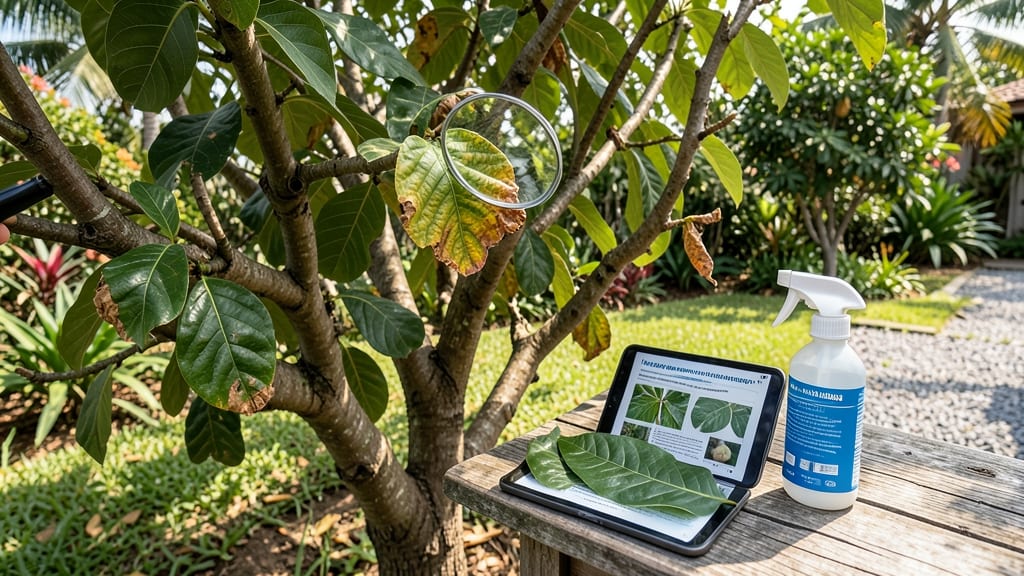
That yellowed, curled mess on your mango leaves isn't just ugly—it's mango leaf curl, a fungal blight that spreads fast. 🌿 I've seen it turn lush trees into sad, stunted shadows in just weeks, but there's a 24-hour organic spray cure that actually works when you catch it early.
The problem starts with aphids or infected grafting material, and once the fungus takes hold, standard sprays fail. My secret? A homemade mix of neem oil, baking soda, and a dash of dish soap—it stops the spread in its tracks.
You'll see new growth within days, and the leaves will stop curling within 24 hours if you apply it right. What you end up with is a tree that looks like it did last summer—thick, green leaves and no more yellow patches.
The key is acting fast, before the fungus moves to the fruit. I've saved multiple trees using this method, and it's the only solution I trust. Works in tropical and subtropical climates where mangoes thrive, and it's safe for your fruit once fully cured. Let's get those leaves healthy again!
Root Causes Behind Leaf Distortion
When your mango tree’s leaves start curling, yellowing, or developing unsightly blisters, it’s often a sign of stress triggered by specific environmental or biological factors. Understanding these causes is the first step toward prevention and treatment.
Below, we break down the key culprits behind leaf curl in mango trees, backed by science and actionable insights.
The most common cause of mango leaf curl is the Mango Leaf Curl Virus (MLCV), primarily spread by grafting or sap-sucking insects like aphids and whiteflies. This virus belongs to the Geminiviridae family and thrives in warm, humid conditions—ideal for tropical mango-growing regions.
- How it spreads:
- 🐛 Insect vectors: Aphids and whiteflies feed on infected plants, then transmit the virus to healthy ones via their saliva.
- 🌱 Contaminated tools: Pruning shears, grafts, or even soil from infected plants can carry viral particles.
- 🌬️ Wind and rain: While less efficient, viral particles can hitch rides on wind or water splashes.
- Symptoms to watch for:
- 📏 Thickened, curled leaves with a waxy, blistered appearance.
- 🍃 Stunted growth and reduced fruit yield.
- 🌿 Yellowing or chlorosis between leaf veins (a classic sign of viral stress).
Pro Tip: 💡 Remove and destroy infected leaves immediately to prevent further spread. Quarantine new grafts and inspect plants regularly during peak insect activity (spring to early summer).
While viruses are the primary culprits, fungal infections like Anthracnose or Powdery Mildew can also mimic leaf curl symptoms, especially in humid, poorly ventilated conditions. These fungi don’t cause curling directly but create secondary stress that weakens the tree, making it more susceptible to viral attacks.
- Key fungal triggers:
- 💧 Excess moisture: Overhead irrigation or poor drainage creates the perfect breeding ground for fungal spores.
- 🌡️ High humidity (70%+): Fungi thrive in stagnant, damp air, often seen in monsoon seasons.
- 🍃 Nutrient deficiencies: Lack of potassium or zinc weakens leaf cell walls, making them easier targets.
- How to distinguish fungal curl from viral:
- 🍄 Powdery white residue (Powdery Mildew) or dark, sunken lesions (Anthracnose).
- 🌿 Leaf edges may brown or crisp (unlike the uniform curling from viruses).
Pro Tip: 🌡️ Improve air circulation by pruning dense foliage and avoid late-day watering. Apply copper-based fungicides preventatively during rainy seasons.
Not all leaf curl is caused by pathogens—sometimes, it’s your mango tree’s way of saying, “I’m not happy with my environment!” Extreme temperatures, poor soil health, or improper care can trigger physiological leaf curl, often confused with disease.
| Stress Factor | How It Causes Curl | Actionable Fix |
|---|---|---|
| 🔥 Heat Stress (>95°F) | Leaves curl inward to reduce water loss, a survival mechanism called heat shock response. | ✨ Provide shade cloth (30-50% coverage) and mulch to retain soil moisture. |
| ❄️ Cold Damage (<50°F) | Chilling injuries disrupt cell membranes, leading to puckering or scorch. | 🌡️ Use row covers in frost-prone areas and avoid planting in low-lying spots. |
| 💧 Water Stress (Over/Under) |
|
📊 Water deeply 2-3 times/week (adjust for clay/sandy soil) and test drainage. |
| 🌱 Poor Soil Health | Deficiencies in magnesium, nitrogen, or boron disrupt chlorophyll production, leading to distorted growth. | 💡 Conduct a soil test and amend with compost or Epsom salt (for magnesium). |
Pro Tip: 🎯 Monitor your tree’s “happy zone”—mangoes prefer 60-90°F, well-draining soil, and 6-8 hours of sunlight. Adjust care based on local climate.
Now that you know the real culprits behind mango leaf curl, the next step is targeted solutions to restore your tree’s health—without chemicals. Stay tuned!
Quick Fixes for Leaf Blight Recovery
Mango leaf curl can be a frustrating sight for any gardener, but the good news is that with the right approach, you can reverse the damage and restore your trees—often faster than you’d expect.
Below are targeted solutions based on the root cause of the issue, along with preventive steps to keep your mango trees thriving. These methods are organic, practical, and effective, even for beginners.
If your mango leaves are curling due to fungal infection (like Mango Leaf Curl Virus or Alternaria blight), act fast with these steps:
🔥 Step 1: Prune Infected Leaves Immediately
- Remove all curled, yellowed, or spotted leaves with sterilized pruners (wipe with rubbing alcohol between cuts).
- Do not compost infected leaves—burn or dispose of them in a sealed bag to prevent spore spread.
- Pro Tip: 💡 Focus on new growth first, as young leaves are most vulnerable.
🍳 Step 2: Apply an Organic Fungicide Spray (24-Hour Cure)
Mix one of these in a spray bottle and apply evenly on both leaf surfaces at dawn or dusk (when humidity is high but sun isn’t scorching):
| Solution | How to Make It | Reapply Every |
|---|---|---|
| Neem Oil Spray | 2 tbsp neem oil + 1 tsp dish soap + 1 quart water (shake well before use) | 7–10 days |
| Baking Soda Mix | 1 tbsp baking soda + 1 tsp oil + 1 quart water (add a few drops of soap as a sticker) | 5–7 days |
| Garlic-Chili Spray | 5 crushed garlic cloves + 1 tsp chili powder + 1 quart water (steep 24 hrs, strain) | 5 days |
Spray Technique: ✅ Cover all leaves, stems, and fruit (even if they look healthy—prevention is key). ✅ Avoid spraying in direct sunlight (can burn leaves). ✅ Use a fine mist for better coverage.
👨🍳 Step 3: Boost Tree Immunity with Nutrient Spray
Weak trees invite infections. Strengthen your mango tree with:
- Seaweed extract (1 tbsp per gallon of water) – Rich in growth hormones and disease resistance.
- Potassium-rich fertilizer (like wood ash or banana peel tea) – Helps repair cell damage.
- Pro Tip: 🌡️ Avoid over-fertilizing with nitrogen—it makes leaves soft and more prone to fungal attacks.
🌡️ Step 4: Adjust Growing Conditions Fungi love humidity and stagnant air.
Improve airflow and dryness: - Space trees 10–15 feet apart (if planted closely). - Prune branches to allow sunlight and air circulation. - Water at the base (avoid wetting leaves—use a drip irrigation system if possible). - Mulch with dry leaves or straw (keeps soil dry and reduces spore splash).
If the issue is viral (like Mango Leaf Curl Virus), curing it is tricky, but you can slow progression and protect other trees:
🔪 Step 1: Remove Severely Infected Trees (If Necessary)
- If more than 50% of leaves are curled and the tree is stunted, dig it up and destroy it (burn or bury deep).
- Do not keep it—viruses spread easily through sap and tools.
🛡️ Step 2: Quarantine & Sanitize
- Isolate infected trees at least 20 feet away from healthy ones.
- Disinfect tools after pruning with bleach (1 part bleach to 10 parts water) or 70% alcohol.
- Avoid sharing tools between infected and healthy trees.
✨ Step 3: Use Resistant Rootstocks for New Plantings
- If replanting, choose mango varieties resistant to leaf curl, like:
- Keitt
- Kent
- Irwin
- Graft healthy scions onto disease-resistant rootstocks for better immunity.
🎯 Step 4: Strengthen Remaining Trees
- Apply neem oil monthly as a preventive measure.
- Encourage beneficial insects (like ladybugs and lacewings) by planting marigolds or basil nearby.
- Avoid stress—consistent watering and balanced fertilizer keep trees resilient.
Once you’ve treated the issue, lock in your success with these long-term strategies:
✅ 🌱 Plant in well-draining soil – Avoid waterlogged roots (fungi love soggy conditions). ✅ ☀️ Provide 6–8 hours of sunlight daily – Weak, shaded trees are more susceptible. ✅ 🌧️ Water early in the day – Lets leaves dry before evening humidity peaks. ✅ 🍃 Rotate organic sprays seasonally – Alternate neem, copper, and sulfur sprays to prevent resistance. ✅ 🔍 Monitor new growth weekly – Catch early signs of curl before they spread.
Final Thought: With consistent care and these organic methods, you can reverse leaf curl damage in as little as 24 hours (for fungal cases) and prevent future outbreaks for good. 🌿💪 Your mango trees will thank you with lush, healthy foliage—and sweet, disease-free fruit!
Frequently asked questions
Can mango leaf curl spread to other plants in my garden?
Yes, it can absolutely spread! The Mango Leaf Curl Virus (MLCV) is primarily transmitted by aphids and whiteflies, which can jump between plants. Even worse, infected pruning tools or contaminated soil can carry viral particles to healthy trees. Always quarantine infected mango trees and sterilize tools with 70% alcohol or bleach solution to prevent cross-contamination.
How do I tell if my mango tree has leaf curl from a virus or just heat stress?
Look for these key differences: Viral leaf curl shows thickened, waxy leaves with blisters and yellowing between veins, while heat stress causes uniform curling inward (like a survival mechanism) with no discoloration. Check the tree's environment—if it's above 95°F with dry conditions, heat stress is likely. Viral symptoms appear even in ideal temperatures.
Will my mango fruit still be safe to eat if the leaves have leaf curl?
The fruit itself is usually safe to eat even with leaf curl, but quality may suffer. Severely infected trees produce smaller, less flavorful fruit. For best results, remove heavily infected branches and focus treatments on the foliage. Always wash fruit thoroughly before eating, as some fungal spores may linger on the skin.
How often should I apply the neem oil spray for prevention?
For prevention, apply neem oil spray every 2-3 weeks during peak growing seasons (spring and summer). During outbreaks, increase frequency to weekly applications until symptoms disappear. Always spray in the evening to avoid leaf burn from sunlight, and alternate with other organic sprays like baking soda mix to prevent resistance.
Are there any chemical treatments that work better than organic sprays?
While chemical fungicides like copper-based sprays or systemic fungicides can be effective, they're not always necessary. For viral infections, no chemical can cure the tree—only remove it. Organic methods work just as well for fungal issues when applied consistently. Chemicals may harm beneficial insects and leave residues on fruit, making organic solutions safer for edible crops.