
Pruning
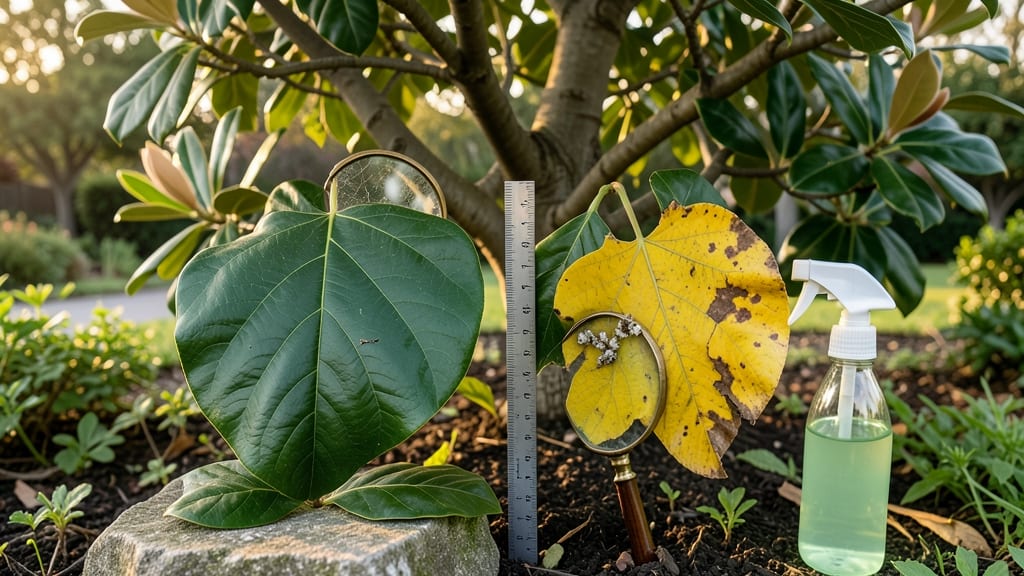
Your magnolia tree’s leaf problems are trying to tell you something—don’t ignore the signs. 🌿 Yellowing, curling, or spotted foliage can mean fungal diseases, pest attacks, or simple care mistakes, but every problem has a fix.
I’ve seen magnolias go from struggling to thriving in just a few targeted treatments, and I’ll show you exactly how.
The most common culprits are powdery mildew (white fuzzy spots), scale insects (sticky residue), or iron deficiency (yellow between veins). These issues often start small but worsen if ignored—think of it like a garden whisper turning into a shout.
The good news? Most fixes are simple: prune affected branches, adjust watering, or apply a targeted spray.
By the end, you’ll spot problems early and stop them before they spread. Healthy magnolia leaves stay glossy, deep green, and free of blemishes—proof your tree is happy. The key is acting fast when you see the first signs, so let’s get your magnolia back to its best.
Whether it’s a fungal infection or a pest invasion, we’ll tackle it step by step—no guesswork, just proven solutions. Your magnolia’s future starts with understanding what those leaves are really saying.
Root Causes Behind Leaf Troubles
Understanding why your magnolia tree’s leaves are misbehaving starts with peeling back the layers of its environment and biology. These evergreen (or semi-evergreen) beauties are resilient, but they’re not immune to stress—whether from unseen pests, shifting soil chemistry, or seasonal shifts.
Below, we break down the key triggers behind leaf problems, so you can spot the red flags early and act before the damage spreads.
Magnolias thrive in USDA Zones 4–9, but extreme conditions—especially outside their ideal range—can turn their leaves into a stress signal board.
- Heat and Drought Stress 🌞 When temperatures soar or rainfall dwindles, magnolias react with brown, crispy leaf edges or premature leaf drop.
Their thick, glossy leaves are adapted to humidity, so dry air forces them to conserve moisture by shedding foliage. Actionable clue: Check the soil—if the top 2–3 inches are bone-dry, it’s time to water deeply (but not soggy).
- Cold Damage and Frost 🥶 Young magnolia leaves are especially vulnerable to late spring frosts (below 28°F). Frostbite causes blackened, mushy leaves or silver-gray patches (a sign of cell death).
Evergreen varieties may also suffer needle-like browning if winter winds dehydrate them. Pro tip: Mulch heavily in fall (3–4 inches of organic mulch) to insulate roots, and avoid planting in low-lying areas where cold air pools.
- Wind Burn and Physical Trauma 💨 Magnolias with large, delicate leaves (like Magnolia grandiflora) can suffer tattered edges or scorched spots from relentless wind.
Coastal areas exacerbate this due to salt spray. Fix it: Prune to improve airflow, or install a windbreak (like a lattice fence) if your tree is exposed.
Magnolias are a buffet for insects, and their leaves often bear the battle scars. Here’s who’s picking at them—and how they strike:
| Pest | Leaf Symptoms | Why It Happens |
|---|---|---|
| Magnolia Scale 🐛 | Sticky honeydew, black sooty mold, yellowing | These sap-sucking insects cluster on stems/leaves, draining nutrients and excreting honeydew (a mold magnet). |
| Webworms 🕷️ | Silk webbing, skeletonized leaves | Caterpillars chew leaves from within, leaving a lacy pattern. Outbreaks peak in summer. |
| Japanese Beetles 🐞 | Irregular holes, skeletonized foliage | Adults devour leaves in late June–August, preferring healthy, stress-free trees. |
| Spider Mites 🕷️ | Tiny yellow stipples, webbing on undersides | These microscopic pests thrive in dry, hot conditions, piercing cells to suck juices. |
💡 Quick ID: Use a hand lens to inspect leaf undersides for eggs, webbing, or tiny moving dots (mites). Early intervention (neem oil, insecticidal soap) prevents full-blown infestations.
Magnolias are acid-loving (pH 5.0–6.0) and hate soggy feet, yet poor soil can trigger leaf problems faster than you’d think.
- Iron Chlorosis 🍃 (Yellow Leaves with Green Veins) Cause: High soil pH (alkaline) locks out iron, even if it’s present. Common in calcareous soils (e.g., limestone-rich areas). Fix: Apply chelated iron supplements (like Ironite) in early spring, or amend soil with sulfur to lower pH gradually.
- Over/Under-Fertilization 🌱
- Too much nitrogen = dark green, leathery leaves that grow too fast (prone to pests).
- Too little phosphorus/potassium = purple stems, weak new growth, or leaf drop. Solution: Test soil annually and fertilize with a balanced, slow-release formula (e.g., 10-10-10) in early spring.
- Compacted or Waterlogged Soil 💦 Poor drainage strangles roots, leading to yellowing leaves (chlorosis) or premature leaf fall. Magnolias hate “wet feet” but also suffocate in clay. Action: Improve drainage with organic matter (compost, pine bark) or install a French drain if water pools near the base.
Fungi and bacteria love warm, humid conditions—and magnolias provide the perfect canvas.
- Powdery Mildew 🍄 (White, Fluffy Coating) Cause: High humidity + poor airflow. Thrives in shady, dense plantings. Fix: Space trees for airflow, and spray with baking soda solution (1 tbsp baking soda + 1 gallon water + a drop of dish soap) every 7–10 days.
- Leaf Spot Diseases 🍂 (Brown/Black Spots with Yellow Halos) Culprits: Alternaria or Cercospora fungi. Spread by splashing rain or contaminated pruners. Prevention: Remove infected leaves promptly, water at soil level (not overhead), and apply copper fungicide at first sign.
- Bacterial Leaf Spot 🦠 (Wet, Greasy Spots) Cause: Xanthomonas bacteria enter through wounds (e.g., pruning cuts). Leaves develop water-soaked lesions that ooze. Control: Sterilize pruners with rubbing alcohol, avoid overhead watering, and prune for airflow.
Even well-meaning pruning can backfire if done at the wrong time or too aggressively.
- Timing Errors ⏰ Pruning after bud break (late spring) removes next year’s flowers and stresses the tree. Evergreen magnolias should never be pruned in late summer/fall (they won’t heal before winter). Rule of thumb: Prune dormant season (late winter) or right after flowering (for deciduous types).
- Over-Pruning ✂️ Cutting back more than 25% of foliage in one go weakens the tree, inviting pests and disease. Evergreens (like Magnolia grandiflora) are especially sensitive—remove only dead or crossing branches.
- Trauma from Tools 🔪 Ragged cuts or nicked bark create entry points for pathogens. Always use sharp, clean pruners and make cuts at a 45° angle just outside the branch collar.
Quick Fixes for Magnolia Leaf Woes
Magnolia trees are stunning, but when their leaves start looking less than perfect, it’s time to roll up your sleeves and get to work! 🌿💚 The good news? Most leaf problems have simple, effective solutions—whether it’s a fungal infection, pest invasion, or environmental stress.
Below, we’ll break down the fixes for each issue, step by step, so you can restore your magnolia’s health and keep it thriving for years to come.
Fix: Fungal issues thrive in damp, humid conditions, but they’re not invincible. Here’s how to kick them to the curb:
- 🔥 Prune for Better Airflow Remove any crowded or overlapping branches to improve airflow around the tree. Fungi love stagnant, moist air, so keeping the canopy open is your first line of defense.
- 🍳 Apply Fungicide Use a copper-based fungicide or a neem oil solution (1 tsp neem oil + 1 quart water + a drop of dish soap as a spreader).
Spray the upper and lower sides of leaves, focusing on infected areas. Reapply every 7–10 days until the problem clears.
- 🌡️ Adjust Watering Habits Water the base of the tree (not the leaves) early in the morning to allow foliage to dry quickly. Avoid overhead sprinkling, especially in the evening.
- 💡 Prevention Tip: Mulch properly (2–4 inches of organic mulch, keeping it 6 inches away from the trunk) to regulate soil moisture and reduce fungal spores.
Fix: Pests can suck the life out of your magnolia, but these tactics will help you evict them fast.
- 👨🍳 Blast Off with Horticultural Oil For scale insects and spider mites, mix 1 tbsp horticultural oil with 1 quart water and spray thoroughly on all leaf surfaces. Repeat every 5–7 days for 2–3 weeks. (Best done in cool weather to avoid burning leaves.)
- 🔪 Prune & Destroy Infested Branches If you spot sawfly larvae (those fuzzy green caterpillars), clip and dispose of heavily infested branches in a sealed bag. This stops the spread before it gets worse.
- 🕷️ Introduce Beneficial Predators Ladybugs and lacewings love munching on spider mites. Purchase them from a garden center and release them in the early morning or late evening when they’re most active.
- ✨ Prevention Tip: Keep your magnolia healthy—stressed trees attract pests! Water deeply but infrequently (1–2 inches per week) and fertilize in early spring with a balanced, slow-release fertilizer (like 10-10-10).
Fix: Sometimes, the issue isn’t a bug or disease—it’s the environment. Here’s how to adjust:
- 💧 Water Deeply & Less Often Magnolias hate shallow, frequent watering. Instead, water deeply once a week (or more in extreme heat) to encourage deep root growth. Mulch heavily (3–4 inches) to retain moisture.
- 🌳 Provide Shade Relief If your magnolia is suffering from sun scorch (brown, crispy edges on leaves), install shade cloth (30–50%) on the south or west side during peak summer months. Alternatively, plant deciduous trees nearby for seasonal shade.
- 📊 Test & Amend Soil Magnolias prefer slightly acidic to neutral soil (pH 5.0–7.0). If your soil is too alkaline, mix in peat moss or sulfur to lower pH. If it’s too sandy, amend with compost to improve moisture retention.
- 💡 Prevention Tip: Plant in the right spot! Young magnolias need partial shade, while mature ones tolerate full sun—but never in hot, dry, or windy locations.
Fix: If your magnolia’s leaves are yellowing, curling, or falling prematurely, it might be hungry. Here’s how to feed it right:
- 🥗 Soil Test First Before guessing, test your soil (kits are cheap and available at garden centers). Magnolias often need more iron (chlorosis), nitrogen, or magnesium.
- 💪 Apply the Right Fertilizer
- For yellow leaves (iron deficiency): Sprinkle iron sulfate or chelated iron around the root zone and water it in.
- For slow growth (nitrogen deficiency): Use a balanced fertilizer (10-10-10) in early spring.
- For purple undersides (magnesium deficiency): Apply Epsom salt (1 tbsp per gallon of water) as a foliar spray or soil drench.
- 🌱 Mulch with Compost A 2–3 inch layer of compost in spring will slowly release nutrients and improve soil structure over time.
- 🎯 Prevention Tip: Avoid over-fertilizing! Too much salt can burn roots. Stick to slow-release fertilizers and follow package instructions.
No matter the issue, consistent maintenance is key.
Here’s a quick checklist: ✅ Prune in late winter/early spring (remove dead/diseased wood). ✅ Inspect leaves weekly for early signs of trouble. ✅ Avoid heavy pruning—magnolias bloom on old wood, so trim sparingly. ✅ Keep tools clean (sterilize with rubbing alcohol) to prevent spreading diseases.
With these fixes, your magnolia should bounce back stronger than ever! 🌟 Whether it’s a fungal fight, pest purge, or soil makeover, a little TLC goes a long way. Happy gardening!
Frequently asked questions
Why are my magnolia leaves turning yellow between the veins?
This is classic iron chlorosis, caused by alkaline soil blocking iron uptake. Test your soil pH—magnolias prefer 5.0–6.0. If the pH is too high, apply chelated iron or sulfur to lower it gradually. Waterlogged soil can also trigger this, so improve drainage with compost.
What should I do if I see white, powdery spots on my magnolia leaves?
That’s powdery mildew, a fungal disease. Prune for better airflow, then spray with a baking soda solution (1 tbsp baking soda + 1 gallon water + dish soap). Apply every 7–10 days until it clears. Avoid overhead watering to keep leaves dry.
Are those tiny moving dots on my leaves harmful?
Those are likely spider mites, which thrive in dry, hot conditions. Blast them off with a strong spray of water, then treat with neem oil or horticultural oil. Introduce predatory mites or lacewings for natural control. Keep your magnolia well-watered to deter them.
Can I prune my magnolia to fix leaf problems?
Yes, but timing matters! Prune in late winter to remove dead/diseased branches. Avoid heavy pruning—magnolias bloom on old wood. Sterilize tools with rubbing alcohol to prevent spreading infections. Never prune in summer or fall for evergreen types.
How often should I fertilize a magnolia with leaf problems?
Once a year is enough! Use a balanced fertilizer (10-10-10) in early spring. If leaves show deficiencies, target specific nutrients: iron sulfate for yellowing, Epsom salt for purple undersides. Over-fertilizing stresses the tree—always follow package rates. Test soil first!