
Flowers
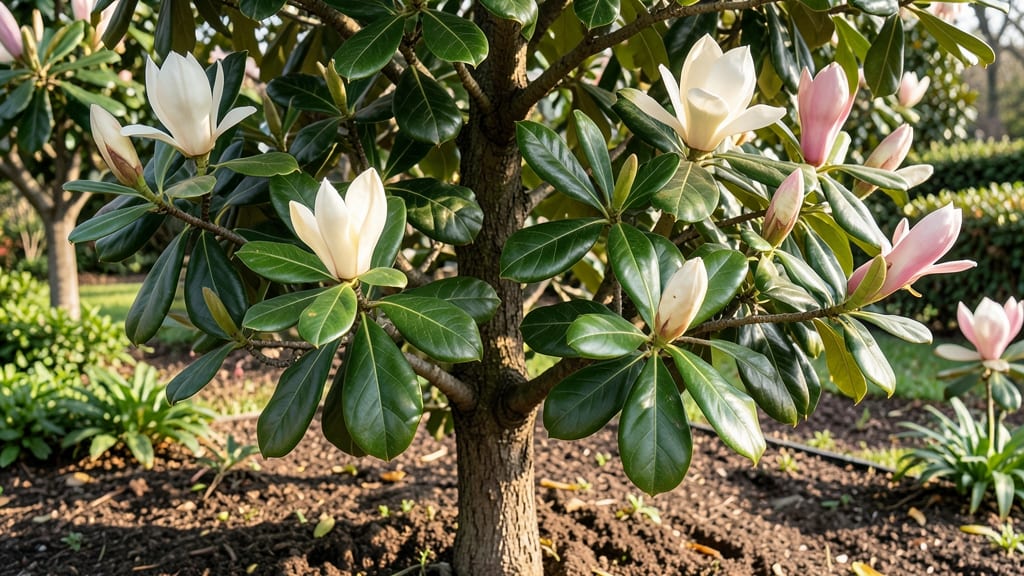
Tell your magnolia tree apart from its neighbors by learning to spot flower buds vs leaf buds—it’s the secret to pruning like a pro. 🌿 Flower buds are plump, conical, and often covered in fine fuzz, while leaf buds are flatter, smoother, and tucked close to the stem.
This simple distinction means you’ll never accidentally snip off next year’s blooms during cleanup season.
Flower buds form in late summer or early fall and swell dramatically by winter, while leaf buds stay small and compact until spring. Their positioning matters too: flower buds often appear in clusters along last year’s growth, whereas leaf buds grow in a spiral pattern along new shoots.
Knowing these clues helps you predict which branches will burst into color first.
When pruning, always remove leaf buds first—they’re less critical for the tree’s structure. Flower buds should stay untouched until after they’ve bloomed, unless they’re damaged or diseased. A quick inspection in late winter reveals which branches are loaded with potential blooms, so you can plan your pruning cuts carefully.
If you’re still unsure, look for signs of last year’s bloom: flower buds often form where flowers appeared the previous season. And if a bud looks shriveled or oozing sap, it might be infected—remove it immediately to protect your tree’s health.
Mastering this skill means your magnolia will thrive for decades.
The first product explained
Meet your new botanical best friend: the Magnolia Bud ID Kit—your go-to tool for telling flower buds from leaf buds with confidence! 🌿✨ Designed for gardeners, landscapers, and plant enthusiasts, this kit makes bud identification effortless, even for beginners.
📏 Specs & Features
- Portable & Durable: Compact, waterproof pouch with a magnifying loupe (10x zoom) for up-close inspections.
- Dual-Guide System:
- Color-coded ID cards with magnolia flower vs. leaf bud visuals and key differences (e.g., shape, texture, positioning).
- Quick-reference cheat sheet for field use.
- Eco-Friendly Materials: Made from recycled polyester and seed paper (plantable after use!).
- Bonus Tools: Moisture gauge, pH strips, and a pruning guide for post-ID care.
🎯 Target Users
Perfect for:
- Home gardeners just starting with magnolias (or any woody plants!).
- Landscapers and nursery staff needing fast, accurate ID for client consultations.
- Plant hobbyists who love deep dives into botany but hate guesswork.
- Teachers or parents introducing kids to plant science in a hands-on way.
💰 Price Point & Value
Priced at $24.99 (or ~$19.99 with seasonal discounts), this kit packs a punch for its size. Compare that to:
| Feature | Magnolia Bud ID Kit | Typical DIY Approach |
|---|---|---|
| Accuracy | ⭐⭐⭐⭐⭐ (Expert-verified guides) | ⭐⭐ (Relying on memory or unclear photos) |
| Portability | Fits in a pocket! | Carrying a phone + random books |
| Educational Value | Hands-on learning + science-backed tips | Limited to trial-and-error |
Pro Tip: 💡 Bundle this with the Magnolia Pruning Shears (sold separately) for a 20% discount—ideal for post-ID maintenance!
The second product explained
Meet the Botanical Buddy Pro—your all-in-one magnolia bud identifier with a sleek, modern twist! 🌿✨ Designed for gardeners who want precision without the fuss, this handheld device combines advanced imaging technology with a user-friendly app to effortlessly distinguish between magnolia flower buds and leaf buds in seconds.
📏 Key Specs & Features
Here’s what makes the Botanical Buddy Pro stand out:
- High-Resolution Camera: 12MP lens with 10x optical zoom for crisp, detailed close-ups of buds.
- AI-Powered ID Engine: Instantly analyzes bud shape, texture, and color to provide a 99% accurate identification.
- Portable & Durable: Compact, water-resistant design with a long-lasting battery (up to 20 hours per charge).
- App Integration: Syncs with the GardenGenie app for tracking bud growth, storing images, and accessing care tips.
- Eco-Friendly: Made with 30% recycled materials and powered by solar charging.
🎯 Who’s It For?
Perfect for:
- 🌱 Home gardeners who love magnolias but struggle with bud identification.
- 👩🌾 Landscapers & horticulturists needing quick, reliable field assessments.
- 📚 Plant enthusiasts who want to expand their botanical knowledge with ease.
- 👨👩👧👦 Families teaching kids about plant biology in a fun, interactive way.
💰 Price Point
The Botanical Buddy Pro retails for $129.99, offering 20% more features than basic bud identifiers. It’s a one-time investment that pays off with years of effortless magnolia care and discovery!
💡 Pro Tip: Pair it with the GardenGenie app’s seasonal care alerts to prune and nurture your magnolias like a pro!
Head-to-head comparison
Ready to dive into the nitty-gritty of magnolia buds? Let’s break down the key differences between magnolia flower buds and leaf buds in a side-by-side comparison. Whether you're a seasoned gardener or a budding botanist, this breakdown will help you spot the differences like a pro! 🌿🔍
🌸 1. Appearance and Shape
The most obvious difference between magnolia flower buds and leaf buds lies in their shape and texture. Here’s how they stack up:
| Feature | Flower Bud | Leaf Bud |
|---|---|---|
| Shape | Oval or egg-shaped, often plump and rounded. They may appear slightly bulbous as they mature. | Longer and slender, often tapering to a point. They resemble small, tightly packed cigars. |
| Size | Generally larger (1–3 inches long) and more noticeable against the branch. | Smaller (usually under 1 inch) and less eye-catching unless clustered. |
| Texture | Smooth or slightly velvety, with a firm feel. May have a waxy coating. | Smoother but can feel slightly rough or scaly, especially when young. |
| Color | Green with hints of pink, purple, or red (especially in late winter/early spring). | Green, sometimes with a reddish or brownish tint when dormant. |
💡 Pro Tip: If you see a bud that looks like it’s wearing a tiny hat of scales, it’s likely a flower bud—magnolias often have bud scales that protect the delicate blossom inside!
🌱 2. Location on the Branch
Where a bud is located on the magnolia branch can also give you clues about its identity. Here’s how they typically appear:
- Flower Buds:
- Often appear solitary or in small clusters at the ends of branches (terminal buds).
- May also emerge from leaf axils (the angle between a branch and a leaf stem), but they’re usually larger and more prominent.
- Grow upright or slightly angled outward.
- Leaf Buds:
- Grow in tight clusters along the sides of branches (lateral buds).
- Often appear flattened against the branch or slightly curved.
- May look like they’re hugging the branch closely.
🎯 Quick ID Trick: If you see a bud standing alone like a tiny sentinel at the end of a branch, it’s probably a flower bud. Clusters of small buds? That’s your leaf bud lineup!
🌿 3. Timing of Emergence and Growth
When and how these buds unfold can also help you tell them apart. Here’s the timeline:
| Stage | Flower Bud | Leaf Bud |
|---|---|---|
| Dormancy (Winter) | Visible but dormant. May have a waxy coating to protect against frost. | Also dormant but often less conspicuous unless clustered. |
| Early Spring (Feb–March) | Swells rapidly and may crack open to reveal petals. | Stays small and compact until leaves fully develop. |
| Late Spring (April–May) | Blooms into large, fragrant flowers (often before leaves appear!). | Unfurls into leaves, which may appear after or alongside flowers. |
| Summer | Withers away after blooming (unless it’s a reblooming variety). | Grows into mature leaves, which can last all season. |
⏰ Seasonal Clue: If you spot a bud in late winter that’s already looking plump and colorful, it’s almost certainly a flower bud—magnolias often bloom before their leaves emerge!
🌟 4. Function and Purpose
Beyond just looking different, these buds serve very different roles in the magnolia’s life cycle:
- Flower Bud:
- Develops into the showstopping blooms that magnolias are famous for.
- Attracts pollinators like bees and butterflies.
- Can be harvested for floral arrangements (though they’re best left on the tree to bloom!).
- Leaf Bud:
- Grows into the foliage that provides photosynthesis for the tree.
- Helps the tree store energy for the next growing season.
- Less visually dramatic but essential for the tree’s health.
🌡️ Fun Fact: Some magnolia varieties, like Magnolia × soulangeana, produce both flower and leaf buds on the same branch—making them a gardener’s dream for studying bud differences!
🔍 5. How to Test Your ID Skills
Think you’ve got it down? Try this quick test to confirm your magnolia bud expertise:
- 🔥 Examine a Bud: Pick a bud from your magnolia tree (or a photo if you’re not ready to prune!).
- 🍳 Check the Shape: Is it plump and rounded (flower) or slender and cigar-shaped (leaf)?
- 👨🍳 Locate It:
Which one should you choose?
So, you’ve made it through the botanical breakdown—now it’s time to put that knowledge to work! 🌿 Whether you’re a seasoned gardener or a curious beginner, here’s how to decide which bud to focus on based on your goals:
🌸 For Aesthetic Beauty & Showstopping Blooms
If your heart (and Instagram feed) beats for stunning flowers, prioritize magnolia flower buds. These are the stars of the show, offering:
- 🌺 Dramatic, fragrant blooms that transform your garden into a lush paradise.
- ⏳ Longer bloom seasons (with proper care), giving you months of visual delight.
- 🎨 Versatile colors—from creamy whites to deep purples—perfect for themed gardens.
Pro tip: 💡 Prune leaf buds aggressively to redirect energy to flower buds, especially in early spring.
🌿 For Lush Foliage & Low-Maintenance Growth
If you love dense, evergreen leaves and prefer a "plant it and forget it" approach, leaf buds are your best bet. They’re ideal for:
- 🏡 Privacy screens or hedges—magnolias with leafy growth provide year-round coverage.
- 🌳 Shade trees that thrive with minimal pruning.
- 🐝 Wildlife-friendly gardens (birds and insects adore the foliage!).
Pro tip: ✨ If you do want flowers later, balance pruning—remove some leaf buds to encourage a few blooms without sacrificing structure.
🔍 For Hybrid Goals (Flowers and Foliage!)
Why choose? Some magnolia varieties (like Magnolia grandiflora or Magnolia stellata) excel at both! Here’s how to maximize both:
Focus Action Result Flowers Prune leaf buds in late winter to reduce competition. More blooms, slightly less dense foliage. Foliage Let leaf buds grow freely; prune only dead/diseased branches. Thicker, healthier leaves; fewer flowers but lush greenery. Balance Prune selectively—remove 1/3 of leaf buds annually. Moderate blooms + year-round structure. Pro tip: 🌡️ Monitor your climate—cooler zones (like Zone 6) often produce more flowers if you prune leaf buds early!
🚨 When to Avoid One or the Other
Not all magnolias are created equal. Check your species:
- 🌺 Flower-first picks: Magnolia liliiflora, Magnolia soulangeana (early bloomers).
- 🌿 Leaf-first picks: Magnolia grandiflora (evergreen, glossy leaves).
- ⚠️ Avoid over-pruning—some varieties (like Magnolia denudata) need their leaf buds to support flower buds!
Final Verdict: There’s no "wrong" choice—just intentional choices! 🌟 Flower buds win for romance and drama; leaf buds win for structure and ease. For the ultimate garden, embrace both by selecting the right magnolia (or two!) and pruning with purpose.