
Neem Oil
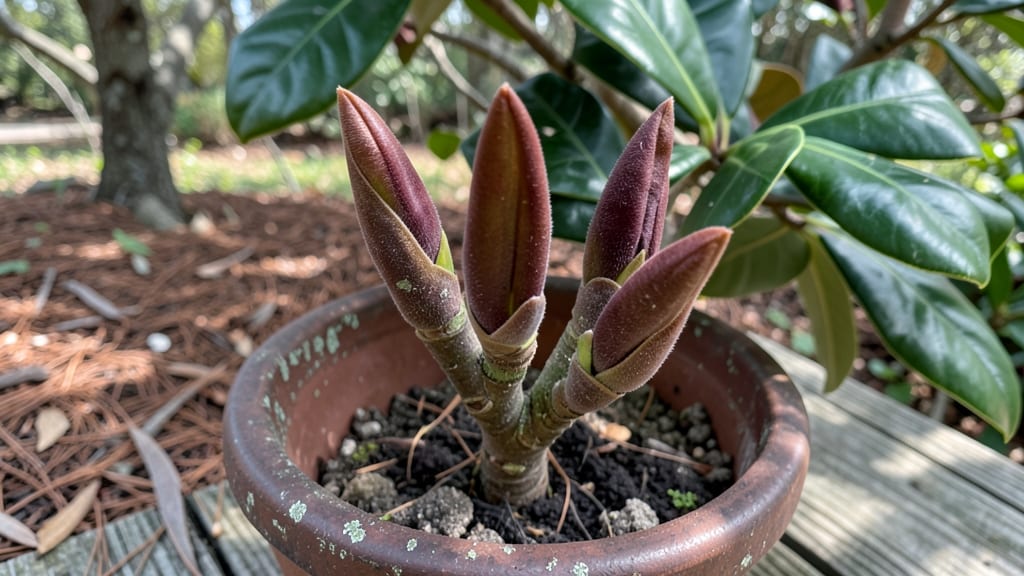
Those plump, velvety magnolia leaf buds are where all the magic happens—each one holding the promise of next year's blooms. 🌿 I learned the hard way that neglecting them leads to sparse flowers, but with the right care, your magnolia will burst into glorious blooms every spring.
The key? Understanding their needs and protecting them from pests like scale or spider mites.
Healthy buds form best in well-draining soil with partial shade—too much sun can scorch them, while too little light weakens the plant. Prune in late winter (before buds swell) to encourage strong new growth, and avoid heavy pruning in fall, which can stress the tree.
A neem oil spray every 2-3 weeks during bud formation keeps pests at bay without harming the plant.
Watch for brown, crunchy buds—a sign of scale infestation—or blackened, mushy buds, which mean fungal issues. If buds drop prematurely, it’s often due to drought stress or late frost damage.
Mulch heavily in winter to protect roots, and water deeply in dry spells to keep buds plump and ready to bloom.
With consistent care, your magnolia will reward you with bold, fragrant blooms for decades. The secret? Treating those little buds like the future they are—because they are the future. Start with neem oil now, and you’ll thank yourself come spring.
📚 In This Guide
- What you need
- Instructions
- Tips and common mistakes
- Wrapping up and next steps
What you need
- ● Magnolia seeds or cuttings: 5–10 healthy seeds (freshly harvested) or 2–3 semi-hardwood cuttings (4–6 inches long).
- ● Neem oil (organic, cold-pressed): 1/2 cup (120 mL) for a 1-gallon (3.8L) spray mixture.
- ● Water: 1 gallon (3.8L) of room-temperature, filtered water.
- ● Spray bottle or garden sprayer: 1–2 quart (0.95–1.9L) size with a fine mist nozzle.
- ● Growing medium: Option 1: Seed starting mix (sterilized, peat-based or coco coir blend).
- ● Option 2: Potting soil (well-draining, slightly acidic, pH 5.5–6.5).
- ● Containers: For seeds: 3–4 biodegradable seed pots (2–3 inches deep).
- ● For cuttings: 1–2 6-inch pots with drainage holes.
- ○ Rooting hormone (optional but helpful): 1 small tube (e.g., Clonex or similar).
- ● Pruning shears or sharp knife: Sterilized with rubbing alcohol for cuttings.
- ● Plastic wrap or humidity dome: To create a mini greenhouse for cuttings.
- ○ Heat mat (optional): For seeds (70–75°F / 21–24°C).
- ● Grow lights or sunny windowsill: 6+ hours of indirect light daily.
- ● Label markers: To track seed varieties or cutting dates.
- ○ Gloves (optional): For handling neem oil or prickly magnolia leaves.
Step-by-Step guide for cultivating healthy magnolia leaf buds
Here's how to nurture strong, vibrant magnolia leaf buds that resist pests naturally.
🌱 Step 1: Select and Prepare Your Magnolia Tree
Choose a young magnolia tree with healthy, disease-free foliage—look for smooth, glossy leaves and plump, green buds in early spring. If your tree is mature, focus on branches with at least 3-4 inches of new growth from the previous season. Prune any dead or crossing branches first to improve airflow, which reduces pest pressure.
Magnolias thrive in well-draining, slightly acidic soil (pH 5.0-6.5). If your soil is heavy clay, amend it with 2-3 inches of organic compost mixed into the top 6 inches of soil. Water deeply after amending to help the soil settle. Avoid overwatering—magnolias hate soggy roots, which can lead to root rot and weaken the tree’s natural pest resistance.
☀️ Step 2: Provide Optimal Growing Conditions
Magnolias need full sun to partial shade (6-8 hours of direct sunlight daily). Plant in a location where the tree receives morning sun and afternoon shade, especially in hotter climates. If your tree is in full shade, you’ll notice smaller leaves and fewer buds, as magnolias rely on sunlight to produce energy for bud development.
Mulch around the base of the tree with 2-3 inches of wood chips or pine straw, keeping the mulch 6 inches away from the trunk to prevent rot. This helps retain moisture and regulates soil temperature, which is critical during the bud flush in late winter to early spring. Water deeply once a week during dry spells, ensuring the soil stays evenly moist but not waterlogged.
💧 Step 3: Apply Neem Oil for Pest Prevention
Neem oil is a natural, organic way to protect magnolia leaf buds from pests like scale, aphids, and spider mites. Mix 1 tablespoon of neem oil per gallon of water with a few drops of mild liquid soap as an emulsifier. Spray the mixture evenly on the undersides of leaves and buds, where pests often hide, using a handheld sprayer for precision.
Apply neem oil in early spring (before buds open) and again in late summer to create a protective barrier. Avoid spraying on hot days, as the oil can burn foliage. If you notice sticky residue (honeydew) on leaves, it’s a sign of sap-sucking pests—reapply the neem oil solution immediately. This proactive step ensures your magnolia’s leaf buds develop strong and pest-free.
✂️ Step 4: Monitor and Maintain Bud Health
Inspect your magnolia’s leaf buds weekly during the growing season, focusing on the color and firmness of the buds. Healthy buds should be plump, green, and slightly sticky to the touch. If you spot shriveled, brown, or mushy buds, it’s a sign of pest damage or fungal infection—prune affected branches immediately and treat with neem oil.
In late fall, apply a 2-inch layer of mulch around the base of the tree to protect the roots from freezing temperatures. Magnolias are hardy, but their buds are sensitive to cold snaps. If your region experiences below 10°F temperatures, wrap young trees with burlap for extra protection. This winter care ensures robust bud development for the following spring.
Tips & tricks for cultivating healthy magnolia leaf buds
Mastering these key steps will transform your magnolia's bud health and pest resistance.
Bud Selection Insight: When choosing your magnolia tree in Step 1, prioritize branches with at least 3-4 inches of new growth from the previous season. These branches typically produce the most vigorous buds. Look for areas where the bark is smooth and free of cracks—rough bark often indicates older growth that may not support healthy bud development. The plump, green buds mentioned in the instructions should feel slightly resistant when gently pressed, not hollow or mushy.
Soil pH Precision: While the instructions specify a pH range of 5.0-6.5, achieving the ideal 5.5-6.0 range will maximize bud health. Test your soil using a simple pH kit available at garden centers. If your soil tests higher than 6.5, amend with elemental sulfur (1/4 pound per 100 square feet) mixed into the top 6 inches. For lower pH, use lime (1/2 pound per 100 square feet). Re-test after 2-3 months to confirm adjustments.
Neem Oil Application Technique: In Step 3, when applying your neem oil solution, focus on early morning or late afternoon applications to avoid the sun's intensity. Use a cone-shaped sprayer to direct the solution to the undersides of leaves and buds where pests hide. For larger trees, consider adding 1 tablespoon of horticultural oil to each gallon of solution—this enhances the oil's ability to smother pests while allowing the neem oil to penetrate foliage more effectively. Always wear gloves and avoid inhaling the spray.
Winter Protection Strategy: The 2-inch mulch layer in Step 4 should be applied after the ground has frozen but before heavy snowfall. For regions experiencing below 10°F temperatures, wrap young trees with burlap after mulching, leaving the top open to prevent moisture buildup. In extremely cold climates, consider wrapping the trunk with tree wrap to prevent sunscald during winter thaws. This layered protection creates a microclimate that shields buds from temperature fluctuations.
Pro Tips for Magnolia Leaf Buds
- Mastering these key steps will transform your magnolia's bud health and pest resistance.
- Bud Selection Insight: When choosing your magnolia tree in Step 1, prioritize branches with at least 3-4 inches of new growth from the previous season.
- Soil pH Precision: While the instructions specify a pH range of 5.0-6.5, achieving the ideal 5.5-6.0 range will maximize bud health.
Frequently asked questions
When is the best time to harvest magnolia leaf buds for neem oil infusion?
The ideal time to harvest magnolia leaf buds is in early spring (March–April), just before they fully bloom. This ensures the highest concentration of beneficial compounds. Avoid harvesting after a hard frost or during extreme heat, as these conditions can reduce potency.
Can I use magnolia leaf buds from any magnolia species?
Most evergreen magnolia species (like Magnolia grandiflora) work well, but avoid deciduous varieties (e.g., Magnolia stellata) since their buds are smaller and less effective. Always source buds from organic, pesticide-free trees for the safest infusion.
How long does neem-infused magnolia leaf bud spray last?
Store the spray in a cool, dark place (like a fridge) for up to 2–3 weeks. For longer shelf life, freeze it in ice cube trays and thaw as needed. Shake well before each use, as neem oil may separate over time.
What should I do if my magnolia leaves turn yellow after treatment?
Yellowing can indicate overapplication or sensitivity to neem oil. Dilute your spray to 1–2% neem oil and reduce frequency to every 2 weeks. Ensure proper ventilation and avoid spraying in direct sunlight.
Are there alternatives to magnolia leaf buds for pest control?
Yes! Try neem leaf infusion (from neem trees), garlic spray, or chili pepper extract. For magnolias, rosemary oil or citrus peels also work well. Always test on a small area first to check for plant reactions.
Wrapping up and next steps
Growing magnolia leaf buds with neem oil isn’t just about pest control—it’s a rewarding journey into nurturing resilient, vibrant foliage. By following these steps, you’ll create a thriving environment for your magnolias while harnessing the power of natural, eco-friendly solutions. 🌿
Ready to take the next step? Start small—whether it’s experimenting with a single branch or expanding your neem oil infusion techniques. Your magnolias will thank you with lush, pest-free leaves for seasons to come! 🌟