
Pests and Diseases
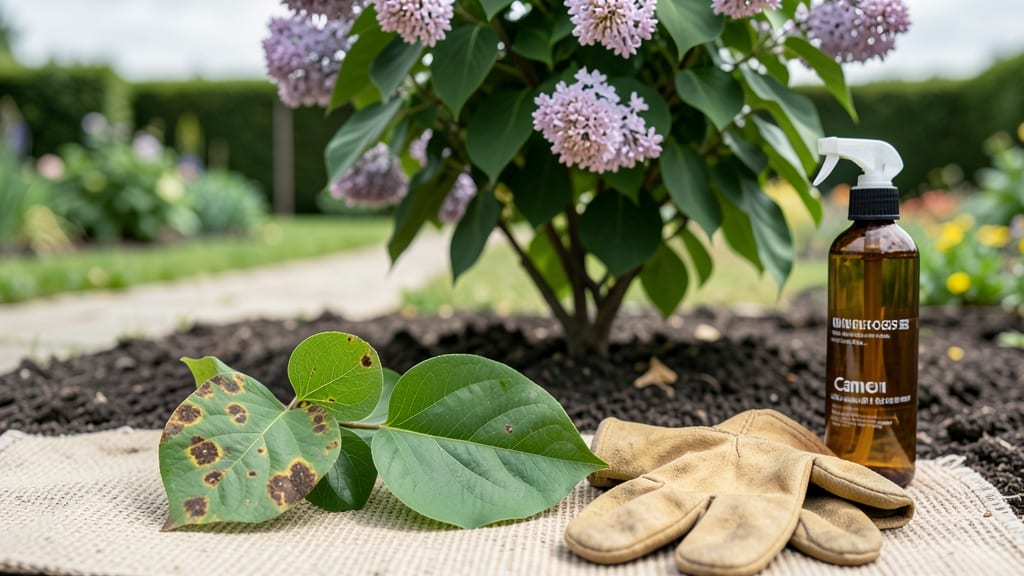
Those dark, expanding spots on your lilac leaves aren’t just dirt or mildew—lilac leaf spot disease is attacking, and without action, your bush could lose half its foliage by summer. 🌿 I’ve battled this fungal foe for years, and I’ll show you how to stop it before it spreads.
The first sign is tiny brown or black spots with yellow halos, often along leaf edges. If ignored, they merge, causing leaves to yellow and drop prematurely. The fungus thrives in damp, shady conditions, so poor airflow and overhead watering turn lilacs into perfect hosts.
With the right organic treatments—neem oil, copper fungicide, or baking soda spray—you can halt the spread and restore your bush’s health. Prune infected branches in dry weather, space plants for airflow, and water at the base to keep leaves dry.
This method works for all lilac varieties, whether you’re dealing with a single bush or a whole hedge. Let’s save those fragrant blooms!
Root Causes Of Leaf Spots
Lilac leaf spot disease isn’t just a random nuisance—it’s the result of specific environmental and biological triggers. Understanding these causes is the first step to preventing and managing the issue. Let’s break down the key factors that turn your lilacs’ leaves into a disease buffet for pathogens.
The primary culprit behind lilac leaf spot is the Apiognomonia veneta fungus, a stubborn invader that thrives in moist conditions. This fungus spreads via:
- Spores in the air or water: Rain splashes spores onto leaves, creating perfect entry points for infection. Overhead watering (especially late in the day) accelerates this process.
- Infected plant debris: Old leaves, twigs, or fallen flowers harbor fungal spores over winter, ready to reinfect when conditions are right.
- Warm, humid weather: Temperatures between 60–75°F (15–24°C) with high humidity (above 70%) create an ideal breeding ground for the fungus.
💡 Pro Tip: Prune lilacs in early spring (before buds swell) to remove last year’s infected debris—this cuts off the fungus’s winter hideout.
Water plays a dual role in leaf spot development—it can either dilute spores or concentrate them. Here’s how improper watering backfires:
- Overhead irrigation: Mimics natural rain, splashing spores from soil or mulch onto leaves. Drip irrigation at the base keeps foliage dry.
- Late-day watering: Leaves stay wet overnight, trapping humidity against the leaf surface—fungi love this environment.
- Compacted or waterlogged soil: Poor drainage leads to soggy roots and stressed plants, weakening their defenses against pathogens.
✨ Actionable Fix: Water lilacs early in the morning (6–9 AM) to allow foliage to dry quickly. Aim for 1–1.5 inches of water per week, including rainfall.
Healthy lilacs resist leaf spot better than stressed ones. Common stressors that open the door for fungal infections include:
- Nutrient deficiencies: Lack of nitrogen, phosphorus, or micronutrients (like magnesium or iron) weakens leaf tissue, making it easier for fungi to penetrate.
- Physical damage: Hail, strong winds, or rough pruning create wounds where spores can latch on.
- Crowded planting: Poor airflow between bushes traps moisture, slowing evaporation and prolonging leaf wetness.
- Improper pruning timing: Cutting lilacs after mid-summer encourages new growth that’s vulnerable to late-season fungal attacks.
🎯 Prevention Tip: Test soil pH (ideal range: 6.0–7.0) and amend with compost or organic fertilizer in early spring to boost plant vigor.
Leaf spot doesn’t disappear in winter—it hibernates. Fungal spores survive on:
- Mulch piles: Thick mulch (especially organic) can trap moisture and spores against the soil.
- Unremoved leaves/twigs: Pruned debris left on the ground becomes a spore reservoir.
- Adjacent infected plants: Weeds or other ornamentals (like roses or viburnums) can host the same fungus.
🔥 Cleanup Checklist for Fall/Winter:
- Rake and remove all leaf litter from under lilacs (don’t compost it—dispose of it in yard waste).
- Prune out dead or diseased wood and sterilize tools with 70% rubbing alcohol or a 10% bleach solution.
- Space mulch 3–4 inches away from stems to improve airflow and reduce moisture buildup.
How to Treat and Prevent Fungal Spots
Fungal infections like lilac leaf spot disease can be frustrating, but with the right approach, you can restore your lilacs to their vibrant best—and keep them thriving for years. The key is acting fast, combining preventive care with targeted treatments to stop the spread.
Below, we map common causes to practical fixes, so you can tackle the problem at its source.
Cause: Wet leaves for too long create the perfect breeding ground for fungal spores.
How to Fix It: ✅ 🔥 Adjust Your Watering Routine
- Water early in the morning so leaves dry by evening (fungi love moisture overnight).
- Use a soaker hose or drip irrigation to keep foliage dry—avoid overhead sprinklers.
- Test your soil: Stick your finger 2 inches deep; water only if the top layer feels dry.
✅ 🏗️ Improve Drainage
- Amend heavy clay soil with compost or perlite to help water drain faster.
- If planting in containers, ensure pots have drainage holes and use well-draining potting mix.
💡 Pro Tip: Mulch around the base of your lilacs with 2–3 inches of organic mulch (like shredded bark) to regulate soil moisture and prevent splashing water onto leaves.
Cause: Leaving infected foliage spreads spores to healthy plants.
How to Fix It: ✅ 🔪 Prune Like a Pro
- Remove and destroy (don’t compost!) all leaves with spots, blackening, or yellowing.
- Use sterilized pruners (wipe with rubbing alcohol between cuts) to avoid cross-contamination.
- Thin out crowded branches to improve airflow—fungi thrive in tight, humid spaces.
✅ 🌡️ Time Your Pruning
- Prune late winter or early spring (before new growth) to reduce stress on the plant.
- Avoid pruning during wet weather—wait for a dry day to minimize fungal spread.
💡 Pro Tip: Collect fallen leaves and debris weekly during rainy seasons to starve the fungus of its food source.
Cause: Fungal spores multiply quickly; a preventative strike stops outbreaks before they start.
How to Fix It: ✅ 🍄 Choose the Right Spray
- Neem oil (1 tsp per quart of water + a drop of dish soap as a surfactant) – disrupts fungal cell walls.
- Baking soda spray (1 tsp baking soda + 1 quart water + a few drops of soap) – raises leaf pH to inhibit spores.
- Copper fungicide (like copper sulfate) – effective but use sparingly (follow label rates).
✅ 👨🍳 Spray Correctly
- Apply every 7–10 days during rainy seasons or when you see early signs (tiny dark spots).
- Spray both sides of leaves and mist lightly until droplets form (but avoid soggy leaves).
- Reapply after rain—water washes fungicides off.
💡 Pro Tip: For severe cases, repeat treatments every 3–4 days until new growth appears healthy.
Cause: Weakened lilacs (from poor soil, pests, or stress) are more susceptible to infections.
How to Fix It: ✅ 💪 Feed with Organic Fertilizer
- Use a balanced organic fertilizer (like 5-5-5 or fish emulsion) in early spring to strengthen roots.
- Avoid high-nitrogen fertilizers in late summer—they promote soft, fungus-loving growth.
✅ 🌱 Support with Beneficial Microbes
- Add mycorrhizal fungi or compost tea to the soil to enhance root health and natural resistance.
- Plant companion flowers like marigolds or lavender nearby—they repel pests and improve airflow.
💡 Pro Tip: Avoid wounding lilacs (like rough pruning) during growing season—open cuts are entry points for fungi.
Cause: Fungal spores linger in soil and debris, ready to reinfect next season.
How to Fix It: ✅ 🧹 Clean Up Thoroughly
- Rake and remove all leaf litter, mulch, and debris from under and around lilacs fall and spring.
- Solarize the soil (if severe): Cover bare soil with clear plastic for 4–6 weeks in summer to kill spores.
✅ 🌧️ Plan for Rainy Seasons
- Space plants 3–5 feet apart for better airflow (fungi spread faster in crowded gardens).
- Choose resistant varieties like Syringa vulgaris ‘Charles Joly’ if leaf spot is recurrent in your area.
💡 Pro Tip: Rotate fungicides if you use chemical options—fungi can build resistance over time.
Final Note: Consistency is key! Fungal diseases often return if you stop treatments too soon. Monitor your lilacs weekly during peak growing seasons, and act at the first sign of trouble. With these steps, your lilacs will bounce back—and stay spot-free! 🌸✨
Frequently asked questions
What do lilac leaf spots look like at early stages?
Start with tiny brown or black spots (about 1/16-inch wide) with yellow halos around them. These often appear on leaf edges first. As they spread, spots grow larger, merge, and develop gray centers with dark borders. Severe cases cause leaves to yellow and drop prematurely.
Can I still use my lilac flowers if the leaves have spots?
Yes, but focus on healthy branches only. Lilac flowers grow on old wood (last year's growth), so prune only diseased leaves—never cut back flowering stems. Remove infected foliage immediately to prevent spore spread. The blooms themselves aren't affected by leaf spot disease.
How often should I spray fungicide on lilacs?
For prevention, spray every 7–10 days during rainy seasons or when humidity exceeds 70%. If you see early signs (tiny spots), apply every 3–4 days until new growth appears healthy. Always spray early morning so leaves dry quickly—fungi thrive in wet conditions overnight.
Will my lilac recover if I treat leaf spot late in the season?
Partial recovery is possible, but early action is critical. If you treat in late summer, focus on removing infected leaves and applying fungicide to protect next year's growth. New leaves may grow spot-free, but existing damage won't reverse. For best results, start treatments at the first sign of spots in spring.
Are there lilac varieties resistant to leaf spot?
Some varieties show better resistance, like Syringa vulgaris 'Charles Joly' or 'Miss Kim'. However, no lilac is completely immune. Improving airflow, proper pruning, and fungicide sprays reduce risk for all varieties. If leaf spot is recurrent in your area, consider planting resistant varieties and maintaining strict hygiene.