
Companion Plants
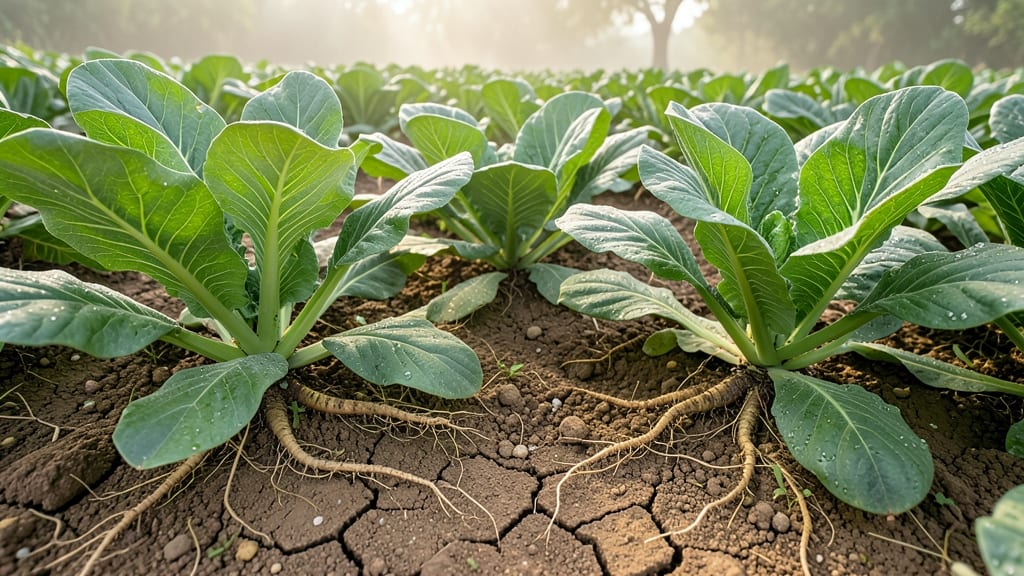
Bitter leafy greens aren’t just flavorful—they’re nature’s pest control and flavor enhancers. These 10 underrated greens improve soil health, deter insects, and add depth to your garden’s ecosystem, making them essential for organic growers.
Dandelion Greens for Pest-Repellent Soil
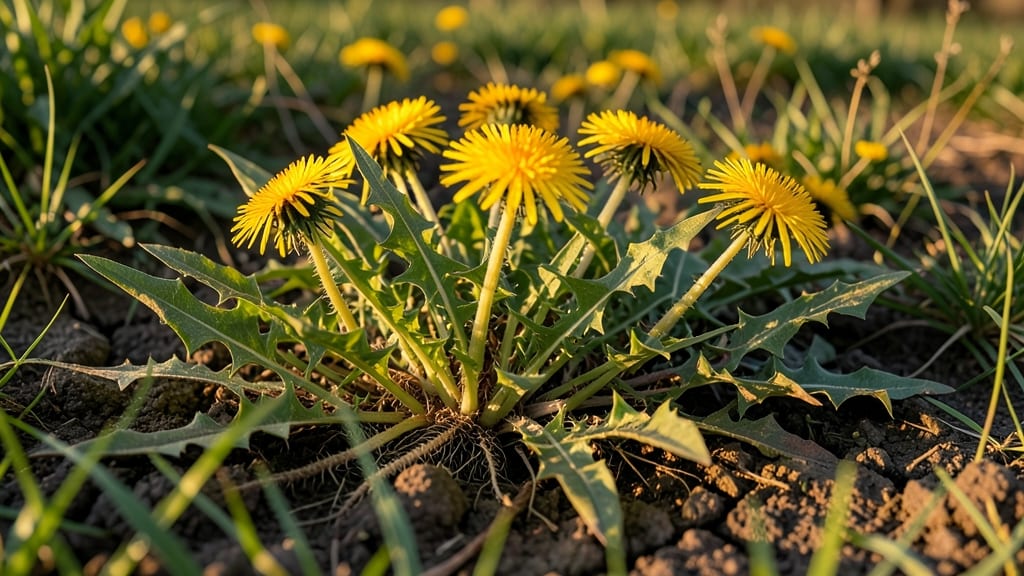
Consider dandelion greens your garden’s unsung hero—this bitter leafy green isn’t just edible, it’s a powerhouse for natural pest control and soil aeration. While many gardeners pull them as weeds, their deep taproots break up compacted soil while suppressing unwanted plants.
Dandelions thrive in full sun to partial shade and attract beneficial insects like ladybugs, which feast on aphids and other pests. Their dense growth smothers weeds, reducing the need for tilling or herbicides. For best results, let a few dandelions bloom in early spring—their nectar supports pollinators while their roots improve drainage.
Perfect for organic gardeners and urban plot owners, dandelion greens require zero maintenance beyond occasional harvesting. Their resilience makes them ideal for neglected corners or as a living mulch. 💚
Arugula’s Peppery Kick Against Cabbage Worms
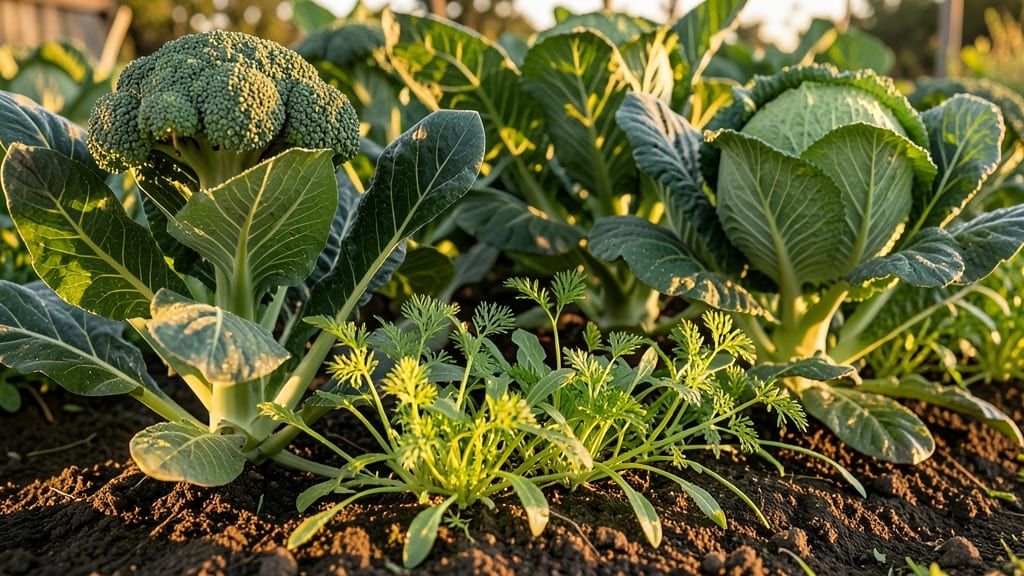
If your brassicas (like kale, broccoli, or cabbage) are under siege from cabbage worms, arugula might just be your secret weapon. This fast-growing, peppery green isn’t just delicious—it confuses cabbage moths with its strong scent, reducing egg-laying by up to 60% when planted nearby.
Sow arugula seeds every 2-3 weeks in early spring or late summer for a continuous harvest and pest deterrent. It thrives in cool weather (40-75°F) and even tolerates light frosts, making it perfect for early spring or fall gardens. The added bonus? Its bright flowers attract pollinators like bees and hoverflies, boosting your garden’s biodiversity.
This makes arugula a must-try for urban gardeners with limited space or beginners looking for an easy, dual-purpose crop. 🌱
Mustard Greens to Smother Weeds Naturally
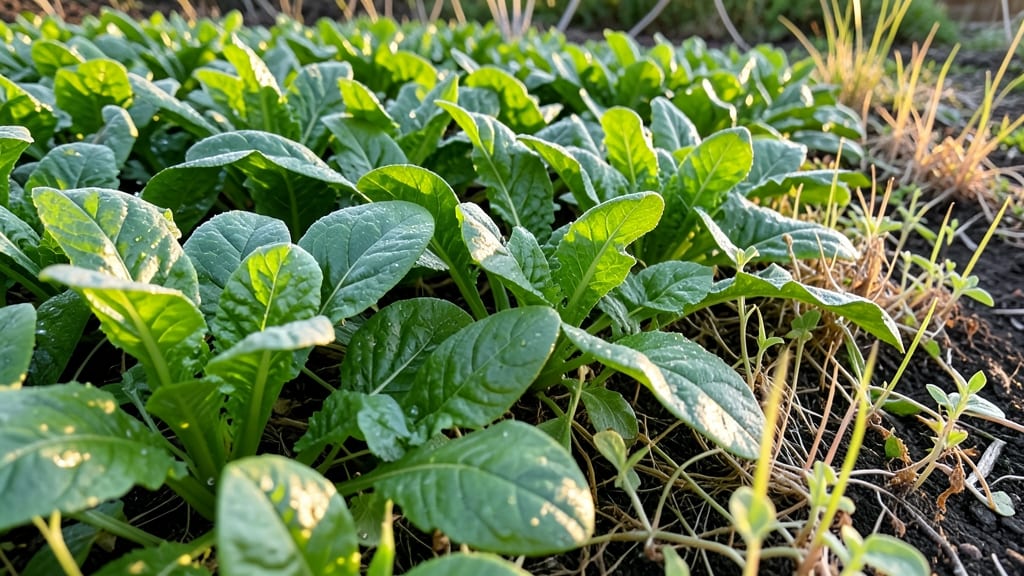
Tired of battling weeds that steal nutrients from your plants? Mustard greens are the secret weapon you’ve been missing—this fast-growing green acts as a living mulch, smothering weeds before they sprout while releasing natural chemicals to block invasive plants like crabgrass.
Plant them in early spring or late summer for maximum weed suppression. The allelopathic compounds in mustard greens create a chemical barrier in the soil, reducing competition for water and sunlight. You’ll also get a bonus harvest of nutrient-rich greens for your kitchen—just snip the outer leaves as needed.
Perfect for organic gardeners and beginners, mustard greens require minimal care and deliver big results. 🌿
Sorrel’s Tart Edge for Slug Deterrence
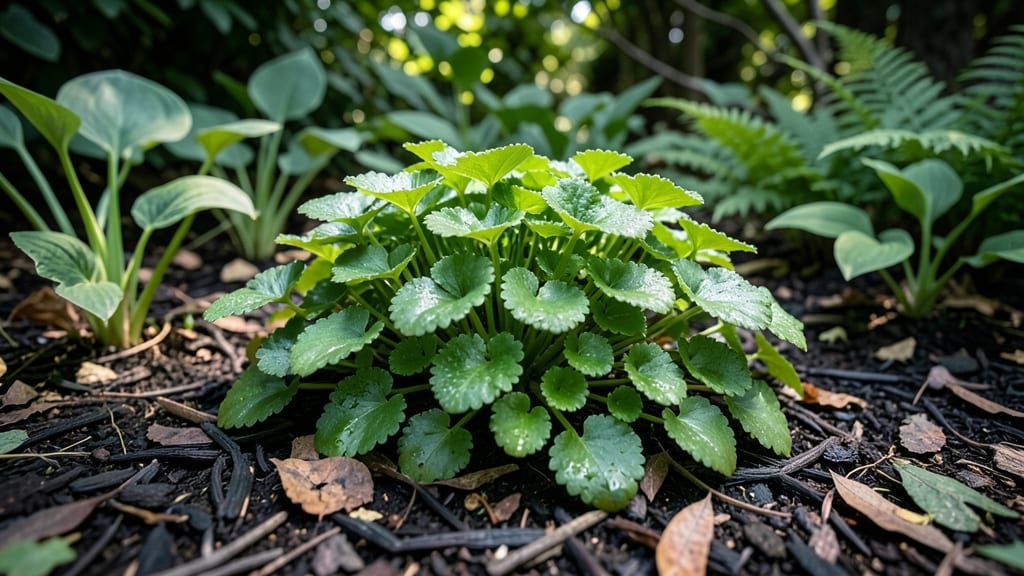
For gardeners battling slugs in shady spots, sorrel offers a natural, tart solution that doubles as a compost booster. Its highly acidic leaves create an inhospitable environment for slugs and snails, making it a perfect companion for delicate plants like hostas or ferns.
This nitrogen-rich perennial thrives in partial to full shade and even improves compost piles when chopped and added. Simply scatter sorrel leaves around vulnerable plants or toss them into compost heaps to deter pests while enriching soil. It’s ideal for low-maintenance gardeners who want a dual-purpose plant. 🌿
Endive’s Bitter Crunch Against Root Maggots
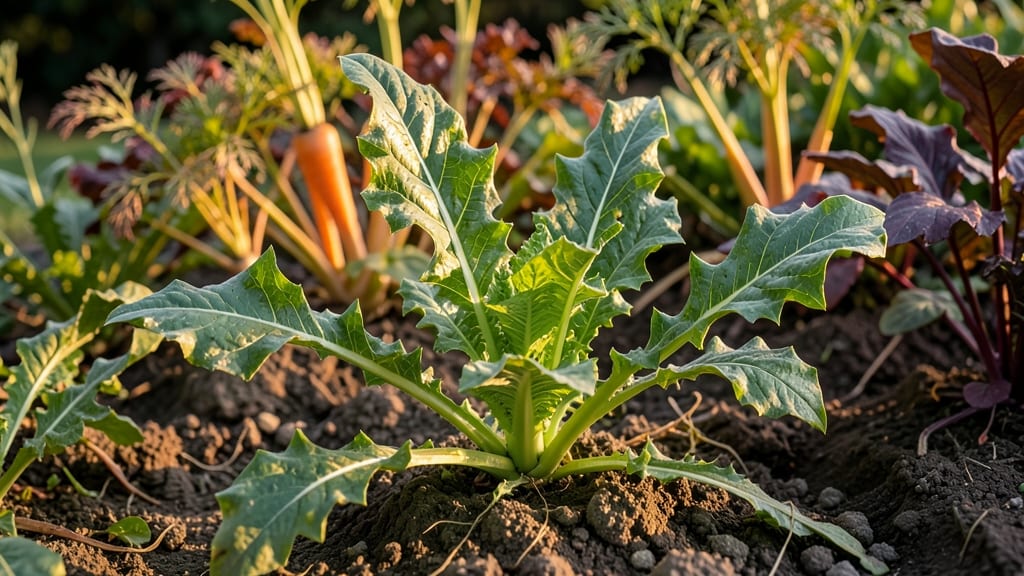
Struggling with root maggots munching on your carrots or beets? Endive might be your secret weapon—its intense bitterness isn’t just for flavor, it’s a natural pest disruptor that confuses these destructive larvae.
Plant endive near root crops to mask their scents, throwing off root maggots that rely on smell to find hosts. This cool-season crop thrives in partial shade and prefers well-drained soil, making it perfect for spring or fall gardens. Bonus: Harvest the crisp, curly leaves for salads or let it bolt for bitter, flavorful endive hearts.
Urban gardeners and small-space growers will love how endive fits in containers—just ensure it gets at least 6 hours of sun daily. Its dual role as both pest repellent and edible harvest makes it a must-try for organic gardeners. 🌿
Chicory Roots for Natural Pest Barriers
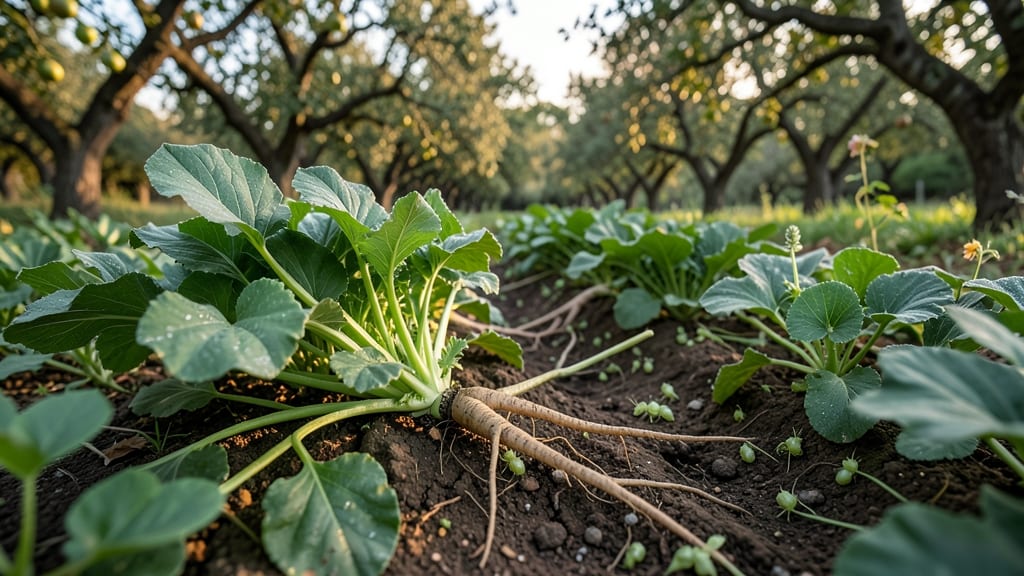
If aphids and nematodes are wreaking havoc in your orchard or vegetable beds, chicory might be the unsung hero you’ve been missing. This deep-rooted perennial doesn’t just add bitterness to salads—its roots physically disrupt soil-borne pests like nematodes, while its leaves release compounds that repel aphids when planted near fruit trees.
Chicory thrives in full sun to partial shade and tolerates poor, dry soil, making it ideal for neglected garden corners. Its deep taproots (reaching up to 3 feet) break up compacted soil while attracting beneficial insects like parasitic wasps. For best results, plant chicory 6–8 weeks before your first frost—it’s cold-hardy and even sweeter after a light frost. Pair it with apples, pears, or raspberries to create a natural aphid barrier.
Perfect for organic gardeners and small orchards, chicory requires minimal care beyond occasional harvesting. Its dual role as both a pest deterrent and a flavorful edible makes it a must-try for anyone battling soil pests. 🌿
Radish Greens to Confuse Cucumber Beetles
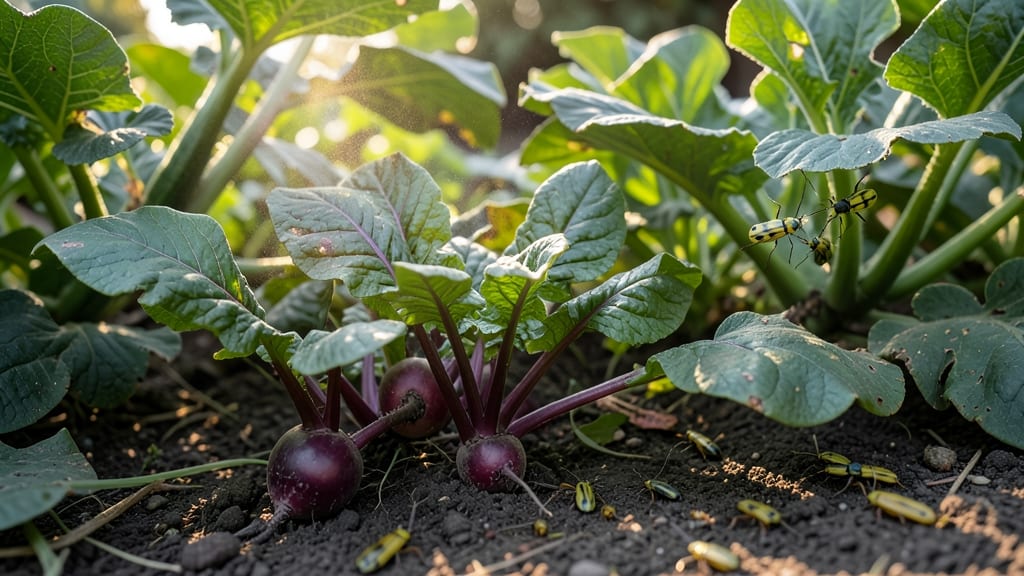
If cucumber beetles are wrecking your zucchini or melon plants, radish greens might be your secret weapon. These often-overlooked greens release volatile sulfur compounds that overwhelm cucumber beetles’ scent receptors, luring them away from your vulnerable crops while leaving your radishes untouched.
Plant radishes like French Breakfast or Cherry Belle alongside cucumbers—their fast growth (30-40 days) means you’ll get greens for salads and pest protection. The sulfur smell also deters other pests like aphids and flea beetles. For maximum effect, interplant radishes every 2-3 feet in your cucumber rows, harvesting the greens before the radishes mature.
This trick is a game-changer for small-space gardeners and organic growers who want to skip chemical sprays. The greens add a peppery kick to salads, while the roots can be roasted or pickled—no waste! 🌱
Swiss Chard’s Rainbow Leaves for Aphid Control
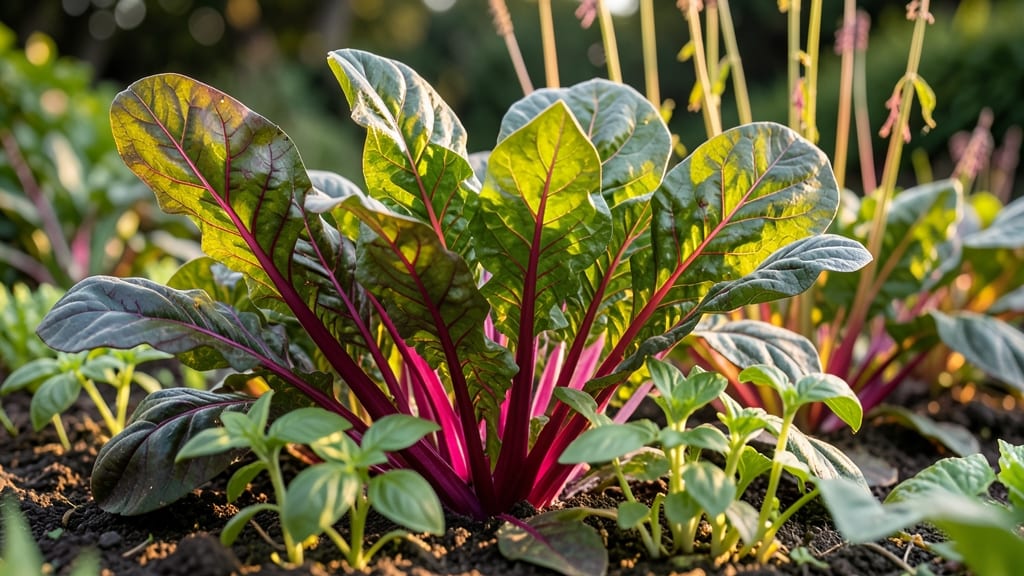
Looking for a colorful way to keep aphids off your plants? Swiss chard isn’t just a pretty face—its vibrant stems act as a natural aphid deterrent while attracting parasitic wasps that hunt these pests. The broad leaves also create a living shade cloth for delicate seedlings like lettuce or basil.
Plant Swiss chard in full sun to partial shade with well-draining soil, and harvest outer leaves regularly to encourage continuous growth. The variety 'Bright Lights' offers the most dramatic stem colors, but even standard green varieties work well for pest control. Pair it with brassicas or herbs to maximize its aphid-repelling benefits.
This makes Swiss chard ideal for organic gardeners who want both beauty and function—its dual role as a pest deterrent and seedling protector earns it a spot in every eco-friendly garden. 🌻
Kale’s Hardy Bite Against Flea Beetles
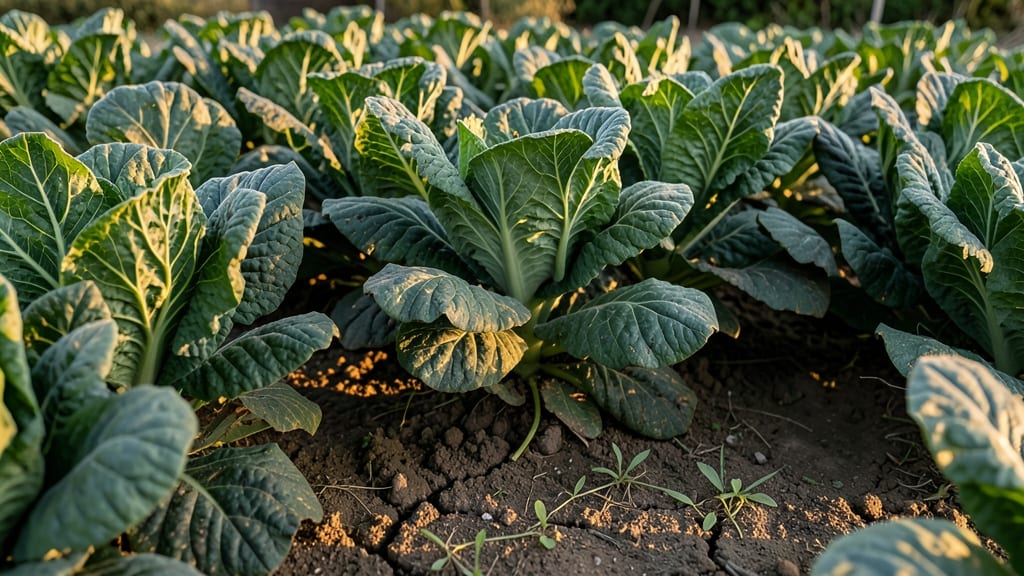
Tired of flea beetles turning your greens into Swiss cheese? Kale isn’t just a superfood—it’s a natural pest repellent with a hardy growth habit that outshines weeds before they sprout. Its robust, upright leaves create a dense canopy that blocks sunlight from weed seeds, while its strong, earthy scent confuses flea beetles into seeking easier targets.
Plant kale varieties like 'Winterbor' or 'Red Russian' in full sun to partial shade (6+ hours daily) and space them 12-18 inches apart to maximize their weed-suppressing power. The key to success? Consistent moisture—kale’s thick leaves deter pests best when the soil stays evenly damp. For extra protection, interplant with nasturtiums, whose peppery aroma further repels flea beetles.
This makes kale a game-changer for organic gardeners and small-space growers, offering both a nutrient-rich harvest and a low-maintenance way to crowd out pests. 🌱
Collard Greens for Long-Term Soil Health

Looking to transform your garden’s soil without synthetic amendments? Collard greens are the unsung heroes of long-term soil health, thanks to their deep taproots that break up compacted soil and their natural ability to suppress fungal diseases like powdery mildew.
These hardy greens release beneficial compounds that create a healthier microbial environment, reducing pathogens that plague tomatoes, peppers, and other plants. Plant them in full sun to partial shade with well-draining soil, and their broad leaves will provide shade for seedlings while improving soil structure over time. For maximum benefits, interplant collards with susceptible crops like eggplants or peppers—their natural disease suppression will give your garden a protective edge.
Perfect for organic gardeners and those practicing crop rotation, collards reward you with both improved soil and delicious harvests. Their cold-hardy nature makes them ideal for early spring or fall planting in most climates. 🌱