
Vegetables
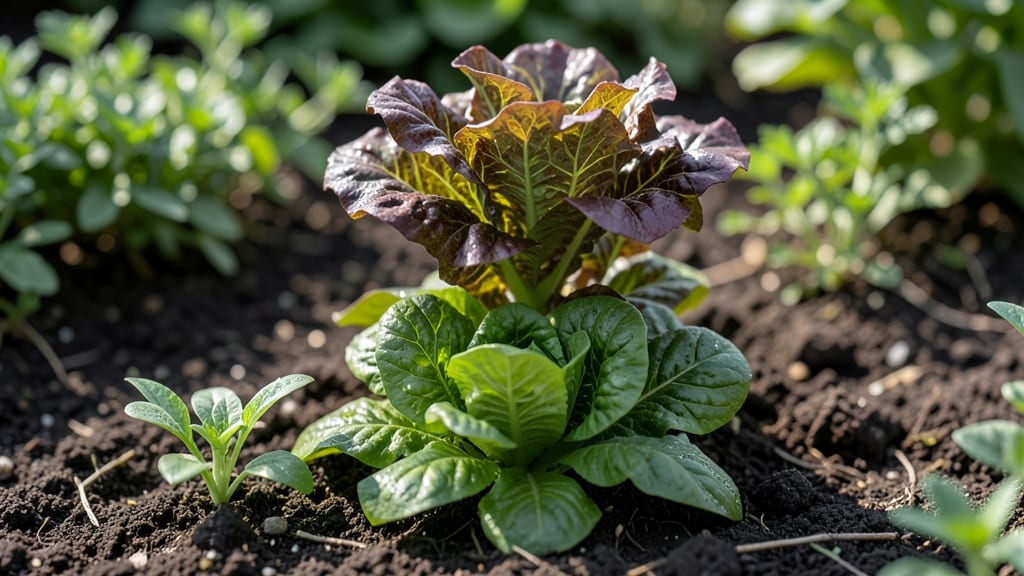
Tracking leaf lettuce growth turns guesswork into a predictable harvest. 🌱 From tiny sprouts to crisp, ready-to-eat leaves, this chart breaks down each stage—germination, true leaves, and maturity—with exact days and visual cues so you know precisely when to pick.
You’ll measure progress by height (4–12 inches) and leaf shape, not just days. Most varieties reach harvest in 28–50 days, but cooler weather slows growth—so adjust spacing and sunlight to keep them on track. The payoff? Fresh, tender leaves pulled at peak flavor, not wilted or bitter.
No more waiting weeks to wonder if your plants are ready—just follow the stages and harvest when leaves reach 3–6 inches for baby greens or 8–12 inches for full-size. Works for spring, fall, or even winter under grow lights.
Here’s how to use it to grow lettuce like a pro every season.
📚 In This Guide
- What you need
- Instructions
- Tips and common mistakes
- Wrapping up and next steps
What you need
- ● Leaf Lettuce Seeds: 1–2 packets (choose varieties like Buttercrunch, Romaine, or Looseleaf for quick growth). Growing Containers or Garden Bed: Containers: 6–12" deep pots (at least 1 per plant or 12" diameter for multiple seeds). Garden Bed: Well-draining soil, 6–12" deep, with partial shade (especially in hot climates).
Leaf lettuce growth chart: tracking stages and days to harvest
Here’s how to visually track your leaf lettuce from seed to harvest—no guesswork involved.
🌱 Step 1: Identify Germination and First True Leaves
Germination takes 5-14 days depending on temperature and moisture. You’ll see tiny sprouts poking through the soil first—these are your cotyledons, the plant’s first leaves. They look rounded and simple, not like mature lettuce leaves.
Wait until the first true leaves appear—these are smaller, serrated-edged leaves that look like miniature lettuce. This stage typically happens 7-10 days after germination. True leaves signal the plant is ready to focus on leaf growth rather than just establishing roots.
Here’s the thing—don’t rush watering during germination. Keep the soil evenly moist but not soggy. Overwatering can drown seeds before they sprout, while dry soil delays germination. A light misting every 2-3 days usually does the trick.
☀️ Step 2: Monitor Growth Stages by Leaf Size and Shape
After true leaves appear, growth accelerates. By 3-4 weeks, your lettuce will have 4-6 mature leaves, each about 1-2 inches wide. These leaves will start developing the characteristic ruffled edges of leaf lettuce varieties like Buttercrunch or Black Seeded Simpson.
Watch for leaf overlap—when the outer leaves begin touching or slightly shading the inner ones. This is your cue that the plant is ready for thinning or harvesting. If you’re growing for baby leaves, you can start picking outer leaves at this stage without harming the plant.
I like to use a small ruler to track leaf width—once the outer leaves reach 3-4 inches, I know harvest is just days away. Light exposure matters here: 4-6 hours of sunlight daily keeps growth steady without bolting (going to seed).
⏰ Step 3: Determine Harvest Readiness by Leaf Maturity
Leaf lettuce is ready to harvest when the outer leaves reach 4-6 inches long and the inner leaves are at least 2-3 inches wide. You’ll notice the leaves are crisp, vibrant green, and fully formed with no signs of yellowing or wilting.
Harvest by cutting the entire plant ½ inch above the soil line with clean scissors or a knife. For continuous harvest, leave the inner leaves and trim just above the next set of leaves. The plant will regrow, giving you 2-3 more harvests before it bolts or slows down.
Real talk: If your lettuce bolts (sends up a tall flower stalk), it’s past its prime for tender leaves. This happens when days get longer or temperatures rise above 75°F. To delay bolting, provide afternoon shade in hot climates and keep soil consistently moist.
🌿 Step 4: Post-Harvest Care for Regrowth (Optional)
After your first harvest, rinse the remaining leaves gently under cool water to remove soil. Place the plant back in its container or garden bed with 1 inch of fresh water to encourage regrowth. Within 7-10 days, you’ll see new leaves emerging from the center.
For container-grown lettuce, fertilize lightly with a balanced liquid fertilizer (10-10-10) diluted to half strength. Too much fertilizer can cause bitter leaves, so less is more. Keep the soil moist but not waterlogged—lettuce roots need oxygen to thrive.
Here’s where it gets fun: You can repeat this process 2-3 times before the plant exhausts its energy. Each harvest will yield slightly smaller leaves, but they’ll still be tender and delicious. Once the center leaves turn yellow or the plant bolts, it’s time to compost and start fresh.
Tips & tricks for perfect leaf lettuce growth
Tracking your leaf lettuce's progress doesn't have to be a guessing game—these practical tips will help you grow crisp, flavorful leaves every time.
Germination Timing: The 5-14 day germination window can feel like forever, but consistency is key. Place a small piece of clear tape over your seed tray to create a mini greenhouse effect—this traps moisture and warmth, often speeding up germination to the lower end of that range. Remove the tape once sprouts appear to prevent mold.
Leaf Size Tracking: In Step 2, when your lettuce develops 4-6 mature leaves (about 1-2 inches wide), grab a small ruler and mark the widest leaf with a toothpick. This visual reference helps you track growth progress more accurately than just guessing. I've found that leaves growing to 3-4 inches wide typically reach harvest readiness in just 3-5 days.
Bolting Prevention: The 75°F temperature threshold is critical—when days get longer and warmer, your lettuce may bolt. To delay this, provide afternoon shade using shade cloth (30-50% coverage) during peak sun hours. I've had great success with lettuce thriving in partial shade during summer months, extending the harvest window by 2-3 weeks.
Harvest Technique: When harvesting in Step 3, use clean scissors or a sharp knife to cut just ½ inch above the soil line. This small detail prevents soil from contaminating your leaves and encourages cleaner regrowth. For baby leaves, gently twist off outer leaves rather than cutting—this minimizes damage to the plant.
Pro Tips for Leaf Lettuce Growth Chart
- Tracking your leaf lettuce's progress doesn't have to be a guessing game—these practical tips will help you grow crisp, flavorful leaves every time.
- Germination Timing: The 5-14 day germination window can feel like forever, but consistency is key.
- Leaf Size Tracking: In Step 2, when your lettuce develops 4-6 mature leaves (about 1-2 inches wide), grab a small ruler and mark the widest leaf with a toothpick.
Frequently asked questions
Got questions about growing leaf lettuce? You’re not alone! Here are some of the most common queries—plus quick, actionable answers to keep your garden thriving.
How long does it take for leaf lettuce to grow from seed to harvest?
Leaf lettuce is one of the fastest-growing greens! Most varieties mature in 30–50 days from seed, depending on the type (e.g., butterhead, romaine, or loose-leaf). For baby leaves, you can harvest as early as 21–28 days. Check your seed packet for exact timelines—some "cut-and-come-again" types may regrow for multiple harvests!
Can I harvest leaf lettuce before it reaches full size?
Baby leaf lettuce
is often harvested before full maturity (around 21–25 days) for tender, sweet greens. Simply snip the outer leaves with clean scissors, leaving the inner leaves to keep growing. This method extends your harvest season and encourages continuous production—just avoid cutting more than 1/3 of the plant at once.
What’s the best temperature for growing leaf lettuce?
Leaf lettuce thrives in cool weather, ideally between 45–75°F (7–24°C). It bolts (goes to seed) quickly in heat over 80°F (27°C)shade cloth (30–50%) or plant in partial shade. In hot climates, opt for bolt-resistant varieties like ‘Black Seeded Simpson’ or ‘Salad Bowl’.
Why are my leaf lettuce leaves turning yellow or wilted?
Yellowing or wilting often signals overwatering, underwatering, or pests. Check the soil—it should stay moist but not soggy. Yellow edges? Likely nutrient deficiency (nitrogen) or salt buildup from tap water. Wilting in heat? Provide afternoon shade. Inspect for aphids or slugs—handpick pests or use organic sprays like neem oil if needed.
Can I grow leaf lettuce in containers or indoors?
Yes! Leaf lettuce adapts well to containers (5+ inches deep) or indoor windowsills. Use a light, well-draining potting mix and ensure 4–6 hours of sunlight daily (grow lights work for indoors). For containers, space seeds ½ inch apart and thin to 4–6 inches between plants. Dwarf varieties like ‘Little Gem’ or ‘Merlot’ are perfect for small spaces!
Wrapping up and next steps
Growing leaf lettuce is a rewarding journey—whether you're a seasoned gardener or just starting out! 🌱 By following the leaf lettuce growth chart, you’ll gain confidence in timing, spacing, and care, ensuring a bountiful harvest in just 30-50 days.
Remember, consistency in watering, soil quality, and pest prevention is key to success.
Now that you’re equipped with the knowledge, take the next step: grab your gardening tools, mark your calendar, and plant those seeds! With patience and care, you’ll soon be enjoying fresh, crisp lettuce straight from your garden. Happy growing! 🌿