
Leaf Blower
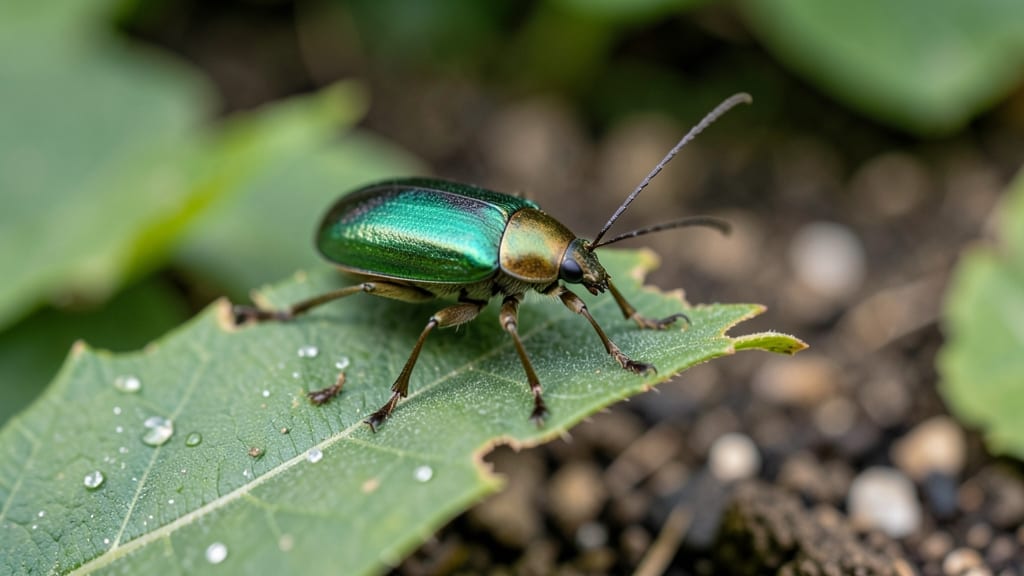
Leaf cutter beetle damage turns your garden into a lace doily overnight—those telltale notched leaves and sawdust-like frass are a dead giveaway. 🌿 I’ve watched these pests strip entire rose bushes in under 48 hours, and neem oil isn’t just a fix—it’s the game-changer that stops them without harming bees or ladybugs.
The key is timing: spray when adults are active (late afternoon on warm days) and repeat every 5–7 days until new growth appears.
These beetles target tender new growth, so pruning regularly removes their buffet. I’ve also had success with companion planting—marigolds and basil seem to confuse them, giving your prized plants a fighting chance.
The damage might look devastating, but the larvae (which do the real harm) are actually easier to spot: look for white, worm-like grubs tunneling through stems.
Within a week of consistent neem applications, you’ll see fresh leaves unfurling without the telltale half-moon notches. The secret’s in the sticky residue—it disrupts their feeding cycle while being safe enough for edible gardens.
Just avoid spraying when flowers are open (bees will avoid it), and always apply on calm days so the oil doesn’t drift.
Long-term, healthy soil and diverse plantings make your garden less appealing. I’ve noticed my roses bounce back faster when I add compost tea in spring—the stronger the plant, the less the beetles bother it. Think of neem as the band-aid, but mulch and pruning are your real defense.
Root Causes Of Leaf Destruction
Leaf cutter beetles—specifically the Monochamus and Typocerus genera—don’t just nibble on foliage; they systematically carve, chew, and skeletonize leaves, leaving behind a jagged, lace-like mess. Understanding why these beetles target your plants is the first step to stopping them.
Below, we break down the key triggers that turn your garden into an all-you-can-eat buffet for these pests.
Leaf cutter beetles aren’t picky—they’re opportunistic feeders that zero in on plants with soft, tender, or nutrient-rich leaves. Here’s what makes your garden a magnet:
- Young, new growth: Beetles prefer sapling leaves (like those on newly planted trees or shrubs) because they’re less fibrous and easier to chew.
- Deciduous trees: Species like oak, willow, birch, and fruit trees (apple, cherry, peach) are high-protein targets for adult beetles.
- Stressed or weakened plants: Drought, poor soil, or disease compounds the problem—stressed trees produce more sugars in their leaves, making them taste sweeter to beetles.
- Evergreens in transition: While mature pine or spruce needles are tough, new spring growth on conifers can still get attacked.
💡 Pro Tip: If your favorite shade tree (like a maple or hickory) is getting hit, consider pruning damaged branches in late winter—this removes egg-laying sites before the beetles emerge.
Beetle activity isn’t random—it follows a predictable seasonal pattern tied to their life stages. Here’s how timing plays a role:
| Life Stage | When It Happens | Damage Trigger |
|---|---|---|
| Adult Emergence | Late spring to early summer (May–July) | Adults chew leaves to feed before mating. Peak damage occurs when they’re most active (morning/evening). |
| Egg Laying | June–August | Females score slits in bark to deposit eggs. Larvae (borers) later kill branches by tunneling. |
| Larval Stage | Fall to next spring (1–2 years) | While larvae don’t eat leaves, their frass (sawdust-like droppings) clogs bark, stressing trees and making them more vulnerable to adult feeding the following year. |
⏰ Key Insight: The worst damage happens in late spring when adults emerge hungry after overwintering. This is why early intervention (like neem oil sprays) is critical.
Your yard’s layout and maintenance habits can accelerate beetle infestations. Here’s how:
- Overcrowded trees: Poor air circulation in dense foliage traps heat and humidity—ideal conditions for beetle activity.
- Mulch piles or wood debris: Beetles overwinter in bark, logs, or stumps. Leaving untreated firewood or pruned branches near trees gives them a head start.
- Lack of natural predators: Birds, parasitic wasps, and ladybugs control beetle populations. Pesticide overuse (even broad-spectrum sprays) can eliminate these allies.
- Water stress: Underwatered or overwatered trees produce weaker leaves, making them easier targets.
🌡️ Actionable Fix: Thin out dense branches to improve airflow and remove all wood debris within 10 feet of trees. This reduces hiding spots and exposes beetles to predators.
Now that you know why these beetles strike, the next step is how to stop them. Stay tuned for our deep dive into neem oil sprays and other organic, effective solutions to reclaim your garden!
Quick Fixes for Leaf Cutter Beetle Havoc
If your plants are looking like a salad bar for leaf cutter beetles, don’t panic—there are practical ways to reclaim your greenery! The key is to act fast and combine immediate fixes with long-term prevention.
Below, we’ll break down solutions by cause, so you can tackle the problem head-on without losing your sanity (or your plants).
---
Leaf cutter beetles start as larvae, and they’re sneaky little chewers. Before they turn your garden into confetti, inspect and remove the damage.
- 🍳 Handpick larvae: Check the undersides of leaves, especially young, tender ones. Larvae look like tiny, pale, worm-like creatures.
Drop them into soapy water to kill them instantly. - 👨🍳 Prune damaged foliage: Snip off heavily chewed leaves and dispose of them in a sealed trash bag (not compost!).
This stops the beetles from laying more eggs nearby. - 🥘 Check soil and mulch: Larvae often pupate in moist, shaded soil. Rake through mulch or loose soil to uncover and destroy any hidden pupae.
Pro Tip: 💡 Do this in the early morning or evening when beetles are less active—you’ll catch more of them off-guard!
---
Neem oil isn’t just a buzzword—it’s a powerhouse against leaf cutter beetles. But it’s not the only game in town. Here’s how to use it (and other sprays) effectively:
| Solution | How to Apply | Frequency | |-----------------------|----------------------------------------------------------------------------------|-----------------------------| | Neem Oil Spray | Mix 1 tbsp neem oil + 1 tsp mild soap + 1 quart water.
Spray top and bottom of leaves. | Every 5–7 days until beetles vanish. | | Insecticidal Soap | Spray a homemade mix (2 tbsp soap + 1 quart water) directly on beetles. | Reapply after rain or every 3–4 days. | | Kaolin Clay | Mix 1 cup kaolin clay + 1 gallon water.
Spray to create a protective film that repels beetles. | Every 7–10 days or after rain. | | Pyrethrin Spray | Use a commercial pyrethrin-based spray (derived from chrysanthemums) for tough infestations. | Follow label instructions. |
Pro Tip: 🌡️ Timing matters! Spray in the early morning or late evening to avoid harming beneficial insects like bees.
---
Once you’ve kicked the beetles out, lock them out for good with these strategies:
- 🔪 Install Row Covers: Use fine mesh netting over young plants to block adult beetles from laying eggs. Secure edges tightly! - 🌱 Choose Resistant Plants: Some plants (like rosemary, lavender, or marigolds) repel leaf cutters naturally.
Plant them as border guards around vulnerable greens. - ⏰ Rotate Plantings: Beetles target the same crops repeatedly. Switch up your garden layout yearly to confuse them. - 🎯 Encourage Predators: Ladybugs, lacewings, and birds love munching on leaf cutter beetles.
Plant dill, fennel, or yarrow to attract them.
Pro Tip: ✨ Diatomaceous earth (food-grade) can be sprinkled lightly around plant bases—it’s a natural abrasive that dries out beetle larvae. Just reapply after watering!
--- If your garden is overrun and DIY methods aren’t working, it’s time to escalate: - 🐜 Contact a local pest control service for severe infestations. - 📞 Check with your cooperative extension office—they often provide free or low-cost pest management advice. - 🌱 Consider organic pesticides like Bacillus thuringiensis (Bt) if other methods fail (safe for most plants but check labels).
--- Final Thought: Leaf cutter beetles are persistent, but with consistent action, you can reclaim your garden in no time. Start with removal + sprays, then fortify your defenses—your plants will thank you! 🌿💚
Frequently asked questions
How can I tell if my plants have leaf cutter beetle damage?
Look for jagged, half-moon notches along leaf edges and tiny sawdust-like frass (droppings) on leaves or soil below. The beetles often leave a lace-like pattern on foliage, especially on new growth. Check both leaf surfaces and the undersides of leaves where larvae hide.
What plants are most vulnerable to leaf cutter beetles?
These pests target deciduous trees like oak, willow, birch, and fruit trees (apple, cherry). They also attack new growth on shrubs and even some vegetables. Evergreens are less common targets, but new spring needles can still be damaged. The key is tender, nutrient-rich leaves.
Will neem oil really stop leaf cutter beetles?
Yes! Neem oil disrupts their feeding cycle and is safe for most plants. Mix 1 tbsp neem oil + 1 tsp mild soap + 1 quart water and spray on top/bottom of leaves every 5–7 days. Apply in early morning/evening to avoid harming bees. The sticky residue makes leaves unappealing to beetles.
Can I use chemical pesticides for leaf cutter beetles?
Chemical options like pyrethrin-based sprays work but can harm beneficial insects. For severe infestations, try Bacillus thuringiensis (Bt) first—it targets beetles specifically. Always follow label instructions and consider organic methods first to protect your garden's ecosystem.
How do I prevent leaf cutter beetles next season?
Start with pruning damaged branches in late winter to remove egg-laying sites. Remove wood debris and mulch piles within 10 feet of trees. Plant repellent companions like marigolds or rosemary nearby, and encourage natural predators (birds, ladybugs) by adding dill or yarrow to your garden.