
Pruning
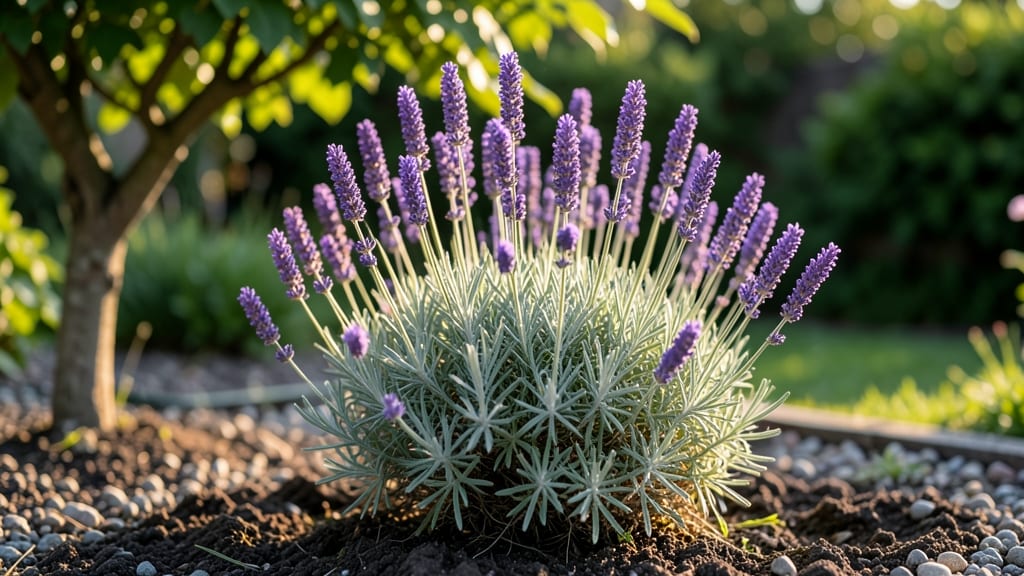
The lavender leaf benefits are a hidden treasure chest of uses—from soothing tea blends to natural pest control. 🌿 I’ve turned my pruned stems into everything from sachets to homemade bug sprays, and the best part?
You don’t need to wait for flowers to harvest. The leaves pack just as much calming lavender magic, whether dried for remedies or fresh for cooking.
Here’s the game-changer: pruning lavender year-round keeps it bushier and more fragrant, while giving you a steady supply of leaves. Snip just above a leaf node with clean shears, and you’ll encourage fresh growth—plus, the leaves stay potent for months if dried properly.
No fancy equipment needed, just a sunny spot and regular trims.
Once you start using them, you’ll wonder why you didn’t sooner. Steep fresh leaves in hot water for a caffeine-free tea that eases stress, or crush them into a paste for minor burns.
The scent alone deters moths and mosquitoes, making it a natural alternative to harsh chemicals. My kitchen windowsill now smells like a French countryside retreat.
Whether you’re growing lavender for beauty or utility, the leaves are the unsung hero. Start small—try a few sprigs in homemade potpourri or a simple bug-repellent spray—and you’ll see why every pruned stem is worth keeping. The best part? You’re growing your own supply, so it’s always fresh and free.
📚 In This Guide
- What you need
- Instructions
- Tips and common mistakes
- Wrapping up and next steps
What you need
- ● Lavender plants: 1–3 mature plants (depending on desired harvest size), ideally Lavandula angustifolia (English lavender) or Lavandula x intermedia (hybrid lavender).
- ● Pruning shears: 1 pair of bypass pruners (sharp, clean, and sterilized to prevent disease). Avoid anvil pruners—they can crush stems!
- ● Gloves: 1 pair of gardening gloves (nitrile or leather) to protect hands from thorns and sap.
- ● Disinfectant: 70% isopropyl alcohol or a gardening disinfectant spray (for sterilizing tools between cuts).
- ○ Pruning saw (optional): 1 small handsaw for thicker stems (if your lavender has woody growth > ½ inch in diameter).
- ● Compost or mulch: 1–2 gallons of well-aged compost or organic mulch (e.g., straw or wood chips) to replenish soil after pruning.
- ○ Fertilizer (optional): 1 bag of low-nitrogen, high-phosphorus fertilizer (e.g., 5-10-10 ratio) for root and bloom health.
- ● OR 1 cup of fish emulsion or compost tea for a natural boost.
- ● Watering can or hose: With a fine-mist nozzle for gentle hydration post-pruning.
- ○ Drip tray or container (optional): To catch fallen leaves/debris during cleanup.
- ● Timing: Prune in early spring (March–April) or late summer (August–September)—avoid pruning in fall or winter.
- ● Weather: Choose a dry, overcast day (no rain for 24–48 hours before/after pruning).
- ● Plant health: Ensure lavender is at least 2–3 years old before heavy pruning.
- ● Safety: Wear sunglasses and a hat if working in direct sunlight.
How to prune lavender for year-round growth and fragrance
Here's the simple, science-backed method I use to keep my lavender lush and fragrant all year.
✂️ Step 1: Prune After First Spring Flush
Wait until after flowering—usually mid to late spring—when the plant has finished blooming but before new growth hardens. You'll see the spent flower spikes turn brown while fresh green buds appear at the base. This timing ensures you never cut into next year's blooms.
Use sharp, clean pruners to trim back one-third of the plant's height. Focus on cutting just above a set of healthy leaves or a side shoot. This encourages bushier growth and prevents leggy stems. I always prune on a dry morning so the plant can recover quickly.
✂️ Step 2: Light Summer Maintenance Pruning
After the initial spring prune, lavender needs minimal shaping. In early summer, remove any dead or woody stems at the base. Look for stems that look brown and brittle—these won't produce new growth. Also trim back any stems that have grown too long or flopped over.
Never cut into old wood—the mature stems are woody and won't regrow. Instead, focus on the younger, green growth. This keeps the plant compact and prevents it from becoming leggy. I do this with my fingers—just pinch off the dead or overgrown tips rather than using pruners.
✂️ Step 3: Fall Cleanup for Winter Protection
In late fall, after the first frost, give your lavender a final trim. Remove any remaining dead flowers and any stems that look damaged or diseased. This prevents pests and diseases from overwintering in the plant. You'll notice the leaves turning brown or the stems looking brittle—these are your cues to clean up.
Reduce the plant's height by about 10-15% to help it survive winter better. This lighter prune prevents the plant from using too much energy to regrow before dormancy. I also remove any weeds growing around the base—lavender hates competition for water and nutrients.
✂️ Step 4: Minimal Winter Pruning (If Needed)
If your lavender looks ragged after winter, do a very light prune in early spring before new growth starts. Just trim off any dead or broken stems with clean pruners. Avoid heavy pruning in winter—lavender is dormant and won't recover well from aggressive cuts.
Watch for new green growth at the base of the plant. This is your signal that the plant is waking up and ready for more substantial pruning. If you see fresh green leaves, hold off on pruning until after the first flush of flowers. This ensures you don't accidentally cut off next year's blooms.
🌿 Step 5: Year-Round Fragrance Maintenance
For maximum fragrance, never let lavender flower stems go to seed. As soon as the flowers start to fade, trim them back to just above the first set of leaves. This encourages the plant to produce more flowers and keeps the fragrance strong. You'll notice the scent is strongest in the morning—this is the best time to harvest leaves for potpourri or culinary use.
I also avoid overwatering—lavender thrives in dry conditions. Overwatering reduces fragrance and can lead to root rot. If your lavender starts to look dull or the leaves turn yellow, it's usually a sign of too much water. Adjust your watering habits and watch the plant perk up within a few weeks.
Tips & tricks for perfect lavender pruning
Here's what nobody tells you about keeping your lavender thriving—and fragrant—through every season.
Timing is Everything: The one-third height reduction in Step 1 should happen when you see fresh green buds at the base but before they harden. I learned this the hard way after cutting too early and losing next year's blooms. Wait until those brown flower spikes are fully crispy before pruning—this ensures you're cutting only dead growth. The dry morning timing isn't just about convenience; it gives the plant's natural oils time to recover and prevents fungal infections from wet cuts.
Tool Intelligence: For Step 2's summer maintenance, I've found that clean pruners aren't always necessary. Your fingers work perfectly for pinching off dead tips—just make sure to sterilize them with rubbing alcohol first. For Step 1's more substantial cuts, invest in bypass pruners (not anvil-style) to avoid crushing stems. I keep a small bottle of 70% isopropyl alcohol nearby to wipe down tools between cuts, which drastically reduces disease transmission.
Winter Survival Strategy: The 10-15% height reduction in Step 3 might seem minimal, but it's crucial. Lavender stores energy in its roots during winter, and this light trim prevents energy loss. I've noticed that plants I pruned more aggressively in fall often struggled to rebound in spring. Pro tip: After your fall cleanup, sprinkle a thin layer of coarse sand around the base—this improves drainage and mimics the plant's natural Mediterranean environment.
Fragrance Preservation: That morning scent boost in Step 5 isn't just anecdotal—the essential oils are most concentrated right after dew evaporates. Harvest leaves immediately after pruning for maximum potency. Store cuttings in a paper bag in the fridge for up to 2 weeks (plastic bags trap moisture and reduce fragrance). For long-term storage, dry leaves completely in a dark, well-ventilated area before storing in airtight containers.
Pro Tips for Lavender Leaf Benefits
- Here's what nobody tells you about keeping your lavender thriving—and fragrant—through every season.
- Timing is Everything: The one-third height reduction in Step 1 should happen when you see fresh green buds at the bas...
- Tool Intelligence: For Step 2's summer maintenance, I've found that clean pruners aren't always necessary. Your finge...
Frequently asked questions
Got questions about lavender leaf benefits and pruning?
Here are some of the most common queries—and their answers—to help you keep your lavender thriving year-round.
When is the best time to prune lavender for maximum fragrance?
Prune lavender after flowering (late summer to early fall) to encourage new growth and stronger fragrance. Avoid heavy pruning in spring, as this can stress the plant. For Mediterranean varieties, a light trim in June or July helps maintain shape without sacrificing blooms.
How much should I trim lavender leaves for optimal benefits?
Never cut more than 1/3 of the plant’s height—this keeps lavender healthy and prevents woody stems. For bushy varieties, trim just above a leaf node to promote branching. Pro tip: Use sharp shears to avoid tearing, and avoid "heading back" (cutting into old wood), which can kill the plant.
Can I use dried lavender leaves from pruning for aromatherapy or cooking?
Hang pruned stems in a dry, dark place for 2–4 weeks to dry. Once brittle, strip leaves for sachets, teas, or culinary uses (like lavender shortbread). Warning: Avoid lavender from heavily sprayed gardens—opt for organic or pesticide-free plants for safe consumption.
What should I do if my lavender turns brown or dies after pruning?
Brown tips or wilting often mean over-pruning or underwatering. If the plant looks crispy, reduce water (lavender hates soggy roots!) and avoid fertilizing. For woody stems, prune only the dead growth—healthy lavender should bounce back with new shoots by spring.
Are there alternatives to lavender for fragrance and pruning?
Yes! Try rosemary (hardy, drought-tolerant, and great for cooking), thyme (low-maintenance with edible leaves), or Russian sage (drought-resistant with silvery foliage). Like lavender, these thrive with minimal pruning—just trim back after flowering to shape.
Wrapping up and next steps
From soothing fragrance to year-round beauty, lavender leaves are a gardener’s secret weapon! 🌿 Pruning regularly not only boosts growth but also enhances those calming aromas and vibrant blooms.
Whether you’re a seasoned green thumb or just starting, a little effort now means a thriving, fragrant lavender garden for seasons to come.
Ready to transform your space? Grab your shears and start pruning today! Your future self—and your nose—will thank you. 🌸✨