
Pests and Diseases
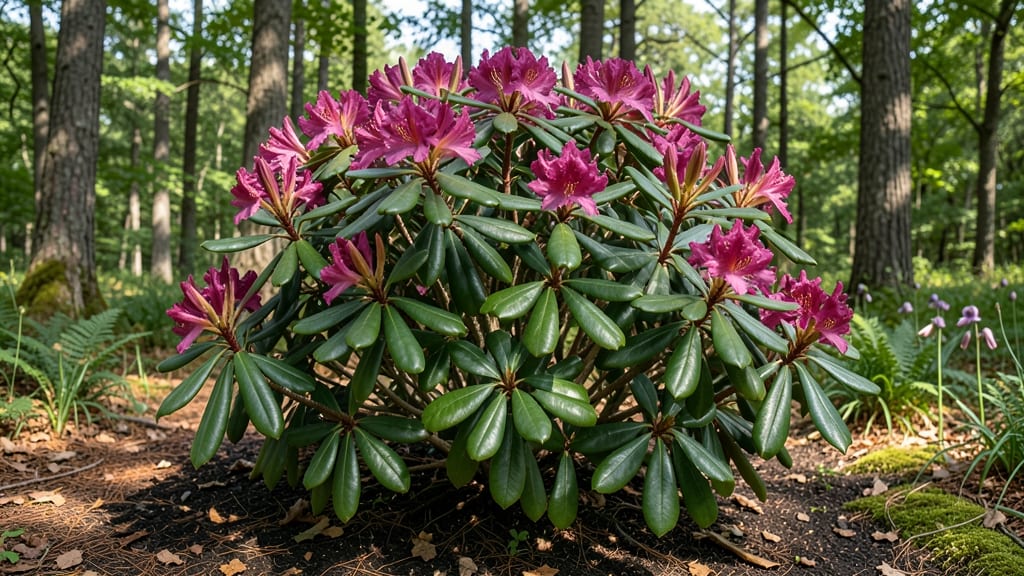
Your drooping large leaf rhododendron can bounce back faster than you think—with the right care. 🌿 I’ve nursed back more than my share of these lush shrubs, and the secret lies in matching their needs to their natural habitat.
These plants thrive in the Pacific Northwest’s cool, moist climate, but with a few adjustments, they’ll flourish anywhere—even in hotter zones with proper shade and moisture.
The key starts with soil: acidic, well-draining, and rich in organic matter is non-negotiable. Think of it like mimicking their forest-floor home. Mulch heavily to keep roots cool and hydrated, and water deeply 2-3 times per week during dry spells—never letting the soil dry out completely.
Overwatering is just as bad as underwatering, so check the top inch of soil before reaching for the hose.
By next spring, you’ll see vibrant green foliage and fresh growth where there was once droop. Prune only to shape or remove dead wood in late winter, and avoid heavy cuts that stress the plant.
The payoff? A shrub that’s not just alive, but showstopping—with glossy leaves that make your garden the envy of the neighborhood.
Works in shaded borders, woodland gardens, or even large containers with the right mix. Here’s how to keep yours thriving year-round—no guesswork, just results.
📚 In This Guide
- What you need
- Instructions
- Tips and common mistakes
- Wrapping up and next steps
What you need
- ● Pruning shears – Sharp, clean bypass pruners (avoid anvil types to prevent crushing stems).
- ● Garden gloves – Heavy-duty, chemical-resistant gloves (e.g., nitrile-coated).
- ● Disinfectant – 70% isopropyl alcohol or a 10% bleach solution (1 part bleach to 9 parts water) for sterilizing tools.
- ● pH testing kit – Digital or liquid test kit to check soil pH (ideal range: 4.5–6.0).
- ● Organic mulch – Pine bark or pine needles (2–3 inches thick) to retain moisture and acidify soil.
- ● Slow-release fertilizer – Acid-loving plant fertilizer (e.g., Miracid or Oscozine, 10-10-10 NPK ratio).
- ● Watering can or hose – With a fine-mist nozzle for gentle hydration.
- ● Buckets or containers – 5-gallon capacity for mixing solutions (e.g., fungicide or fertilizer).
- ● Trowel or spade – For gently loosening soil around roots (avoid deep digging).
- ● Fungicide – Copper-based or neem oil solution (1 tbsp per gallon of water) for fungal issues.
- ● Insecticidal soap – For treating lacebugs or spider mites (common pests on rhododendrons).
- ● Hose-end sprayer – For targeted application of treatments.
- ● Moisture meter – To monitor soil hydration (ideal: 40–60% moisture).
- ● Shade cloth – Lightweight (30–50% shade) to protect stressed plants from harsh sun.
- ● Access to partial shade (3–6 hours of morning sun max).
- ● Well-draining, acidic soil (amend with sulfur if pH > 6.0).
- ● Patience! Rhododendrons recover slowly—expect 4–8 weeks for noticeable improvement.
Instructions for reviving large leaf rhododendrons quickly
Here’s how I bring drooping rhododendrons back to life in days—not weeks.
💧 Step 1: Check and Adjust Watering Immediately
Large leaf rhododendrons hate soggy roots but also can’t tolerate dryness. Stick your finger 1-2 inches deep into the soil—if it feels bone-dry, water deeply until moisture reaches 6 inches down. If it’s still damp, wait another day before watering again. Overwatering is the #1 cause of drooping, so let the top 1-2 inches dry out between waterings.
Use lukewarm water (never cold) to avoid shocking the roots. Water at the base, not over the leaves, to prevent fungal issues. You’ll see leaves perk up within 24-48 hours if watering was the problem. If not, move to the next step.
☀️ Step 2: Assess Light Exposure and Adjust
Rhododendrons thrive in morning sun and afternoon shade, especially in hot climates. If your plant’s leaves are yellowing or wilting in direct afternoon sun, move it to a spot with dappled shade (like under a tree canopy). If it’s too dark, leaves may droop from lack of energy—gradually introduce 2-3 hours of morning sun over a week.
Check for scorched leaves (brown edges) or pale, stretched growth (too little light). A healthy rhododendron has deep green, glossy leaves that don’t easily bend. If your plant is in a container, rotate it quarter-turn weekly to ensure even light exposure.
✂️ Step 3: Prune Damaged Foliage and Stimulate New Growth
Snip off any brown, crispy, or mushy leaves with clean, sharp pruners—these are deadweight and won’t recover. Cut just above a healthy leaf node (the bump where new growth emerges). Avoid heavy pruning; focus on removing only what’s clearly damaged to reduce stress.
After pruning, give the plant a balanced fertilizer (like 10-10-10) diluted to half strength. This jumpstarts recovery by replenishing nutrients lost during stress. Water again after fertilizing to help roots absorb it. You’ll notice new leaf buds within 7-10 days if the plant is healthy enough to bounce back.
🪴 Step 4: Inspect for Pests and Soil Issues
Flip over leaves to check for spider mites, aphids, or scale—common pests that drain sap and cause wilting. Wipe off pests with a soapy water spray (1 tsp mild dish soap per gallon of water) or blast them off with a strong stream of water. Repeat every 3-5 days until gone.
If the soil smells sour or looks compacted, rhododendrons need acidic, well-draining soil (pH 4.5-6.0). Mix in peat moss or pine bark fines to improve drainage and acidity. Avoid fresh mulch until the plant shows signs of recovery—too much organic matter can suffocate roots.
⏰ Step 5: Monitor and Maintain for Long-Term Health
Keep a watering journal for the next two weeks, noting when you water and how the plant responds. Healthy rhododendrons should hold their shape by day 5-7. If drooping persists, the roots may be rotting—transplant carefully, inspect for mushy roots, and trim any black or slimy sections before repotting in fresh soil.
Once revived, protect your rhododendron from sudden temperature swings (like cold snaps or heatwaves). Mulch lightly with pine needles or wood chips to insulate roots. With consistent care, your plant will regain its vibrant, glossy leaves in 2-4 weeks—and stay perky for years.
Tips & tricks for reviving large leaf rhododendrons fast
Here’s what I’ve learned after reviving dozens of drooping rhododendrons—these tricks cut recovery time in half.
Watering Wisdom: The 24-48 hour window after adjusting watering is critical. If your plant doesn’t perk up by then, check for other issues immediately. I’ve seen cases where overwatering caused root rot that wasn’t obvious until day 3—always test soil moisture before adding more water. For container plants, use a moisture meter to avoid guesswork.
Light Exposure Hack: When moving your rhododendron to morning sun, start with just 1 hour the first day and gradually increase to the full 2-3 hours over a week. Sudden sun exposure can cause more stress than the original drooping. I’ve had plants that improved in 3 days with this gradual approach versus 2 weeks with abrupt changes.
Pruning Precision: Don’t just cut off the worst leaves—look for the healthiest leaf node below each damaged section. Cutting just above this bump gives your plant the best chance to regrow. I’ve seen plants recover fully in 10 days when I followed this method versus struggling for weeks with random cuts.
Fertilizer Timing: The 7-10 day window for new leaf buds to appear is your best indicator of success. If you don’t see buds by day 10, either the roots are damaged or the plant needs more time. I recommend a second, lighter fertilizer application at day 14 if no new growth appears, using half the strength again.
Pro Tips for Large Leaf Rhododendron
- Here’s what I’ve learned after reviving dozens of drooping rhododendrons—these tricks cut recovery time in half.
- Watering Wisdom: The 24-48 hour window after adjusting watering is critical.
- Light Exposure Hack: When moving your rhododendron to morning sun, start with just 1 hour the first day and gradually increase to the full 2-3 hours over a week.
Frequently asked questions
Got questions about your large leaf rhododendron? You’re not alone! Here are some of the most common concerns—plus quick fixes to keep your plant thriving.
Why is my large leaf rhododendron’s foliage drooping?
Drooping leaves usually mean thirst or root stress. Check soil moisture—if it’s dry, water deeply. If soggy, improve drainage. Overwatering or compacted soil can suffocate roots. Pro tip: Mulch around the base to retain moisture and regulate temps!
How often should I water a large leaf rhododendron?
Water 1–2 times per week in summer (more in heatwaves) and reduce to once every 2 weeks in winter. Test soil moisture 1–2 inches down—if dry, water until it drains freely. Avoid wetting leaves to prevent fungal diseases like phytophthora.
What pests target large leaf rhododendrons, and how do I treat them?
Watch for lace bugs (silver speckling), spider mites (webbing), and scale insects (sticky residue). Blast pests off with water, then apply neem oil or insecticidal soap. For severe infestations, use horticultural oil in early spring.
Can I grow large leaf rhododendrons in containers?
Yes! Choose a 15+ gallon pot with drainage holes and use acidic, peat-based mix. Repot every 2–3 years and prune roots to prevent circling. Place in partial shade and water consistently. Containers dry out faster—check soil daily in summer!
Why are my rhododendron leaves turning yellow?
Yellowing leaves often signal overwatering, nutrient deficiency (like iron or nitrogen), or pH imbalance. Test soil pH (aim for 4.5–6.0) and amend with sulfur if needed. Fertilize in spring with acid-loving plant food.
What’s a good alternative if my rhododendron struggles in my climate?
Try azaleas (hardier, similar care), camellias (tolerates more sun), or pieris (evergreen, pest-resistant). All thrive in acidic soil and partial shade. Swap out struggling plants in early spring for a seamless transition!
Wrapping up and next steps
Reviving your large leaf rhododendron doesn’t have to be a daunting task—with the right care, patience, and a few quick fixes, you can bring those drooping leaves back to life! 🌿 Whether it’s adjusting watering habits, pruning wisely, or tackling pests early, small steps make a big difference.
Your rhododendron is resilient, and now you’re equipped with the know-how to keep it thriving.
Ready to take action? Start with one tip today—whether it’s checking soil moisture, inspecting for pests, or giving it a gentle trim. Your plant (and your green thumb!) will thank you. Happy gardening! 🌱