
Planting
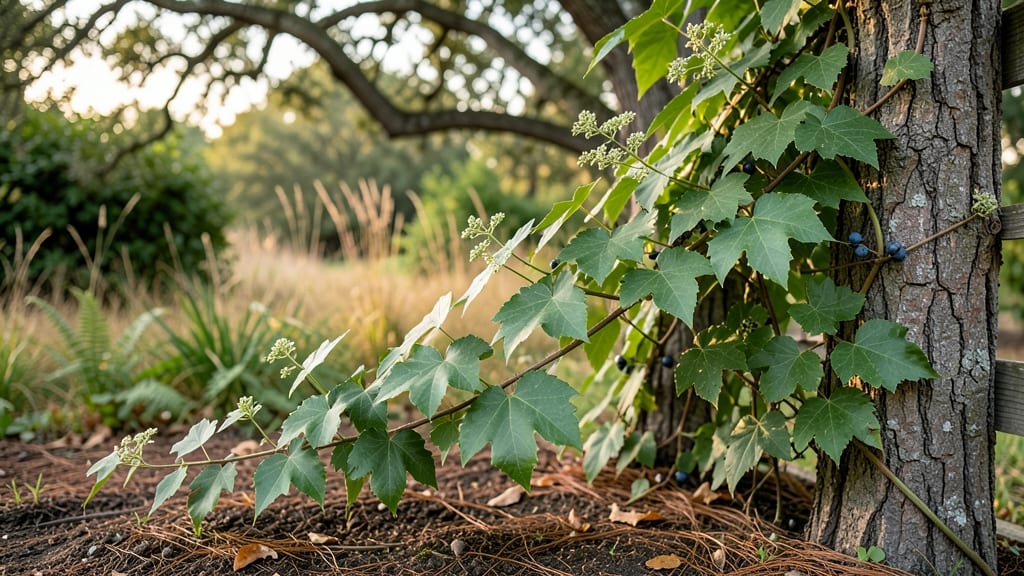
That first glimpse of a mysterious vine climbing your trellis—now you can name it in minutes. 🌿 I’ve spent years untangling leaf-shaped mysteries, and this guide cuts straight to the traits that reveal a plant’s identity faster than any app.
No more guessing whether that leaf belongs to clematis or wisteria. Start with three quick checks: leaf shape (lobed, serrated, or smooth?), texture (rough or silky?), and arrangement (opposite or alternate?). A lobed leaf with three points? Likely Virginia creeper.
Smooth-edged with pointed tips? Probably honeysuckle. These details narrow it down before you even check the flowers. By the end, you’ll recognize common climbers at a glance—no field guide needed.
The key is spotting those subtle differences that make all the difference, like the fuzzy undersides of passionflower or the jagged edges of Boston ivy. This works for backyard vines, porch trellises, or even wild climbers. Let’s decode those leaves together—no botanist degree required.
How Leaf Traits Evolve Naturally
Climbing plants have developed a stunning variety of leaf shapes over time—not just for aesthetics, but as survival strategies. Understanding why these variations exist helps you spot key traits when identifying climbing plants by leaf. Here’s why nature sculpts leaves the way it does:
One of the biggest drivers of leaf shape is sunlight exposure. Climbing plants often grow in shaded understories or compete for light in dense canopies. Their leaves adapt in two key ways:
- Large, broad leaves (e.g., Parthenocissus or Virginia Creeper) maximize photosynthesis when light is scarce. These leaves act like solar panels, capturing every photon possible.
- Thin or lobed edges (e.g., Clematis) reduce self-shading—sunlight penetrates gaps between leaf lobes, ensuring even light distribution across the plant.
Pro tip:🔍 If a climbing plant has deeply divided or palmate leaves, it’s likely evolved in low-light conditions where efficiency trumps size.
Water availability and humidity drastically shape leaf morphology. Climbing plants in arid regions or tropical climates develop distinct traits:
| Condition | Leaf Adaptation | Example Plants |
|---|---|---|
| Drought-prone areas | Small, leathery, or rolled leaves (reduce water loss) | Bougainvillea, Passiflora caerulea |
| Humid climates | Large, thin, or waxy leaves (retain moisture) | Wisteria, Mandevilla |
| Wind exposure | Tough, flexible, or compound leaves (prevent damage) | Pyracantha, Actinidia (kiwi vine) |
Pro tip:🌡️ If leaves feel thick and waxy, the plant is likely from a high-humidity environment. Pinnate or feather-like leaves often indicate wind resistance.
Climbing plants can’t run from predators, so they’ve evolved leaf shapes that deter munching insects or grazing animals:
- Spiny or prickly edges (e.g., Smilax or Rubus) make leaves harder to chew, acting as a physical barrier.
- Toxic compounds paired with unusual shapes (e.g., Aristolochia’s lobed, leathery leaves) signal danger to herbivores.
- Compound leaves (e.g., Hedera helix, Ivy) confuse insects, as they may avoid complex structures.
Pro tip:✨ If a leaf has sharp teeth or thorns, it’s a defense mechanism. Avoid touching—some (like Aristolochia) can cause skin irritation!
How a plant climbs—whether by tendrils, twining, or adhesive pads—dictates leaf shape and arrangement:
- Tendril-bearing plants (e.g., Passiflora) often have smaller leaves to reduce weight, aiding in rapid vertical growth.
- Twining vines (e.g., Wisteria) develop large, flat leaves to maximize light capture while spiraling upward.
- Adhesive climbers (e.g., Epipremnum aureum, Pothos) may have heart-shaped or elongated leaves to balance growth with grip efficiency.
Pro tip:🔥 Look for tendrils at leaf axils—this is a dead giveaway for plants like Gloriosa superba (climbing lily) or Cucurbita vines.
Next time you’re identifying climbing plants by leaf, remember: nature didn’t randomize these shapes. Every serration, lobe, and vein tells a story of survival, sunlight, and strategy.
Quick Fixes for Leafy Identification
Mastering the art of identifying climbing plants by their leaves doesn’t have to be a puzzle—just follow these practical steps to narrow down your search and avoid common pitfalls.
Whether you’re a gardening newbie or a seasoned plant enthusiast, these solutions will help you recognize climbing plants faster and with confidence.
If you’re struggling to match a leaf to a plant, create a visual comparison chart. Grab a notebook or use your phone to snap photos of the unknown leaf alongside known climbing plant leaves (like ivy, wisteria, or clematis).
Look for: - Edge patterns (lobed, serrated, smooth) - Venation (parallel veins, net-like, or prominent midribs) - Arrangement (opposite, alternate, or whorled)
Pro Tip: 💡 Use a leaf identification app like PlantNet or iNaturalist to upload a photo and get instant matches—great for tricky cases!
Climbing plants often have distinct leaf sizes and textures. Use a ruler or your fingers to estimate:
- Length/width ratio (e.g., long and narrow vs. broad and rounded)
- Thickness (thin and papery vs. thick and leathery)
- Surface texture (hairy, waxy, or smooth)
Example:
- Honeysuckle leaves are opposite, oval, and slightly hairy on the underside.
- Poison Ivy has three glossy leaflets with jagged edges.
Pro Tip: ✨ Rub the leaf gently—some plants (like Virginia creeper) have a slightly rough or sticky feel.
Not all leafy plants climb—look for clues that confirm it’s a vine:
- Tendrils (thin, coiled stems like grapes or passionflower)
- Aerial roots (like ivy or Boston ivy)
- Twining stems (spiral growth like morning glories)
If the plant lacks these, it might be a shrub or tree with climbing habits (e.g., trumpet vine).
Poor lighting can distort colors and textures. For the best results:
- Shoot in natural daylight (avoid shadows).
- Include a reference object (like a coin or ruler) for scale.
- Capture both sides of the leaf—undersides often reveal key details (e.g., fuzzy or scaly surfaces).
Pro Tip: 🌡️ Take a close-up of the leaf base—where it attaches to the stem can reveal growth patterns (e.g., petiole length or stipules).
Leaves alone won’t always tell the whole story.
Pair your findings with: - Flower or fruit presence (e.g., grapes have clusters, wisteria has pendulous blooms). - Seasonal changes (some vines shed leaves in winter, while evergreens like ivy stay green). - Smell or taste (🚨 Caution: Only do this with known non-toxic plants—e.g., minty basil vs. bitter poison hemlock).
Avoid guesswork with these habits:
- Bookmark a digital field guide (e.g., The New Sunset Western Garden Book) for quick lookups.
- Label new plants in your garden with tags (include leaf shape + climbing type).
- Join local gardening groups—experts often share regional plant ID tips.
- Start a plant journal—sketch or photograph additions to your garden for future reference.
If a plant’s leaves are unusual, toxic, or invasive (e.g., kudzu or English ivy), consult:
- A local nursery expert
- Extension office botanists (many offer free ID services)
- Reddit’s r/whatsthisplant community
By combining leaf analysis, growth habits, and tech tools, you’ll turn even the trickiest climbing plant ID into a breeze. Happy identifying! 🌿🔍
Frequently asked questions
What are the 3 most important leaf features to check first?
Start with leaf shape (lobed, serrated, or smooth), arrangement (opposite or alternate), and texture (rough, fuzzy, or waxy). These three traits narrow down possibilities faster than any other details. For example, lobed leaves with three points likely mean Virginia creeper, while smooth-edged leaves with pointed tips often belong to honeysuckle.
How do I tell the difference between poison ivy and Virginia creeper?
Poison ivy has three glossy leaflets with jagged edges and grows in clusters, while Virginia creeper features five leaflets (sometimes seven) with rounded lobes. Also check the stems: poison ivy has a smooth, hairless stem, while Virginia creeper's is rough and woody. Never touch either without gloves!
Can I use a smartphone app to identify climbing plants by leaf?
Apps like PlantNet or iNaturalist let you upload photos and get instant matches. For best results, include a reference object (like a coin) for scale and photograph both leaf sides. Apps work best when you combine leaf details with growth habits—like whether the plant has tendrils or twines.
Why do some climbing plants have compound leaves?
Compound leaves (like those on wisteria or grapevines) help reduce weight for rapid vertical growth. The smaller leaflets also create more surface area for photosynthesis while keeping the plant flexible enough to climb. Plus, they often deter pests by confusing insects that avoid complex structures.
What should I do if I can't identify a climbing plant by leaf?
Check for flowers, fruits, or climbing method (tendrils, twining, or aerial roots). If still stuck, consult a local nursery or extension office—they often have regional experts. For tricky cases, post photos to gardening forums like Reddit's r/whatsthisplant, including your location for better matches.