
Pests and Diseases
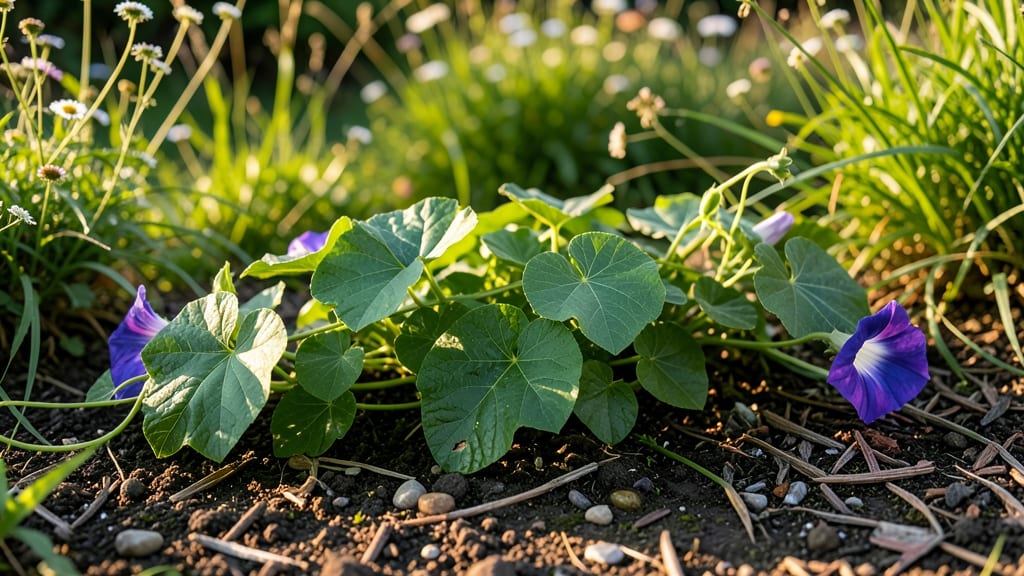
That heart-shaped morning glory leaf shape is the vine’s signature—🌿 but not all varieties deliver the same classic look. Ipomoea purpurea (common morning glory) sports smooth, glossy leaves with pointed lobes, while Ipomoea nil (Japanese morning glory) often shows deeper indentations and slightly fuzzy edges.
These subtle differences can help you identify your plants at a glance, even before the iconic trumpet-shaped flowers appear. The shape isn't just for show—it tells you about your plant's health. Look for crisp, evenly shaped leaves with no yellowing or curling.
If the edges start browning or the leaves pucker, it might mean too much direct sun or inconsistent watering. Compare it to sweet potato vine leaves, which are more rounded and lack the deep central notch that morning glories have.
Pruning isn't just about keeping vines in check—it's about encouraging that classic leaf shape. Pinch back leggy growth to promote bushier, more compact vines with fuller foliage.
When you see leaves developing unevenly or with irregular edges, it's often a sign to adjust your pruning approach or check your watering routine. This visual guide will help you spot the differences between species and keep your morning glories looking their best all season long.
The key is paying attention to those details—they're what make these vines so rewarding to grow.
📚 In This Guide
- What you need
- Instructions
- Tips and common mistakes
- Wrapping up and next steps
What you need
- ● Pruning shears: Bypass pruners (sharp, clean, and sterilized with rubbing alcohol to prevent disease). Quantity: 1 pair.
- ● Gloves: Heavy-duty gardening gloves (to protect against thorns and sap). Material: Nitrile or leather. Quantity: 1 pair.
- ● Disinfectant: 70% isopropyl alcohol or a commercial pruning sealant (like horticultural wax). Quantity: Small bottle (4 oz).
- ● Twine or soft ties: For securing vines to trellises or supports. Material: Jute or plastic-coated twine. Quantity: 1 roll (50 ft).
- ● Trellis or support structure: Sturdy frame (wood, metal, or PVC) for guiding vine growth. Height: 6–10 ft, depending on variety.
- ● Label tags: Waterproof plant markers (to track varieties if growing multiple types). Quantity: 5–10 tags.
- ● Hand pruners: For smaller cuts or hard-to-reach areas. Quantity: 1 pair.
- ● Loppers: For thicker stems (if dealing with mature vines). Quantity: 1 pair.
- ● Plant growth regulator: (e.g., Paclobutrazol) to control excessive growth. Quantity: Follow label instructions.
- ● Organic mulch: Straw or shredded leaves to retain moisture and suppress weeds. Quantity: 2–3 inches thick, spread around base.
- ● Camera or sketchbook: To document progress or plan your design! 📸✏️
How to prune morning glory for perfect heart-shaped leaves
Here's how I transform leggy morning glory vines into lush, classic heart-shaped displays—no fancy tools required.
🌿 Step 1: Identify the Classic Growth Pattern
Morning glories naturally grow in a zigzag pattern with leaves emerging in pairs at each node. The classic heart shape appears when the vine grows 6-12 inches between leaves and receives balanced sunlight from all sides. Look for vines with deep green, glossy leaves—these are your strongest candidates for pruning.
Run your fingers along the vine to feel the nodes (those little bumps where leaves attach). The ideal spacing between nodes is about 1 inch—this ensures each leaf gets enough energy to develop properly. If you see leaves growing too close together or spaced more than 2 inches apart, that's your cue to prune.
✂️ Step 2: Prune for Balance and Airflow
Use clean, sharp pruning shears (or even scissors) to make cuts just above a leaf node at a 45-degree angle. This encourages new growth from that point while keeping the vine strong. Start by removing any yellowed or damaged leaves—these sap energy from the plant and prevent the classic shape from forming.
Focus on thinning out crowded growth. If you see two leaves growing too close together, snip the weaker of the two. The goal is to leave one strong leaf per node, spaced evenly along the vine. Real talk: Don't overdo it—morning glories are resilient, but pruning more than one-third of the vine at once can stress the plant.
☀️ Step 3: Train Vines for Even Sun Exposure
Morning glories need full sun (6-8 hours daily) to develop their signature heart shape. If your vine is growing lopsided (all leaves facing one direction), gently weave it through a trellis or fence to encourage even growth. You'll see the leaves start to fill out more evenly within 3-5 days of proper training.
Rotate the trellis a quarter turn weekly so the vine doesn't lean toward the light. This ensures all sides of the plant get equal sunlight, which is key for those perfect heart-shaped leaves. If you notice leaves turning pale or yellow, the vine needs more direct light—move it to a sunnier spot immediately.
💧 Step 4: Maintain Moisture and Fertility
Morning glories thrive with consistent moisture—water deeply 2-3 times per week until the top 2 inches of soil feel damp. Underwatering causes leaves to curl or shrink, while overwatering leads to mushy stems and yellowing. The soil should feel like a slightly damp sponge—not soggy, not bone-dry.
Feed your vines with a balanced liquid fertilizer (10-10-10) every 4-6 weeks during the growing season. You'll notice the leaves darken and become glossier as the plant responds to the nutrients. Avoid heavy-handed fertilizing—too much nitrogen makes leaves grow fast but weak, ruining that classic shape.
⏰ Step 5: Prune for Continuous Blooms
To encourage long-lasting blooms, deadhead faded flowers by snipping the stem just above the next set of leaves. This redirects the plant's energy into producing more flowers and stronger leaves. I do this every 2-3 days during peak bloom season—it keeps the vine looking fresh and encourages that classic heart-shaped foliage.
If your morning glory starts to tangle or grow too long, prune the oldest growth back by one-third to stimulate new, healthier vines. You'll see new leaves emerging within 7-10 days, and the plant will fill out more densely. This is the secret to keeping your morning glory looking classic and vibrant all season long.
Tips & tricks for perfect morning glory leaf shape
Here's what I've learned after years of pruning morning glories to achieve that classic heart-shaped foliage.
Node Spacing is Everything: When you're checking for the 1-inch spacing between nodes in Step 1, don't just eyeball it—use your thumb as a guide. A healthy morning glory should have nodes spaced about the width of your thumb joint. This spacing ensures each leaf gets enough energy to develop that perfect heart shape. If you see leaves growing too close together, that's your first sign you need to prune.
Pruning Angle Matters: In Step 2, when making those 45-degree cuts just above a leaf node, here's the secret: make the cut slant downward toward the node. This prevents water from pooling on the cut surface, which can lead to rot. I've seen beginners make horizontal cuts that look clean but actually create weak points where the vine can split later. A proper angled cut promotes stronger regrowth.
Sunlight Rotation Trick: For Step 3's trellis rotation, set a reminder every week to turn your trellis a quarter turn. I use my phone's weekly reminder app with a note that says "Rotate Morning Glory Trellis." This consistent rotation prevents the vine from leaning toward the light, which is what causes those lopsided, misshapen leaves. You'll notice the leaves start filling out more evenly within just 3-5 days of proper training.
Watering Wisdom: When you're watering 2-3 times per week in Step 4, focus on deep watering rather than frequent shallow watering. Stick your finger about 2 inches into the soil—if it feels dry, that's when you water. I've found that morning glories actually prefer slightly drier conditions between waterings. Overwatering is the #1 reason I've seen these vines develop weak, yellowing leaves that ruin that classic shape.
Pro Tips for Morning Glory Leaf Shape
- Here's what I've learned after years of pruning morning glories to achieve that classic heart-shaped foliage.
- Node Spacing is Everything: When you're checking for the 1-inch spacing between nodes in Step 1, don't just eyeball it—use your thumb as a guide.
- Pruning Angle Matters: In Step 2, when making those 45-degree cuts just above a leaf node, here's the secret: make the cut slant downward toward the node.
Frequently asked questions
about the morning glory leaf shape—and how to prune for that iconic heart silhouette!Why does my morning glory vine have irregular leaf shapes instead of the classic heart?
The classic morning glory leaf shape (cordate) can be stunted or distorted by poor pruning, nutrient deficiencies (like nitrogen), or pests like spider mites. Check for yellowing leaves or chewed edges—these are red flags! Prune back to healthy growth points and fertilize with a balanced formula to encourage lush, symmetrical foliage.
When is the best time to prune morning glory vines for heart-shaped leaves?
Prune morning glory vines in early spring (just as new growth starts) or after flowering to shape leaves. Avoid heavy pruning in late summer—this can stress the plant and reduce blooms. Light trimming throughout the season keeps the vines manageable and promotes those signature heart-shaped leaves!
Can I prune morning glory leaves to encourage bigger, fuller hearts?
Yes! Pinch back the tip of new growth when vines are 6–12 inches long to stimulate bushier, wider leaves. Avoid over-pruning—leave at least 3–4 leaves per stem to maintain energy for growth. For morning glory leaf shape perfection, focus on selective trimming rather than aggressive cuts.
My morning glory leaves are curling or spotted—will pruning fix it?
Pruning alone won’t fix pest/disease damage (like aphids or powdery mildew), but it helps remove infected foliage to prevent spread. First, treat with neem oil or insecticidal soap, then prune affected areas. For morning glory leaf shape recovery, focus on healthy growth—remove only the worst spots and avoid over-trimming.
Are there morning glory varieties with naturally larger heart-shaped leaves?
Try Ipomoea purpurea (common morning glory) or Ipomoea tricolor for classic heart shapes. For giant leaves, opt for Ipomoea alba (moonflower)—its broad, glossy foliage is stunning. Always check your variety’s growth habits to match your pruning goals!
Wrapping up and next steps
The morning glory leaf shape is a stunning reminder of nature’s artistry—and with the right pruning techniques, you can keep your vines thriving and heart-shaped for years! Whether you’re trimming for aesthetics, health, or growth control, the key is patience, sharp tools, and a little love.
Now that you’re armed with the secrets, it’s time to roll up your sleeves and give your vines the care they deserve.
🌱 Ready to take action? Start by scheduling a quick inspection of your morning glories this weekend—prune with confidence, and watch your garden flourish! For extra inspiration, snap a photo of your progress and share it with fellow gardening enthusiasts. Happy pruning! 🌿