
Pests and Diseases
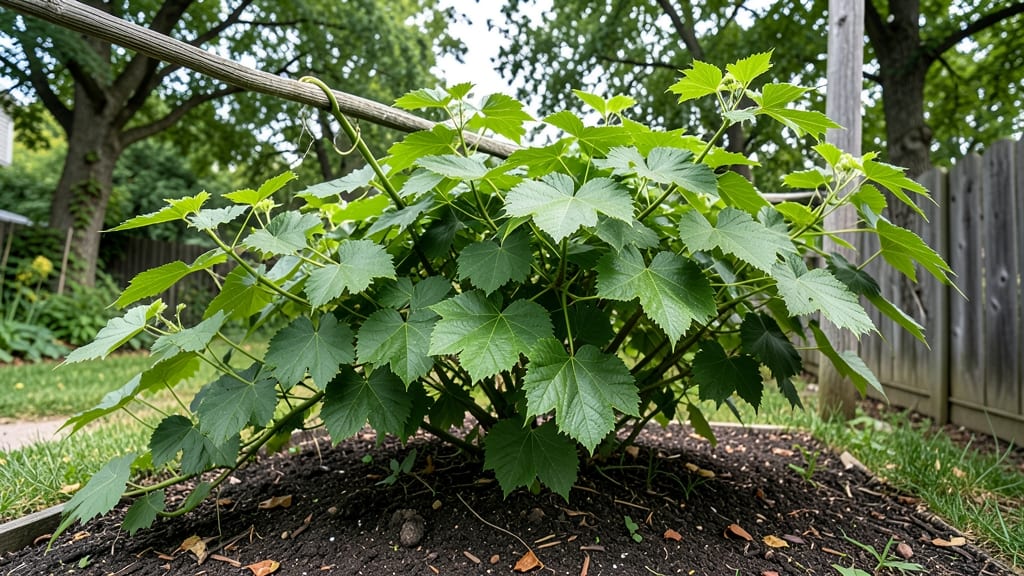
Identifying and pruning the humulus lupulus leaf is the first step to growing healthy hop vines—whether you're brewing your own beer or using them for medicinal tea. ✨ I’ve spent years perfecting the technique, and the difference between a tangled mess and a productive vine starts with proper leaf identification and pruning timing.
The key is recognizing the distinctive serrated edges and heart-shaped leaves of true hops, then pruning in early spring before new growth appears. Most gardeners overlook this step, but it’s what keeps your vines from becoming a jungle of tangled stems.
With the right approach, you’ll see stronger, more productive growth by midsummer. Once you master the pruning, you’ll harvest vibrant green leaves perfect for brewing or tea blends. The vines will climb with purpose, and you’ll avoid the common pitfalls of powdery mildew or aphid infestations that plague neglected plants.
This method works for both backyard gardens and larger plots, and the same principles apply whether you’re growing for homebrew or ornamental purposes. Let’s get those vines thriving!
📚 In This Guide
- What you need
- Instructions
- Tips and common mistakes
- Wrapping up and next steps
What you need
- ● Humulus lupulus vines – Healthy, mature vines (preferably 2+ years old) for accurate identification and pruning.
- ● Sharp pruning shears – Bypass pruners (4-6 inch blades) for clean cuts; sterilize with rubbing alcohol before and after use.
- ● Gloves – Heavy-duty gardening gloves to protect against thorns and sap.
- ● Hand lens or magnifying glass – 10x magnification for inspecting leaf details (e.g., serrated edges, glandular hairs).
- ● Notebook and pen – For recording observations (e.g., pest/disease signs, vine growth patterns).
- ○ Pruning saw (optional but helpful) – For thicker stems (>1 inch diameter).
- ● Disinfectant spray – 70% isopropyl alcohol or a 10% bleach solution to clean tools between cuts.
- ● Pest/disease reference guide – A field guide or app (e.g., PlantVillage) for hop-specific issues.
- ● Pole or trellis – For supporting vines during inspection (if pruning in place).
- ● Camera or smartphone – To document leaf patterns, pests, or unusual growth.
- ● Spray bottle with water – For dampening leaves to highlight details under the magnifying glass.
- ● Pruning sealant – To protect large cuts from pathogens (e.g., tree wound paint).
- ● Compost bin – For disposing of diseased or infested plant debris.
How to prune Humulus lupulus for healthy hop vine growth
Let’s get your hop vines thriving with the right pruning technique—this is how I keep mine vigorous and productive.
🌱 Step 1: Identify the Main Stem and Lateral Shoots
Hop vines (Humulus lupulus) grow aggressively, so start by locating the primary bine—the thick, central stem that emerged from the root. This is your vine’s backbone and should be left intact. Look for lateral shoots branching off; these are the secondary growth you’ll manage.
Use your fingers to trace the vine’s structure. The main stem will feel woody and sturdy, while lateral shoots are thinner and more flexible. I like to mark the main stem with a small flag or ribbon so I don’t accidentally prune it—this vine is your plant’s lifeline.
✂️ Step 2: Remove Weak or Crossing Growth Early in Spring
Once new growth appears in early spring (around March-April, depending on your climate), inspect the vine for weak, spindly shoots or branches growing toward the center of the plant. These compete for nutrients and light, weakening the vine’s overall health.
Use clean, sharp pruning shears to snip these back to their origin point. Avoid leaving stubs—cut just above a leaf node where new growth can emerge. This step is critical: I’ve seen vines double their yield just by clearing out this extra growth early.
☀️ Step 3: Train the Main Stem Along a Trellis or String
Hops need vertical support to grow efficiently. Install a trellis, string line, or netting before the vine reaches 3-4 feet tall. Gently coil the main stem upward, securing it every 12-18 inches with soft ties or twine.
This isn’t just for aesthetics—it ensures even sunlight exposure and prevents the vine from sprawling, which can lead to disease. Watch for new lateral shoots forming at the nodes; these will produce your cones later, so let them grow while keeping the main stem clean.
🌿 Step 4: Prune Lateral Shoots to Encourage Cone Production
By mid-summer, your lateral shoots will be 12-18 inches long. Here’s where the magic happens: prune back all but the top 3-5 leaves on each lateral branch. This redirects the vine’s energy into producing more cones (the part used for brewing).
I know it feels counterintuitive to cut back growth, but trust the process. You’ll see thicker, more abundant cones by late summer—this is the step that separates a good harvest from a great one. Avoid pruning after July, or you’ll delay cone development.
⏰ Step 5: Post-Harvest Pruning for Winter Prep
After harvesting cones in late summer/early fall, cut the entire vine down to 2-3 inches above ground level. This prevents pests and diseases from overwintering in dead foliage. Remove any remaining lateral shoots and debris from the base.
Here’s the thing—don’t skip this step. I’ve seen hop vines weakened by winter pests after skipping cleanup, leading to poor growth the next season. Once pruned, mulch the base with 2-3 inches of organic mulch to protect the crown through winter.
Tips & tricks for pruning Humulus lupulus vines
These simple strategies will help you maximize your hop vine's productivity without the guesswork—trust me, your future harvest will thank you.
Visual Identification Tip: In Step 1, when identifying the main stem, look for the telltale "V" shape where leaves attach—this is your leaf node. The main stem will have larger, more mature leaves compared to the lateral shoots. If you're still unsure, trace the vine's path back to the root; the thickest, most rigid stem is your primary bine. I've marked mine with colorful ribbon to avoid accidents, especially when working with multiple vines.
Timing Secret: The early spring pruning in Step 2 is all about catching those weak shoots before they sap energy from your main vine. I schedule this task for a dry, sunny morning—wet conditions can spread fungal diseases through fresh cuts. Use a pair of pruners that you've cleaned with rubbing alcohol; this prevents cross-contamination between plants. The key is to work quickly but carefully, removing only what's truly competing with your main growth.
Support System Strategy: For Step 3, don't wait until your vine is already 4 feet tall to install support—by then, it's harder to train without causing damage. I use a simple wooden trellis system that I can adjust as the vine grows. The 12-18 inch spacing between ties is perfect because it gives the vine room to develop while maintaining vertical growth. Pro tip: Use soft plant ties or even old t-shirts cut into strips—they're gentler on the vine than wire or plastic.
Late Summer Pruning: When you're pruning lateral shoots in Step 4, focus on keeping those top 3-5 leaves healthy and disease-free. I've found that using sterilized pruners and making clean cuts just above a leaf node prevents infection. If you notice any yellowing or spots on leaves, remove those entire shoots immediately—they won't recover and could spread problems to healthy growth. The July deadline is firm because after that, the vine is focusing all its energy on cone development rather than new growth.
Pro Tips for Humulus Lupulus Leaf
- These simple strategies will help you maximize your hop vine's productivity without the guesswork—trust me, your future harvest will thank you.
- Visual Identification Tip: In Step 1, when identifying the main stem, look for the telltale "V" shape where leaves attach—this is your leaf node.
- Timing Secret: The early spring pruning in Step 2 is all about catching those weak shoots before they sap energy from your main vine.
Frequently asked questions
When is the best time to prune hop vines?
The ideal time to prune Humulus lupulus is late winter or early spring, before new growth begins. This removes dead wood and encourages healthy growth. Avoid pruning in fall, as it can leave vines vulnerable to frost damage. For established vines, a light trim in mid-summer can also promote airflow and reduce pest risks.
How do I identify common pests or diseases on hop leaves?
Watch for aphids (tiny green clusters), spider mites (fine webbing), or powdery mildew (white powdery patches). Yellowing leaves may signal downy mildew or nutrient deficiency. Early intervention—like neem oil for pests or sulfur sprays for mildew—keeps vines thriving. Always inspect leaves undersides first!
Can I use hop leaves for anything besides pruning?
Humulus lupulus leaves are rich in antioxidants and can be dried for herbal tea (great for relaxation). Brew fresh leaves in hot water for 5–10 minutes. Pro tip: Harvest leaves in late summer for peak potency. Just avoid overharvesting—leave enough for the vine’s health!
What if my hop leaves turn yellow or brown?
Yellowing often signals overwatering or nutrient deficiency (like nitrogen). Brown edges? It could be underwatering or salt buildup from hard water. Adjust your care routine: ensure well-draining soil, mulch to retain moisture, and fertilize lightly with compost tea. Prune affected leaves to redirect energy.
Do hop vines need full sun, or can they tolerate shade?
While Humulus lupulus thrives in full sun (6+ hours/day), they can tolerate partial shade (4–6 hours). In shadier spots, growth may be slower, and leaves could become sparse. If pruning, prioritize sunlight exposure—trim back dense foliage to let light reach lower leaves. A trellis helps maximize air circulation too!
Wrapping up and next steps
Mastering the art of identifying and pruning Humulus lupulus—the humble yet mighty hop vine—can transform your garden into a thriving, pest-resistant haven. 🌿 From recognizing its distinct leaves and tendrils to timing prunes for optimal growth, every step empowers you to cultivate healthier vines with confidence.
Whether you're a seasoned gardener or just starting, your newfound knowledge is the key to unlocking your hop vine's full potential.
Ready to take the next step? Grab your pruners, snap a few photos of your vines, and start experimenting! Share your progress or ask questions in gardening forums—your journey with Humulus lupulus is just beginning. 🌱✨