
Pruning
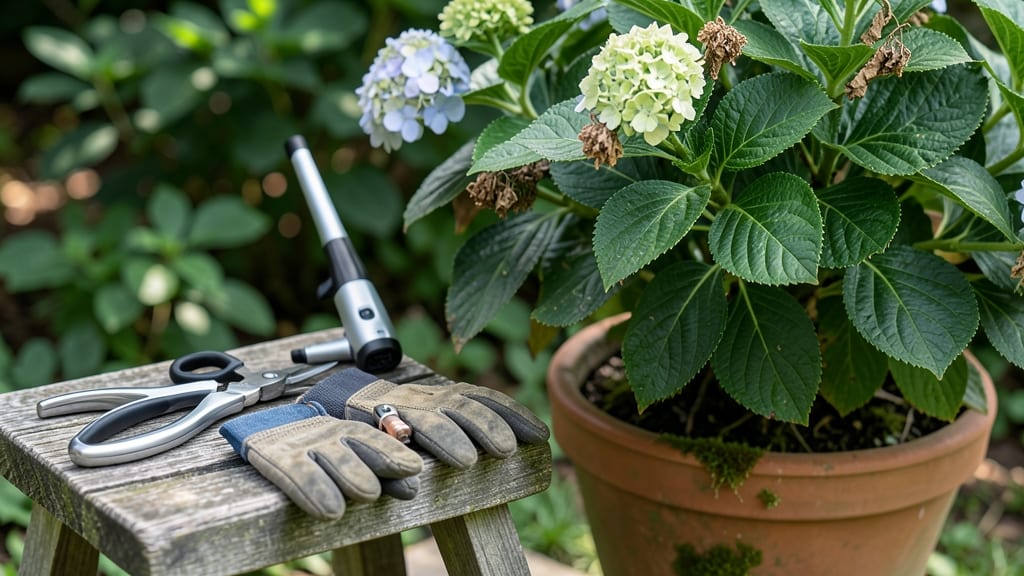
Cutting back bigleaf hydrangeas at the right time ensures vibrant blooms and a healthier plant, but many gardeners get the timing wrong.
Picture this: You’ve just pruned your 🌸 bigleaf hydrangea in late winter, only to find it barely budding by summer. Or worse, you waited until spring and missed the critical window for encouraging new growth.
The difference between a lush, flowering shrub and a sad, sparse one often comes down to when you wield those shears.
Timing isn’t just about the calendar—it’s about your hydrangea’s bloom type. Mophead varieties need one approach, while lacecaps follow a different schedule. Miss the mark, and you could end up with fewer flowers or even stress the plant.
But get it right, and you’ll reward yourself with bigger, more abundant blooms year after year.
In this guide, I’ll walk you through the exact moments to prune your bigleaf hydrangea, broken down by bloom type and season.
You’ll learn how to spot the signs that your plant is ready, what tools to use, and how to avoid the most common pruning mistakes—so you can keep your hydrangeas thriving for decades.
Big leaf hydrangea pruning timeline by bloom type (mophead vs. lacecap)
Big leaf hydrangeas—especially mophead and lacecap varieties—require precise pruning timing to ensure vibrant blooms. The difference between these two types isn’t just aesthetic; it’s about when they produce flowers.
Mopheads bloom on old wood, while lacecaps bloom on both old and new wood. Prune at the wrong time, and you could miss your summer show entirely.
Most gardeners prune in late winter or early spring, but lacecaps offer a little more flexibility. Understanding your hydrangea’s bloom cycle is the first step to maximizing flowers while keeping your plant healthy. Let’s break down the exact pruning windows for each type, so you never guess again.
🌸 Visual Tip: Mopheads have round, pom-pom-like blooms, while lacecaps have flatter, lacy flowers. Check your plant’s label or snap a photo of last year’s blooms to confirm.
| Bloom Type | Best Pruning Time | What to Cut | Why This Matters |
|---|---|---|---|
| Mophead | Late winter to early spring (Feb-Mar) | Dead/diseased wood + 1/3 of oldest stems | Blooms on old wood—prune too late, lose flowers. |
| Lacecap | Late winter OR summer (Feb-Mar OR June-July) | Dead wood + light shaping in summer | Blooms on old AND new wood—more flexibility. |
| Both Types | Avoid pruning after mid-summer | No major cuts after July 15 | New growth won’t harden before winter. |
For mophead hydrangeas, late winter (after the last frost but before buds swell) is critical. This is when your plant is dormant, making it easier to spot dead or weak stems.
Aim to prune between February and March, depending on your USDA zone. In warmer climates (zones 7-9), you might wait until March or early April.
Lacecaps, however, give you a second chance. You can prune in late winter OR lightly shape them in summer after blooming. This flexibility means you can correct shape issues without sacrificing next year’s flowers. Just avoid heavy pruning after mid-July, as new growth won’t mature before winter.
Pro pruning tip: Always use clean, sharp shears and make cuts at a 45-degree angle just above a bud or leaf node. This encourages healthier regrowth and reduces disease risk. Disinfect your tools with rubbing alcohol between cuts to prevent spreading bacteria.
If you’re unsure whether your hydrangea is a mophead or lacecap, look at last year’s flower heads. Mopheads have dense, round clusters, while lacecaps have flatter, layered blooms. This visual clue will save you from pruning at the wrong time.
Remember, over-pruning is a common mistake. Never remove more than 1/3 of the plant’s stems in one season, or you risk weakening the shrub. Hydrangeas are resilient, but they thrive on balance—cut back too much, and you’ll struggle with fewer blooms next year.
For regional adjustments, gardeners in Zone 5 or colder should wait until late March or April to prune, as early cuts expose tender growth to late frosts.
In Zone 8 and above, you can prune as late as April without risk. Always check your local frost dates for the safest timing.
Finally, feed your hydrangeas in early spring with a balanced fertilizer (10-10-10) after pruning. This gives them the nutrients they need to rebound quickly and produce bigger blooms later in the season. Pair this with regular watering (1-1.5 inches per week) to keep your hydrangeas thriving.
Step-by-step guide to pruning big leaf hydrangeas without mistakes
Pruning big leaf hydrangeas correctly ensures vibrant blooms and a healthy shrub. The key is knowing where and when to cut. These shrubs bloom on old wood (last year’s growth), so aggressive pruning can mean fewer flowers next season.
I’ll walk you through the exact steps to prune safely, avoiding common mistakes that harm your plant.
Start by gathering your tools: sharp pruning shears, sterilized loppers, and gloves for protection. Remove any dead or diseased branches first—they can spread problems to healthy growth. Next, look for weak or crossing branches that compete for energy. These should go next to improve airflow and light penetration.
⚠️ callout-warning ⚠️
Big leaf hydrangeas bloom on old wood, so pruning too late (after buds form) removes next year’s flowers. Never prune after mid-summer—wait until late winter or early spring (just before new growth starts). For mophead varieties, prune in February-March; lacecap types can tolerate light pruning in summer to shape.
Now, focus on shaping the shrub. Cut back branches to an outward-facing bud to encourage growth away from the center. Aim for a rounded shape to maximize sunlight exposure.
Avoid cutting into old wood (brown, woody stems)—this removes next year’s blooms. If you accidentally cut too far, don’t panic; your hydrangea will still recover with proper care.
Use clean cuts at a 45-degree angle just above a leaf node or bud. This prevents water from pooling and causing rot. For larger branches, make the cut 1/4 inch above a bud to avoid damaging the growth point. Disinfect tools between cuts with rubbing alcohol to prevent spreading disease.
After pruning, mulch around the base to retain moisture and protect roots. Water deeply to help the plant recover. Avoid heavy fertilization right after pruning—wait until new growth appears in spring. Monitor your hydrangea for stress signs like yellowing leaves or wilting, which could indicate over-pruning or disease.
Repeat this process annually to maintain your hydrangea’s health and bloom potential. With practice, you’ll develop a feel for the right balance of pruning to keep your shrub lush and flowering beautifully year after year. Patience and precision pay off in stunning summer displays! 🌸