
Pruning
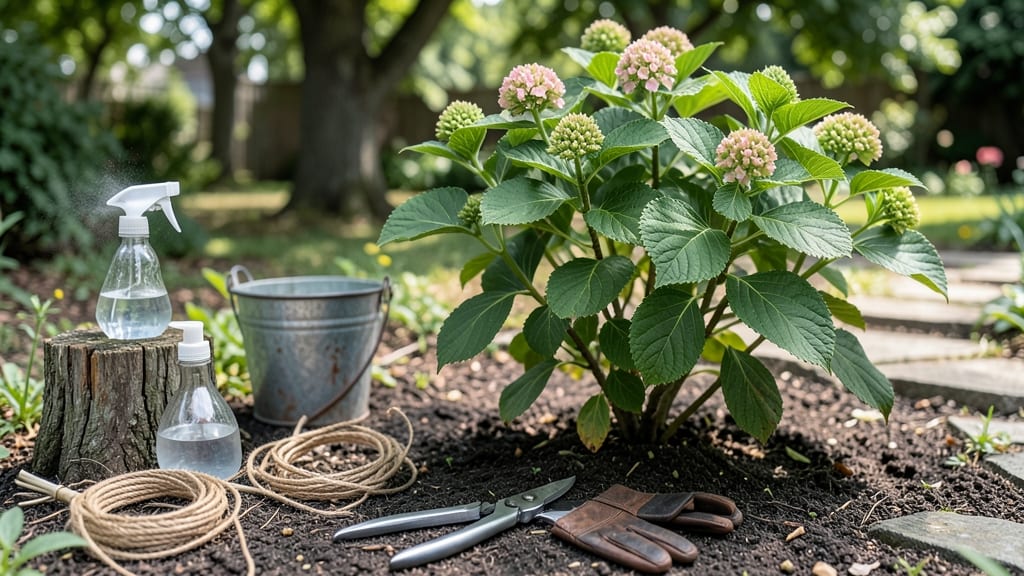
Pruning big leaf hydrangeas in spring unlocks lush blooms all season—no green thumb required. ✂️ I’ve turned my once-sparse shrubs into bloom-covered giants by mastering just three simple cuts each year. The key? Timing, technique, and knowing exactly what to remove (and what to leave).
Most gardeners over-prune, stripping away next year’s flowers. Here’s the secret: cut back only last year’s growth—the new stems hiding beneath will produce your summer blooms. You’ll need sharp pruners, gloves, and a clear morning to work, but the process takes less than 20 minutes for a mature plant.
After pruning, your hydrangeas will rebound with vibrant new growth within weeks, and those signature clusters will appear bigger and fuller than ever. The best part? This method works whether you’re shaping a hedge or letting your plant grow wild—just adjust the cuts to your vision.
For late bloomers or cold climates, we’ll cover when to delay pruning. But first, let’s get those dead stems out of the way for good!
📚 In This Guide
- What you need
- Instructions
- Tips and common mistakes
- Wrapping up and next steps
What you need
- ● Bypass pruners – Sharp, clean, and disinfected (75% rubbing alcohol or bleach solution works). Size: 5-7 inches for thick stems.
- ● Loppers – For thicker branches (½ inch or larger). Quantity: 1 pair with bypass blades (avoid anvil types—they crush stems).
- ● Hand saw – Only if branches exceed 2 inches in diameter. Type: Pruning saw with fine teeth.
- ● Gloves – Heavy-duty gardening gloves to protect from thorns and sap.
- ● Disinfectant solution – 1 part bleach to 9 parts water (or 70% isopropyl alcohol) to sterilize tools between cuts.
- ● Trash bags or bucket – For collecting pruned branches (5+ gallon size recommended).
- ● Pruning sealant – For large cuts (1-inch diameter or more) to prevent disease. Type: Latex-based sealant.
- ● Ladder or step stool – If your hydrangea is taller than 6 feet.
- ○ Sharpie or marker – To label branches if you’re doing renewal pruning (optional but handy!).
- ● Hose with nozzle – For rinsing tools and cleaning up sap.
- ● Check the weather: Prune on a dry, overcast day (or early morning) to reduce stress on the plant.
- ● Know your hydrangea’s age and growth habit—big leaf hydrangeas (H. macrophylla) bloom on old wood, so timing and cuts matter!
- ● Have a clear plan: Sketch or note where you’ll make cuts to avoid over-pruning.
Step-by-step instructions for pruning big leaf hydrangeas in spring
Here's the simple method I use to keep my big leaf hydrangeas blooming beautifully year after year.
✂️ Step 1: Identify Last Year’s Blooms and Dead Wood
Start by examining your hydrangea in late winter or early spring, before new growth begins. Big leaf hydrangeas bloom on old wood, meaning last year's stems hold next year's flower buds. Look for brown, dry stems—these are dead and should be removed completely at the base. I cut these out first because they're easy to spot and won't affect flowering.
Next, identify stems that still have buds. These will have small, plump swellings near the base where leaves once grew. These are your keepers—never cut them back. If you're unsure, wait a few weeks until new growth appears. You'll see tiny green shoots emerging from the buds, confirming they're alive and should stay.
✂️ Step 2: Cut Back Only the Oldest Stems
For big leaf hydrangeas, the goal is to rejuvenate the plant by removing 1-3 of the oldest stems each year. These are the thickest, woody stems that have produced flowers for multiple seasons. Using clean, sharp pruners, cut these stems back to the ground. I always disinfect my tools with rubbing alcohol between cuts to prevent disease spread.
Don't worry if this seems drastic—hydrangeas are tough and will bounce back. The remaining stems will have more energy to produce vibrant blooms. If your plant has fewer than 10 stems, you can remove up to half of the oldest ones. Watch for new growth emerging from the base within a few weeks—that's your sign the plant is happy with the pruning.
✂️ Step 3: Shape the Remaining Stems Lightly
Now focus on the stems you're keeping. Step back and look at the overall shape. Big leaf hydrangeas naturally grow in a rounded form, so aim to maintain that. Remove any crossing or rubbing branches that might damage the plant. Cut these back to a healthy outward-facing bud or branch junction. I make my cuts at a 45-degree angle, about ¼ inch above the bud.
For any stems that look leggy or overgrown, you can trim back the top 1-2 inches to encourage bushier growth. Avoid heavy pruning of these stems—they're the ones producing this year's flowers. If you accidentally cut into a flower bud, don't panic. Hydrangeas are forgiving, and the plant will still produce blooms, though you might have slightly fewer flowers that season.
💧 Step 4: Clean Up and Encourage New Growth
After pruning, remove all the clippings from the area to prevent disease. I like to rake up the debris and dispose of it in the trash—not the compost—since hydrangea diseases can linger. Water the plant deeply right after pruning to help it recover. The soil should be moist to a depth of 6 inches.
In the weeks following pruning, keep an eye out for new growth. You'll see fresh green shoots emerging from the base and along the remaining stems. This is your plant's way of telling you it's happy with the changes. Fertilize lightly with a balanced, slow-release fertilizer once new growth appears. I use about ½ cup of 10-10-10 fertilizer per plant, spread evenly around the base and worked into the top 2 inches of soil.
☀️ Step 5: Provide Ideal Conditions for Recovery
Big leaf hydrangeas thrive in partial shade, so make sure your plant isn't suddenly getting too much direct sun after pruning. Too much sun can stress the plant and lead to wilting. If your hydrangea is in a sunny spot, consider providing afternoon shade, especially during the hottest months. Mulch around the base with 2-3 inches of organic mulch to retain moisture and regulate soil temperature.
Within a few weeks, you'll start to see new leaves unfurling and flower buds forming. These buds will eventually bloom into the stunning clusters you love. Remember, the key to year-round blooming is consistency—prune the same way each spring, and your hydrangea will reward you with beautiful flowers season after season. If you notice any yellowing leaves or wilting, it might be a sign of overwatering or nutrient deficiency, but don't stress—hydrangeas are resilient and will bounce back with the right care.
Tips & tricks for pruning big leaf hydrangeas like a pro
Pruning hydrangeas doesn't have to be intimidating—these simple tricks will help you achieve stunning blooms with confidence.
Timing is Everything: The best time to prune is in late winter or early spring, just as new growth begins to appear. This is when it's easiest to identify which stems are alive and which are dead. If you missed the window, you can still prune in early summer, but avoid pruning in fall or winter when the plant is dormant. Remember, big leaf hydrangeas bloom on old wood, so pruning too late can remove next year's flower buds.
Tool Prep Matters: Always use clean, sharp pruners to make precise cuts. I disinfect my tools with rubbing alcohol between cuts to prevent spreading disease. For thicker stems, I use loppers—never try to cut through thick wood with regular pruners. You'll also want to have a small bucket or bag handy to collect your clippings, making cleanup a breeze.
Bud Identification Secret: Look for those plump swellings near the base of stems—these are your flower buds for next year. If you're unsure whether a stem is alive, wait a few weeks until you see tiny green shoots emerging. These buds are your best friends, so never cut them off! A magnifying glass can help if your eyes aren't as sharp as they used to be.
Shape with Purpose: Step back and look at your hydrangea's natural shape before making any cuts. Big leaf hydrangeas naturally grow in a rounded form, so aim to maintain that silhouette. When shaping, always cut at a 45-degree angle about ¼ inch above an outward-facing bud. This technique encourages healthy growth and prevents water from pooling on the cut, which can lead to rot.
Pro Tips for Prune Big Leaf Hydrangeas In Spring
- Pruning hydrangeas doesn't have to be intimidating—these simple tricks will help you achieve stunning blooms with confidence.
- Timing is Everything: The best time to prune is in late winter or early spring, just as new growth begins to appear.
- Tool Prep Matters: Always use clean, sharp pruners to make precise cuts.
Frequently asked questions
Got questions about pruning your big leaf hydrangeas? You’re not alone! Here are some of the most common concerns—plus clear, actionable answers to keep your blooms thriving.
When is the exact best time to prune big leaf hydrangeas in spring?
Prune big leaf hydrangeas after their first flush of blooms (late spring to early summer) or in late winter/early spring (before buds swell). Avoid pruning in fall—it can leave them vulnerable to winter damage. Pro tip: If you prune too early, you might cut off next year’s flowers!
Can I prune big leaf hydrangeas too much? What if I cut them back too hard?
Yes! Big leaf hydrangeas are hardy but over-pruning (removing more than ⅓ of the plant) can stress them or reduce blooms. Focus on removing dead, weak, or crossing branches—never trim more than necessary. If you’ve already over-pruned, don’t panic! They’ll recover, but expect fewer flowers that season.
Do I need to deadhead big leaf hydrangeas after pruning?
Deadheading (removing spent blooms) isn’t required for big leaf hydrangeas, but it can encourage new growth and extend the blooming season. Simply snip off faded flower clusters after pruning. Skip this step if you’re pruning for shape—just focus on cutting back to 2-3 buds per stem.
What if my big leaf hydrangea isn’t blooming after pruning?
Several factors could be at play: over-pruning, poor sunlight (they need 6+ hours/day), or nutrient deficiency. Check for leaf yellowing (a sign of nitrogen needs) and ensure they’re planted in well-draining soil. If blooms are sparse, prune less aggressively next time—big leaf hydrangeas bloom on old wood, so heavy cuts can backfire!
Can I use the same pruning techniques for big leaf hydrangeas as other types (like panicle or oakleaf)?
Nope! Big leaf hydrangeas bloom on old wood, so avoid heavy spring pruning (unlike panicle or oakleaf types, which bloom on new wood). For big leaf, minimal pruning in late winter or post-bloom shaping is key. Mixing up techniques can lead to no flowers—stick to their unique needs!
Wrapping up and next steps
Pruning your big leaf hydrangeas in spring doesn’t have to be intimidating—it’s all about timing, technique, and a little patience! 🌿 By following these steps, you’ll encourage lush, vibrant blooms and keep your plant healthy for years to come.
Now that you’re armed with the know-how, grab those shears and give your hydrangeas the care they deserve.
Ready to take it further? Next up: Watch for new growth in early spring and plan your pruning schedule to keep your hydrangeas thriving all season long. Happy gardening! 🌸