
Advice
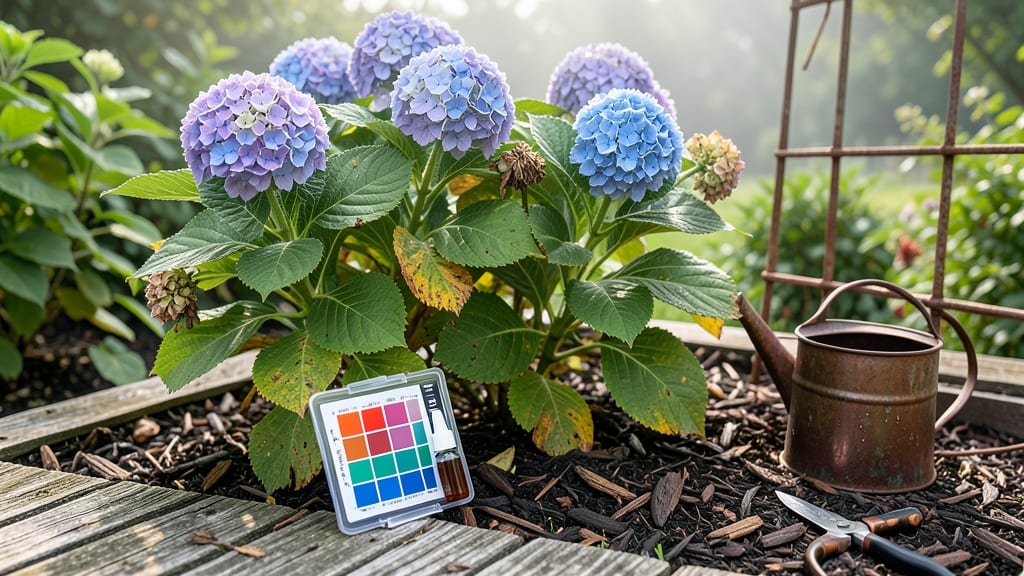
Big leaf hydrangea care thrives when you treat them like the low-maintenance divas they are. 🌿 These plants reward patience with vibrant blooms that last from summer through fall, but they demand just three things: the right soil, consistent moisture, and a little strategic pruning. I’ve had mine explode with color for years by following these simple rules—no fancy tricks required. The secret starts with soil that’s rich but well-draining. Amend heavy clay with compost to prevent soggy roots, and mulch heavily to keep moisture locked in. Water deeply once a week (more in extreme heat), and you’ll see those signature blue or pink blooms forming by midsummer. Most gardeners overcomplicate pruning, but big leaf hydrangeas bloom on old wood, so timing matters—cut back in late winter or early spring before buds swell. By mid-July, your plant will be bursting with blooms that last until frost, and the foliage stays lush even in drought. The key is consistency: feed lightly with balanced fertilizer in spring, avoid heavy pruning, and protect from harsh winters with a thick mulch layer. It’s foolproof once you know the rhythm. Works in full sun to partial shade, from containers to garden beds. Here’s how to keep yours thriving all season long.
📚 In This Guide
- What you need
- Instructions
- Tips and common mistakes
- Wrapping up and next steps
What you need
- ● Big leaf hydrangea plant: Choose a healthy nursery-grown specimen (size depends on preference—potted or bare-root).
- ● Well-draining potting mix: 50% peat moss or coconut coir + 50% perlite or sand (for containers). For in-ground planting, amend soil with 3-4 inches of compost or organic matter.
- ● Container (if potted): A 15-20 gallon pot with drainage holes (for mature plants; smaller for young ones).
- ● Mulch: 2-3 inches of organic mulch (shredded bark, wood chips, or pine straw) to retain moisture and regulate soil temp.
- ● Fertilizer: Balanced granular fertilizer (10-10-10 or 20-20-20): Apply ½ cup per plant in early spring.
- ● Acid-loving plant fertilizer (e.g., Miracid or Holly-tone): Use monthly during growing season to boost blooms.
- ● Watering can or hose with a gentle spray nozzle: Hydrangeas love consistent moisture!
- ● Pruning shears: Sharp, clean bypass pruners (avoid anvil pruners to prevent crushing stems).
- ● Gloves: Heavy-duty gardening gloves (hydrangeas can have thorns!).
- ● pH test kit: To monitor soil acidity (aim for 5.2–5.5 for blue flowers; 6.0+ for pink).
- ● Aluminum sulfate or lime: Adjust pH if needed (½ cup per plant for acidity; 1 cup lime for alkalinity).
- ○ Support stakes or cages: Optional for large plants (e.g., 6-foot bamboo stakes or tomato cages).
- ● Sunlight: Partial shade (morning sun + afternoon shade) in hot climates; morning sun to full sun in cooler zones.
- ● Water access: Consistent moisture (water 1–2 inches per week, more in extreme heat).
- ● Patience: Big leaf hydrangeas can take 1–2 years to reach full bloom potential!
Step-by-step guide for big leaf hydrangea care
Here's how I keep my big leaf hydrangeas blooming beautifully with just a few simple seasonal check-ins.
🌿 Step 1: Choose the Perfect Planting Location
Big leaf hydrangeas thrive in partial shade—think morning sun with afternoon shade or dappled sunlight under tall trees. I always plant mine where they get at least 4-6 hours of sunlight daily, but never scorching afternoon rays. The ideal spot has moist, well-draining soil that stays consistently damp but never soggy.
Dig a hole twice as wide as the root ball but only as deep. This encourages roots to spread outward rather than settling too low, which can cause stress. If your soil drains poorly, mix in a 5-gallon bucket of compost into the bottom of the hole before placing the plant. Gently loosen any circling roots before positioning the hydrangea so they grow outward naturally.
☀️ Step 2: Water Deeply and Consistently
Watering is where most hydrangeas fail—deep, infrequent watering beats light, frequent sprinkles. After planting, water once a week for the first month, then every 5-7 days depending on rainfall. You'll know it's enough when the top 6 inches of soil feel moist—stick your finger in to check. Big leaf hydrangeas love moisture but hate wet feet, so always water at the base, not overhead.
Here's the trick: mulch heavily with 3-4 inches of organic mulch (like shredded bark) around the base, keeping it 6 inches away from the trunk. This locks in moisture and keeps roots cool. I always reapply mulch in late winter to protect roots from temperature swings. If leaves start curling or wilting, it's a sign of either underwatering or overwatering—check the soil moisture first.
✂️ Step 3: Prune at the Right Time for Maximum Blooms
This is the secret to minimal pruning—wait until late winter or early spring (just as new buds begin to swell) to prune. Big leaf hydrangeas bloom on old wood, so pruning too early removes next year's flowers. I cut back only the dead or damaged stems first, then shape the plant by removing 10-20% of the oldest stems at the base. This opens up the center for better airflow and sunlight.
Never prune in fall or summer—you'll sacrifice next year's blooms. Use clean, sharp pruners and make cuts just above a bud or leaf node at a 45-degree angle. If you accidentally prune too much, don't panic—hydrangeas are forgiving. Just focus on healthy growth in the next season, and new blooms will appear on the remaining stems.
🌱 Step 4: Feed and Protect for Long-Term Health
Feed your hydrangea once in early spring with a balanced, slow-release fertilizer (like 10-10-10). I sprinkle ½ cup of granules around the base and water it in deeply. Avoid high-nitrogen fertilizers—they encourage leafy growth at the expense of flowers. Big leaf hydrangeas also love acidic soil (pH 5.5-6.2). If your soil is alkaline, add sulfur or peat moss to lower the pH for blue flowers (or skip it for pink blooms).
Watch for aphids or scale insects on new growth—these pests love hydrangeas. Spray with neem oil or insecticidal soap if you spot sticky residue on leaves. In winter, protect young plants or newly planted hydrangeas with burlap wraps if temperatures drop below 10°F. Mature plants handle cold well, but young roots can still suffer from freeze-thaw cycles.
🌿 Step 5: Enjoy and Maintain Seasonal Care
Once established, big leaf hydrangeas need very little maintenance. Deadhead spent blooms in fall to keep the plant tidy, but leave the seed heads if you love winter interest. In late winter, prune again to remove any dead or crossing branches—this keeps the plant open and airy. If your hydrangea ever looks leggy, it's a sign it needs more sunlight or better pruning in the next cycle.
Here's the thing—I've had hydrangeas skip a year of blooming after heavy pruning, but they always bounce back. The key is patience and consistency. Stick to these steps, and you'll have lush, vibrant hydrangeas that reward you with season-after-season blooms with almost no effort.
Tips & tricks for perfect big leaf hydrangea care
Keeping these stunning shrubs thriving takes just a few smart moves—and avoiding common pitfalls makes all the difference.
Location Intelligence: I've learned the hard way that "partial shade" isn't one-size-fits-all. The 4-6 hours of sunlight should come from the east or north to prevent leaf scorch. If your yard only offers west-facing shade, consider planting near a tall evergreen that casts shade in the afternoon. The key is observing how sunlight moves across your yard at different times of day—this prevents the "sunburned leaves" look I've seen too often.
Watering Wisdom: The once-a-week rule works for most climates, but I've found that 5-7 days is more accurate for my dry-summer region. Test soil moisture by pushing your finger into the top 6 inches—if it feels dry, water deeply. Here's what I do: water until you see moisture reach 8-10 inches deep (use a long screwdriver to check). This deep watering encourages roots to grow downward instead of staying shallow, which is crucial for drought resistance.
Pruning Precision: That 10-20% oldest stem removal in Step 3 might sound vague, but here's how I make it concrete: I count all the main stems and remove every 5th or 6th oldest one. This keeps the plant's natural shape while preventing overcrowding. And about those 45-degree cuts—I use a small notched ruler to ensure perfect angles. This simple tool prevents ragged cuts that can invite disease, something I learned after dealing with fungal issues on improper cuts.
Seasonal Protection: The 10°F threshold for burlap wraps is crucial, but I've found that adding a 3-inch layer of straw mulch on top of the existing 3-4 inches of organic mulch gives extra insulation. This extra layer has saved my young plants during unexpected cold snaps. For established plants, I simply double-check that the mulch is still 3-4 inches thick in late winter—this small maintenance step prevents root damage from freeze-thaw cycles.
Pro Tips for Big Leaf Hydrangea Care
- Keeping these stunning shrubs thriving takes just a few smart moves—and avoiding common pitfalls makes all the differ...
- Location Intelligence: I've learned the hard way that "partial shade" isn't one-size-fits-all. The 4-6 hours of sunli...
- Watering Wisdom: The once-a-week rule works for most climates, but I've found that 5-7 days is more accurate for my d...
Frequently asked questions
When is the best time to prune big leaf hydrangeas?
Prune after flowering (late summer to early fall) to avoid cutting off next year’s blooms. If your hydrangea blooms on old wood (like most big leaf varieties), avoid heavy pruning in spring. For reblooming varieties, light pruning in early spring is safe.
How do I protect my big leaf hydrangea in winter?
Mulch the base with 3–4 inches of organic mulch (like shredded bark) after the ground freezes. Wrap young plants in burlap if temps drop below 10°F. Avoid pruning in late fall—wait until spring for rebloomers or after flowering for old-wood types.
Why are my hydrangea leaves turning yellow?
Yellow leaves often signal overwatering or poor drainage. Check soil moisture—hydrangeas prefer consistently moist but well-draining soil. Yellowing can also mean nutrient deficiency (try a balanced fertilizer in spring) or fungal issues (like powdery mildew). Prune affected leaves and improve airflow.
How do I change my hydrangea’s flower color?
Big leaf hydrangeas change color based on soil pH:
- Blue flowers: Acidic soil (pH 5.2–5.5). Add sulfur or pine needles.
- Pink flowers: Neutral/alkaline soil (pH 6.0+). Add lime or wood ash.
Can I grow big leaf hydrangeas in containers?
Yes! Choose a large container (15+ gallons) with drainage holes. Use well-draining potting mix and a slow-release fertilizer. Move pots to partial shade in summer and water consistently—containers dry out faster. Overwinter indoors or in a sheltered spot.
Wrapping up and next steps
Caring for your big leaf hydrangea is all about balance—giving it the right light, water, and occasional pruning while letting its natural beauty shine. With these simple steps, you’ll enjoy stunning blooms and lush foliage for years to come! 🌸
Ready to take the next step? Grab your pruners, check the soil, and give your hydrangea the love it deserves. Happy gardening—your future floral masterpiece is waiting! 🌿